






What to inspect at handover of a power-generating roof
Roofing and energy
Handover of an integrated solar roof covers the roofing, electrical installation and records of how both were built. An app showing power generation confirms only part of the picture. Compare the installed roof with the approved design, the specific system manual and any agreed site changes. Bring inspection records from earlier stages to the final meeting, especially for layers and connections that are now concealed. List defects by location and agree who will correct them. Where the panel layout has changed, update the as-built drawing and monitoring map so the owner can identify the correct element when reporting a fault.
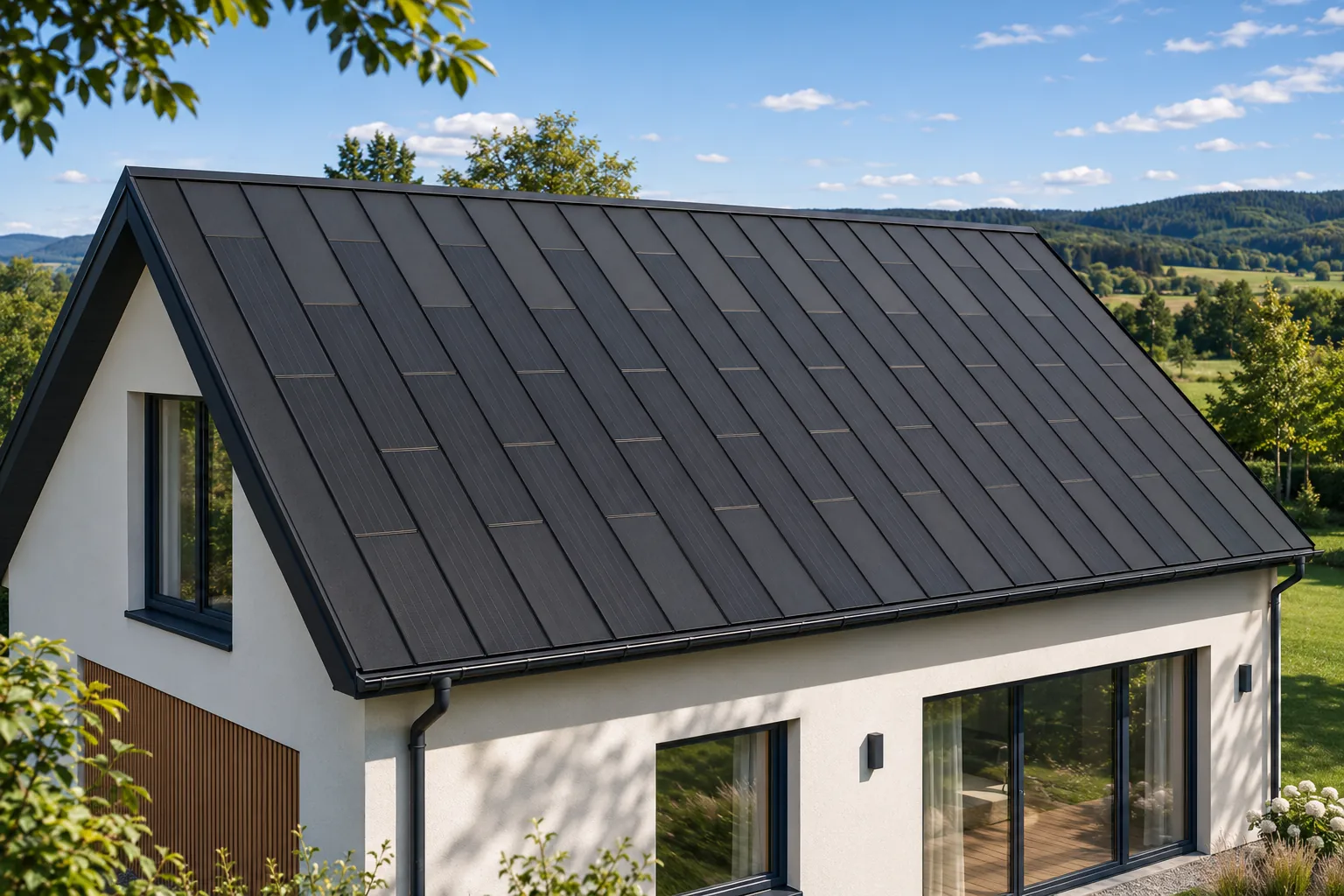
Which plans should the completed roof match?
An outdated layout can send a technician to a different panel from the one identified in monitoring.
Check the models supplied against the order, including passive parts and electrical equipment. Similar-looking products can have different ratings. Confirm any necessary design review for substitutions and record the components actually fitted.
What does the roofing inspection cover?
Inspect panel layout, fasteners and flashings at the eaves, ridge, verges, windows and chimneys. Follow drainage and ventilation routes on the system details. The general appearance of the finished slope cannot show how every junction works.
Use photographs from before the underlay and penetrations were covered. A roof surviving one shower without leaking does not establish the quality of concealed work. Check the documented construction against the approved detail.
How is the electrical installation checked?
Qualified personnel carry out the inspections and measurements appropriate to the installation. The records should show whether connections, devices and protective equipment match the design. An inverter starting and indicating power is insufficient for this check.
Check circuit labels and component identification. If individual modules are monitored, match the display map to the actual roof. This makes later diagnosis easier and connects the electrical records with the location of each roofing element.
How should defects and outstanding work be recorded?
Describe each discrepancy so someone else can find it. Include a photograph, roof section reference and drawing number. Assign a person and deadline. A note identifying a particular joint or missing record is more useful than a request for general improvements.
Distinguish cosmetic finishing from concerns about weathertightness or electrical safety. Have the appropriate specialist assess the implications. Treating every visual variation as a failure can be as unhelpful as overlooking a defect that affects performance.
Which documents should the owner receive?
Hand over as-built drawings, the circuit diagram, test records and instructions. Include warranty terms for components and installation work. Model references and identifying numbers allow the service team to establish what is installed before visiting.
Explain required inspections, permitted cleaning methods, monitoring access and the fault-reporting process. Assign the account to the right person and show which readings or messages to send with a report.
What should you check after the first period of operation?
Check that readings are being collected and look for recurring messages. Interpret generation against the weather and the design assumptions. A single low day is inconclusive. A persistent difference between comparable sections may warrant investigation.
A thorough handover documents roofing performance, electrical checks and a clear route to service. The owner then has both a finished covering and the information needed to operate it and direct later questions to the responsible trade.
At handover, ask the installer to point out one module on the as-built plan. Find the reference to use in a fault report and the test record for its circuit. This shows whether the documents can actually be used for service.
Names in the integrated solar roofing market include Solarstone, Wienerberger Wevolt, SolRoof, Autarq, Electrotile, MDM NT (MyRoof), ML System, LUMA Solar, SunRoof and Megasol Energie.

Free quote
What to include in your enquiry
Tell us how you plan to use the material, the dimensions and the quantity you need. Include the thickness, grade or variant name, along with the delivery town or your preferred collection branch. For a specific product, add its name or a link to the product page. We will reply to the email address you provide to discuss availability and the terms of your order.
More from the building guide
A building-integrated photovoltaic roof can sometimes be delivered in stages. Define the finished layout first and make sure the covering will protect…
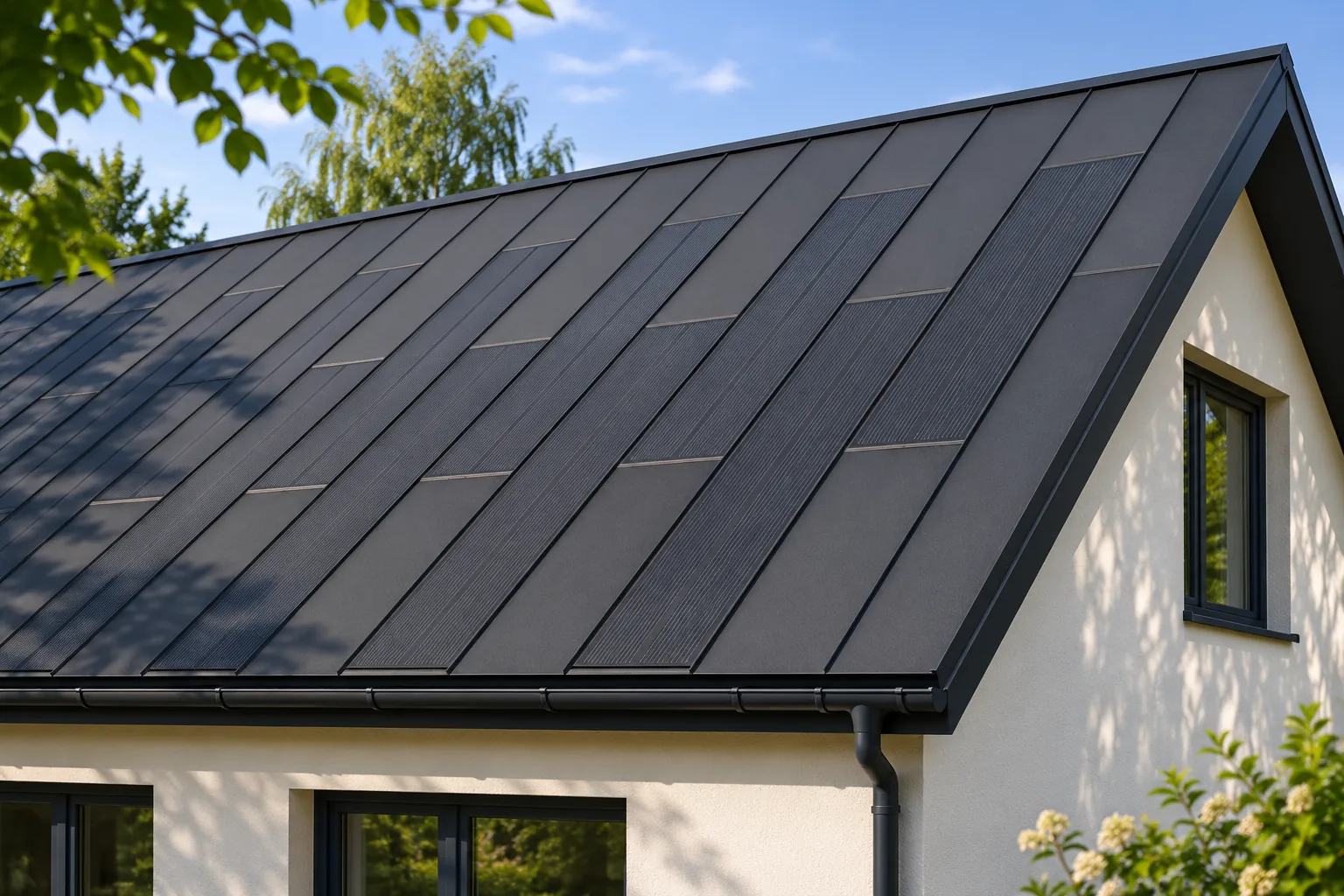
An integrated photovoltaic roof needs access for inspection and repair, both for the solar installation and for other parts of the building.…
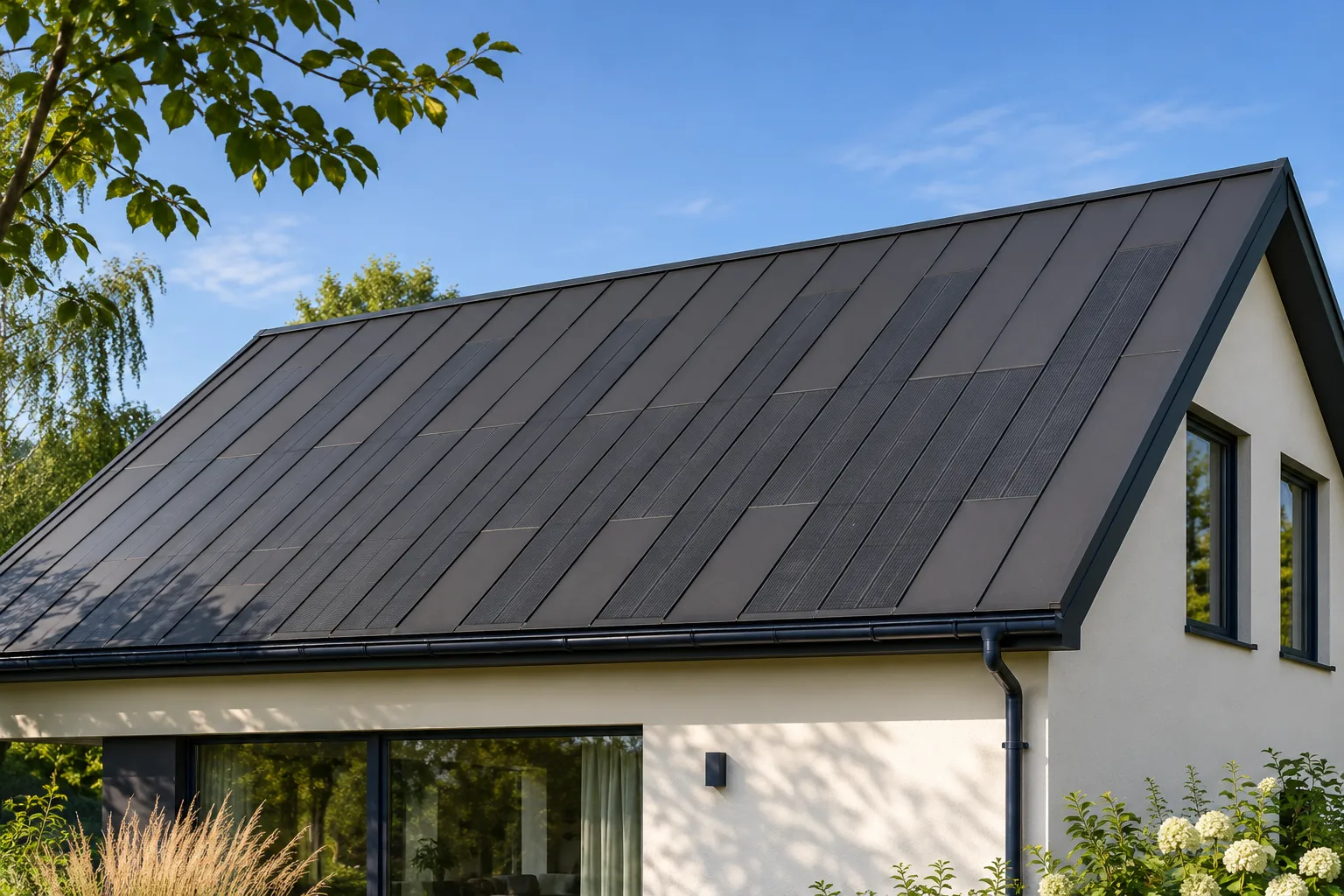
An active PV covering is one layer of the roof above a heated loft. The assembly still needs to shed water, limit…
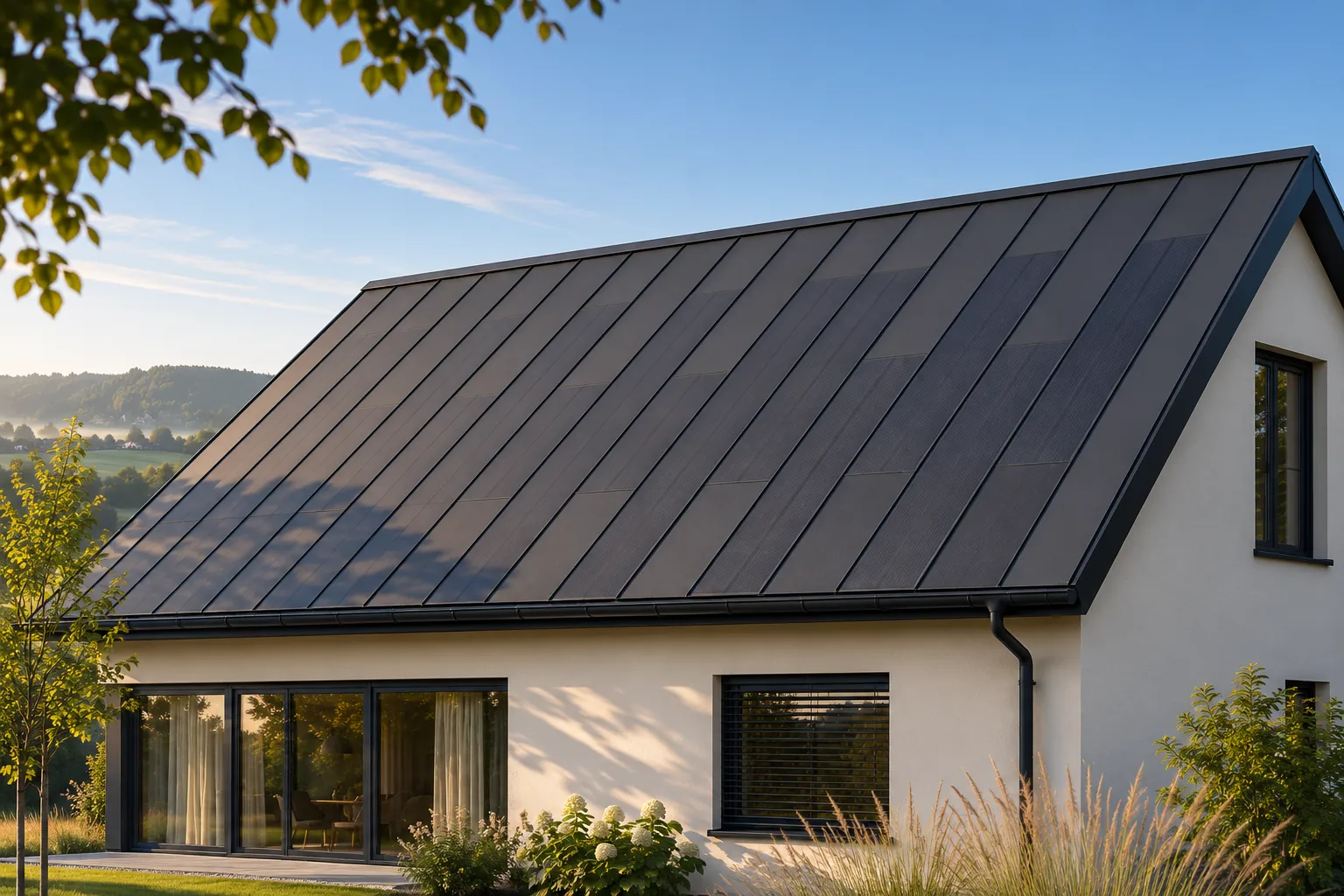
An integrated PV roof design needs the roof geometry, layers, supports, flashings and cable routes alongside the module count. Combine these with…
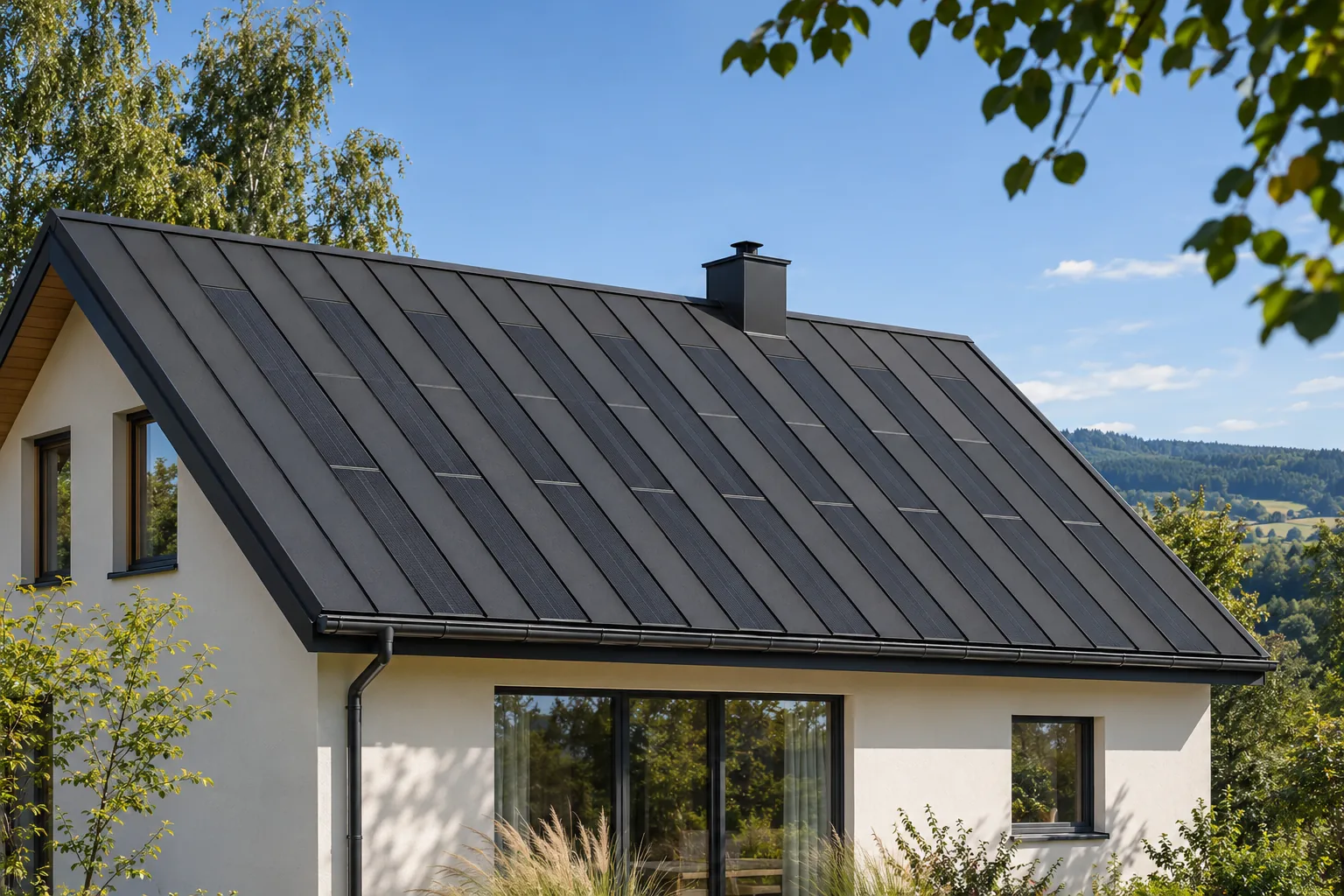
A lightweight integrated PV roof still needs a structural assessment. A panel with cells weighs more than its metal sheet alone. Snow…
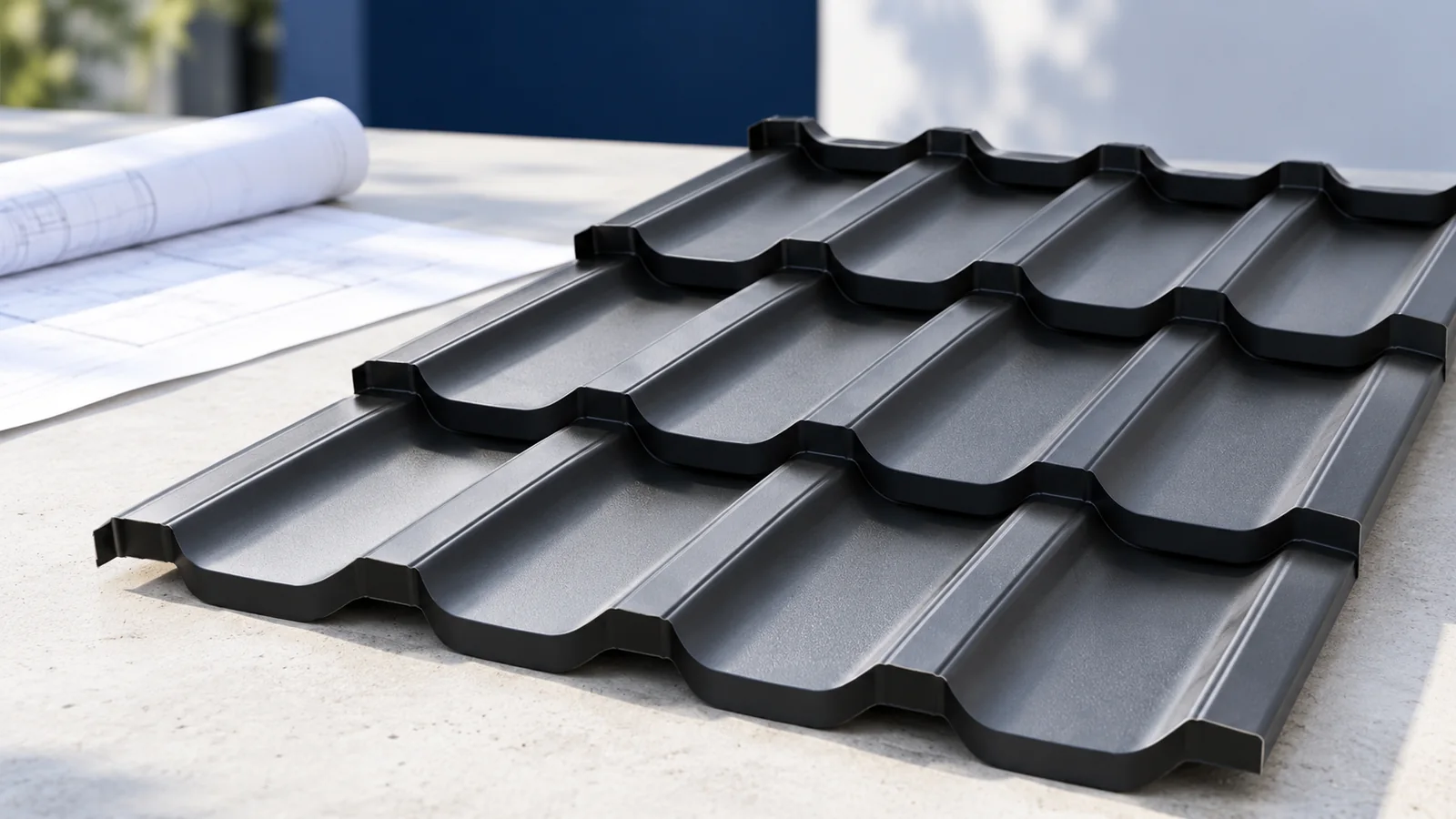
Installing solar PV on a metal roof starts by establishing how loads reach the structure. Bracket shape or profile name alone does…
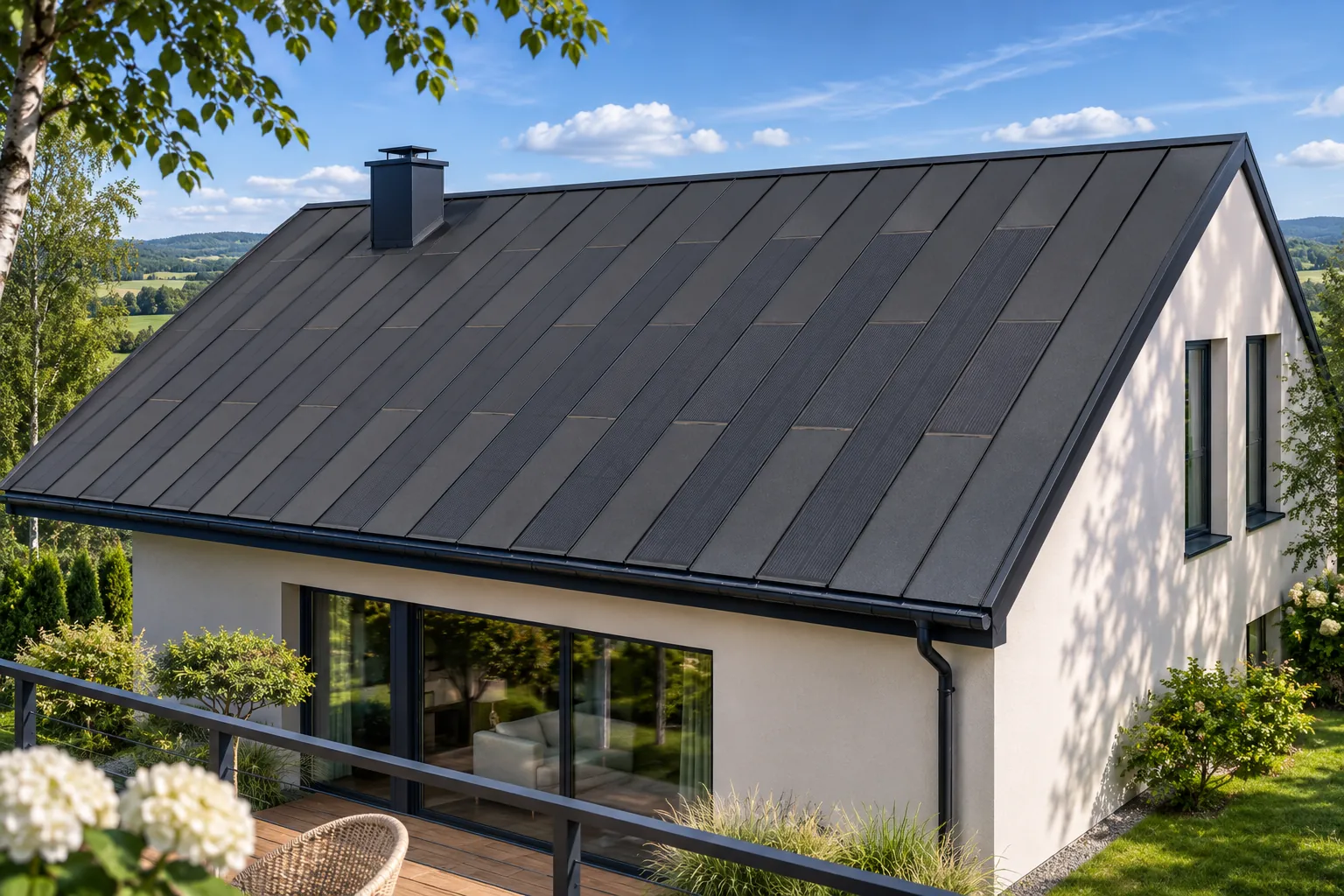
A solar roof order should be based on a dimensioned layout, not a single figure for the roof area. Measure the slopes,…
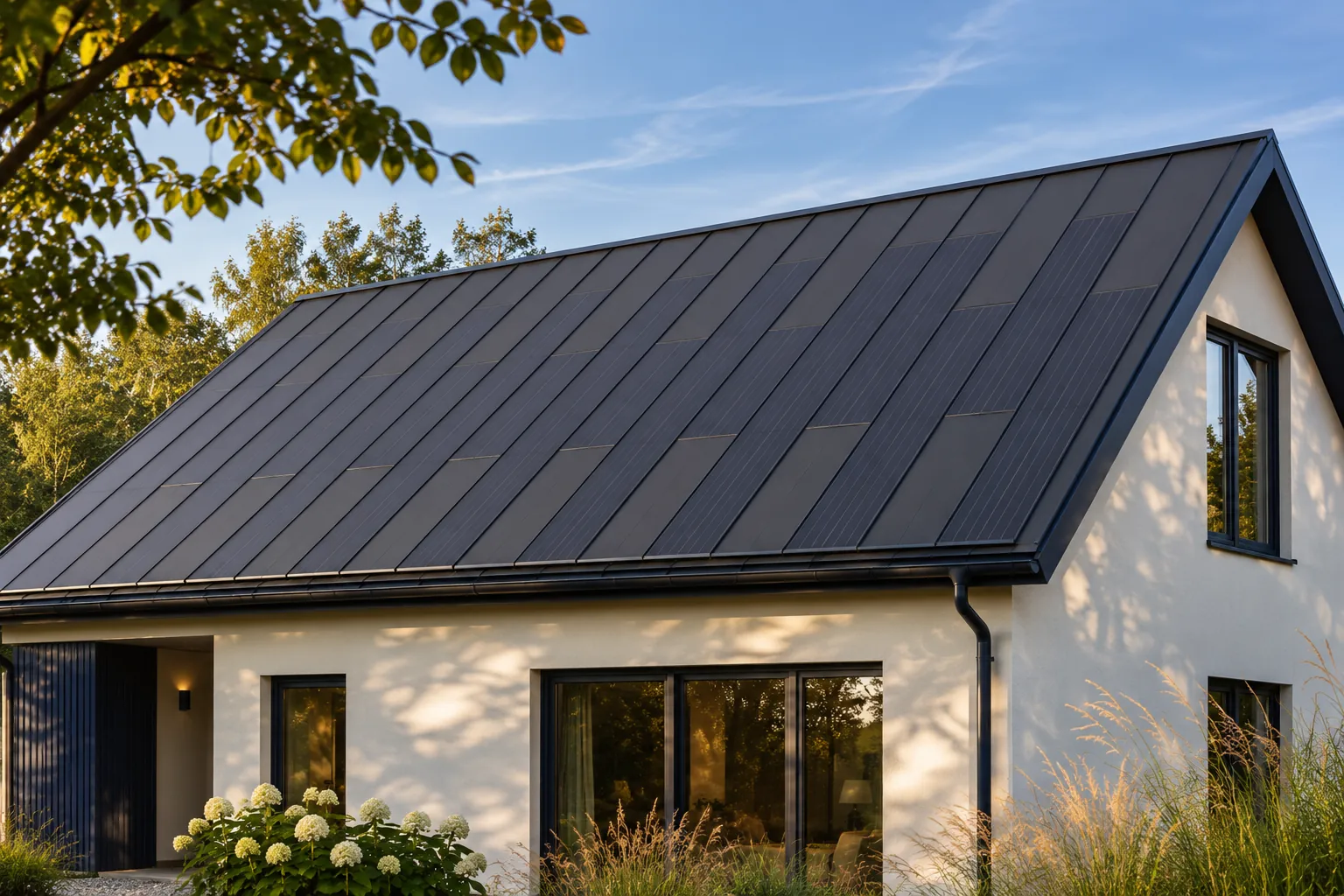
A smooth module surface alone cannot keep an entire roof weathertight. Rain reaches edges, eaves, ridges and penetrations, changes direction at joints…