






Single- or double-module steel roof tiles: comparing sheet sizes fairly
Roof coverings
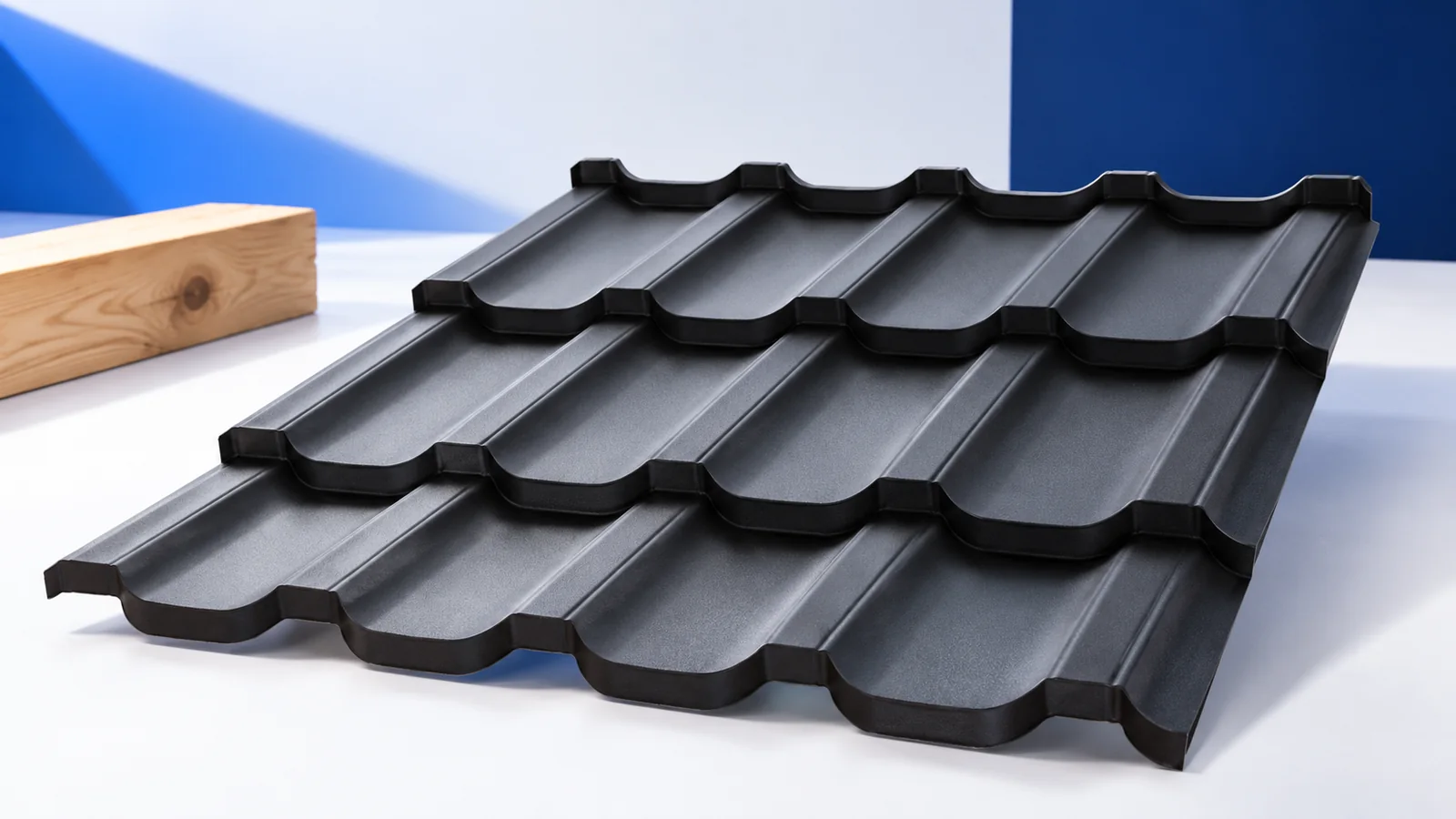
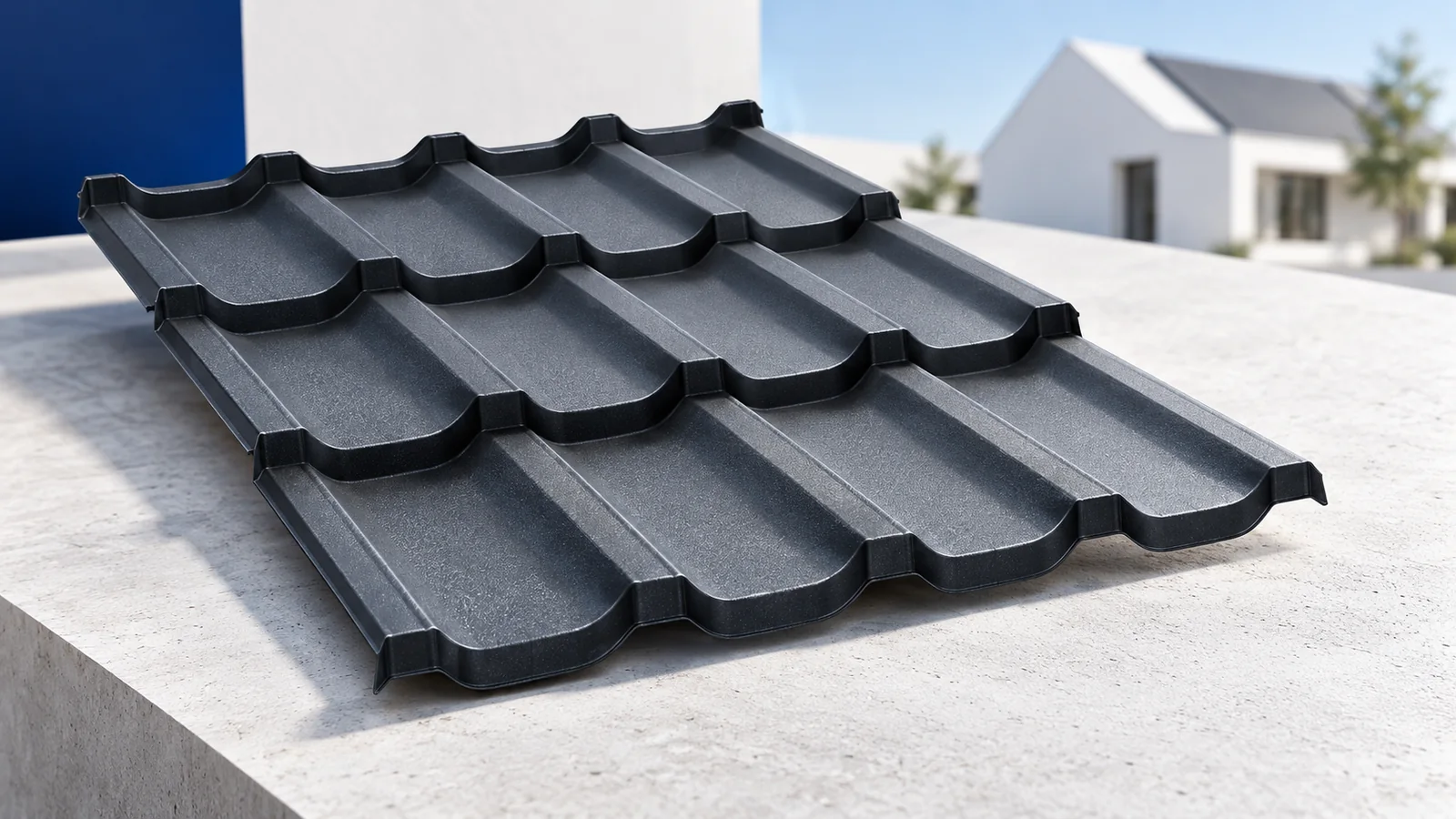
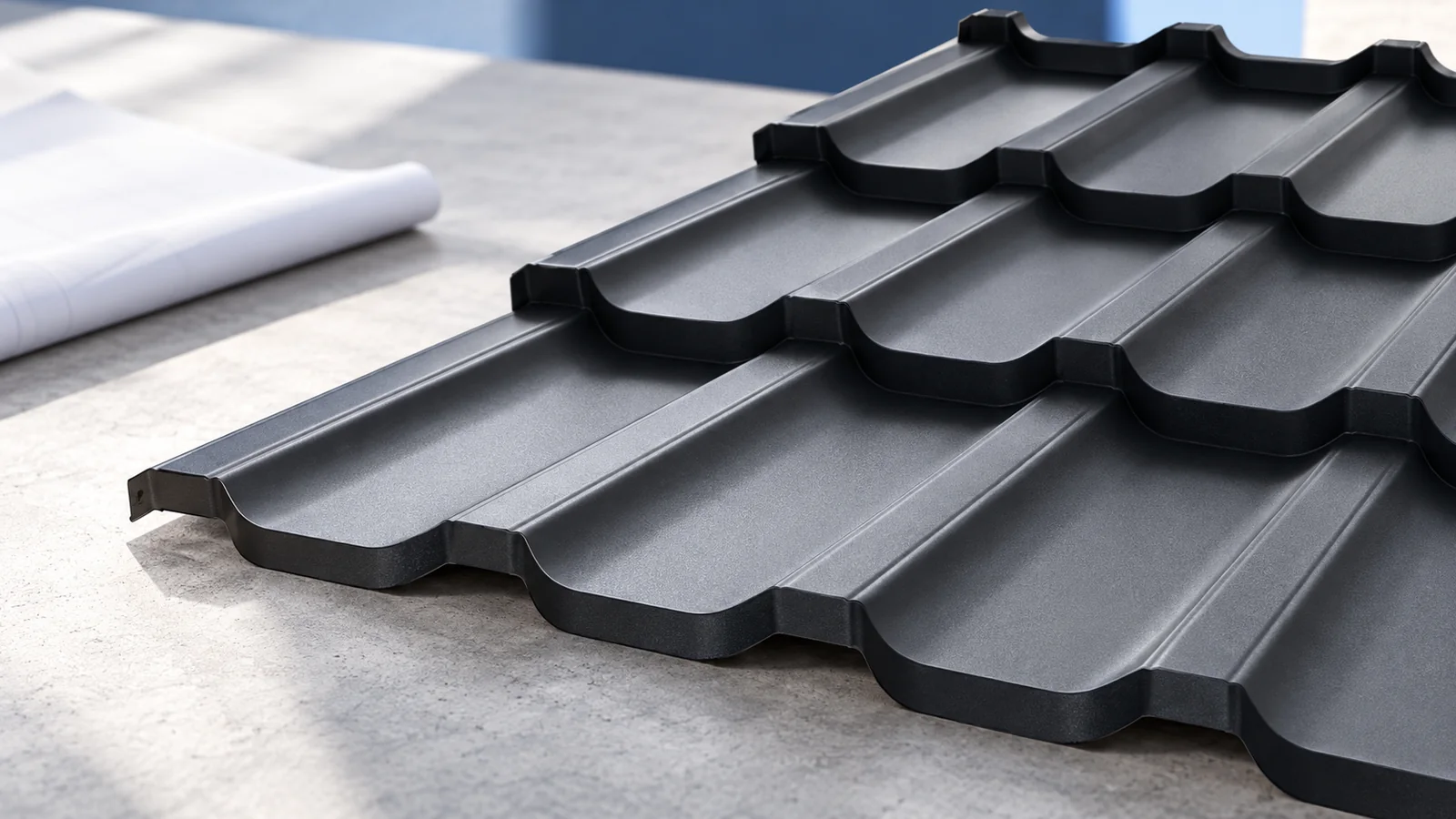
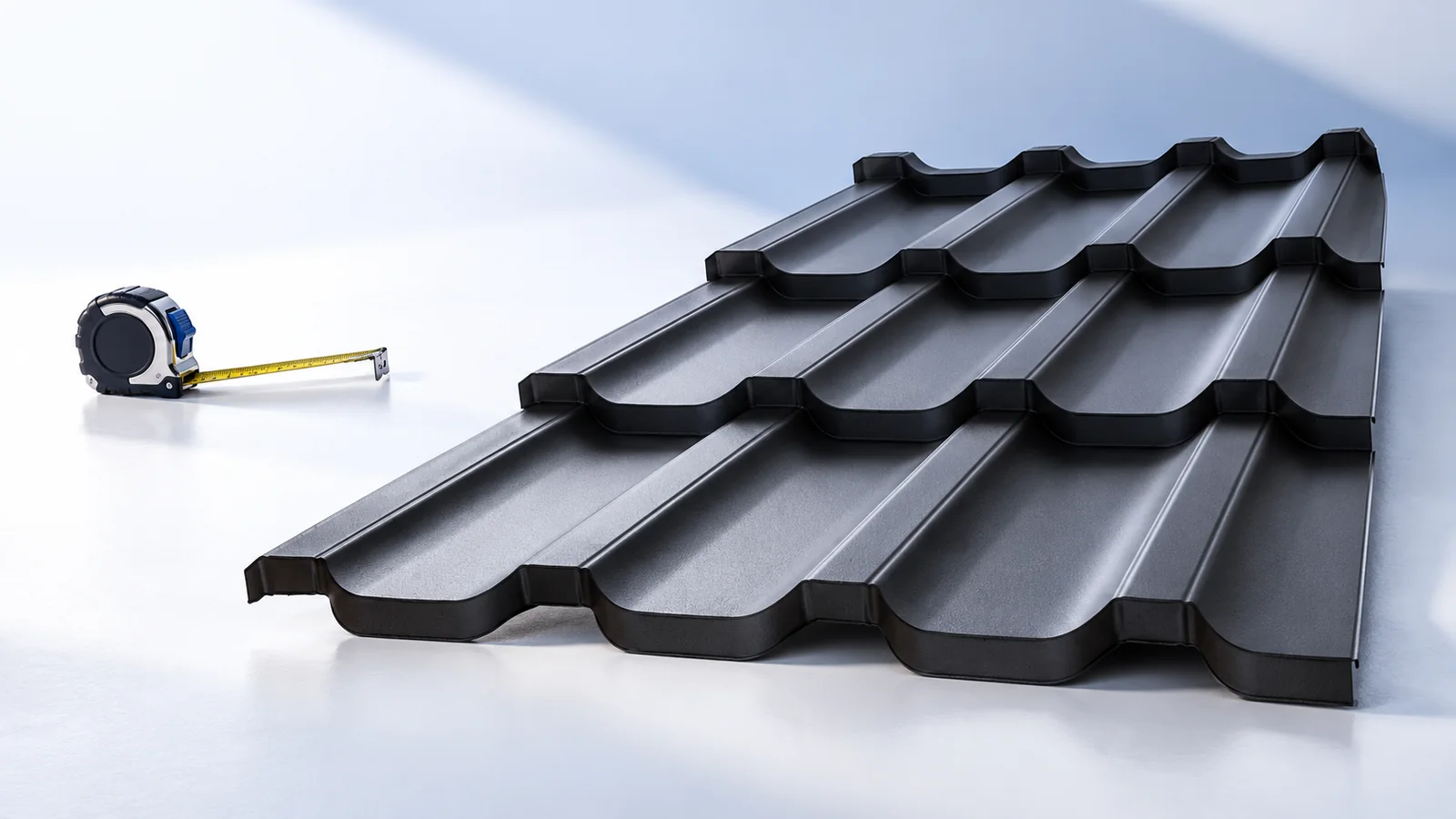
Compare single- and double-module steel roof tiles by coverage, cuts and the number of installation operations. Both can produce a similar pattern, but each sheet contains one or two rows of pressed steps along the slope. A smaller piece is easier to manoeuvre; a larger one covers more area with each lift. Cost depends on the actual roof geometry, laps and installation method. This guide converts sheet price to effective square metres and explains how to compare two cutting plans. It separates format convenience from steel and coating properties. Collect complete quantities and labour costs before deciding, so a low individual sheet price does not obscure the finished roof cost.
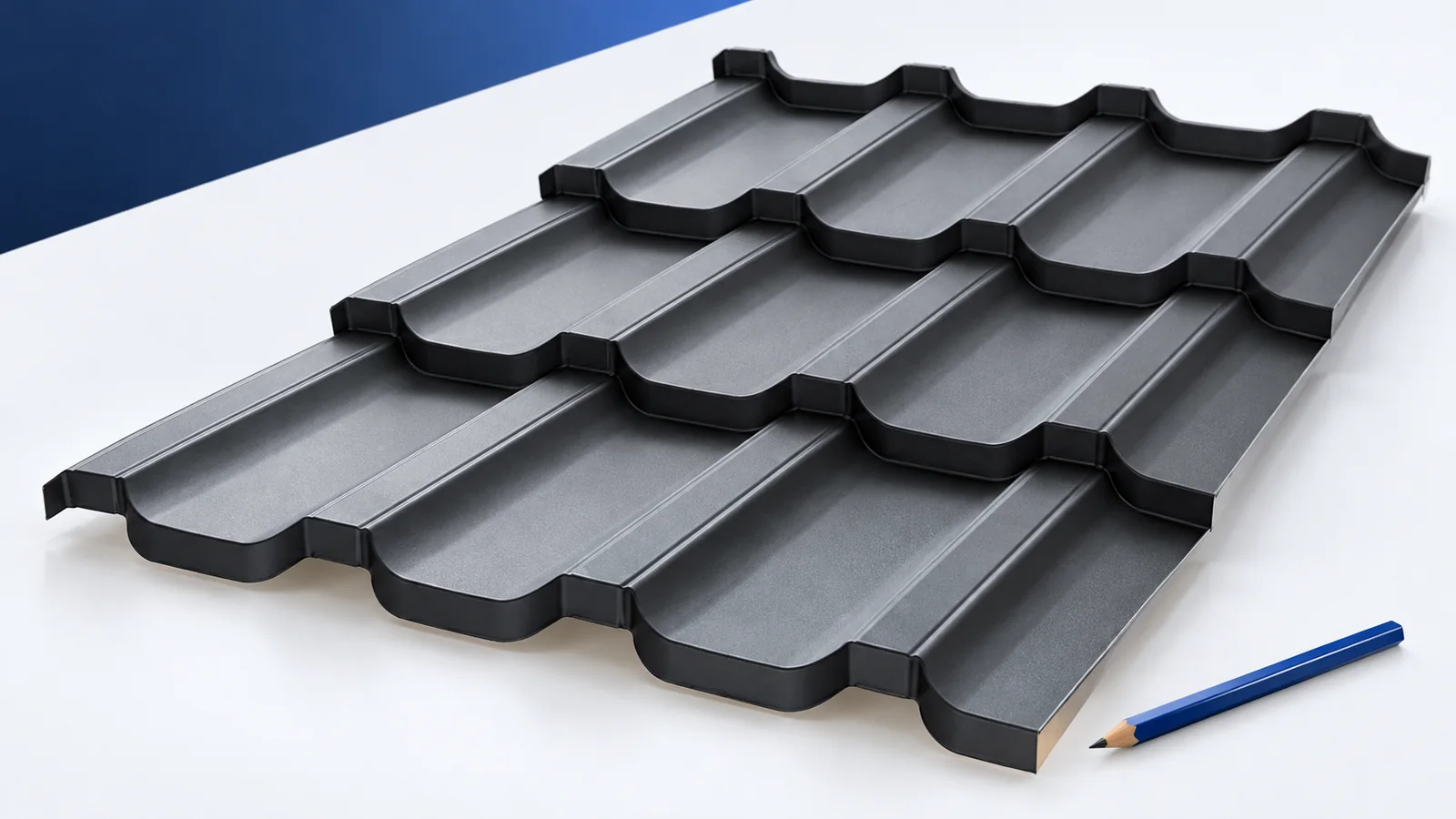
What distinguishes one module from two?
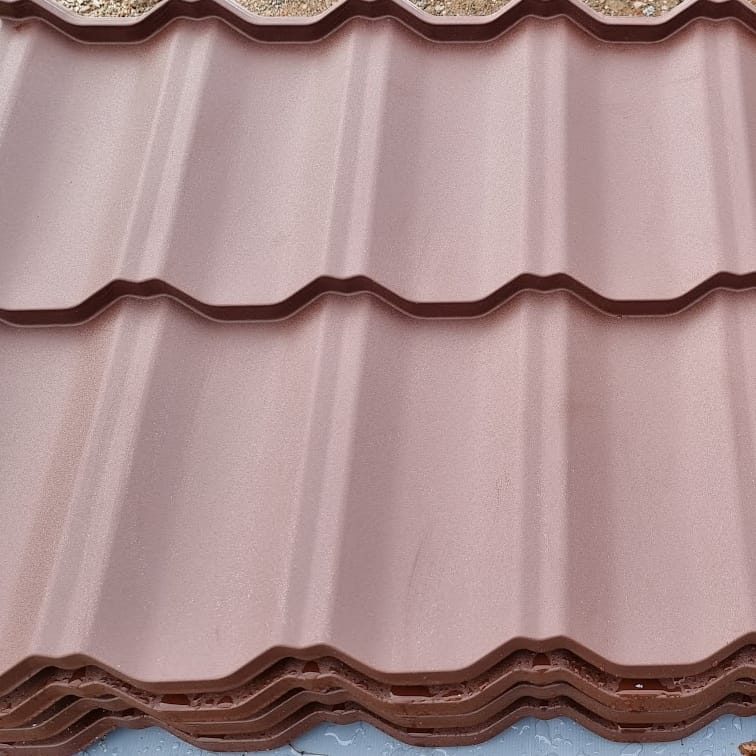
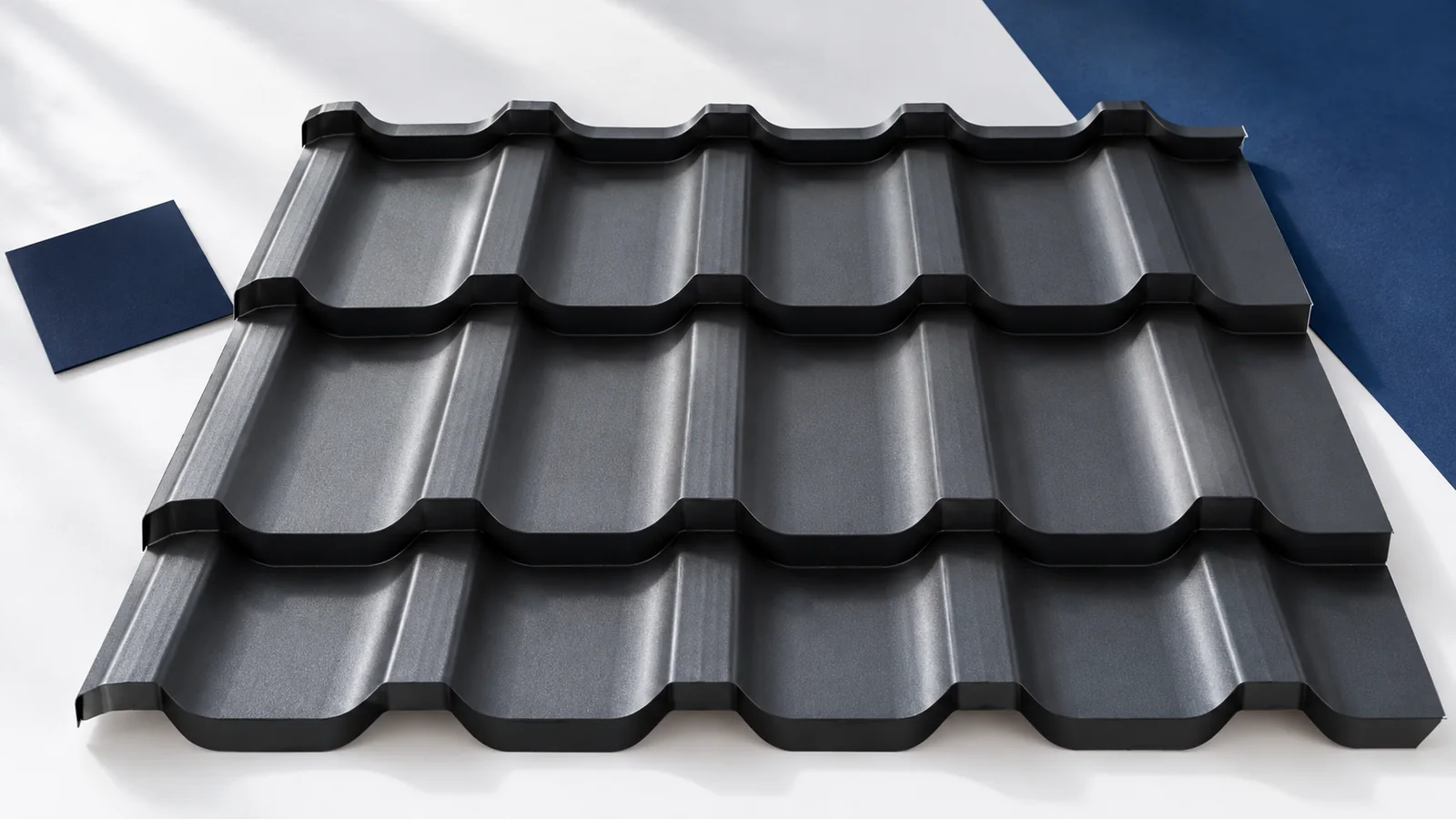
Count rows along the slope, not every field visible in a photograph. A single-module sheet has one repeating length and a double-module sheet two. Both may contain several waves across their width; use the correct drawing view.
Compare dimensions after allowing for laps. Two short sheets need not equal the overall area of one longer sheet because their edges differ. Order calculations need achieved coverage, not the sum of outside sheet areas.
How do you compare prices per sheet?
In a historical catalogue example dated 28 October 2026, coverage is 1.14 × 0.70 m, or 0.798 m². At PLN 35 excluding VAT per sheet, dividing 35 by 0.798 gives approximately PLN 43.86 excluding VAT per effective m². This illustrates conversion, not a current offer.
Repeat the calculation using the other profile’s own dimensions, then include waste and roof accessories. A difference in sheet price may disappear once cover width and the required number of pieces are considered.
When is the smaller sheet easier to use?
Around dormers, hips and valleys, short sheets provide more layout options. Check joint direction and edge compatibility, however. Convenient handling helps only when the planned arrangement respects the product geometry.
With restricted access, plan safe storage and lifting positions. Either format can be scratched or distorted by dragging. Smaller sheets do not permit walking on arbitrary parts of the covering.
What does the double-module sheet offer?
On a regular roof, a larger sheet can reduce repeated lifting and positioning. The number of row connections changes too. Assess speed with the roofer, including fixing and alignment, rather than inferring it from sheet area alone.
Two modules still make a shorter component than a full-slope sheet. This can be a handling compromise, not a universal advantage. Numerous diagonal cuts may alter material use and favour the smaller format.
Do smaller modules always produce less waste?
Offcut reuse depends on asymmetry, laps and cut position. Not every piece can be turned or moved to the opposite edge. Determine waste from a drawn roof layout rather than a general promise about sheet format.
Request two schedules for identical roof dimensions. Compare whole sheets, cuts, spare stock and later supply options. This reveals whether improved utilisation offsets the difference in price per covered square metre.
Which requirements are shared by both formats?
Both formats need an aligned substrate, correct batten spacing and an accurate starting row. Check laps, washers and fixing positions. A matching accessory colour does not establish technical compatibility with the profile.
Compare durability separately through steel, protective layers and environment. Different coatings mean the price difference also concerns material. Separating these items avoids attributing every price difference to module count.
How should you choose for your house?
Assess larger sheets on simple slopes and shorter ones around complex junctions. Agree unloading and lifting on site. The team’s preference should be justified by site conditions and the design.
Finish the comparison with complete material and labour costs and samples viewed from a normal distance. Both formats can work well. Choose technical compatibility and a sensible cutting plan rather than expecting row count alone to decide.

Free quote
What to include in your enquiry
Tell us how you plan to use the material, the dimensions and the quantity you need. Include the thickness, grade or variant name, along with the delivery town or your preferred collection branch. For a specific product, add its name or a link to the product page. We will reply to the email address you provide to discuss availability and the terms of your order.
More from the building guide
A roof that ages well starts with the building's proportions and coordinated details. Colour or a fashionable profile is insufficient if ridge,…
A modular metal roof-tile coating affects appearance and surface protection, but assessment should go beyond matt or gloss. Identify the steel core,…
Modular metal roof tiles use repeating sheet formats assembled into successive courses. Smaller pieces can simplify handling and fitting on a complex…
A steel-tile roof's appearance combines profile proportions, colour, texture and installation accuracy. Choosing cut-to-length sheets or modules is only one decision. Long…
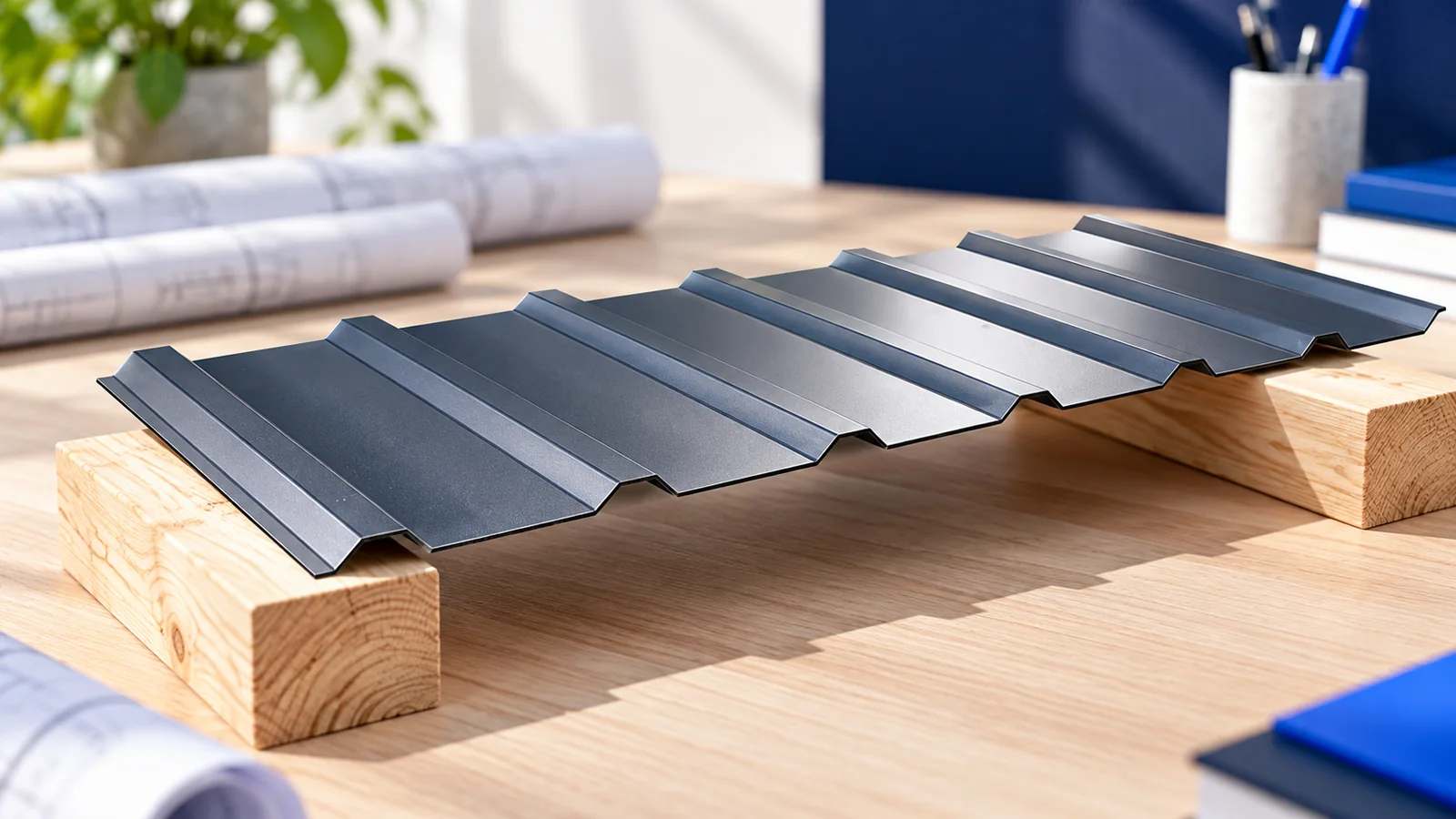
A roof batten must both support the covering and provide a place to fix it. Its section and spacing therefore depend on…
Correct installation of steel roof tiles depends on agreement between roof geometry, the prepared substructure and the specific profile's instructions. Cut-to-length sheets…
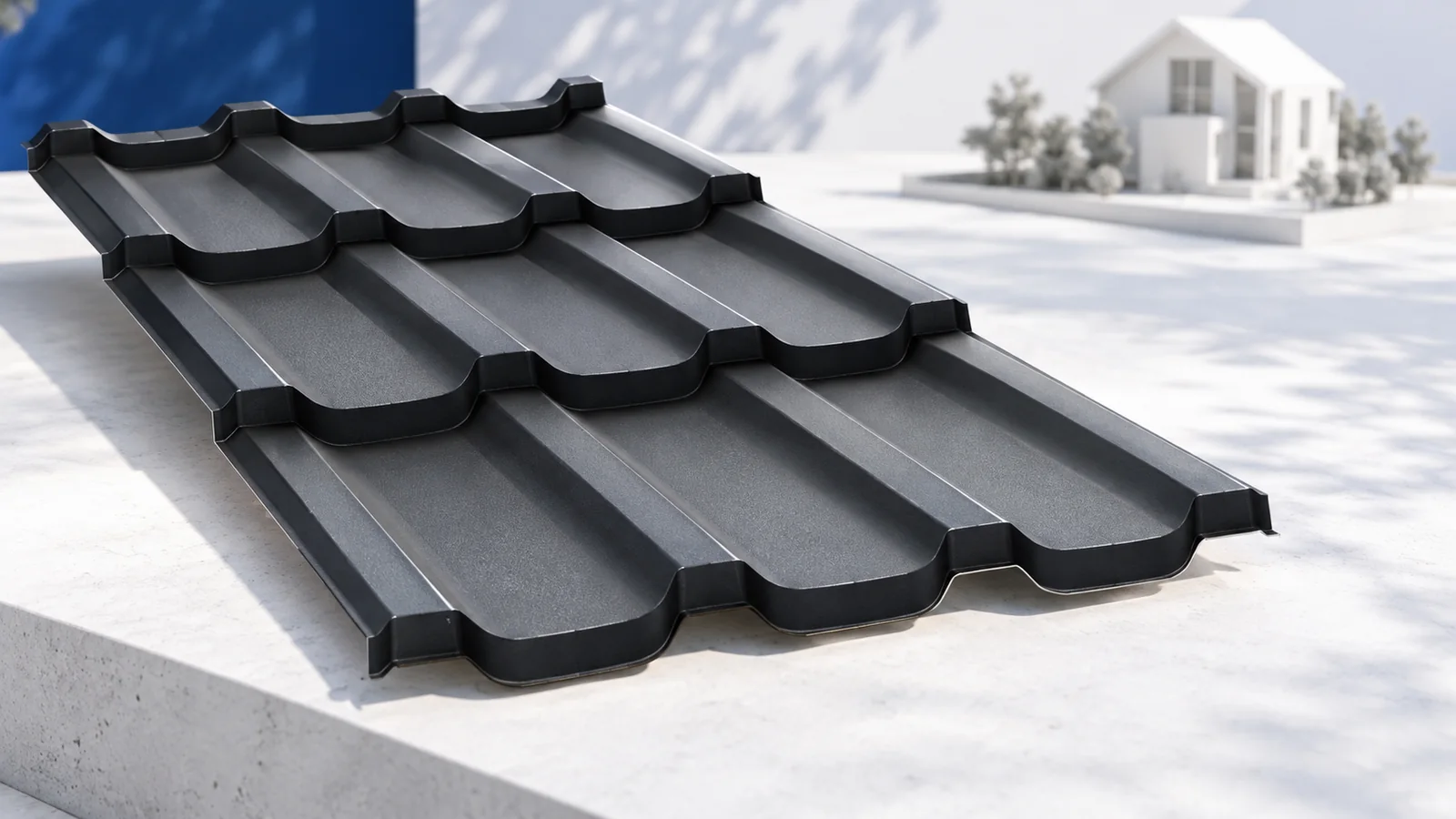
Modular tile-effect steel roofing uses smaller sheets that can help on restricted sites and roofs with many details. Start purchasing with effective…
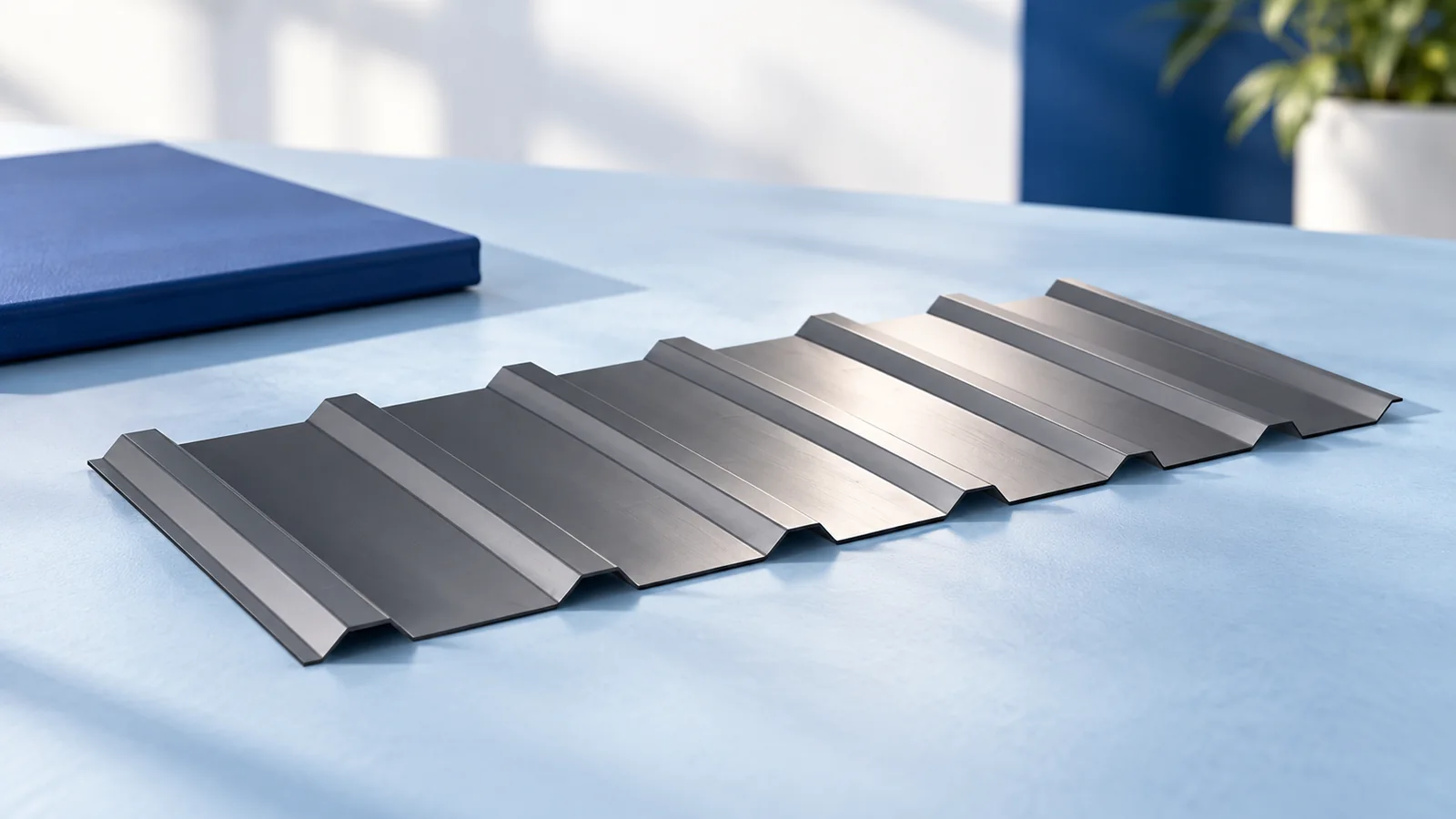
A mansard roof comprises connected slope sections with different inclinations. Success depends on more than the covering: rainwater, ventilation and insulation must…