






How can you protect a steel roof against corrosion?
Roof coverings
Protecting a steel roof against corrosion starts with choosing a coating for the site. Salt matters near the coast, while a livestock building also exposes the underside of the sheet to a distinct environment. After installation, inspect cut edges, fixings and places where water collects. Photograph any rust-coloured mark before cleaning it. A steel shaving left by the installer calls for different treatment from corrosion of the sheet itself. The source of the mark, the condition of the steel beneath it and the roofing manufacturer’s instructions determine whether to clean, touch up or replace the affected part.
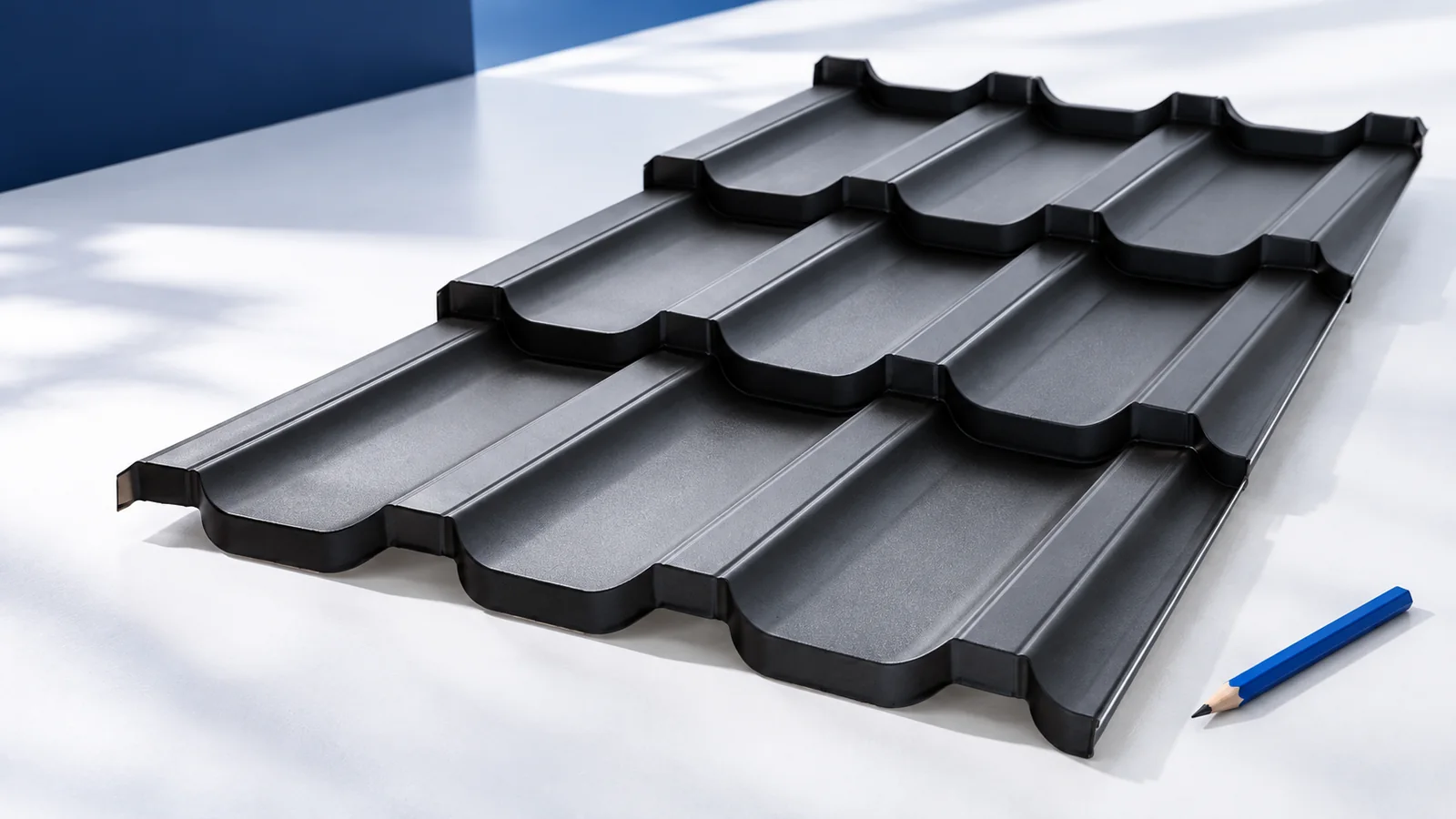
What protects the steel core?
A cross-section of coated roofing sheet shows a steel core, a metallic coating and an outer organic coating. The steel provides the sheet’s mechanical properties. Zinc or a zinc alloy protects the core against corrosion, while the organic layer shields the surface and gives it its finish.
Ask for both material data sheets when comparing quotations. Alongside core thickness, compare the type and mass of the metallic coating, the specified organic coating system and the environments the manufacturer allows. Two samples in the same RAL colour can differ on each of these points.
Where do early signs of trouble appear?
After rain it is easier to trace the water’s route. Leaves in a valley, deposits behind a chimney or a damp streak below a flashing show where to look more closely. If the mark starts at a sheet joint, ask the roofer to check the joint for leaks and inspect the layers at the lap.
At a fixing, inspect the washer and the coating around the hole. At a cut edge, check whether the mark starts at exposed steel. Scattered reddish spots across a slope may come from metal swarf. Remove the particles gently and inspect the surface underneath.
How can installers protect the coating?
Check the cutting method specified for the sheet and choose a cold-cutting tool approved by its manufacturer. An angle grinder can damage the protection along the edge through heat. Its stream of hot particles can also burn spots into an adjacent sheet well away from the cut.
Lift sheets individually when unloading, with support appropriate to their length. Sliding one sheet over another can scratch the finish. Keep supports and boot soles clean during installation, sweep away swarf with a soft brush and promptly remove fresh render or mortar using the coating manufacturer’s method.
When does a steel roof need cleaning?
Sheltered areas can retain deposits even when the exposed slope looks clean. Include areas under projections and around flashings in the inspection. Use the cleaning method, product and dilution recommended for the coating on that particular roof.
Use soft cleaning tools. Direct water down the slope to keep it out of laps. Start your inspection from a safe position at ground level. If cleaning requires access at height, engage a team with the appropriate access equipment and fall protection.
When is a local repair enough?
For an isolated scratch, consult the instructions to see whether treatment is needed and which product to use. Clean and prepare the substrate as directed before application. If a joint is leaking, the first repair is to stop water entering there.
Recurring corrosion, widespread peeling or rust on the underside merits a roofer’s assessment. This should include the routes by which moisture enters and the ventilation of the build-up. Before recoating, assess adhesion of the existing finish and compatibility with the new system. A damaged sheet may need replacing.
How does the site affect sheet selection?
Describe conditions on both sides of the sheet to the supplier. Include salt exposure near the coast, local pollutants near industrial sites and moisture and indoor conditions on farms. How long the surface stays wet also matters when choosing the roofing system.
Read the warranty clauses for perforation and changes in surface appearance separately. Check that the site falls within the covered environments and which inspections and maintenance work need recording. Each coverage period applies to a defined type of damage.
What belongs in a routine inspection?
Revisit the same points at each inspection. In addition to the coating and cut edges, check fixings, flashings and the drainage route down to the gutter. After a storm or work on an aerial or chimney, look for loose parts, metal shavings and fresh scratches.
Record the date, location, observed condition and repair in the maintenance log. A second photograph from the same viewpoint will help the roofer assess whether the damage has spread. If moisture returns at the same spot, show the earlier photographs before another coat of paint is applied.

Free quote
What to include in your enquiry
Tell us how you plan to use the material, the dimensions and the quantity you need. Include the thickness, grade or variant name, along with the delivery town or your preferred collection branch. For a specific product, add its name or a link to the product page. We will reply to the email address you provide to discuss availability and the terms of your order.

More from the building guide
Treat the wall plate as the connection between the roof and building, rather than simply a block beneath the rafters. The timber,…
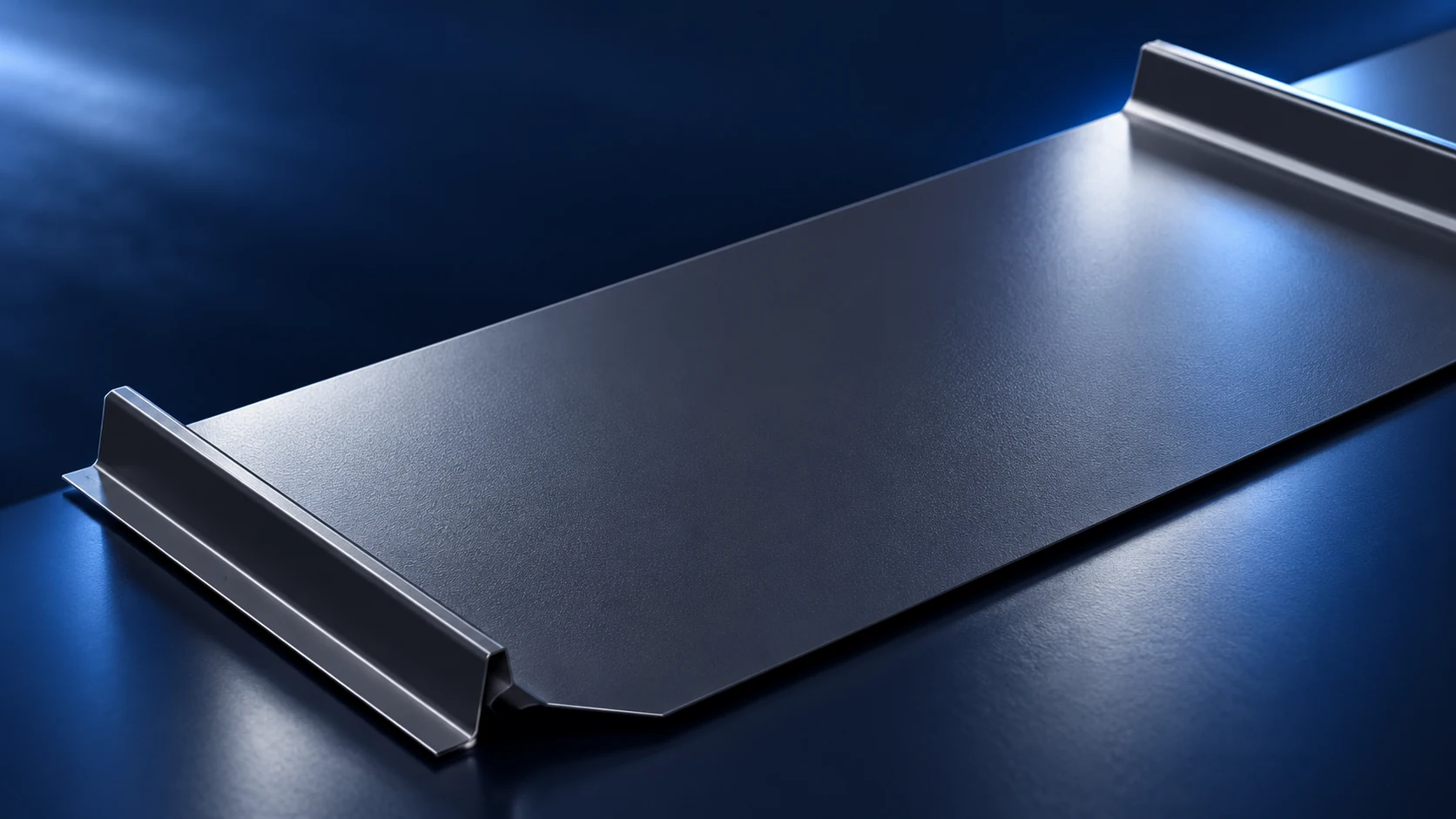
Standing-seam roofing joins neighbouring metal strips along raised longitudinal edges above the flat part of the covering. The seams may be folded…
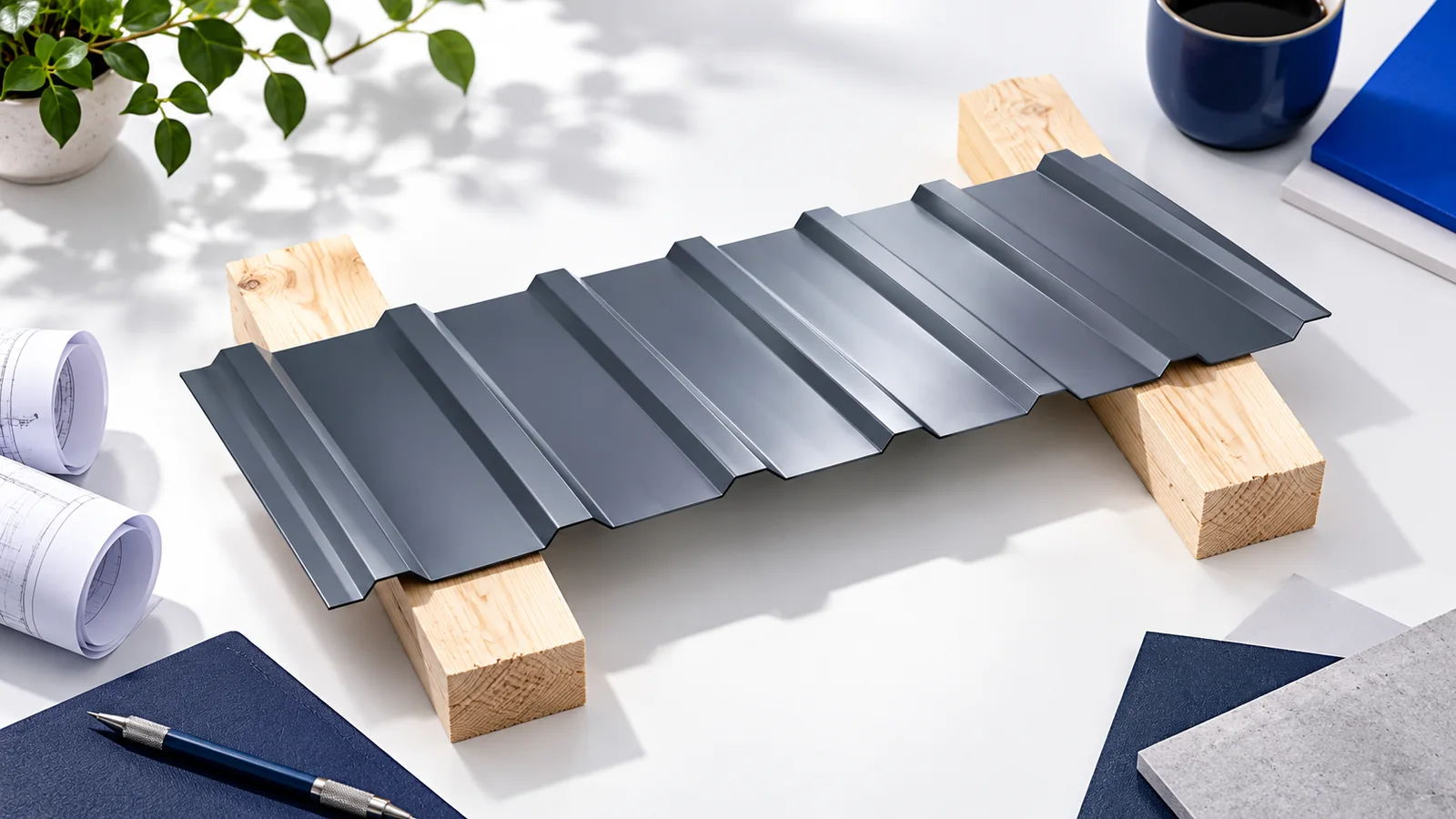
A roof can be understood as two cooperating systems: a load path and a drainage path. Rafters, wall plates, purlins and connections…
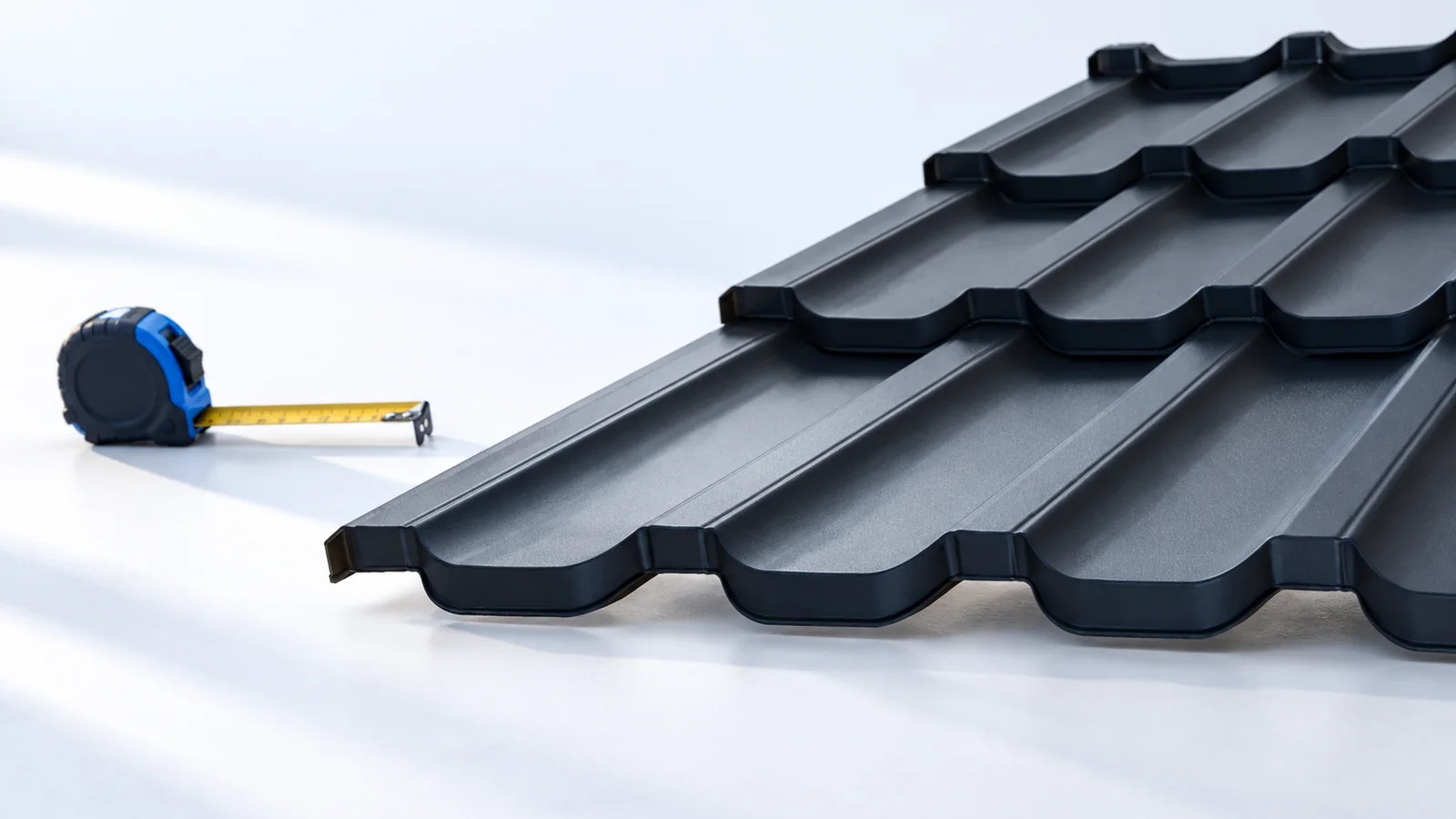
Choosing between clay tiles and metal roof tiles should combine structural suitability, roof shape and attic requirements. Metal roofing is usually lighter,…
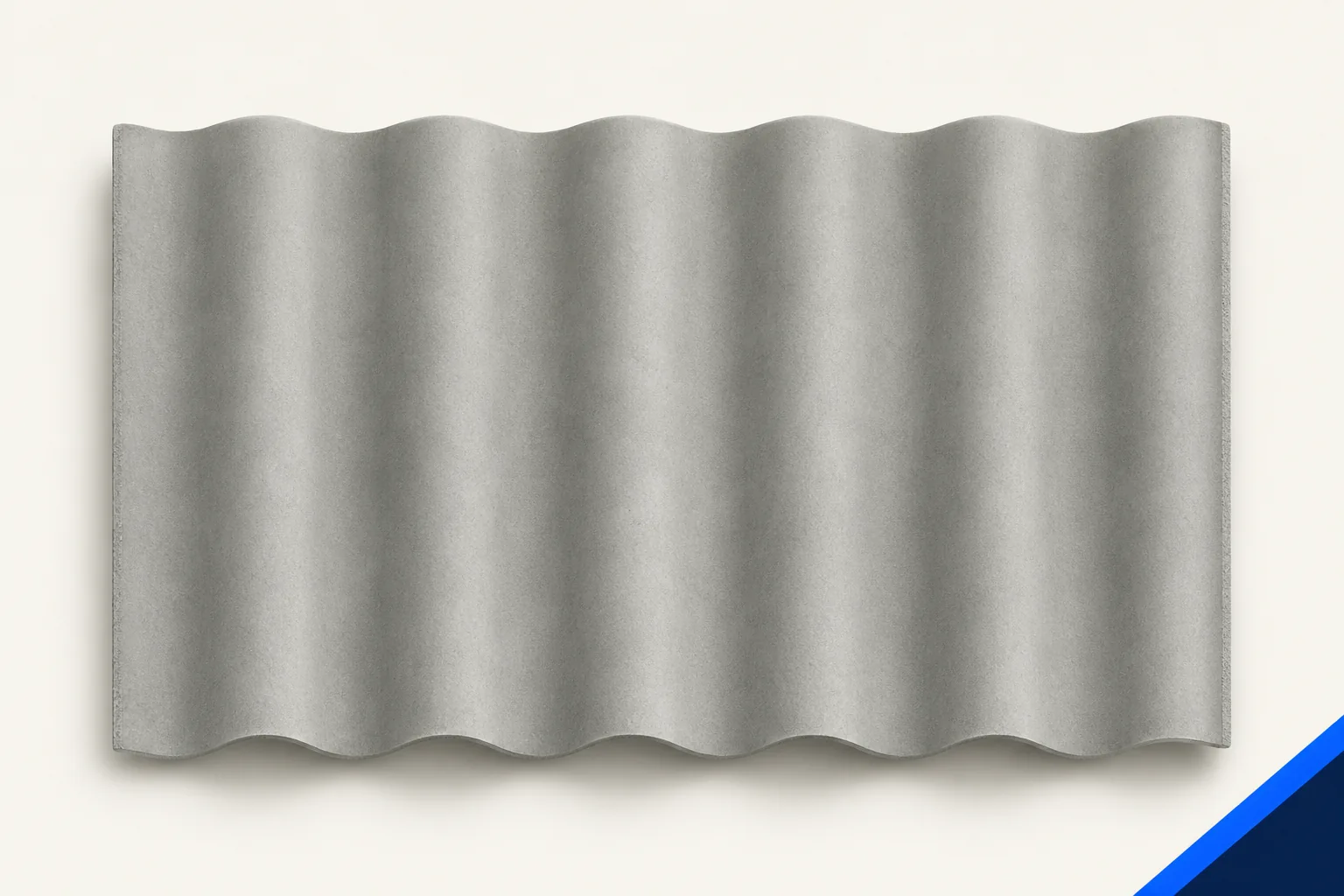
Corrugated fibre cement can cover a garage if the structure, pitch and intended use suit the system. A small roof still needs…
A hipped roof over a rectangular house usually has two trapezoidal and two triangular slopes joined by a ridge and hips. The…
Chimney flashing must return water to the roof covering while accommodating movement between the roof and chimney. A strip of sheet metal…
Read the rise and horizontal run on the roof section. If the second support is 5 cm higher over a horizontal metre,…