






How to document and prevent problems with metal roofing sheets
Renovation and maintenance
When a roofing sheet shows a scratch, brown staining or signs of a leak, start by recording the location and date. On delivery, photograph the pack label and visible damage before unpacking. On a finished roof, mark the sheet’s position relative to the eaves, chimney or verge. Knowing whether the symptom appeared before installation, after cutting or only after particular weather helps an inspector decide what to examine. Compare the record with the product instructions. Discuss a visible defect with the supplier before installing the affected sheet and keep the surface accessible for inspection.
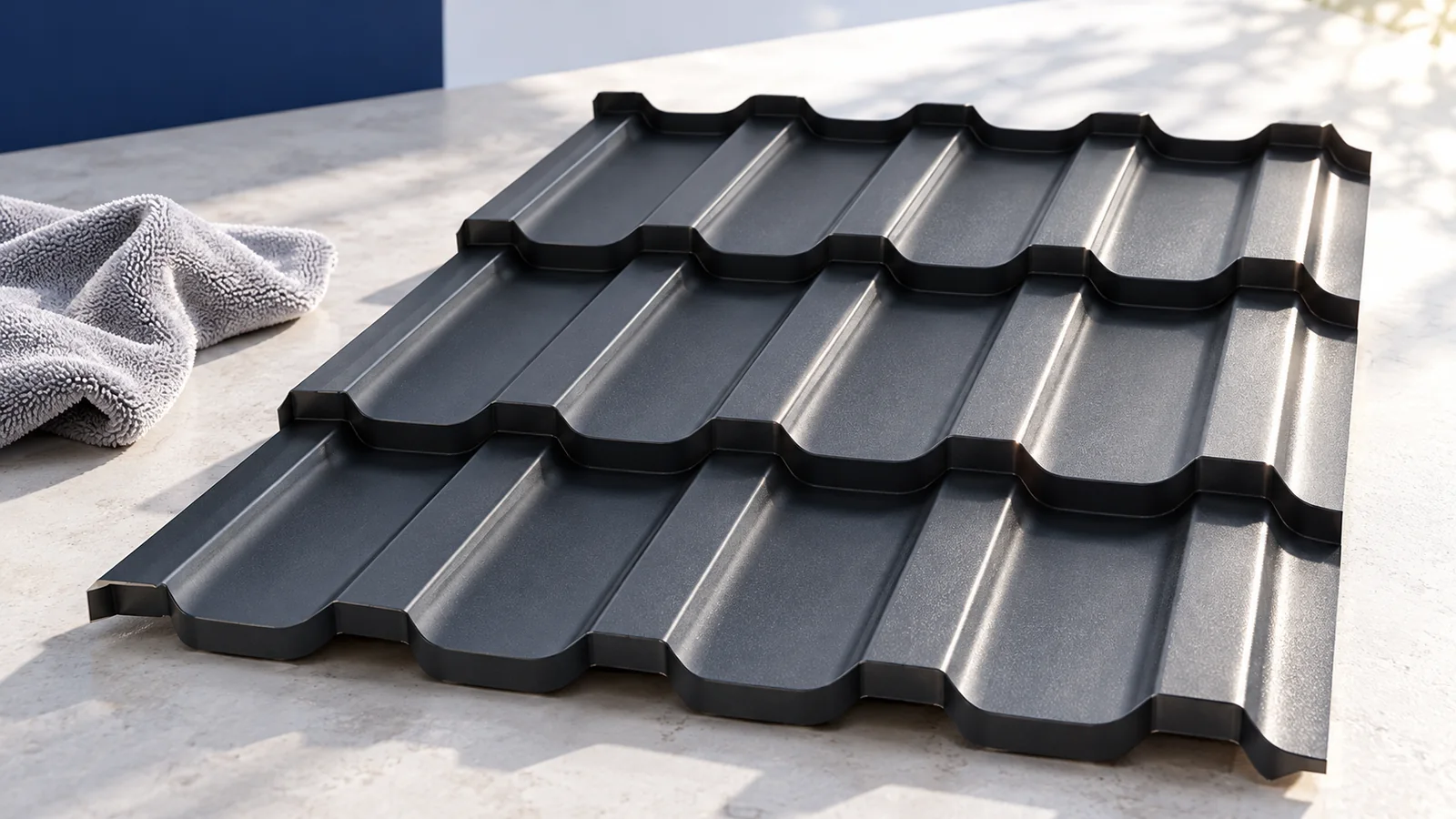
What should be recorded when sheets arrive?
Match the pack reference, quantity, lengths, profile, steel core, colour and coating reference with the order. Photograph a crushed corner together with the packaging and, after safe unpacking, show which sheets are affected.
Lift sheets during inspection to avoid new scuff marks. Note discrepancies on the delivery record and send the supplier the batch reference. Describe what was actually visible on arrival so the cause can be investigated.
What storage conditions can affect a coating?
Record where and when the pack was unloaded. Water between closely packed sheets can remain trapped even when the top looks dry. If a pack gets wet, follow the product-specific instructions for separating and drying its contents.
Check that pack supports are level and spaced as instructed. A long sheet can take a permanent bend. Check the protective film removal deadline and avoid sun exposure outside the manufacturer’s storage conditions.
What can cause scratches and brown spots?
Compare linear marks with the direction sheets were moved during unloading. Specks near drilled holes can come from rusting swarf. An inspection should establish whether the staining lies on the finish or the damage extends into the steel core.
Photograph the surface both close up and from a little further away before cleaning. Keep the coating reference and an offcut if available. Agree the cleaner or touch-up treatment with the supplier, as sanding may remove evidence needed for inspection.
How should a roof leak be traced?
For dripping inside a loft, record whether it rained, the wind direction and where damp first appeared. Water can travel along the structure from a flashing or fastener. Droplets on a dry morning can also result from condensation.
Have the roofer compare pitch, sheet support, laps and washer seating with the product instructions. Record both the sheet condition and the joint condition so the inspector can identify which component needs further examination.
What information helps the supplier assess a claim?
Link the order number, delivery date and batch label to a roof sketch. Identify the first symptom and the number of affected sheets. Label each photograph with its location so an inspector can find the same spot on site.
Include the fastener references, installer and subsequent repairs. Document urgent protective measures with photographs. Identify whether the issue concerns supply, a product warranty or roofing work so the relevant party can inspect it.
How do you prevent repeat problems on the next roof?
Before delivery, agree who checks the material against the order, who unloads it and where it will be stored. Give the roofer the instructions for the specific profile. Resolving discrepancies before sheets are lifted onto the roof leaves time to correct the delivery.
At handover, check removal of swarf and film and make sure the drainage path is clear. Keep the instructions and photographs of fixed components. At the next inspection, these records help distinguish a change at an old repair from an issue in a new location.

Free quote
What to include in your enquiry
Tell us how you plan to use the material, the dimensions and the quantity you need. Include the thickness, grade or variant name, along with the delivery town or your preferred collection branch. For a specific product, add its name or a link to the product page. We will reply to the email address you provide to discuss availability and the terms of your order.

More from the building guide
A roof batten must both support the covering and provide a place to fix it. Its section and spacing therefore depend on…
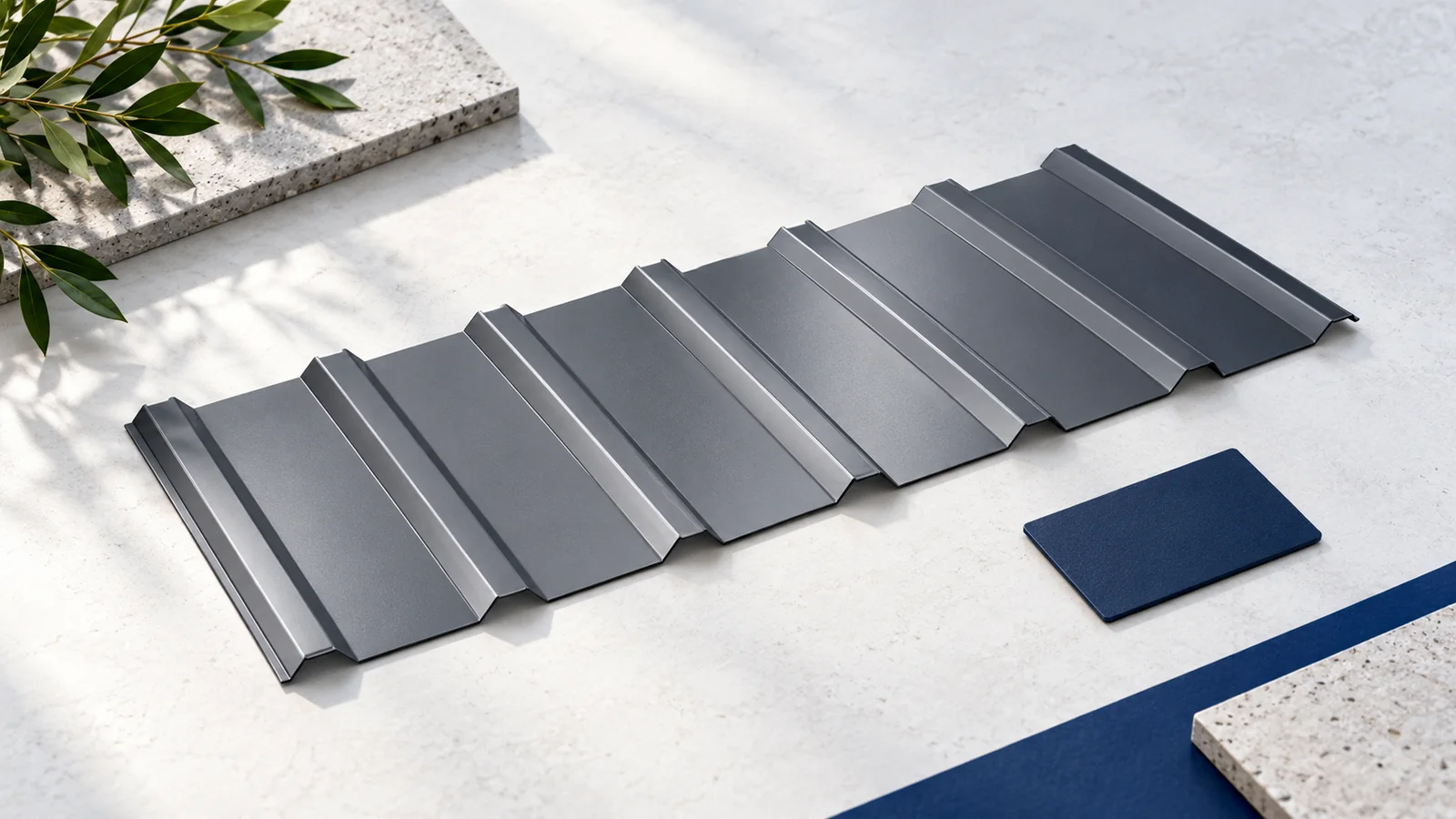
A multi-pitched roof can bring different parts of a house together, but each slope and junction needs assessment. Covering selection depends on…
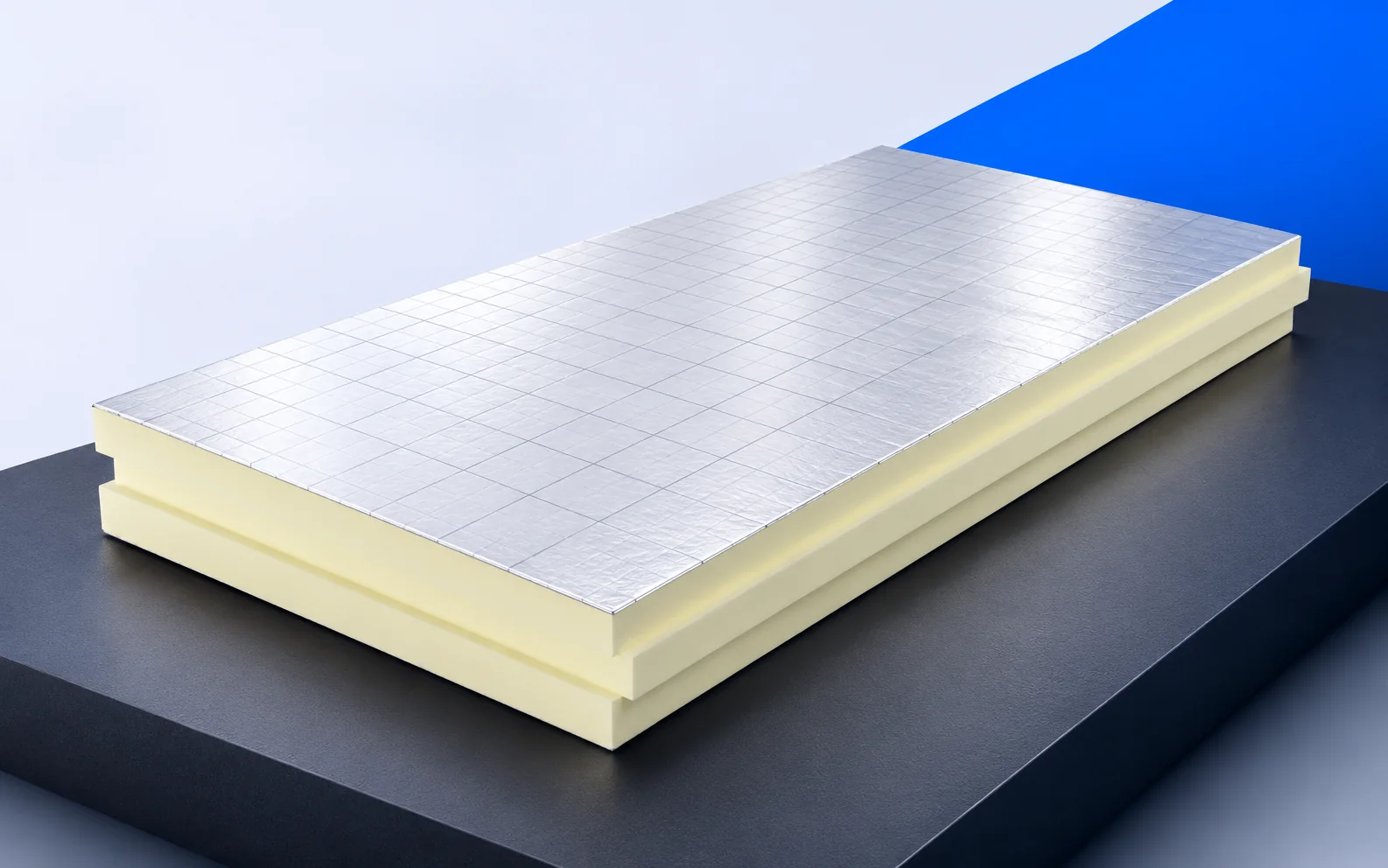
A flat roof needs a continuous thermal layer, a watertight covering and a route to the outlets. Specify the waterproofing before buying…
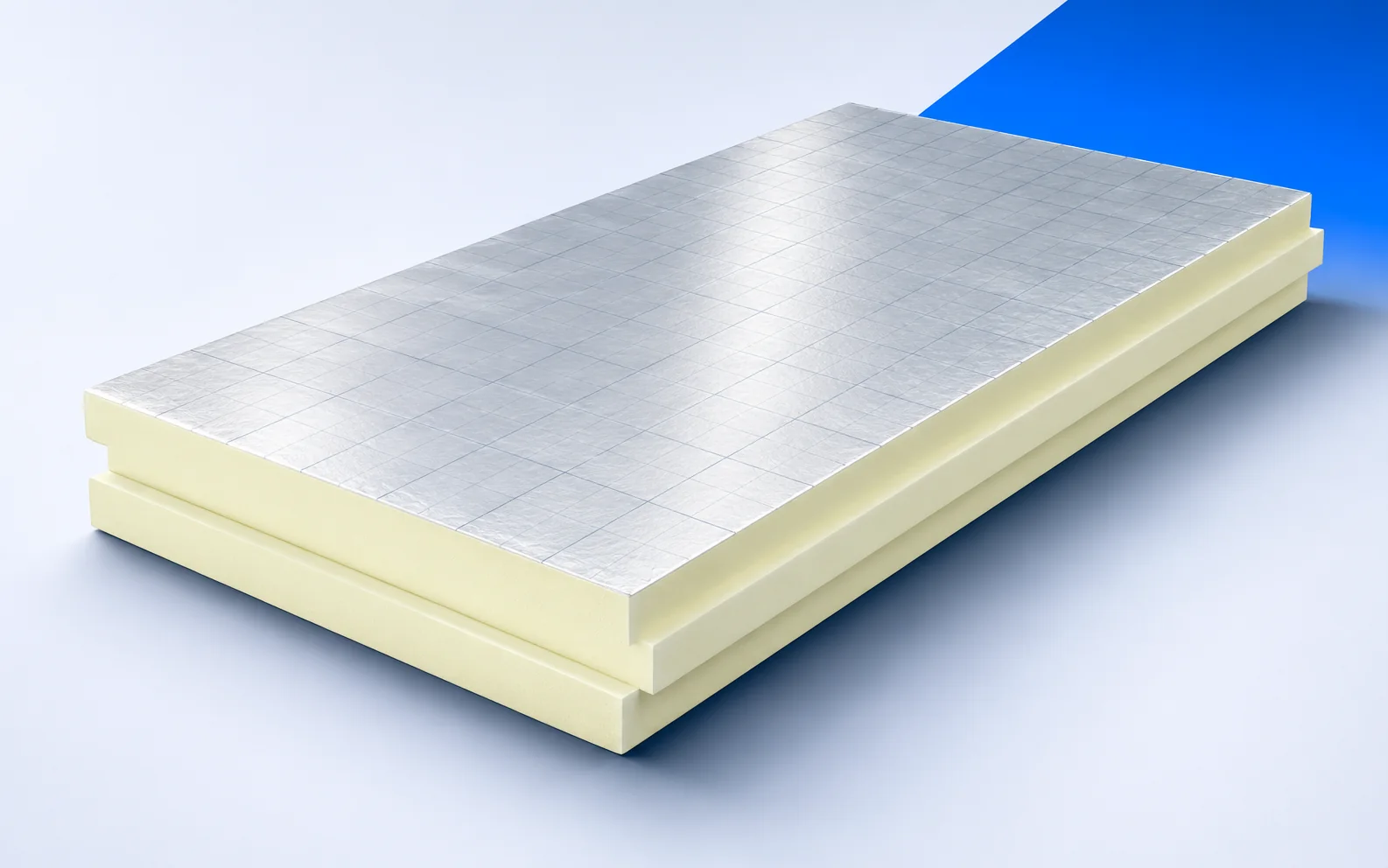
PIR boards above the rafters insulate a pitched roof without using up more loft space. Before work begins, agree on the finished…
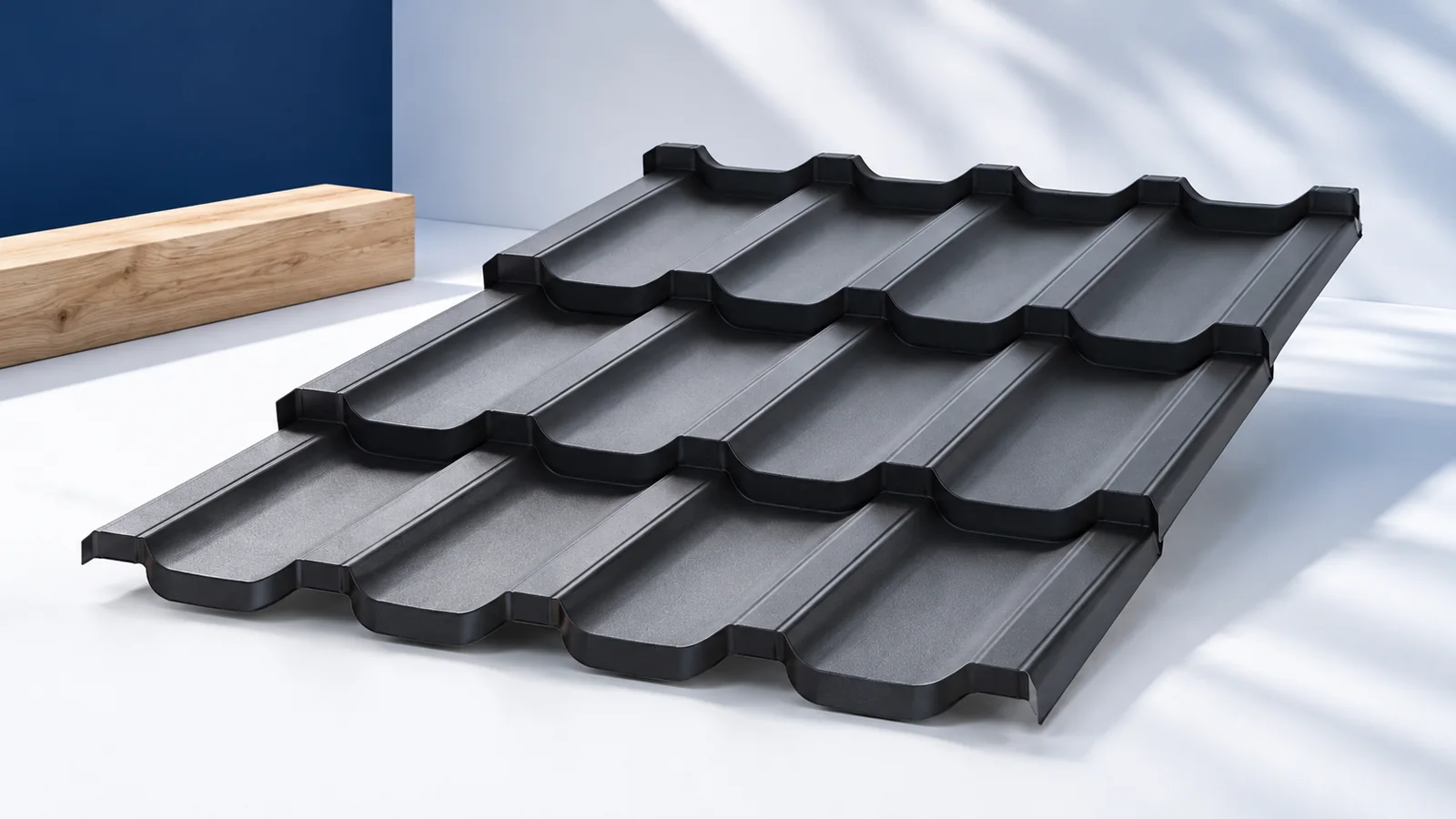
A terrace roof should suit how the space will be used, not merely match the house colour. First establish the required shelter,…
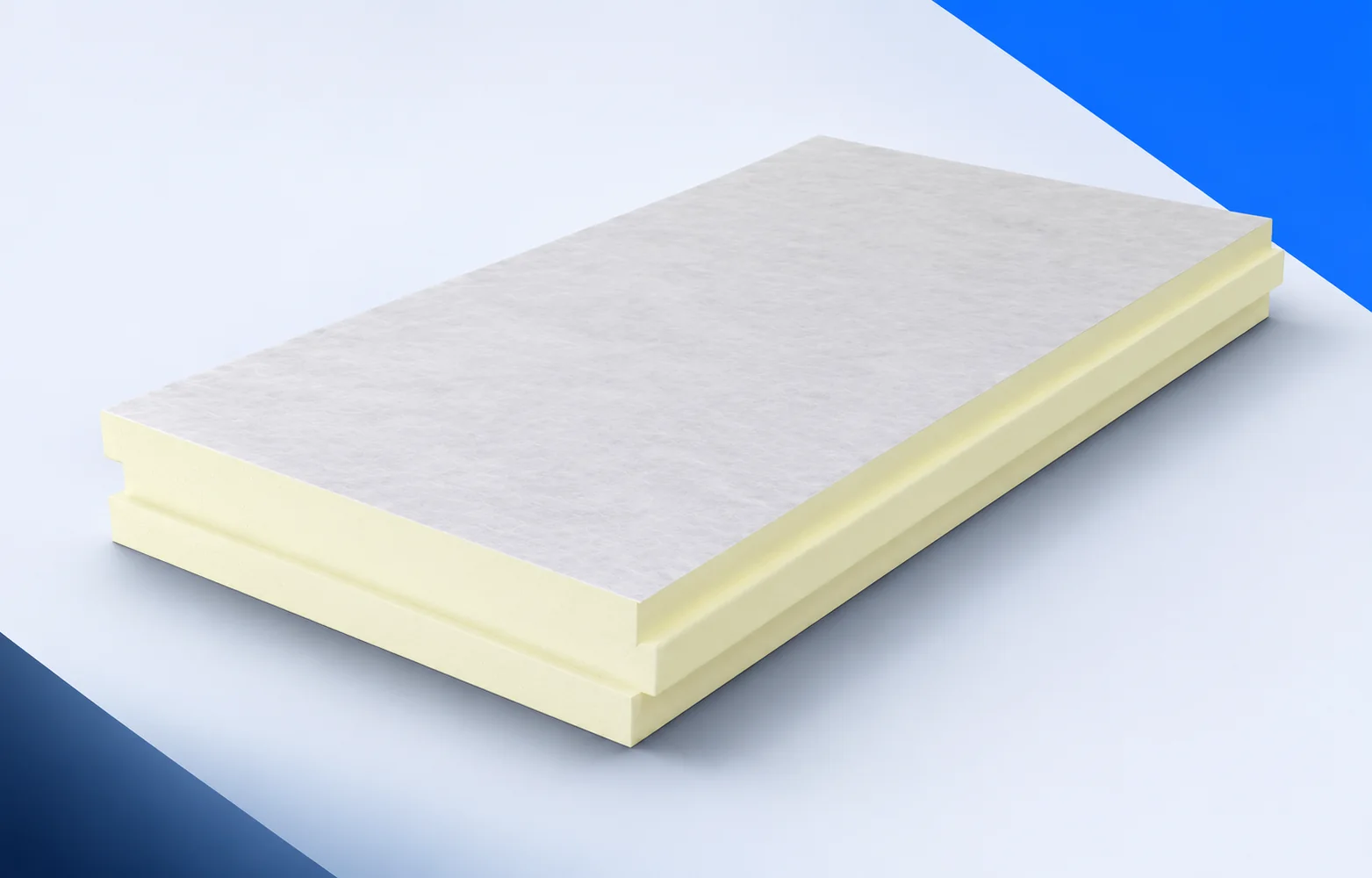
Choose termPIR WS together with the waterproofing and fixing method for the flat roof. The rigid PIR core is faced on both…
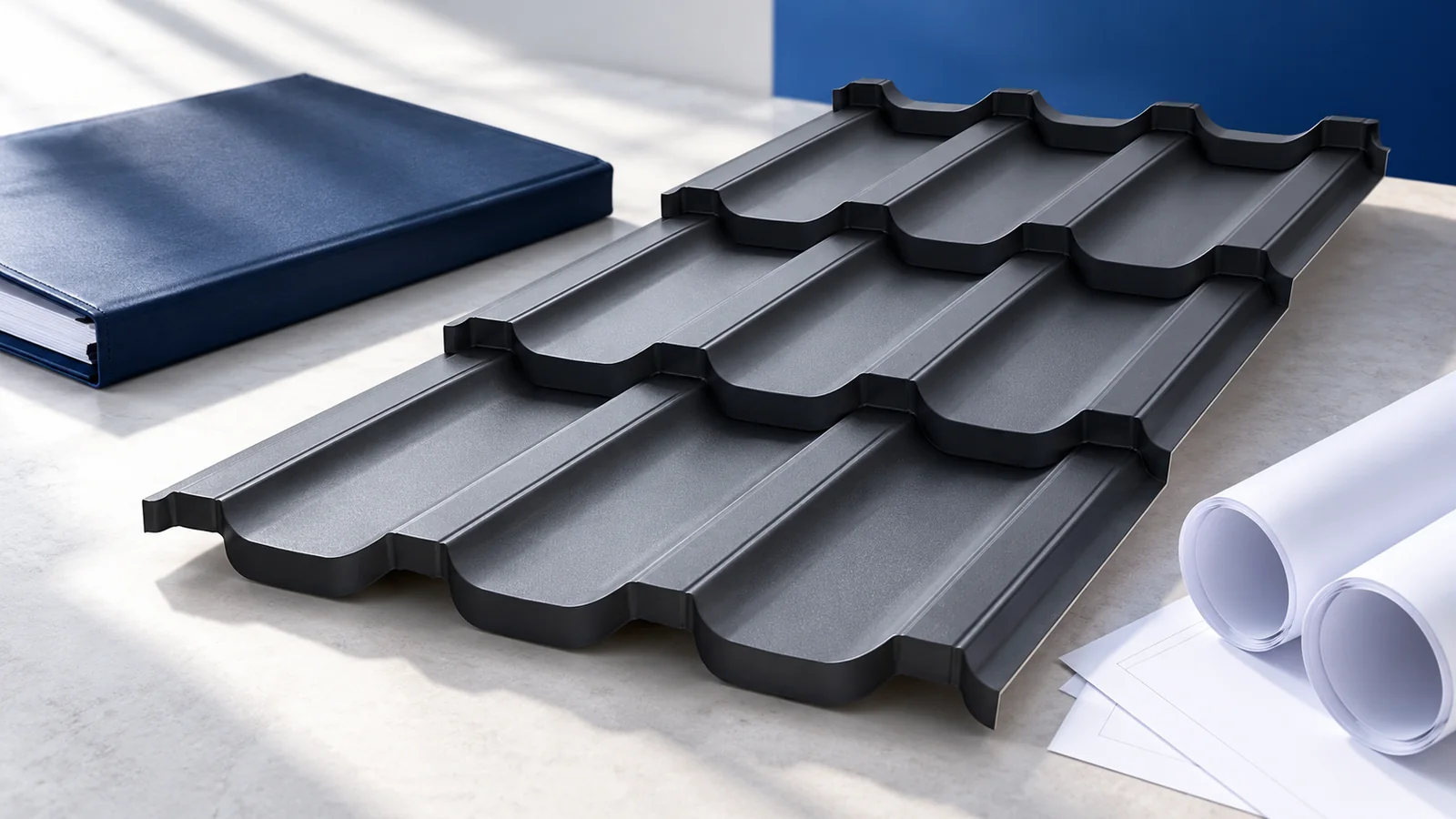
For a roofing quote in Poland, first establish what you are buying: a pack of sheets or a completed renovation. A domestic…
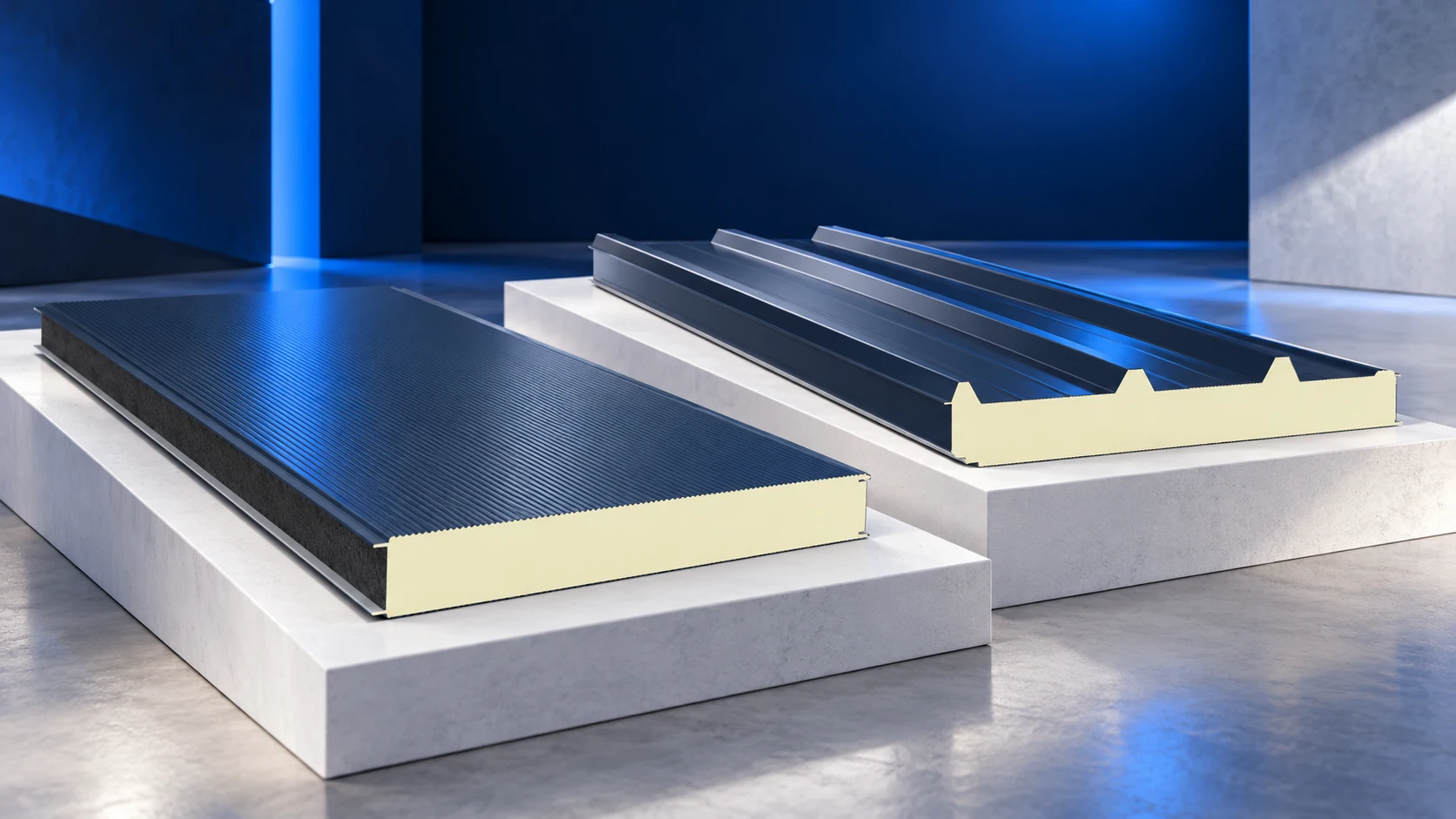
Choose sandwich panels according to the function of the building enclosure. Roofs, façades and cold stores need different solutions, even when the…