






Z, C, sigma or top hat? Identifying cold-formed steel sections
Steel sections and structures
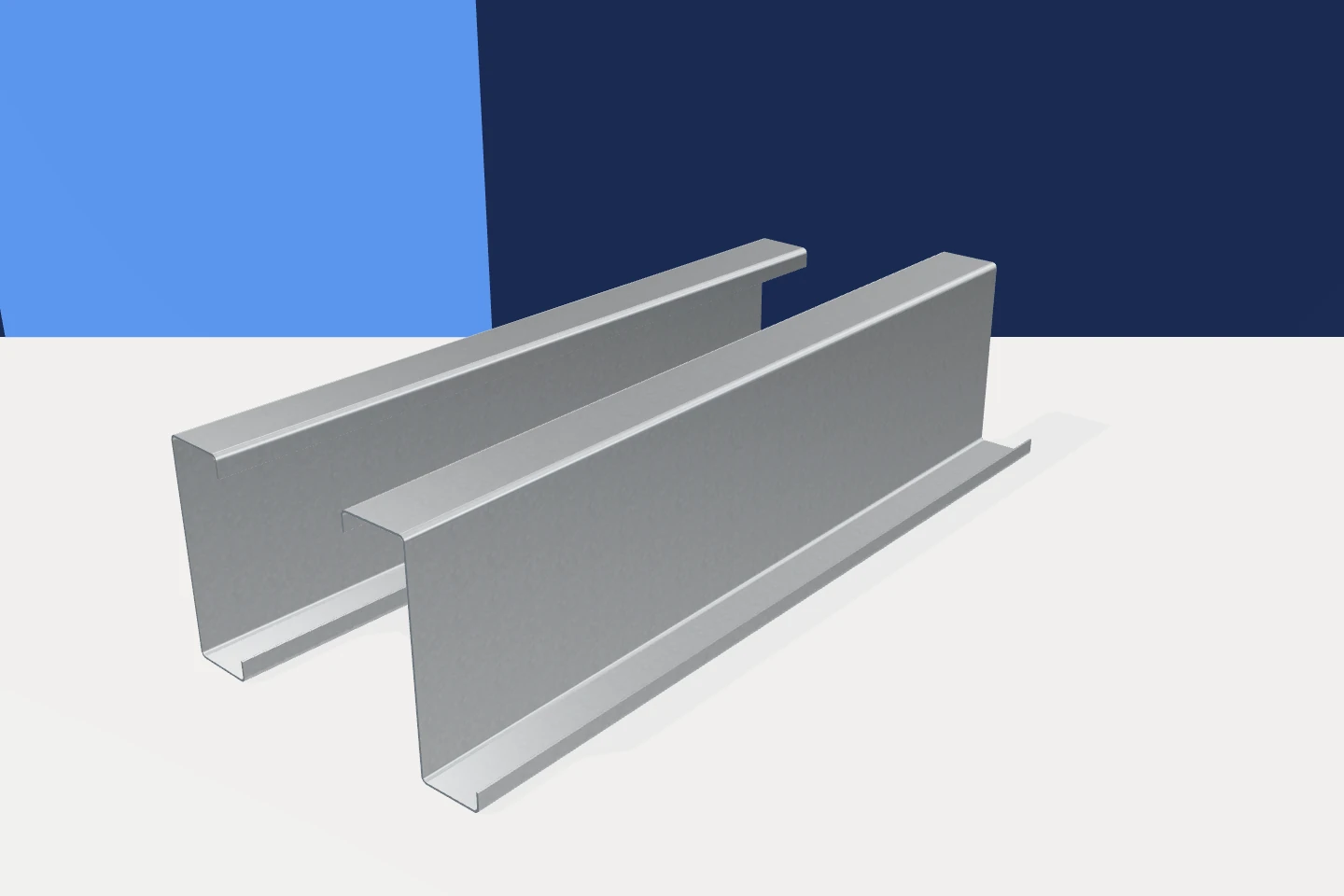
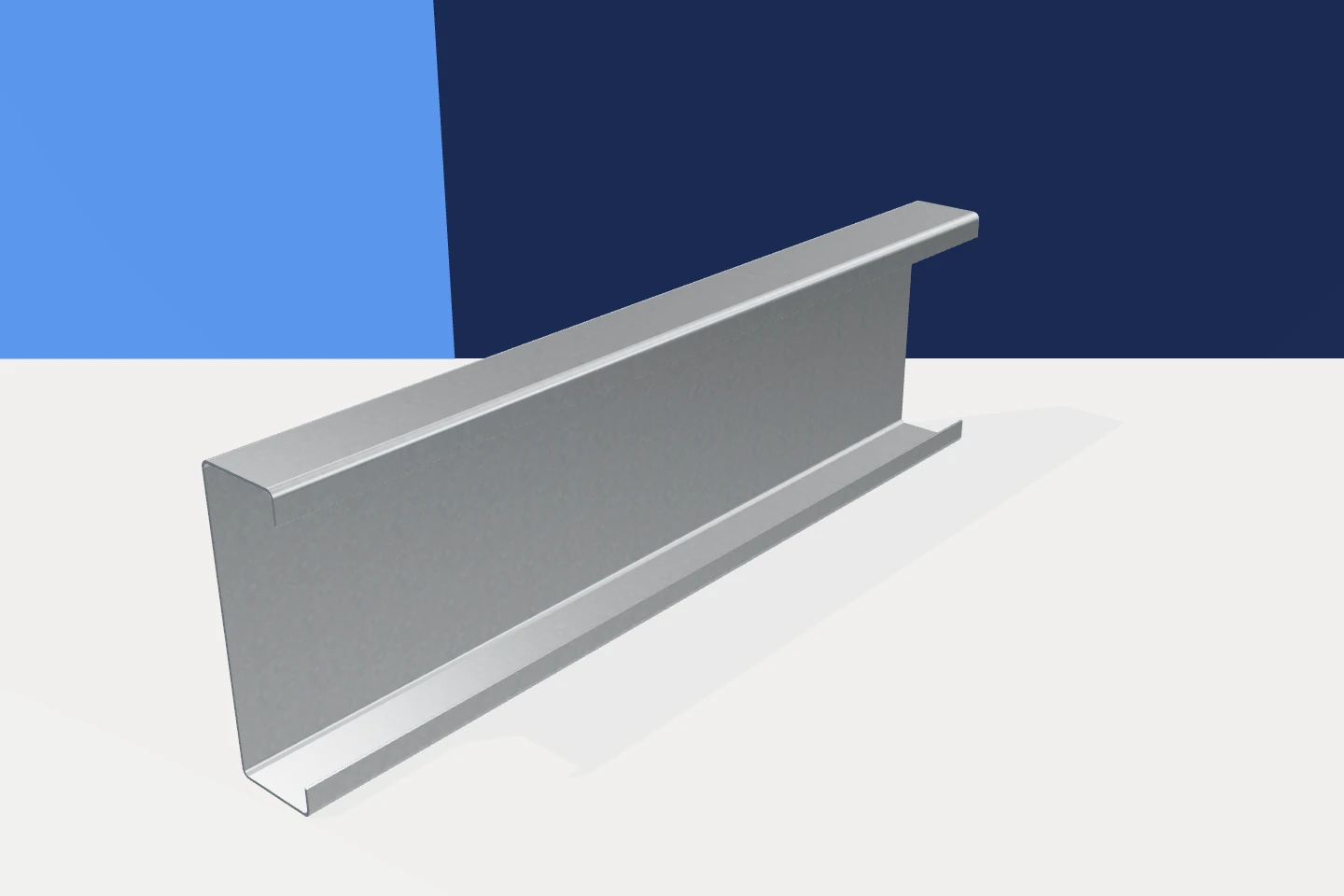
Look at the cut end to identify a cold-formed section. A Z has flanges facing in opposite directions; a C has both flanges on the same side of the web. A sigma has extra folds in its web, and a top hat, also called an omega section, has a raised centre and two feet. These shapes are formed from strip or sheet without the heating used in hot rolling. They are open sections, so you can trace the metal from edge to edge. The shape helps identify a product, but dimensions, material, supports and connections determine whether it suits the job.
What does cold-formed mean?
A C-shaped member is not necessarily a cold-formed structural channel. Hot-rolled channels and lightweight sections for other uses are sold too. Materials, thicknesses and documentation differ. For a loadbearing member, use the product specified by the designer, not one that resembles the same letter.
Section dimensions describe the cross-section; member length is a separate order dimension. A quotation for a “200 mm section” usually refers to its depth, not to the length delivered.
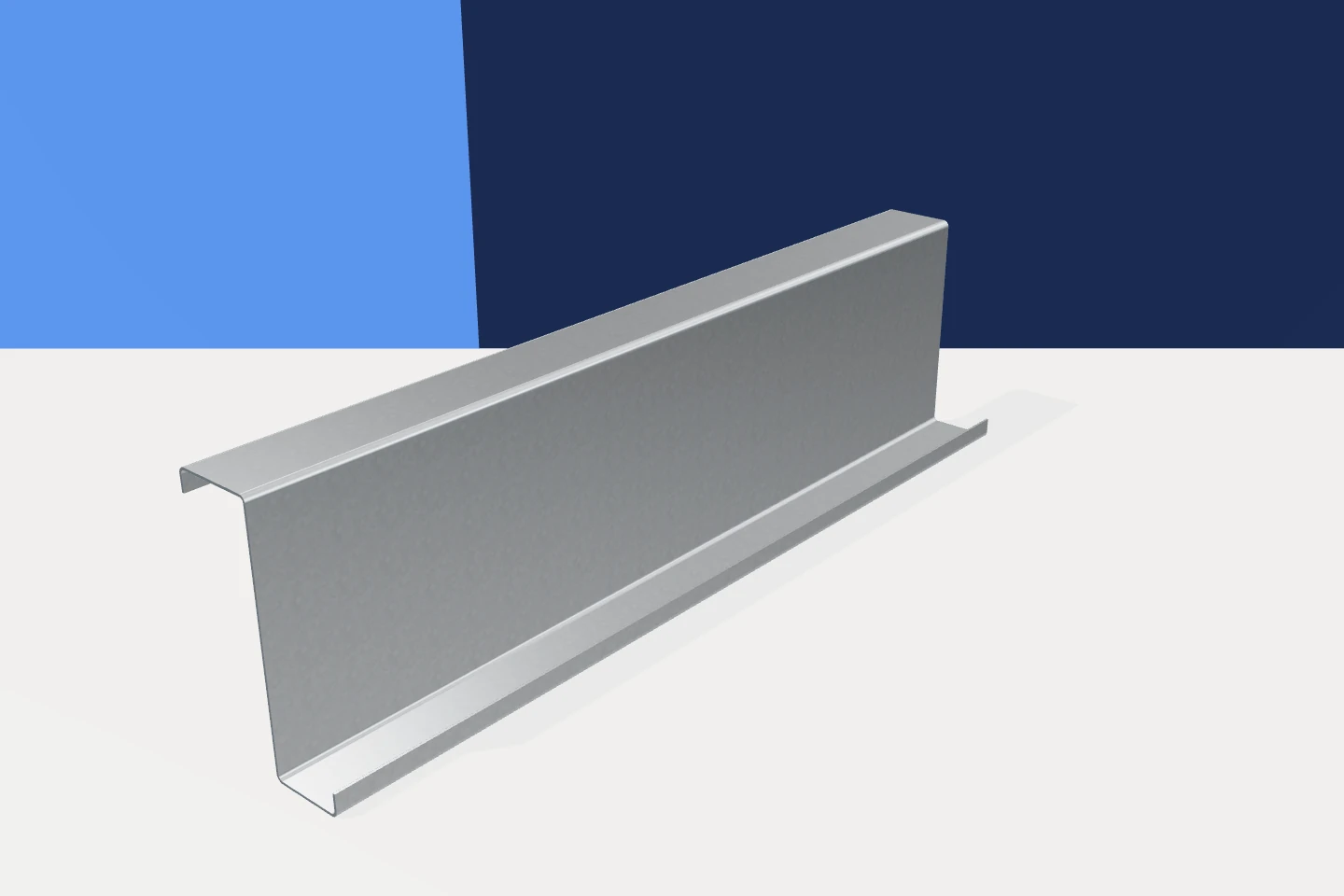
Z-section flanges face opposite ways
The upper and lower flanges extend from opposite sides of the web. Their edges may be lipped and the flanges are often unequal in width. In a compatible system this geometry allows sections to lap over a support. It does not mean any two Z-sections will nest correctly.
Z-sections often act as roof purlins spanning between the main frames and transferring loads from the covering. Depth and thickness follow from the design: frame and purlin spacing, snow and wind loads say more about the requirement than the appearance of a substantial beam.
Where C-sections fit
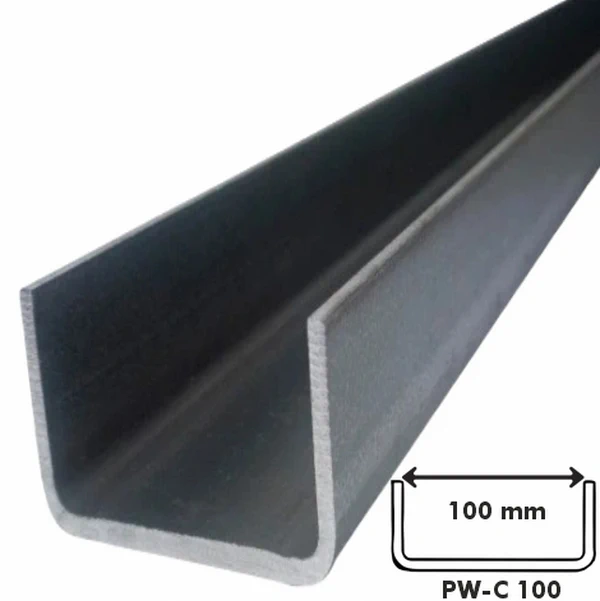
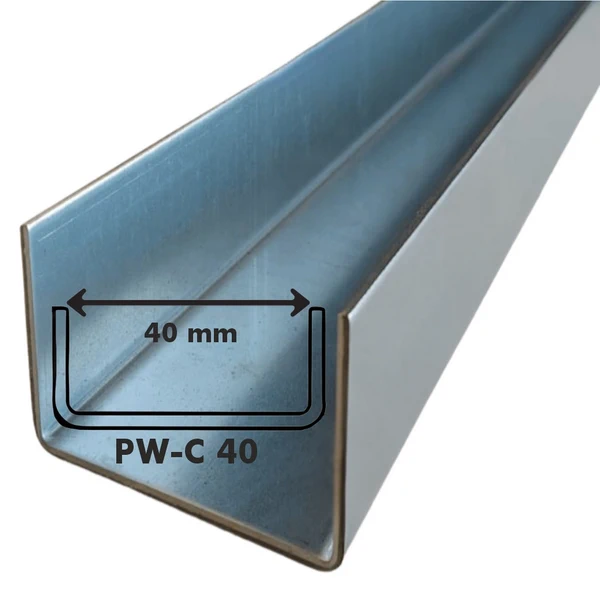
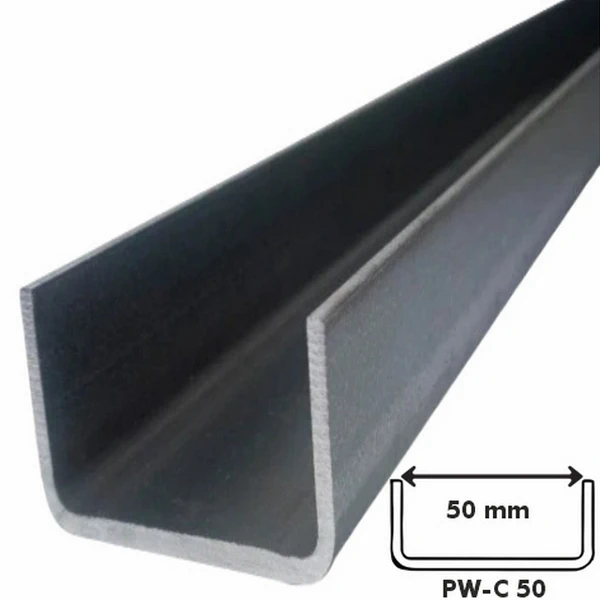
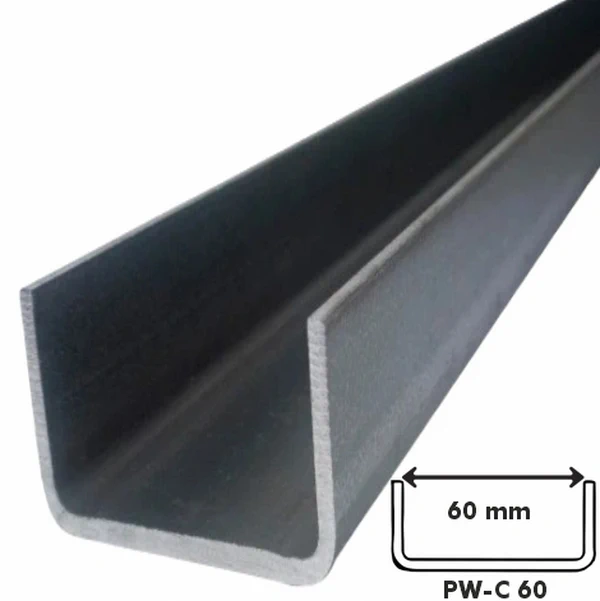
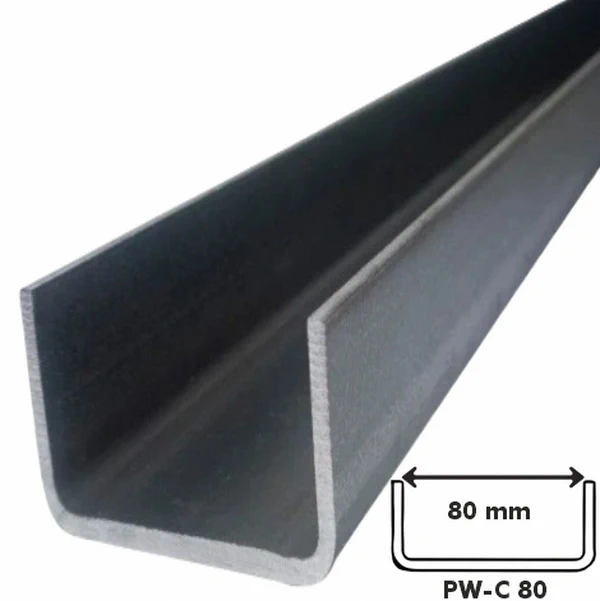
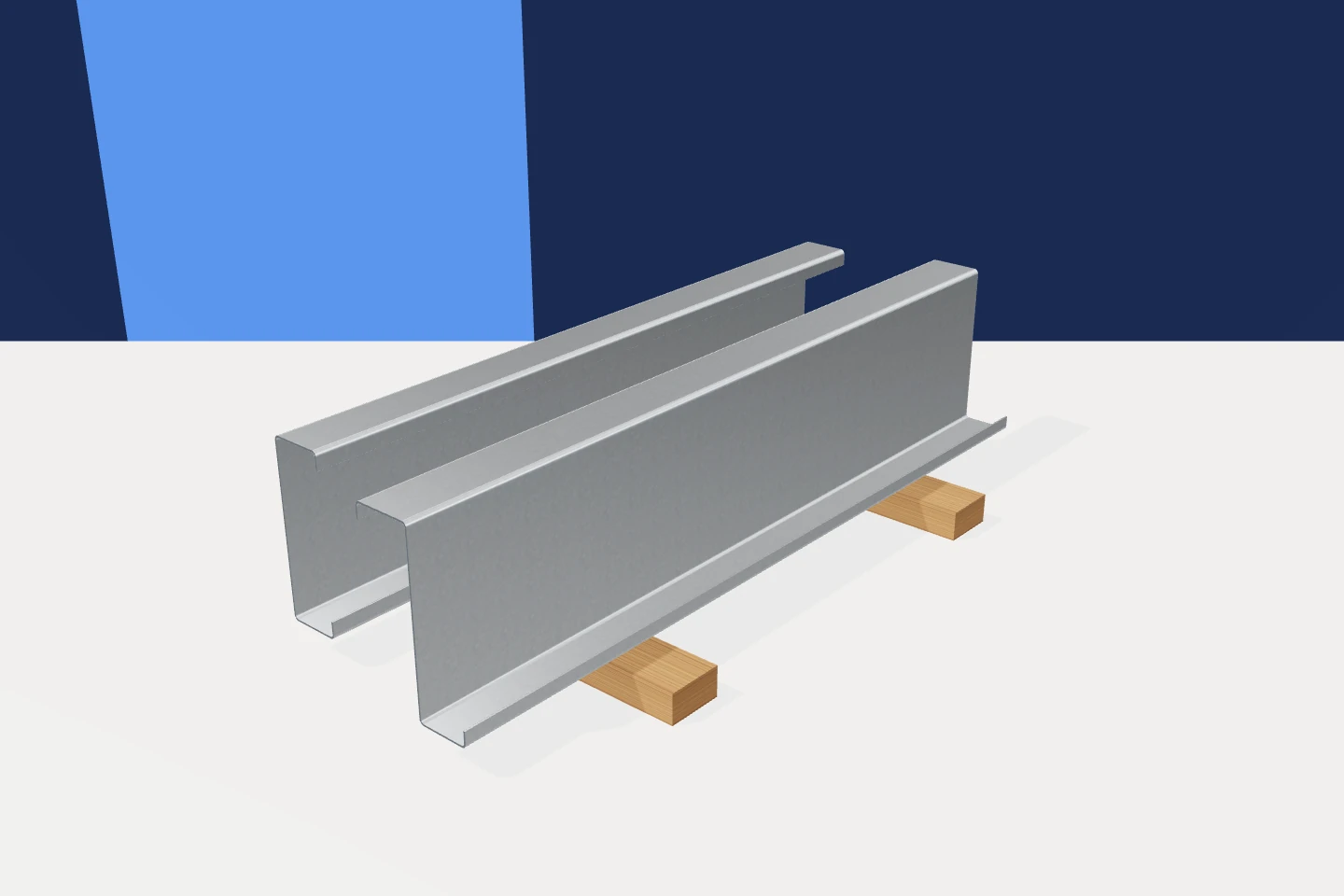
Both C-section flanges point the same way. Structural cold-formed channels often have lips turned in at their edges. These are part of the designed cross-section. Cutting one off to resolve a clash changes the section used in the calculations.
Channels can serve as wall rails, opening frames or beams. They support wall cladding and can frame the edges of a doorway. The open side provides access for many connections, but orientation matters: rotating the channel may change its behaviour and the way cladding attaches.

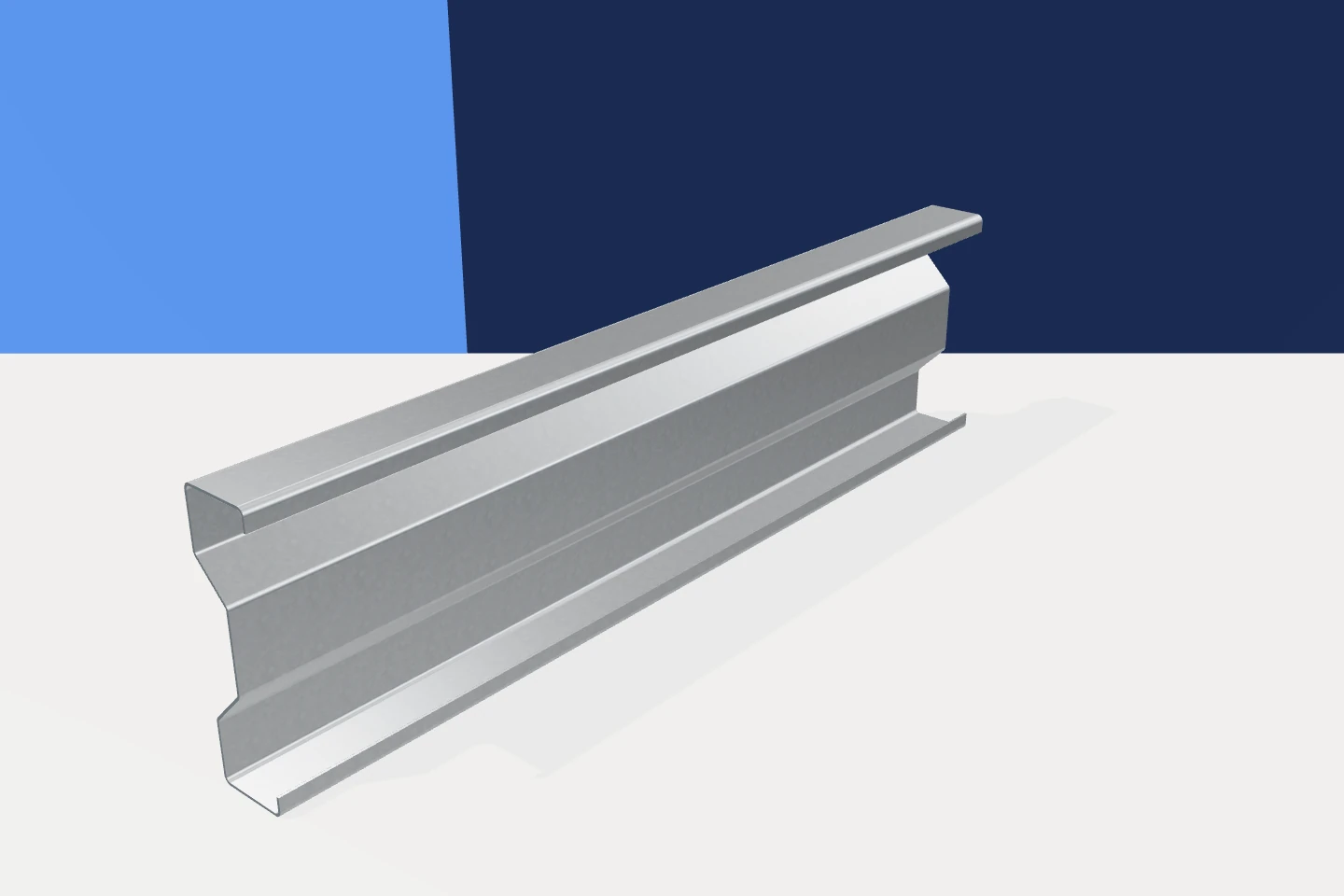
A sigma section has a folded web
A sigma differs from a plain channel in the extra folds in its web. They change the web geometry and its behaviour under load. Many versions also have lipped flanges. Consult the section drawing rather than picturing a literal letter S.
More folds do not automatically make a sigma better than a Z or C. Compare depth, thickness, steel grade and support conditions for the actual duty. A proposed substitution requires a check of section properties and connections, not a count of the bends.
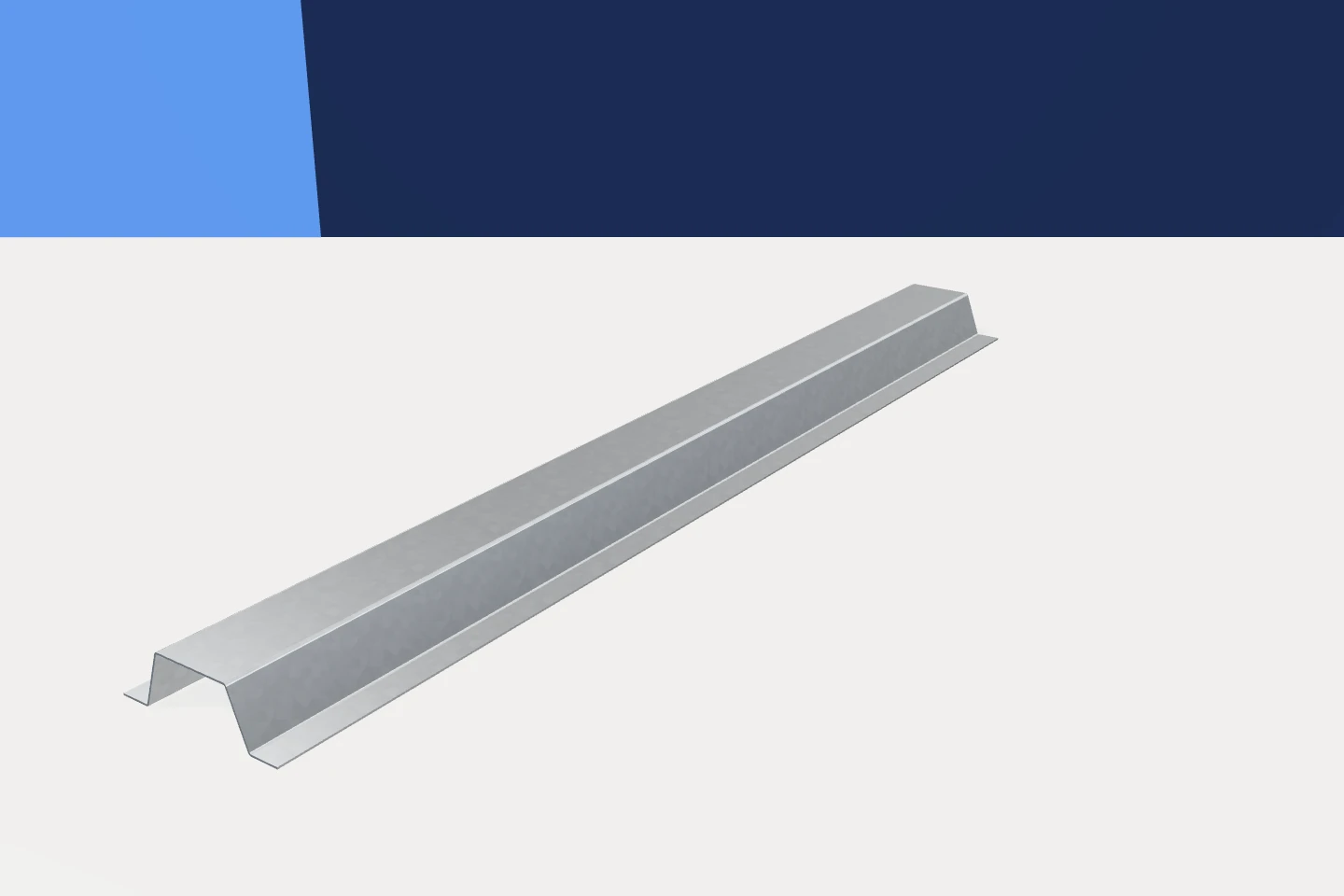
A top hat has a raised crown and two feet
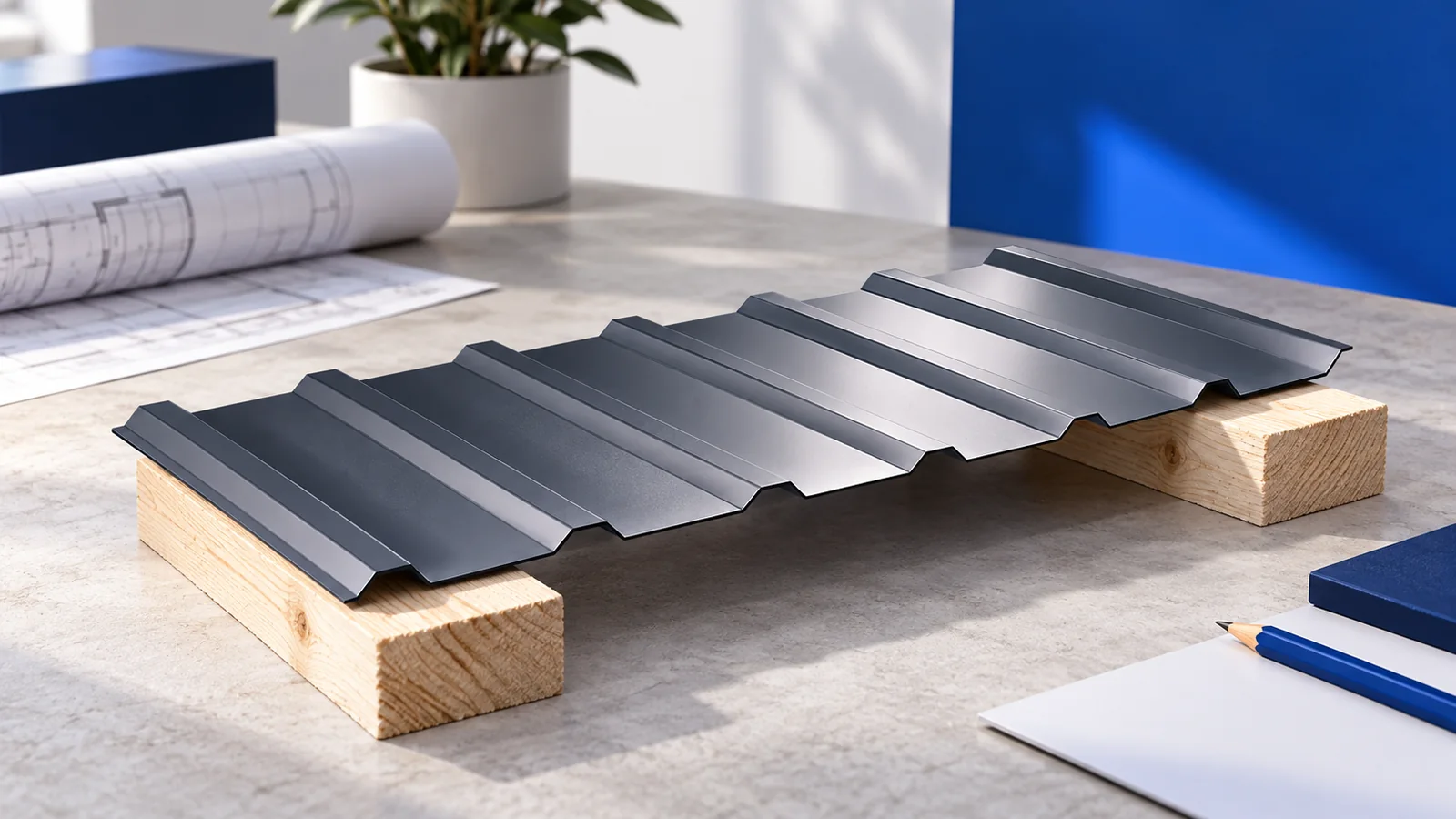
An omega or top-hat section has a raised centre and a foot on either side. Some versions also have returned outer edges. It can act as a batten or rail for a specified covering. Give the width of the top fixing face as well as the height: the covering often fastens to that face.
A shallow top hat used as a cladding rail has a different job from a deep roof purlin. Price per metre does not make them substitutes. Cold-formed sections are a family of products, not a single load-rated system. Check the design load, support spacing, attachment and requirements of the outer covering.
What to check in a quotation and on delivery
Request a dimensioned section drawing, thickness, steel grade, coating designation and cut length. Specify hole positions where required. Similar-looking galvanised sections need not have the same protection. Zinc and other metallic coatings have distinct designations and must suit the exposure.
At delivery, check markings, quantities and damage. Avoid leaving wet steel trapped in a tightly stacked bundle. Inspection is easier before erection, when the members are still accessible. Recognising the four shapes helps you order the specified parts and spot discrepancies without trying to redesign the frame on site.

Free quote
What to include in your enquiry
Tell us how you plan to use the material, the dimensions and the quantity you need. Include the thickness, grade or variant name, along with the delivery town or your preferred collection branch. For a specific product, add its name or a link to the product page. We will reply to the email address you provide to discuss availability and the terms of your order.
More from the building guide
Steel top hat sections serve as roof battens and as rails behind wall cladding. Their suitability depends on the cross-section, sheet thickness,…
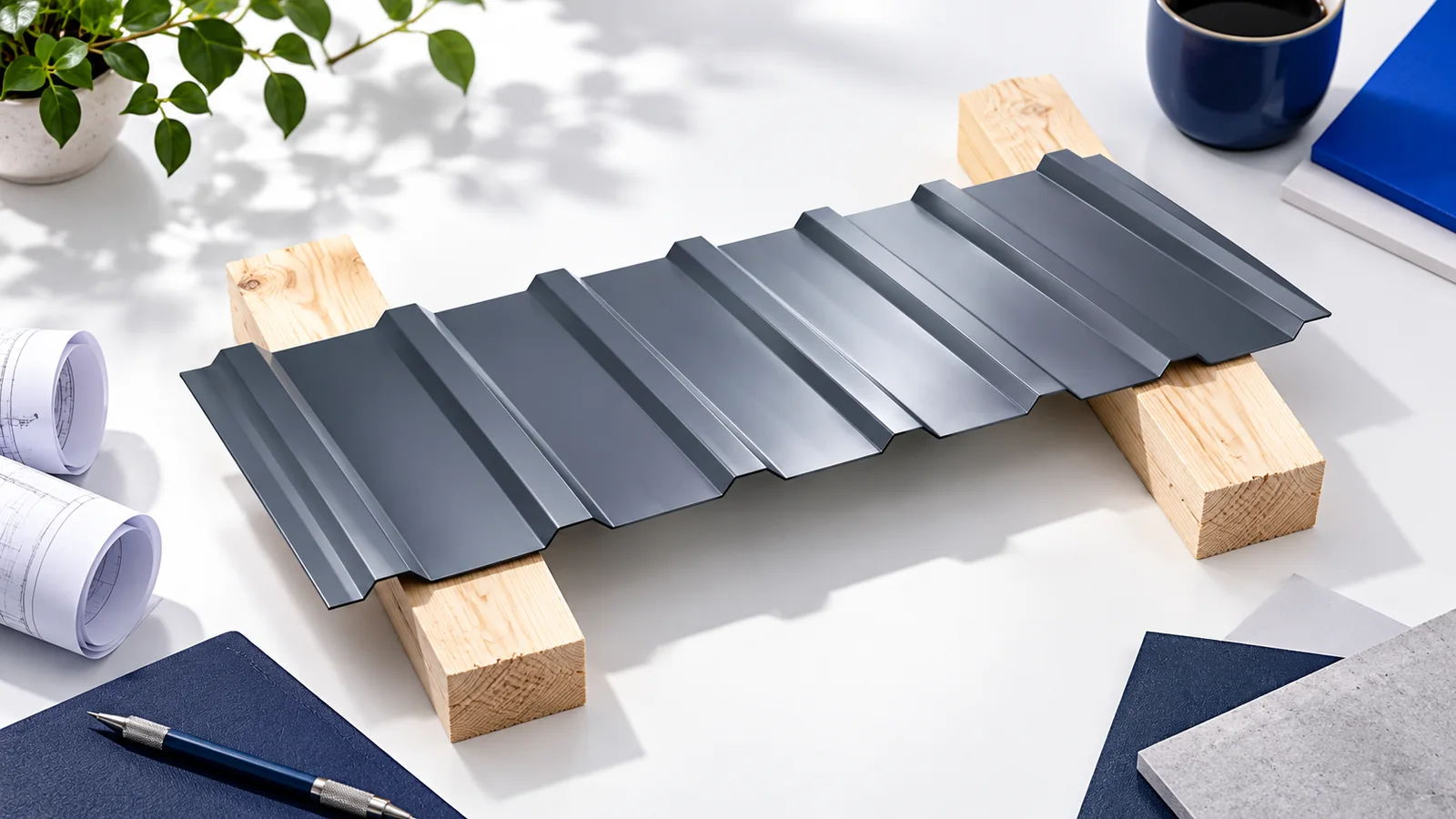
A roof can be understood as two cooperating systems: a load path and a drainage path. Rafters, wall plates, purlins and connections…
Extra folds in the web give a sigma section its distinctive shape. They affect how the thin plates behave, but do not…
Roof purlins transfer loads from the supported roof elements to the main structure. In timber framing they may support rafters, while in…
Look up inside a steel building and you may see slender Z-shaped members spanning between the main frames. These roof purlins support…
Before comparing quotations, separate the dimensions of the cross-section from the length of each piece and the coating specification. A small difference…
Rafters cannot be selected solely from the length of a roof slope or the proposed insulation thickness. Their unsupported span, spacing, timber…
To select a cold-formed beam, the designer needs more than the distance between its supports. Start with the member's job. A roof…