






Can an integrated photovoltaic roof be built in stages?
Roofing and energy
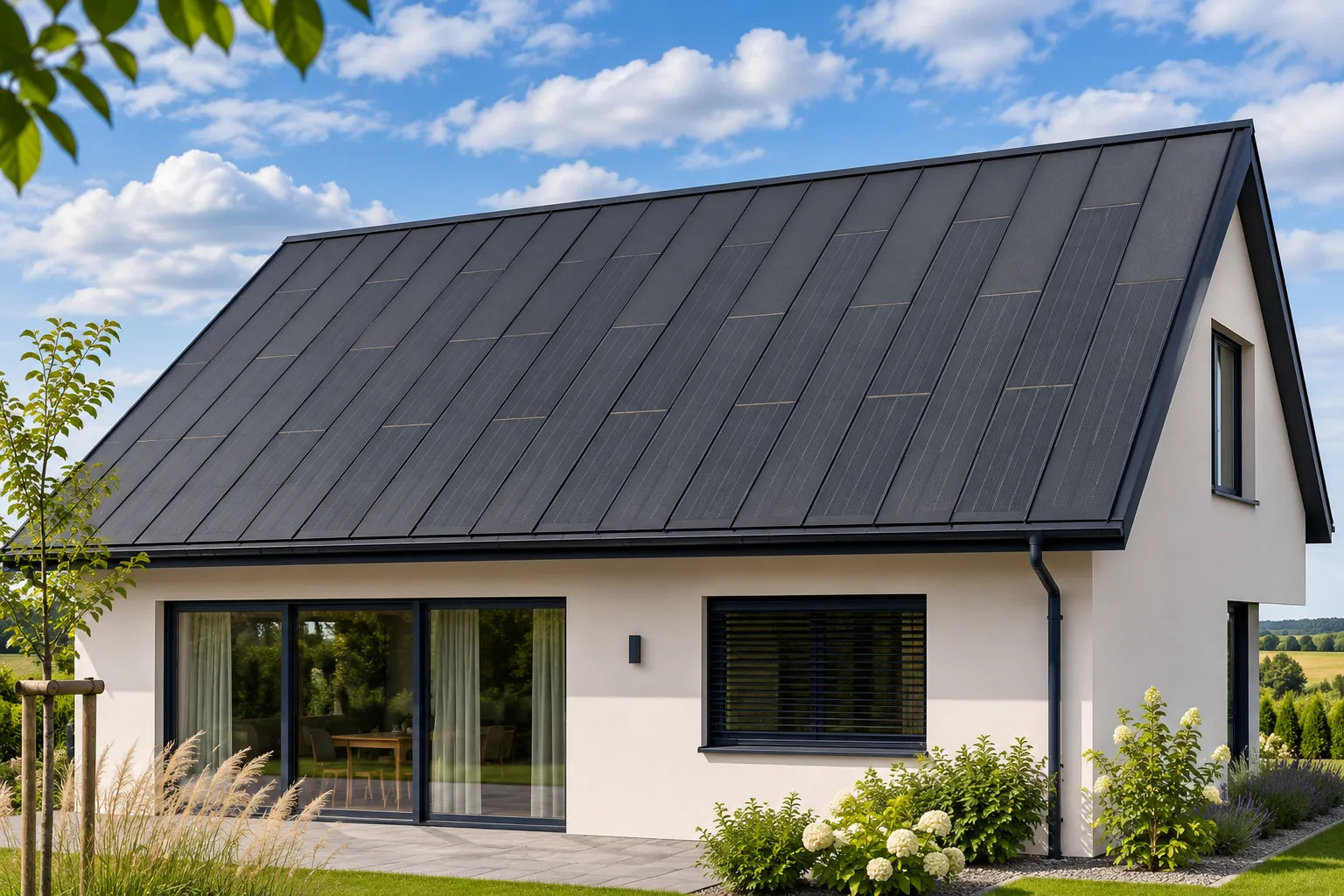
A building-integrated photovoltaic roof can sometimes be delivered in stages. Define the finished layout first and make sure the covering will protect the building after every phase. Later electrical expansion needs compatible equipment and access to connections. Equipping one roof slope, replacing passive pieces with active modules and adding a battery are three different projects. Each changes a different part of the system and has different implications for compatibility, access and cost. Record what will be completed now, what remains possible later and what it will take for a crew to return to the roof.
What does phasing mean for this project?
Describe the intended end state and whether the later phase is definite or merely an option. That determines which preparations are justified. Check system requirements before buying spare capacity or assuming expansion will be straightforward.
Can just one slope generate power?
An active slope and passive remainder often suit orientation and household demand. Check the material junctions and boundaries on the drawing. The entire roof must be complete as a covering even where only part generates electricity.
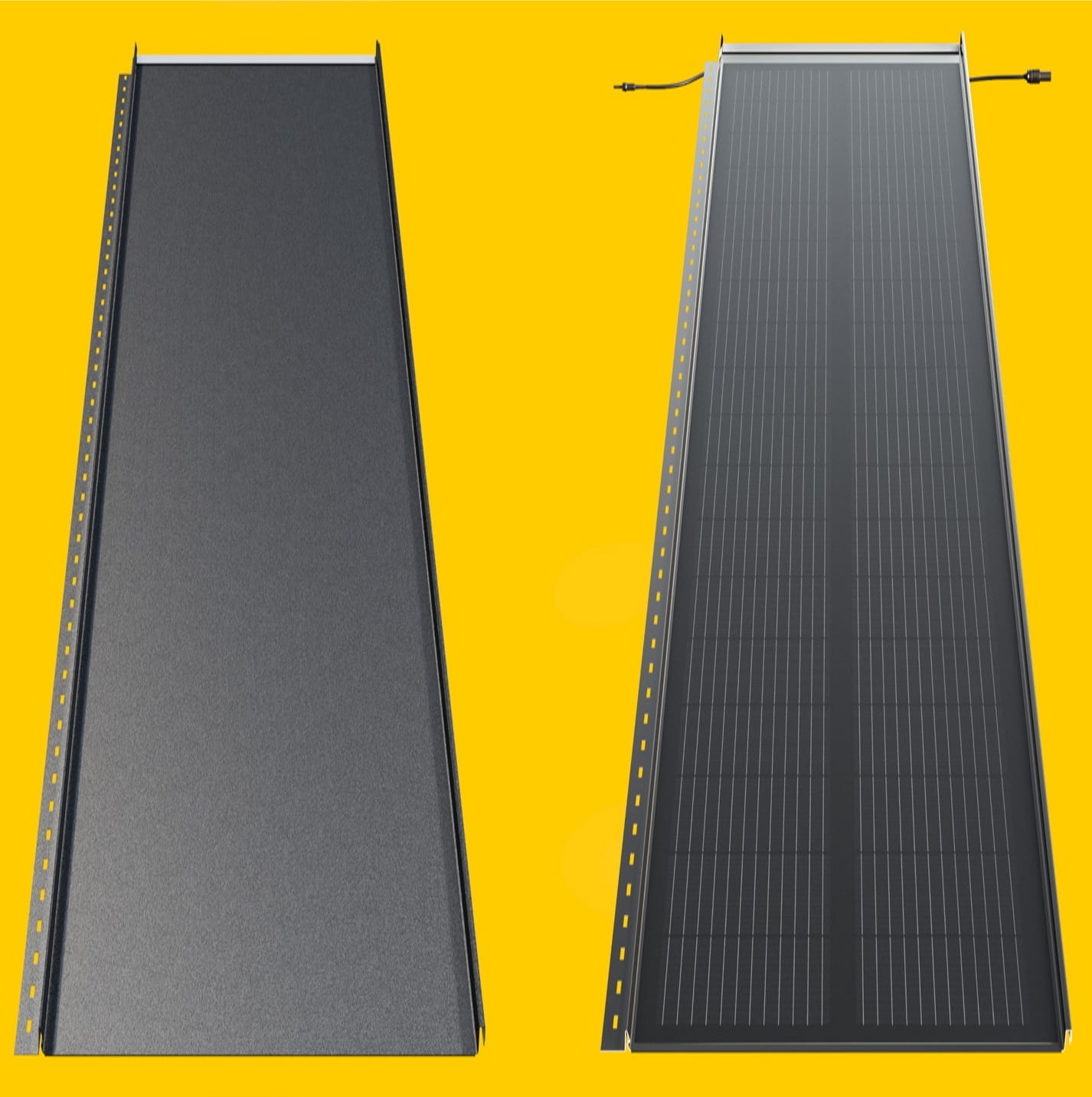
Steel systems may offer matching active and passive profiles. Verify geometry and joint compatibility before using another sheet. A properly planned passive area can remain a permanent part of the design.
Can passive panels later be replaced with active ones?
Confirm the change for the exact system, checking dimensions, fasteners, access to connections and adjacent panels. Similar appearance does not prove a simple exchange is possible. A larger roof area and several flashings may need opening.
Future product availability also matters. A revised product may have different dimensions or characteristics. For a near-term phase, agree the technical conditions and supply scope. A present catalogue cannot establish compatibility years ahead.
How should the electrical system be planned?
The final capacity affects devices, circuits and protection. Check the operating conditions in the first and later phases. A larger inverter alone is not necessarily suitable. Input ranges, number of inputs and compatibility with the proposed modules all matter.
Reserve cable paths and equipment locations for the specific additions envisaged. At the time of expansion, review any applicable procedures and connection conditions. Requirements agreed for the first phase may need updating.
What does phasing mean for cost and organisation?
Returning to the roof can involve transport, access equipment, fall protection, partial removal of the covering and restoring weathertightness. Compare these costs with completing a larger scope at once. Spreading payments does not necessarily reduce the total.
Operational data can guide a later decision on storage or load controls. Separate these additions from work that requires opening the roof. This preserves the value of waiting for measurements without repeating roofing work unnecessarily.
What should the agreement specify?
Provide drawings of the roof after each phase and list the expansion options deliberately retained. Assign responsibility for later compatibility checks, clarify warranty implications and identify access and parts to remove. This makes the meaning of “prepared for expansion” explicit.
Staged construction can work when each phase leaves the covering sound and the next connections predictable. Integration links components closely. A credible plan identifies both the possibilities and the cost of reopening or expanding the installation.
On the second-phase drawing, distinguish work in the plant room from work on the slope. If battery installation requires access only to indoor equipment, its cost breakdown differs from replacing passive panels. Compare options on that basis.
Solar roofing manufacturers and brands include MDM NT (MyRoof), SunRoof, Autarq, SolRoof, Wienerberger Wevolt, ML System, Electrotile, 3S Swiss Solar Solutions, Solarstone and Tesla.

Free quote
What to include in your enquiry
Tell us how you plan to use the material, the dimensions and the quantity you need. Include the thickness, grade or variant name, along with the delivery town or your preferred collection branch. For a specific product, add its name or a link to the product page. We will reply to the email address you provide to discuss availability and the terms of your order.
More from the building guide
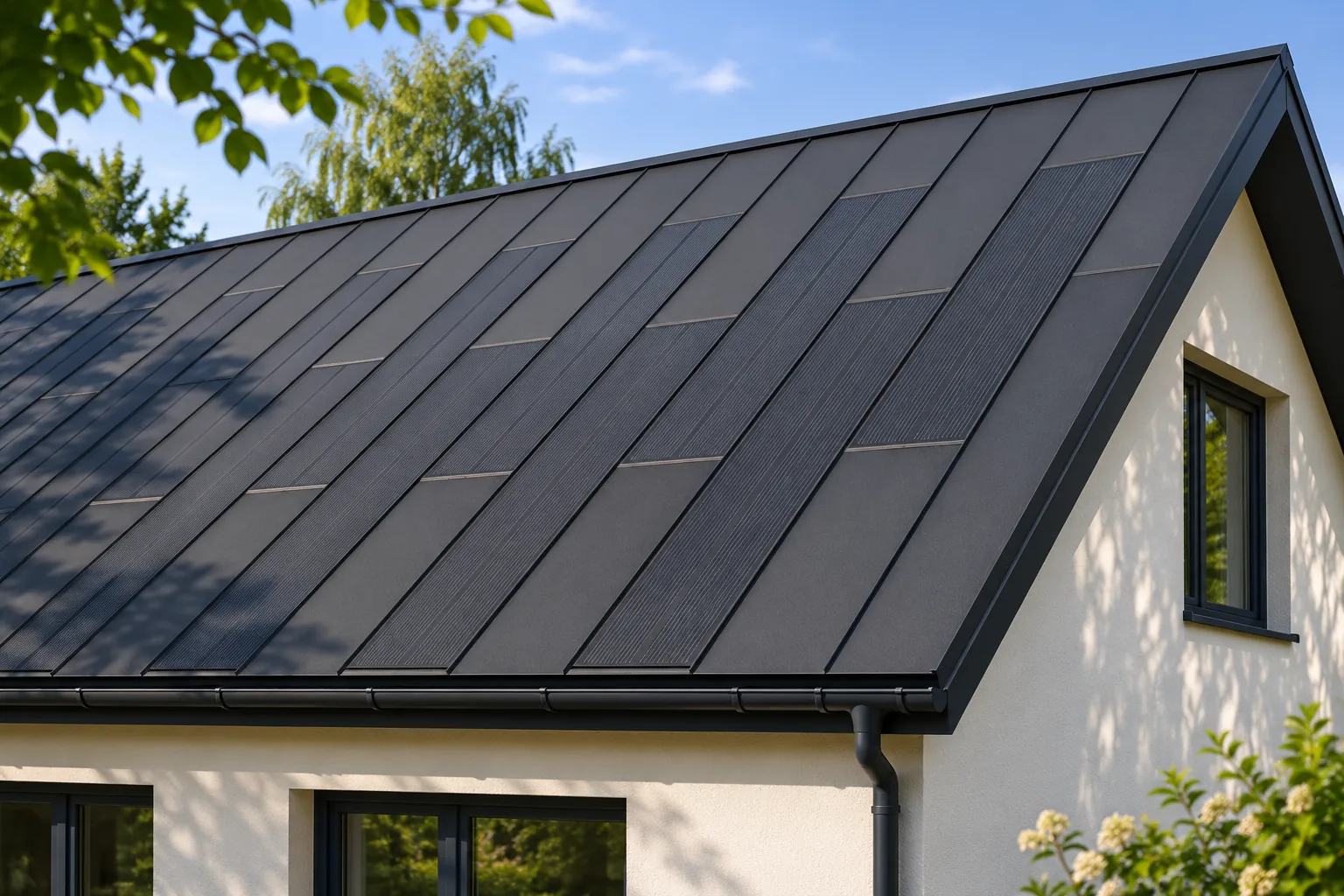
An integrated photovoltaic roof needs access for inspection and repair, both for the solar installation and for other parts of the building.…
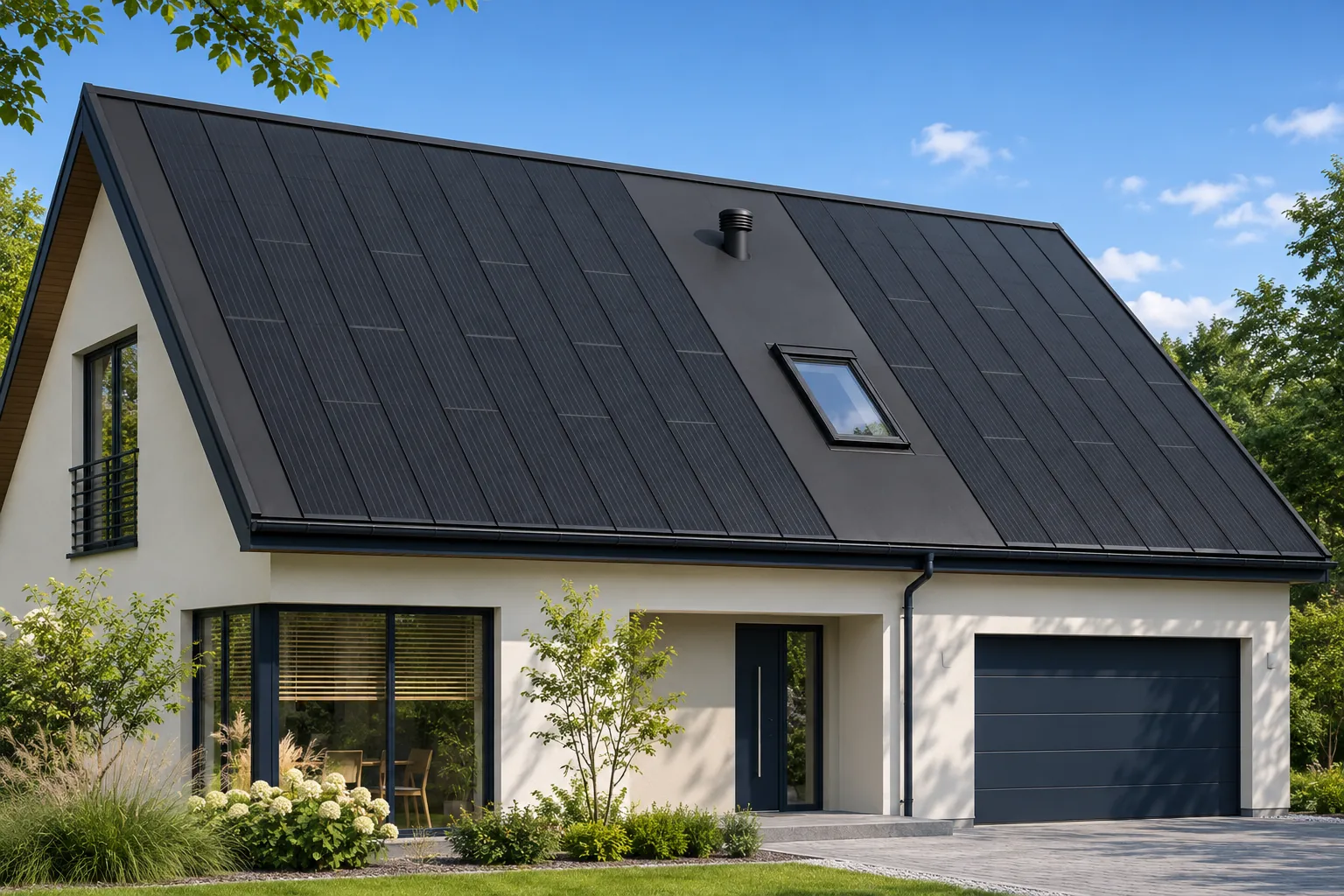
Roof windows and chimneys can share a slope with integrated photovoltaic panels. Plan the openings alongside the panel layout, allowing for shade,…
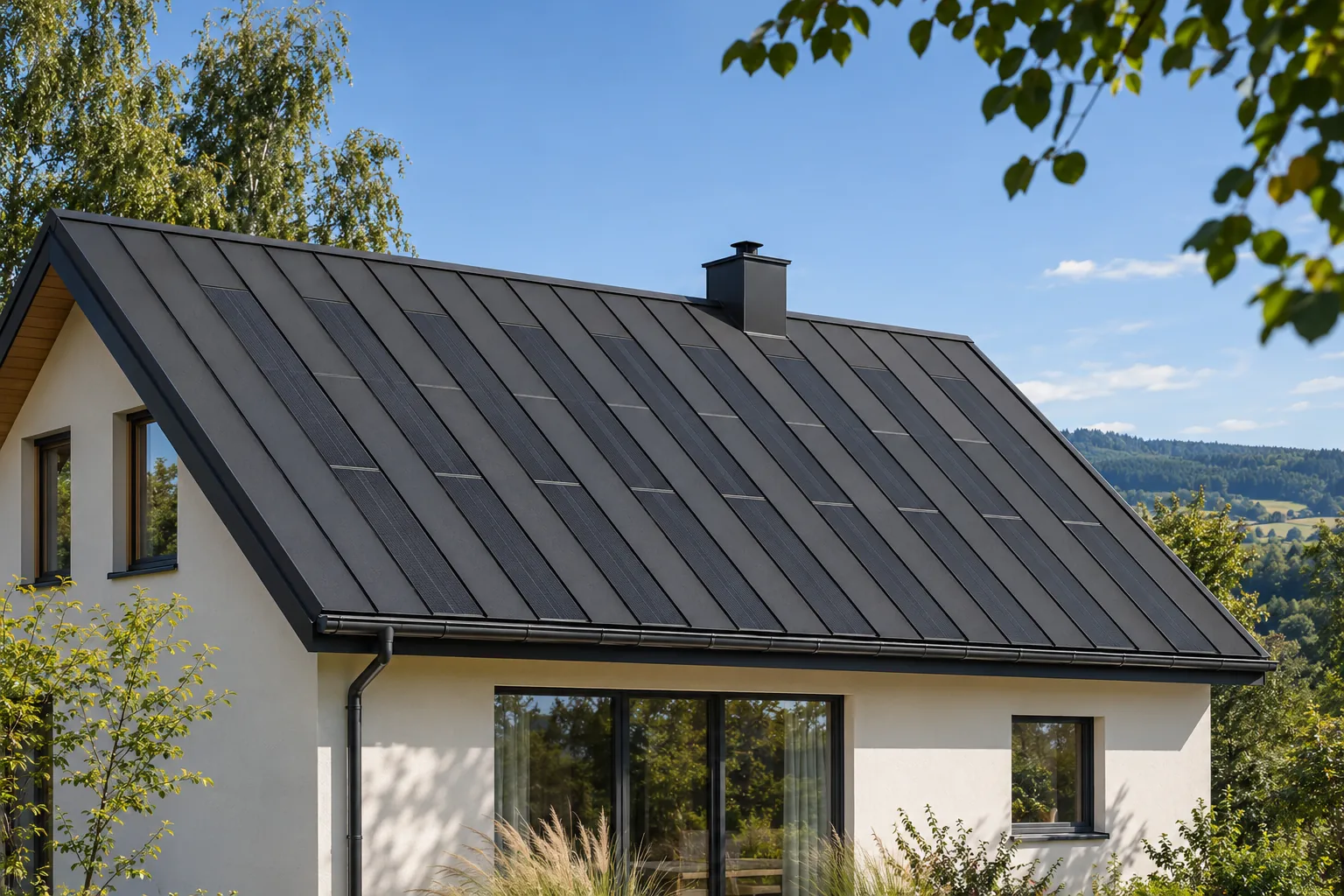
A lightweight integrated PV roof still needs a structural assessment. A panel with cells weighs more than its metal sheet alone. Snow…
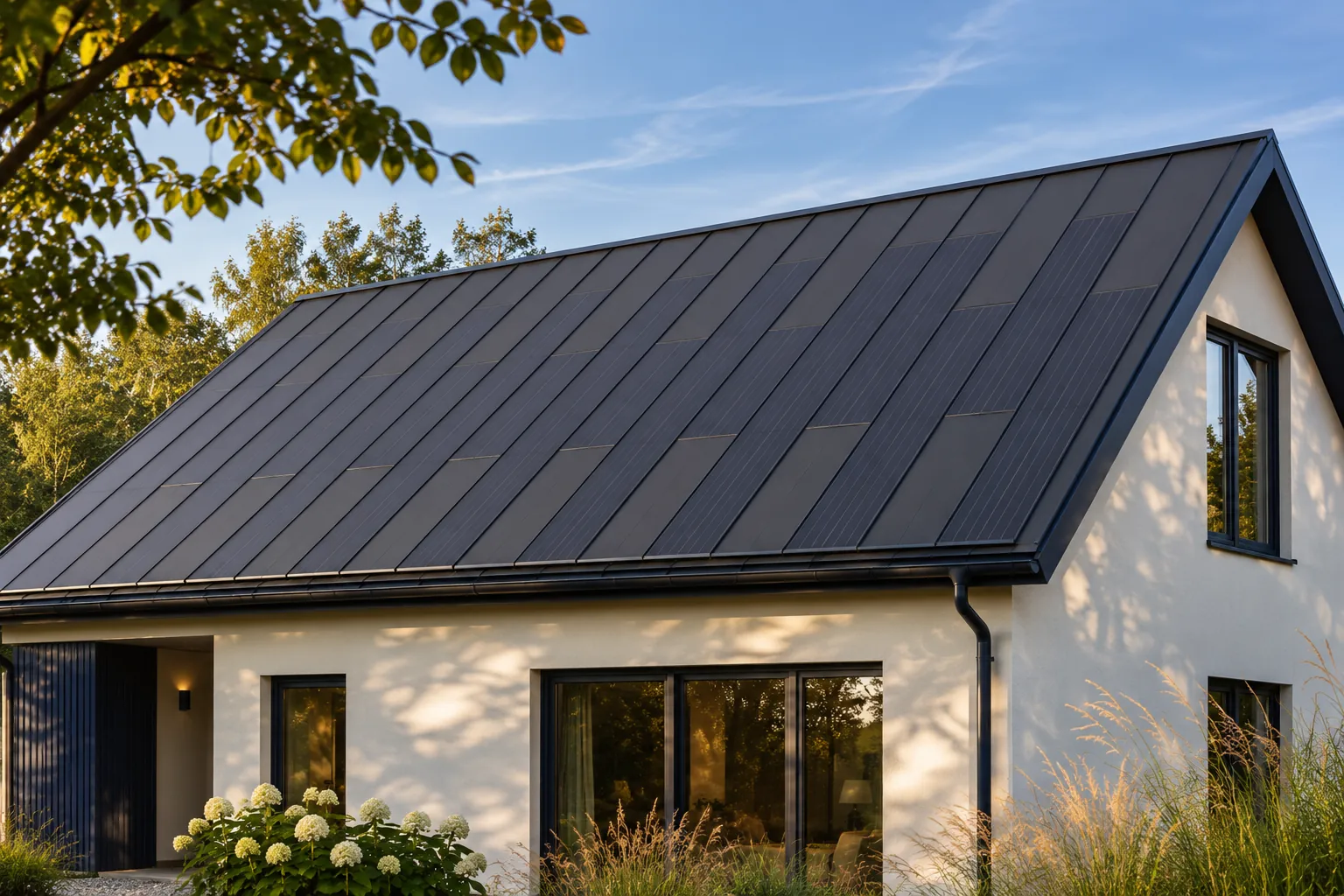
A smooth module surface alone cannot keep an entire roof weathertight. Rain reaches edges, eaves, ridges and penetrations, changes direction at joints…
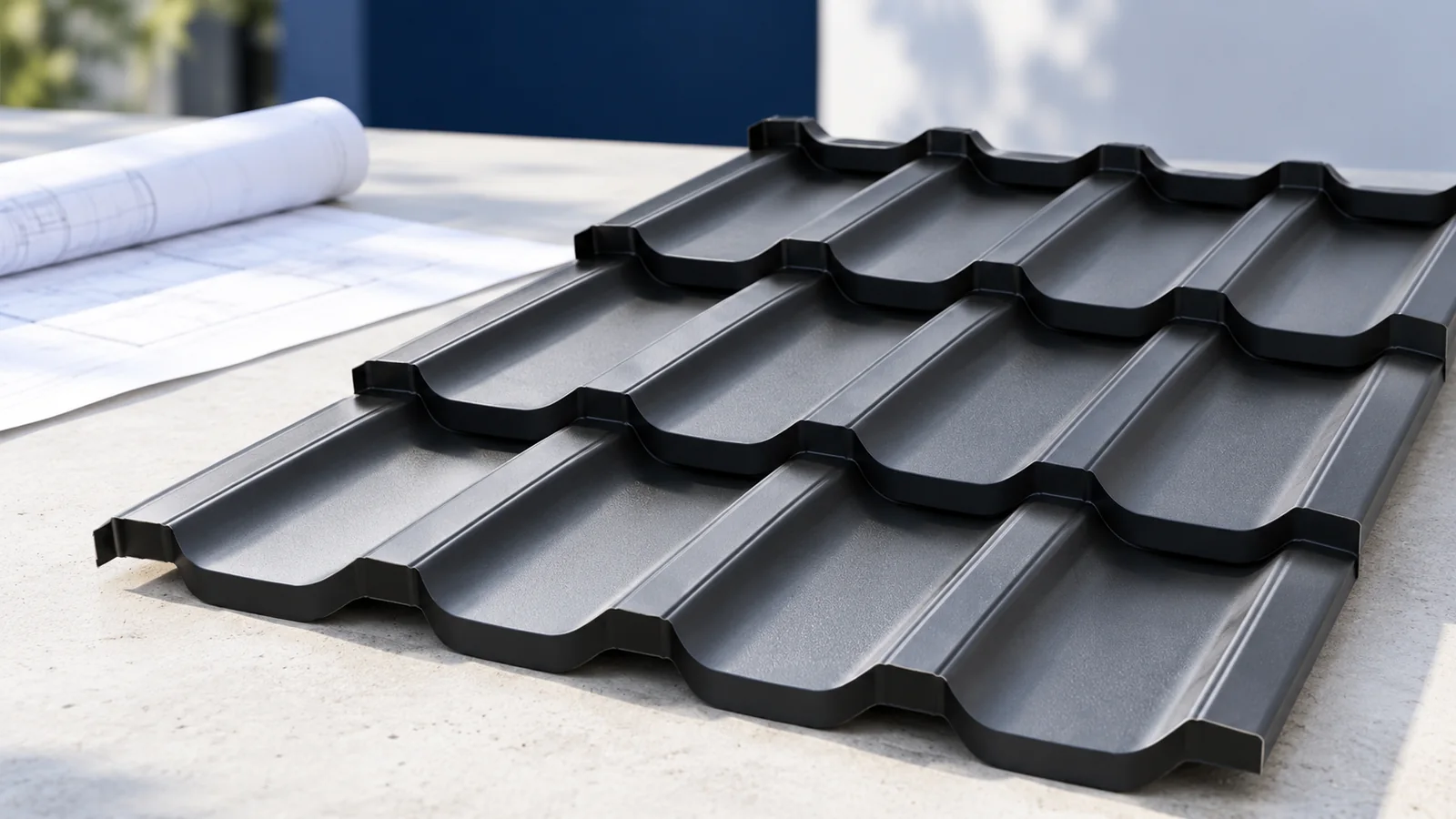
Installing solar PV on a metal roof starts by establishing how loads reach the structure. Bracket shape or profile name alone does…
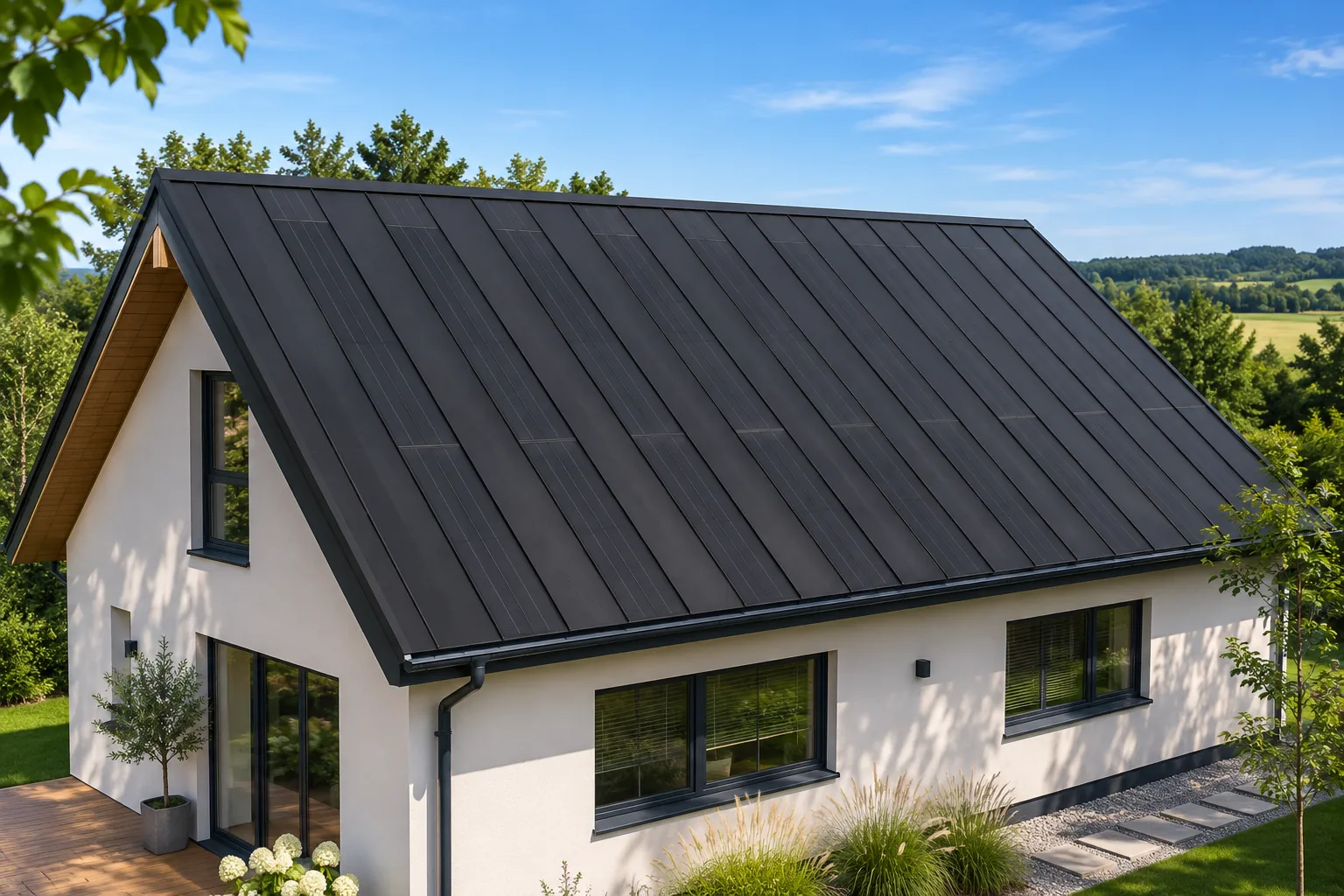
An integrated solar roof needs roofing and electrical expertise, even when one company holds the contract. Some connections are made as the…
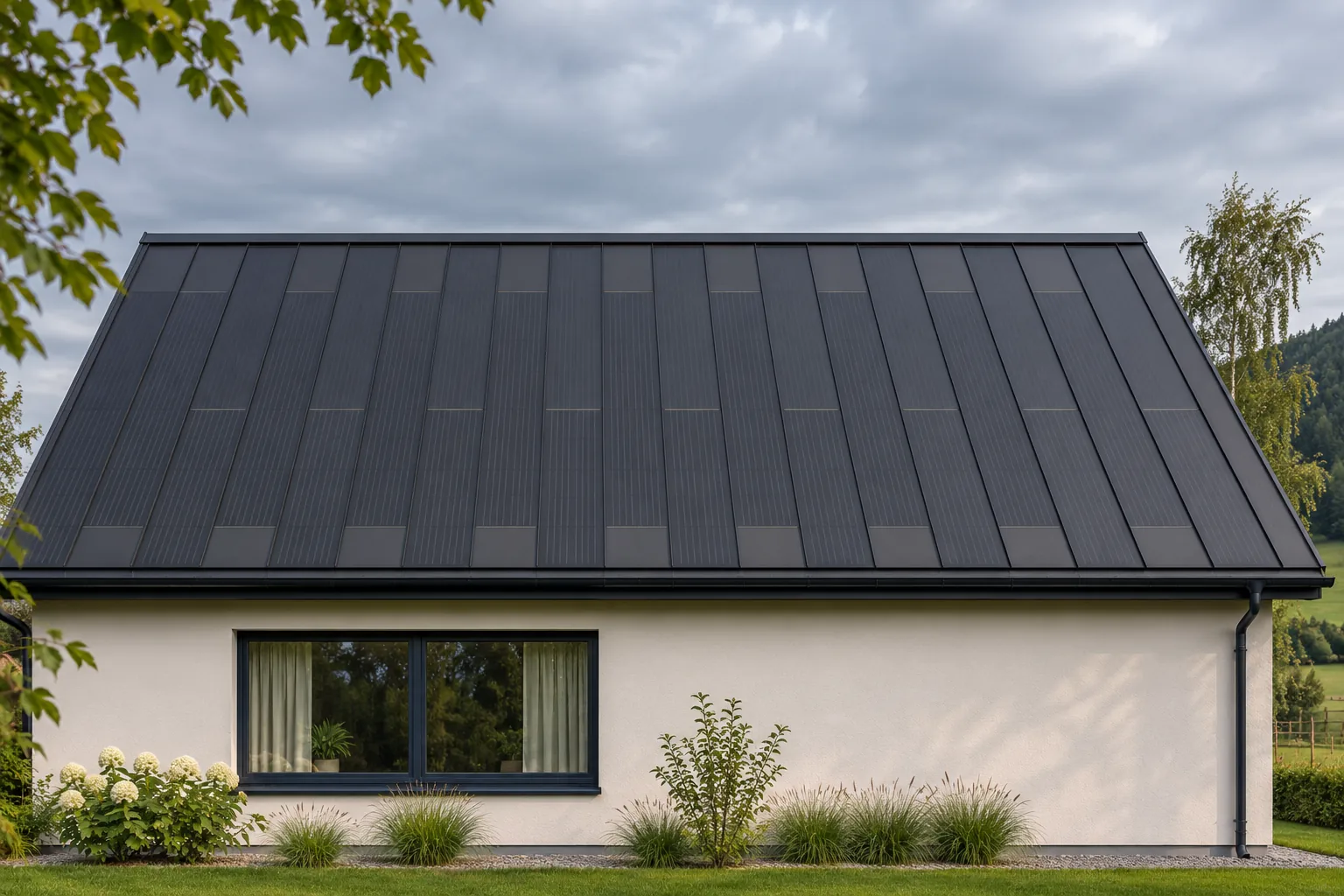
Installing an integrated solar roof brings the roofing and electrical trades together at several stages. First confirm the design and structure. Prepare…
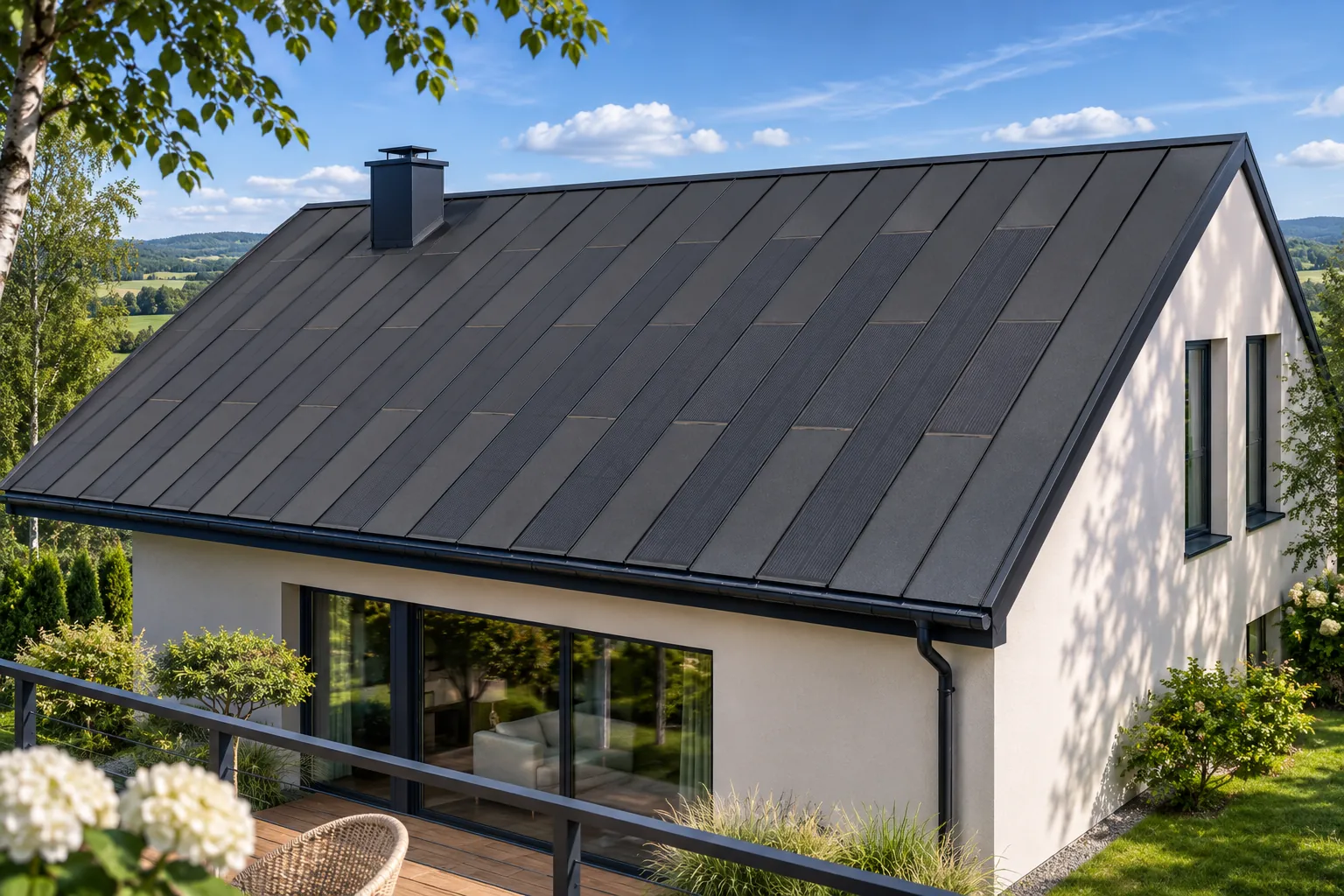
A solar roof order should be based on a dimensioned layout, not a single figure for the roof area. Measure the slopes,…