Panels · Sheet metal · Insulation · Accessories

Keeping rain out of a metal roof: check the whole water path

Preventing leaks means checking the water path from the upper roof edge to the outlet. Sheets, laps, penetrations and flashings must work with the layers underneath. Matching the assembly to the actual pitch and supports is equally important. This guide helps build a checklist before ordering, during installation and at handover. It distinguishes rain entering through the roof from moisture produced by condensation. It does not prescribe one screw spacing or minimum angle for every profile. Obtain those values from the selected system documentation and design. Weatherproofing should therefore begin with a suitable detail, rather than extra strips of tape applied to arbitrary joints.
By |2026-11-11T16:26:46+01:0011 November 2026|Installation and structure|Comments Off on Keeping rain out of a metal roof: check the whole water path

Choosing a roof style that still suits the house after trends change

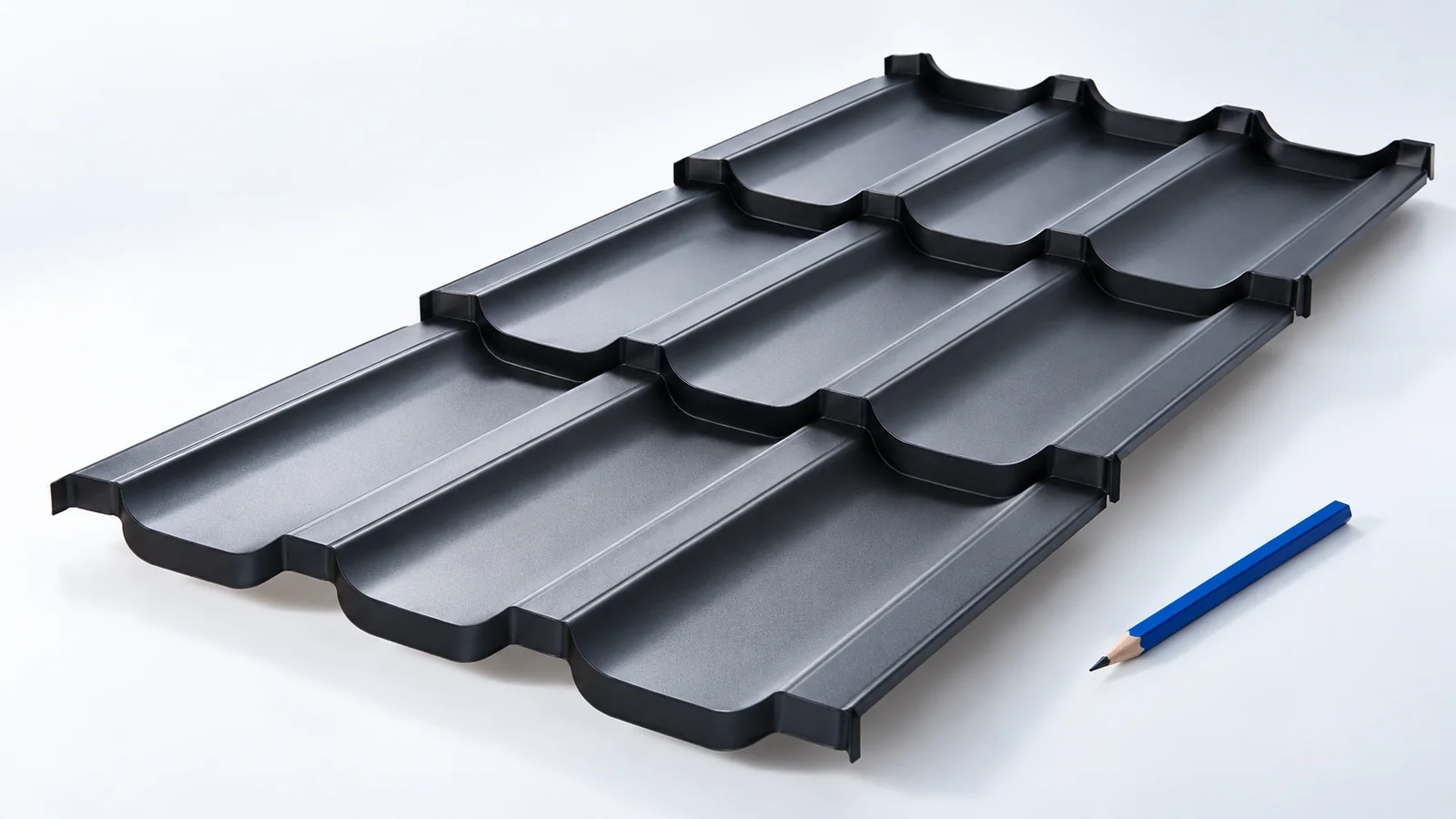
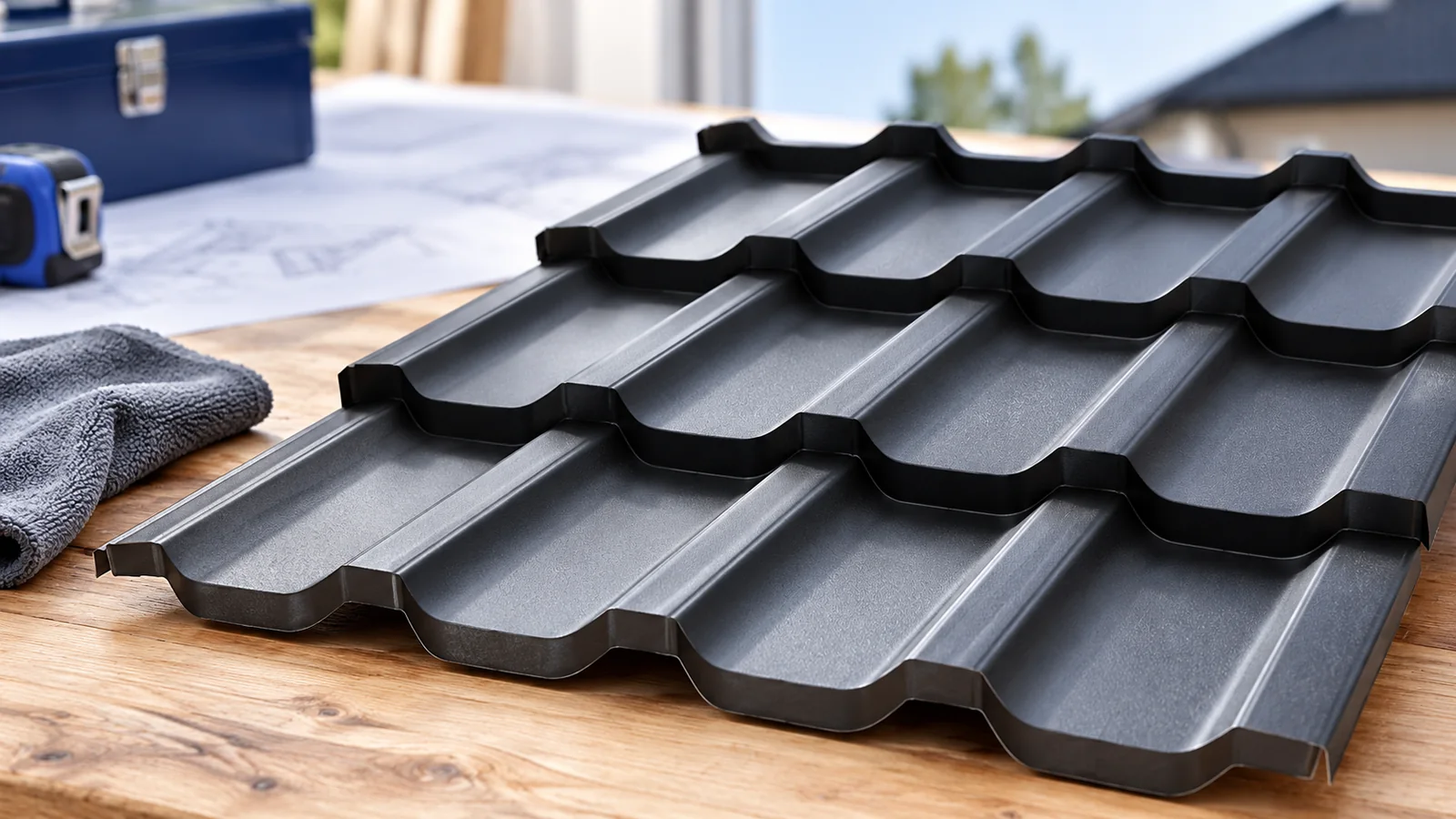
A roof that ages well starts with the building's proportions and coordinated details. Colour or a fashionable profile is insufficient if ridge, flashings and gutters look unrelated. Compare trapezoidal sheeting, cut-to-length steel roof tiles and modular sheets on houses resembling yours. Then inspect samples in daylight and exclude materials unsuitable for the pitch or structure. This guide connects appearance with technical requirements, maintenance and the complete quotation. It includes future roof equipment that could change the composition. Rather than ranking seasonal trends, it helps establish selection criteria so the roof remains coherent with the façade after fencing, planting or wall colours change.

By |2026-11-11T15:55:53+01:0011 November 2026|Installation and structure|Comments Off on Choosing a roof style that still suits the house after trends change

Roof flashings: plan the water path at every edge and junction

Flashings are needed wherever the normal covering arrangement stops directing water safely. That includes eaves, verges, valleys, ridges and junctions with walls or chimneys. Rather than selecting these parts by name alone, assign each a specific section and purpose. This guide connects drainage with ventilation, support and thermal movement. It explains why extra sealant cannot compensate for an incorrectly designed shape. It also identifies the information needed on an order and the connections worth photographing before concealment. Flashings occupy a small share of the roof surface, but their execution affects protection of the underlying layers. Budget for and inspect them alongside the main covering.

By |2026-11-11T15:26:45+01:0011 November 2026|Installation and structure|Comments Off on Roof flashings: plan the water path at every edge and junction

Metal roofing for contemporary buildings: coordinate profile, edges and equipment

Choose roofing for a contemporary building on a drawing of the whole form, linking appearance with technical purpose. Trapezoidal sheets, tile-effect roofing and roof sandwich panels create different patterns, but none guarantees coherent architecture by itself. Profile scale, colour, gloss, eaves and flashings all matter. This guide connects those choices with loads, insulation and planned equipment, including the relationship between roof, façade and fencing. Compare complete alternatives for the same design rather than judging only a small sample. A light finish or pitched gable roof can also suit a modern building; consistent proportions and carefully resolved junctions are what make the scheme work.

By |2026-11-11T14:53:27+01:0011 November 2026|Installation and structure|Comments Off on Metal roofing for contemporary buildings: coordinate profile, edges and equipment

Choosing a covering for a gable roof

A gable roof makes covering options easier to compare, but its simple shape does not remove the need for measurements and system checks. Cut-to-length sheets, modular tile-effect sheets, trapezoidal roofing and sandwich panels differ in handling, joints and their role within the roof. This guide relates material choice to slope length, openings and site lifting arrangements. It explains when longer sheets reduce laps and when smaller components are more convenient. Insulation, service routes and future equipment are also considered. Compare costs for the same complete roof scope, since the price of one piece or square metre of covering does not describe the whole investment.

By |2026-11-11T14:19:36+01:0011 November 2026|Installation and structure|Comments Off on Choosing a covering for a gable roof

Metal roofing and environmental impact: assessing the whole life cycle

Recyclability alone cannot establish the environmental impact of a metal roof. Production, material quantities, transport, installation waste, service life and treatment of the roof layers at end of life all matter. This guide explains comparing solutions that perform the same function and reading the scope of environmental declarations. It considers sheet cutting, coating maintenance and planned repairs instead of premature replacement. It also separates the properties of the metal covering from energy savings attributable to insulation or photovoltaics. The aim is an order suited to the building with avoidable waste reduced, without promising that one material always has the lowest impact.

By |2026-11-11T14:19:35+01:0011 November 2026|Installation and structure|Comments Off on Metal roofing and environmental impact: assessing the whole life cycle

Flat roof coverings: choosing a complete roof build-up

A flat roof covering should be selected around the roof's use, drainage and complete build-up. Structural trapezoidal decking, PIR insulation and waterproofing perform different functions and cannot replace each other. This guide compares bituminous membranes, other roofing membranes and roof sandwich panels, highlighting their interfaces. It explains falls, point loads, wind restraint and access to outlets. Equipment that may be installed after the building is completed deserves particular attention. These checks support a comparison of complete roof costs, including flashings and maintenance routes, rather than prices per square metre for materials intended to do different jobs.

By |2026-11-11T14:19:29+01:0011 November 2026|Installation and structure|Comments Off on Flat roof coverings: choosing a complete roof build-up

What makes T18 and T35 trapezoidal-sheet installation easier?

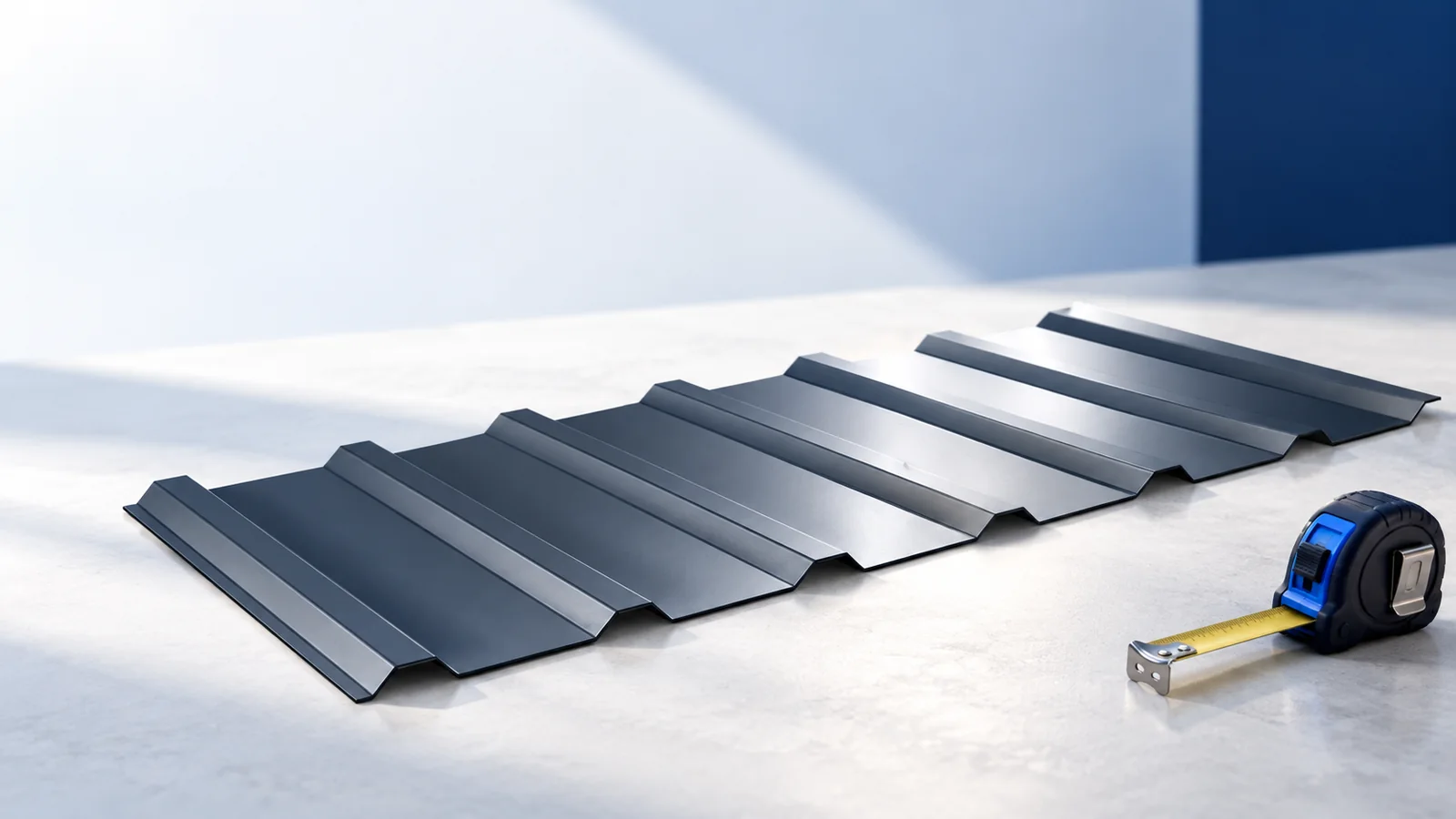
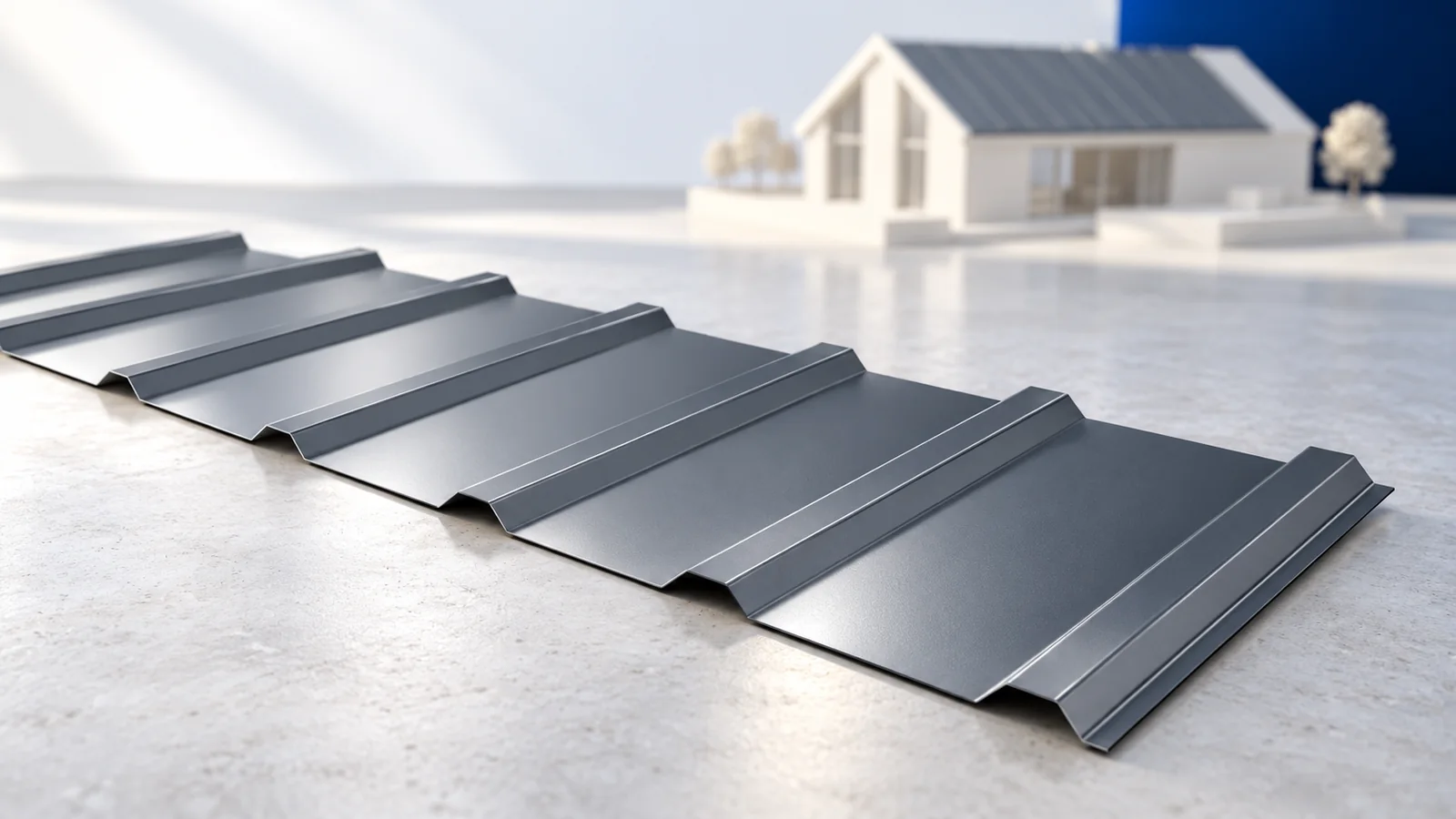
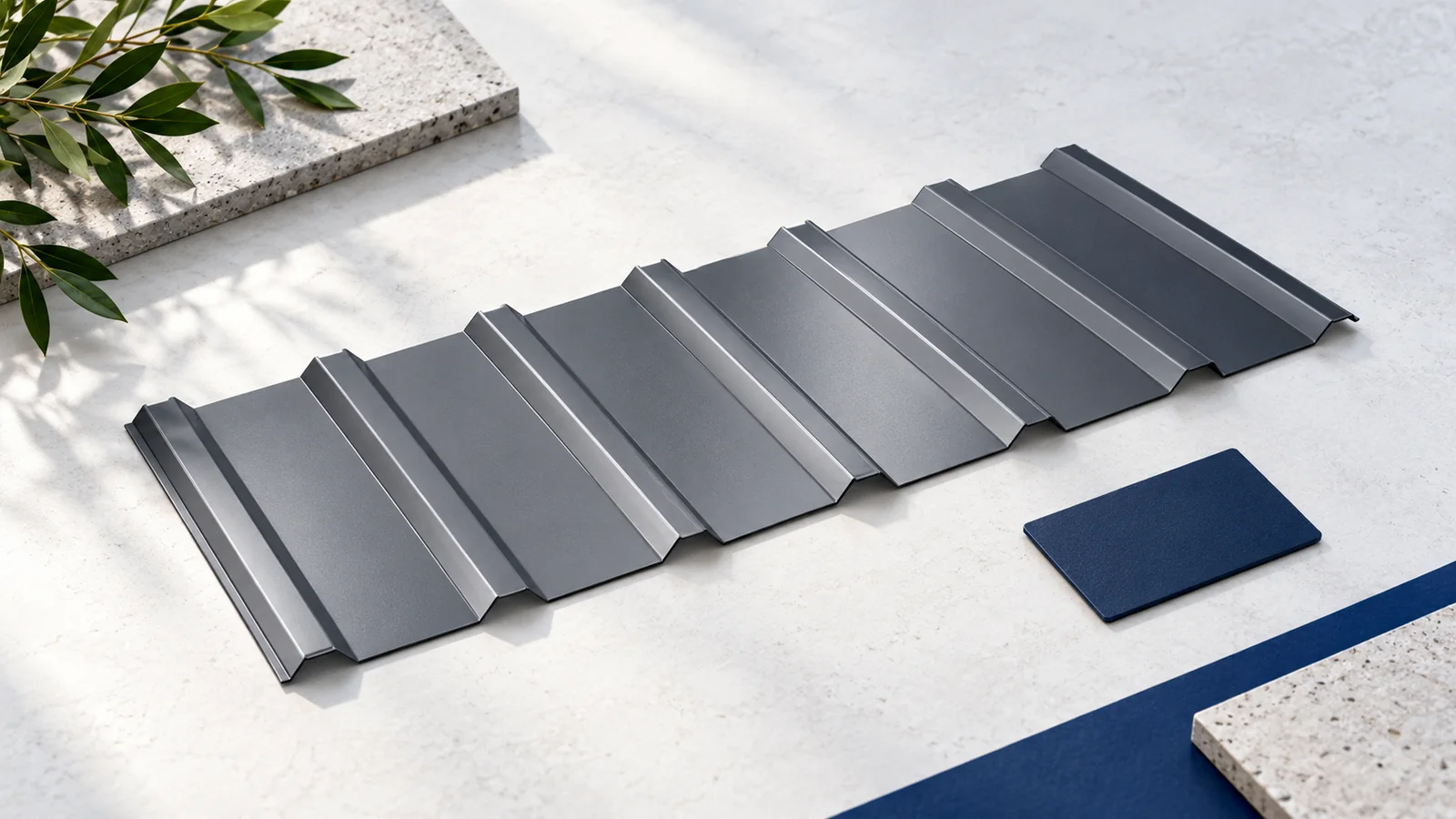
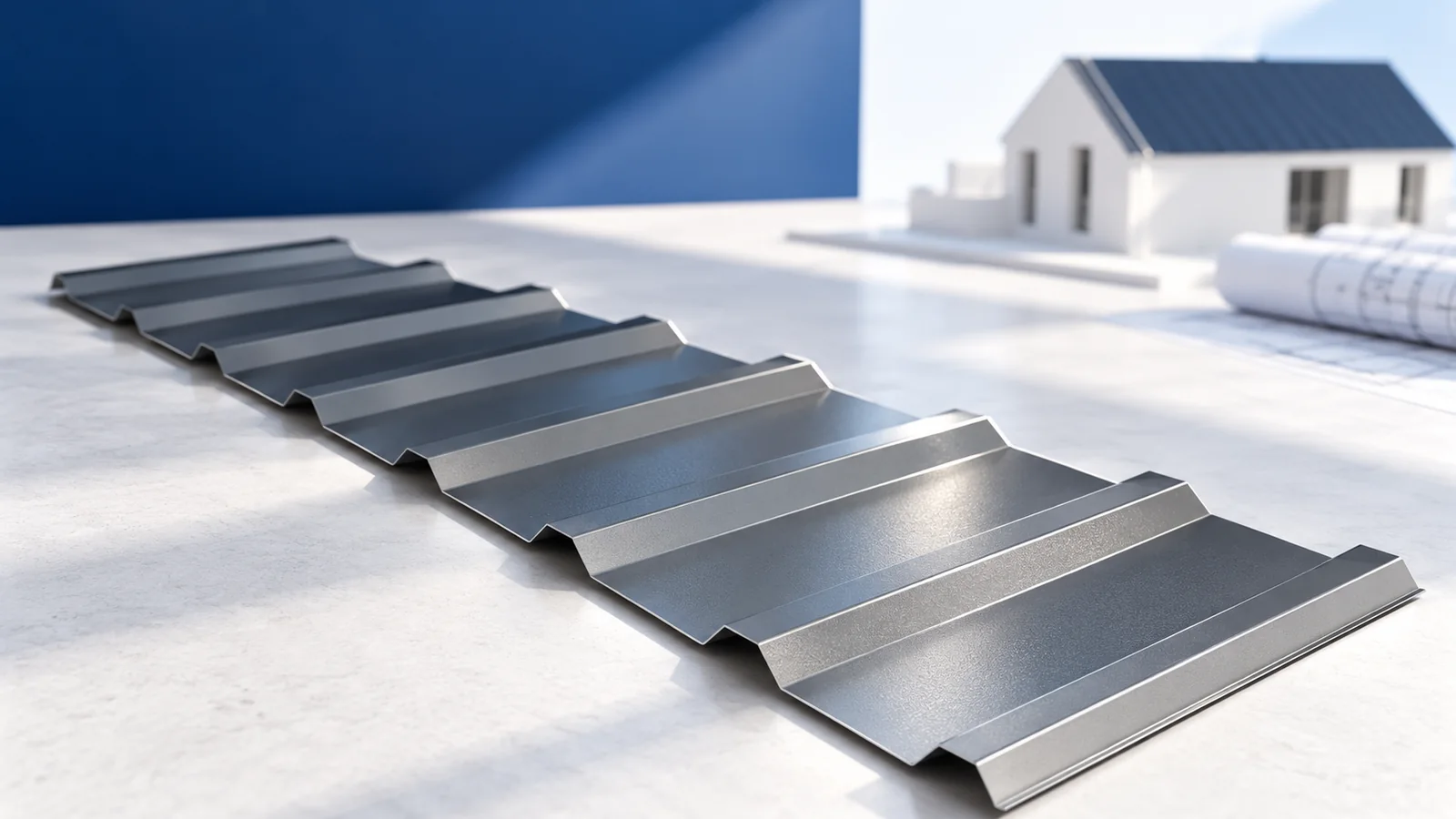
The regular profile helps with T18 and T35 trapezoidal-sheet installation, but efficient work starts before the sheets arrive. Accurate slope dimensions, prepared supports, a lifting plan and fasteners suited to the substrate are needed. Choose sheet length together with transport arrangements and overlap requirements rather than automatically ordering the longest sheet. This guide organises the stages from geometry checks and the first strips to joints, coating protection and detail inspection. It gives no universal support spacing or screw count, since these require product and design data. Instead, it identifies where preparation can reduce rework while preserving weatherproofing and durability.

By |2026-11-11T13:45:18+01:0011 November 2026|Installation and structure|Comments Off on What makes T18 and T35 trapezoidal-sheet installation easier?

Multi-pitched roofs: benefits and choosing a suitable covering

A multi-pitched roof can bring different parts of a house together, but each slope and junction needs assessment. Covering selection depends on more than colour and weight: valley lengths, cutting patterns, usable offcuts and drainage all matter. Small roof-tile modules may simplify material planning, while larger sheets can suit regular sections. Neither option removes the need for structural design and carefully detailed flashings. This guide helps organise the work, from roof geometry and attic use to ordering the covering and checking ventilation and weatherproofing. It explains why an estimate should account for difficult junctions instead of relying solely on roof area.

By |2026-11-11T13:45:13+01:0011 November 2026|Installation and structure|Comments Off on Multi-pitched roofs: benefits and choosing a suitable covering

How can you assess a roofer before work starts?

Assess a roofer through preparation before comparing promised installation times. A competent contractor gathers roof information, uses the documentation for the actual covering and explains joints exposed to water. They also recognise decisions that require a structural engineer. This guide suggests a sequence for discussing the job: drawings and previous projects, protection of people and materials, then inspection of layers before concealment. It helps distinguish an attractive photograph from evidence of sound workmanship. It also identifies what to record in the order and how to compare contractors' answers. The aim is a team suited to your material and geometry, rather than one supposed guarantee of a faultless roof.

By |2026-11-11T13:45:08+01:0011 November 2026|Installation and structure|Comments Off on How can you assess a roofer before work starts?
Back to top