Panels · Sheet metal · Insulation · Accessories

How to join facade EPS to plinth insulation

Plan the junction between facade and plinth insulation on a section through the wall, floor and foundation. The thermal layer must remain continuous, waterproofing must protect the masonry, and rain running down the render must discharge clear of the plinth. Near ground level there is also splash water, snow, dirt and impact, so not every facade board is suitable. Check intended use, water absorption and mechanical properties. Set the junction height against finished paving or ground level; a decorative mosaic render cannot resolve these details on its own.
By |2026-11-12T17:47:34+01:0012 November 2026|PIR boards and insulation|Comments Off on How to join facade EPS to plinth insulation

How to embed reinforcing mesh over EPS insulation

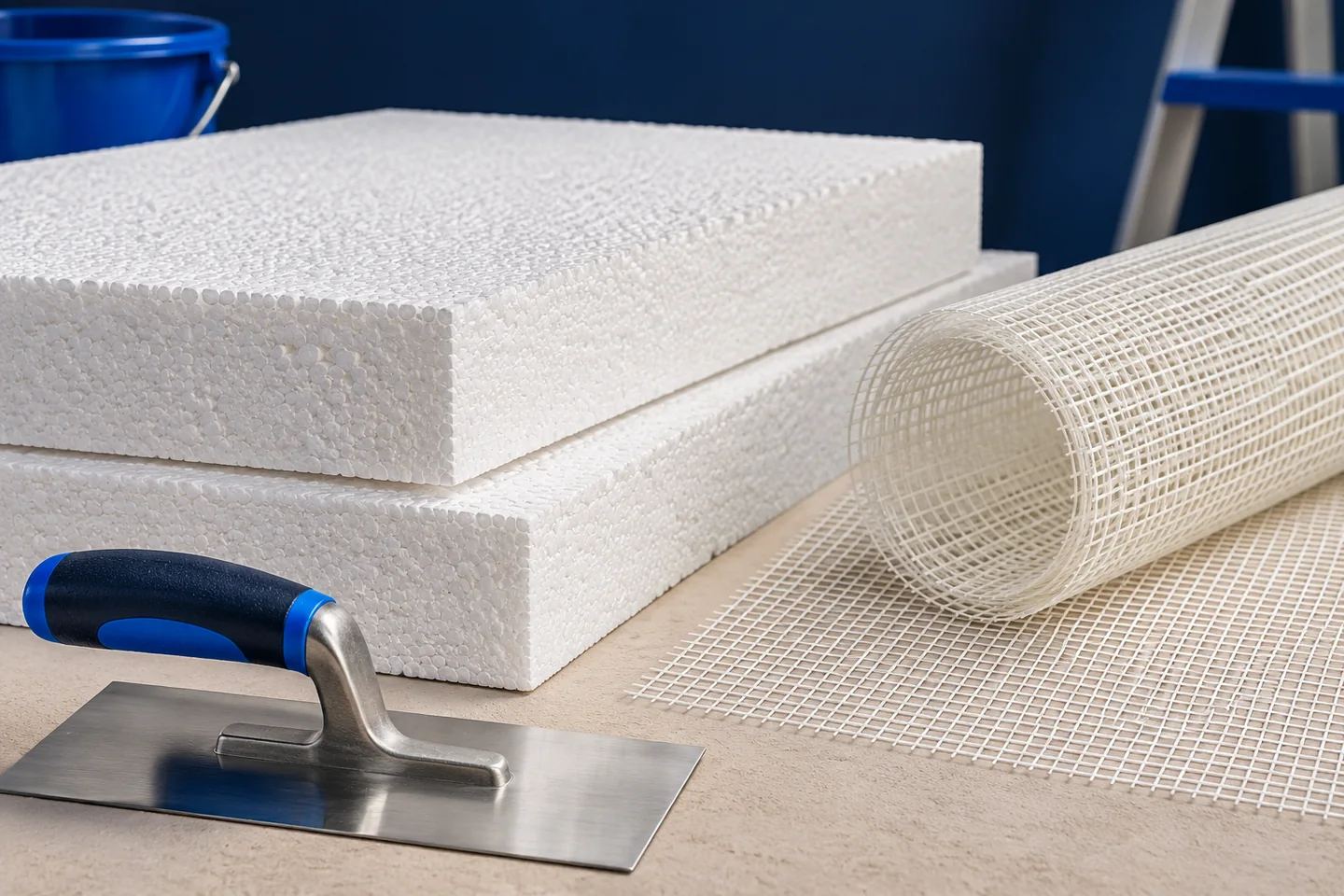
Embed the mesh in fresh base coat on stable, flat, dust-free EPS boards. Mortar must remain beneath the strands; putting mesh against dry insulation and coating only its outer face does not produce the same bond. The ETICS specification sets the coat thickness, mesh position, overlap and extra reinforcement around openings. Check compatibility too: similar weights per square metre do not guarantee the same strength or durability in mortar. Photograph the details while the strips and overlaps are still visible.

By |2026-11-12T17:47:33+01:0012 November 2026|PIR boards and insulation|Comments Off on How to embed reinforcing mesh over EPS insulation

When should EPS boards be sanded before applying the reinforced base coat?

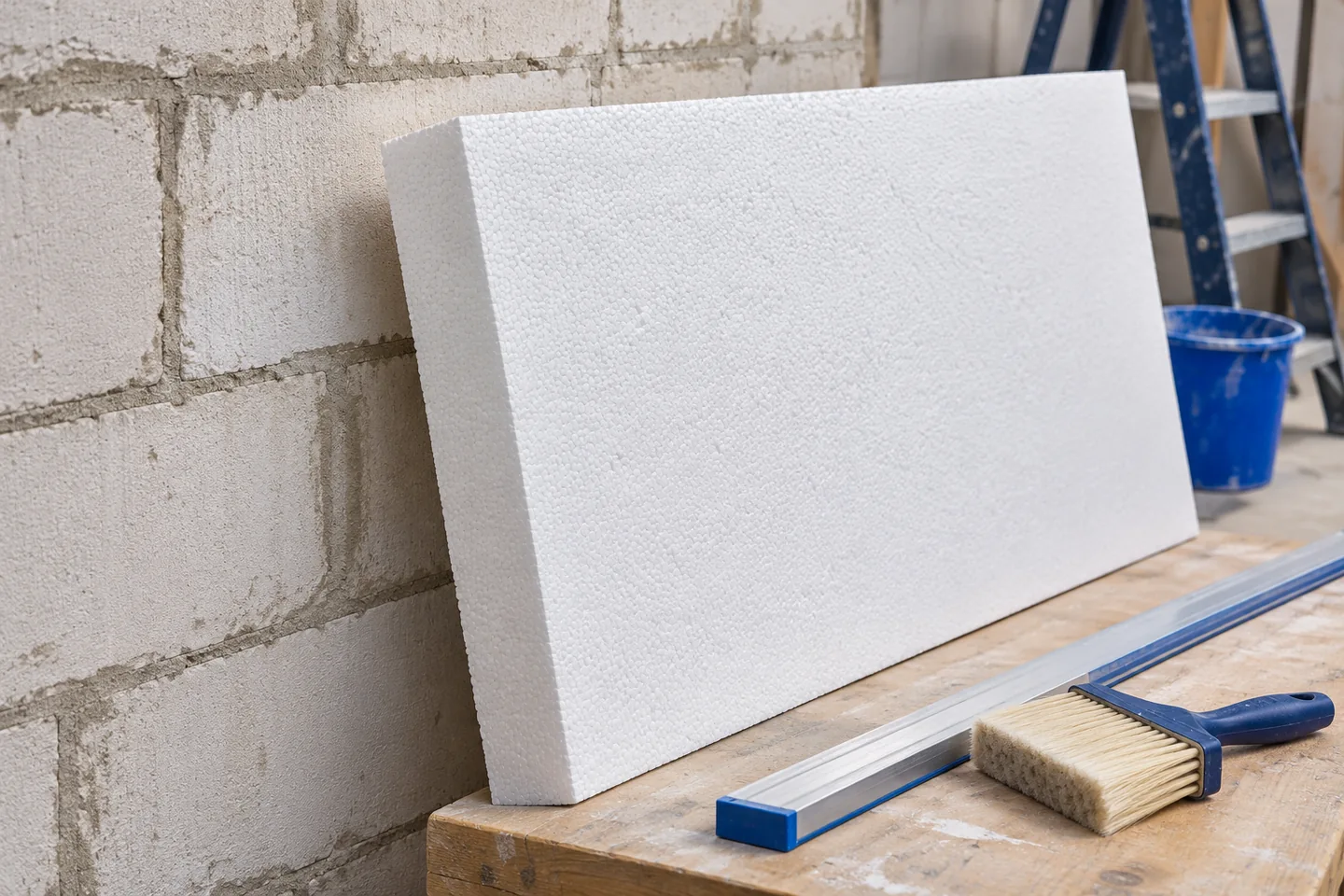
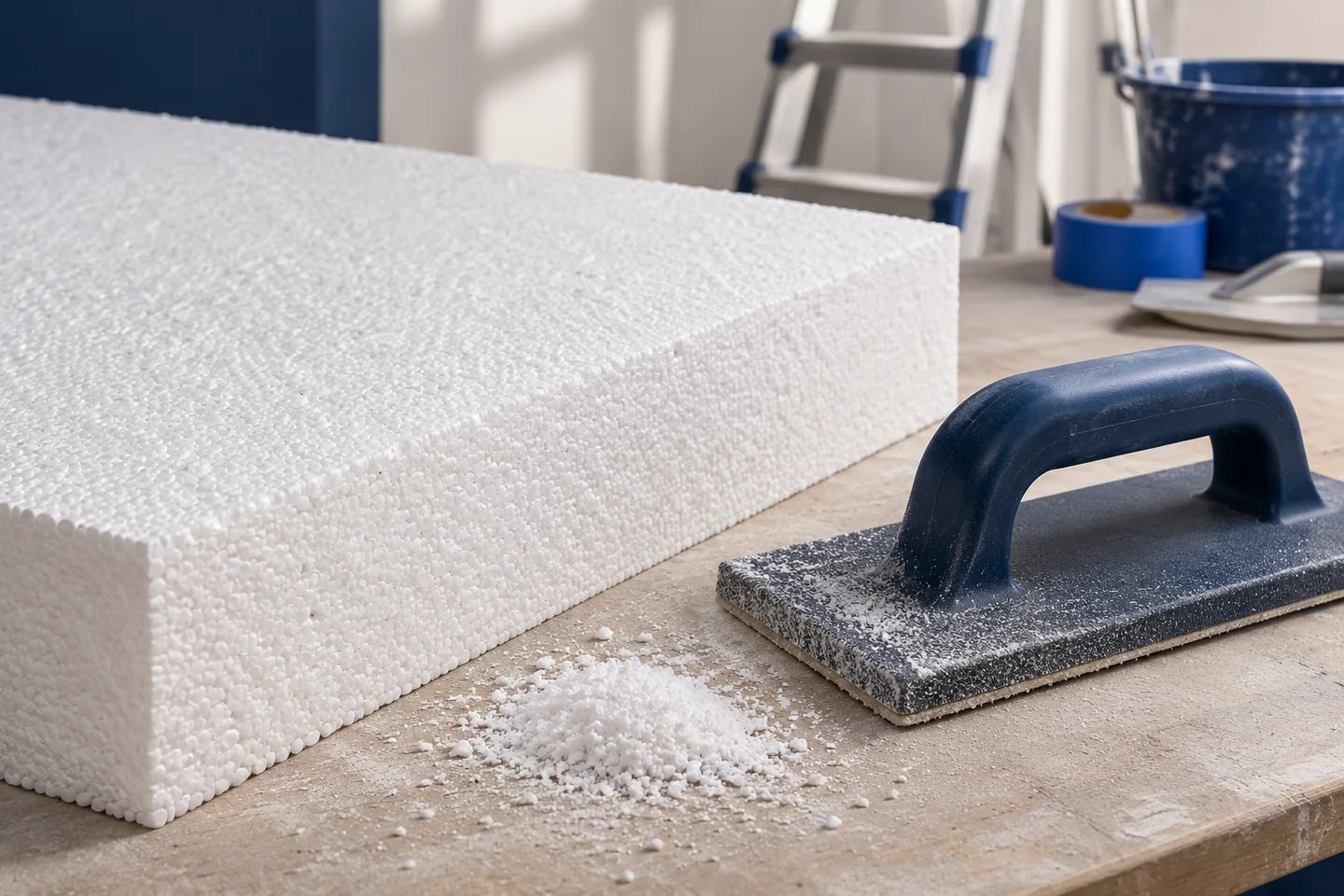
Sand facade EPS once the adhesive has cured under the conditions and for the time specified for the system, and the boards are stable. Use a straightedge in several directions: a slight step at a joint can be levelled, but a moving board or a whole wall out of line needs investigation. The aim is an even base for mortar and mesh without needlessly reducing insulation thickness. Collect the dust and check the edges; inspect again after a break or prolonged exposure.

By |2026-11-12T17:47:32+01:0012 November 2026|PIR boards and insulation|Comments Off on When should EPS boards be sanded before applying the reinforced base coat?

What should you use to fill gaps between EPS insulation boards?

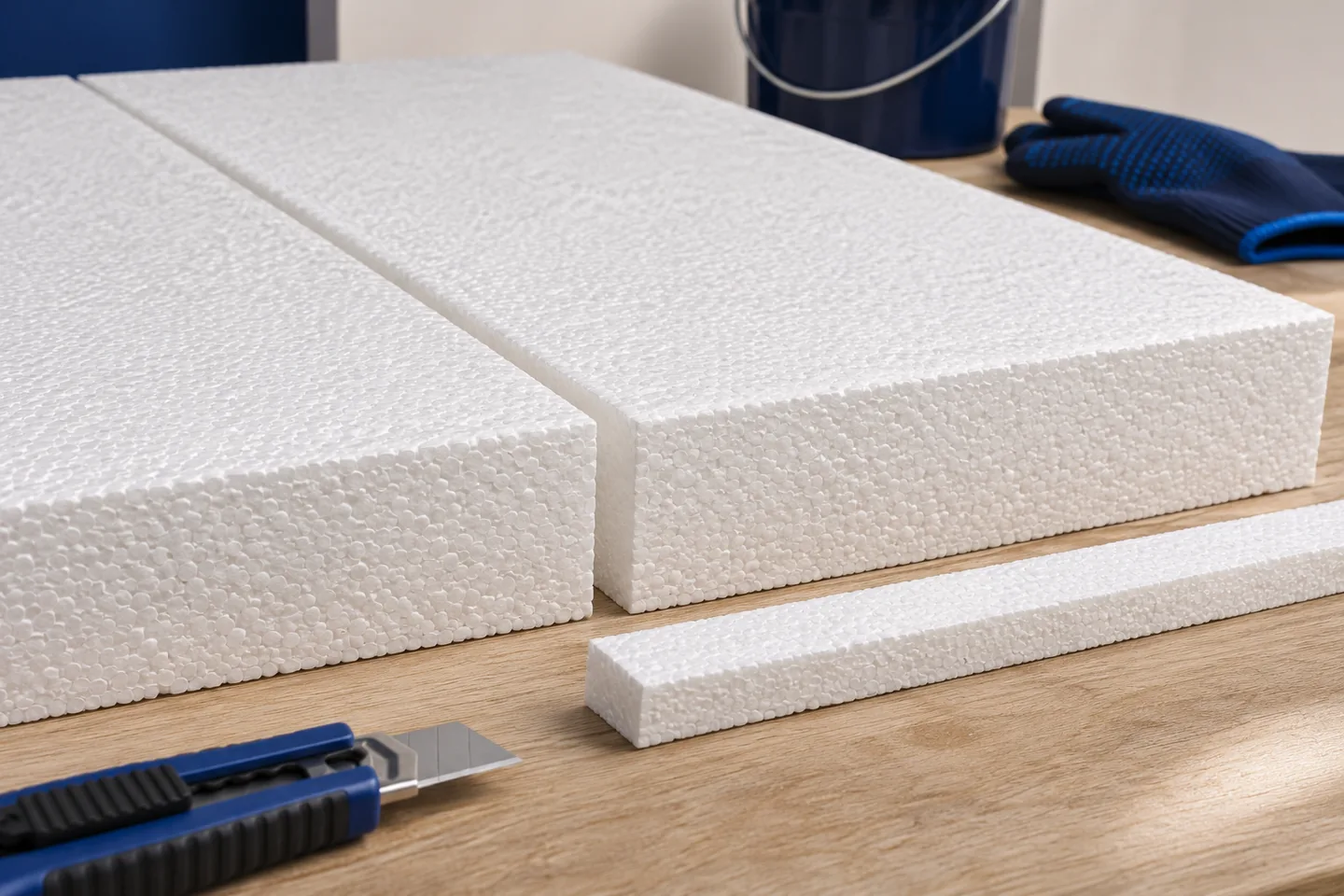
Inspect a gap between EPS boards to its full depth before applying the reinforced base coat. A poor cut, a damaged edge and a board that has warped since installation can look similar but need different repairs. First make sure both boards are firmly bonded to the wall. Then choose a close-fitting EPS strip or a system-approved filler appropriate to the gap width. Cement mortar cannot replace insulation, and closing the visible gap will not reattach a loose board.

By |2026-11-12T17:47:31+01:0012 November 2026|PIR boards and insulation|Comments Off on What should you use to fill gaps between EPS insulation boards?

How to protect graphite EPS boards from sunlight during installation

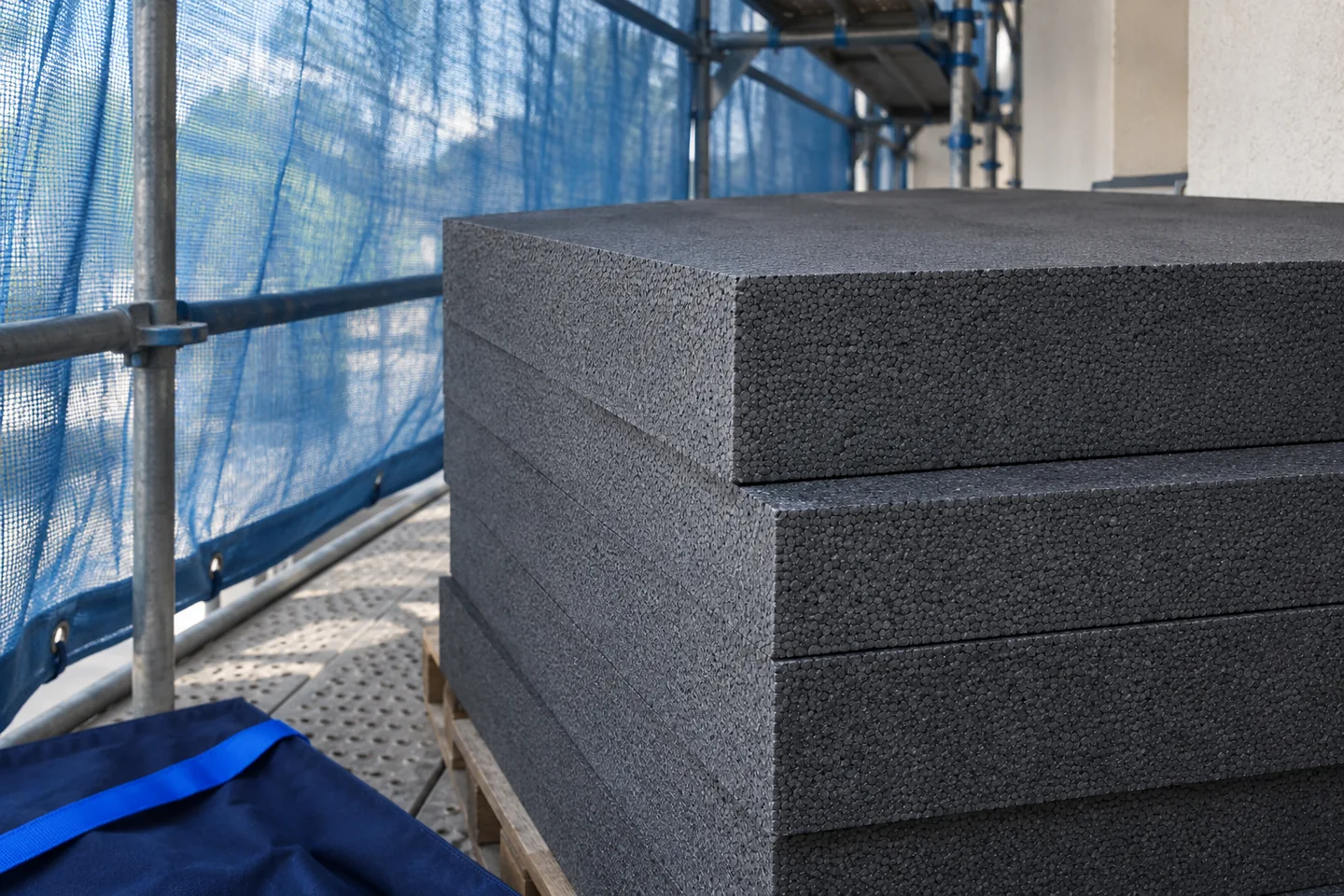
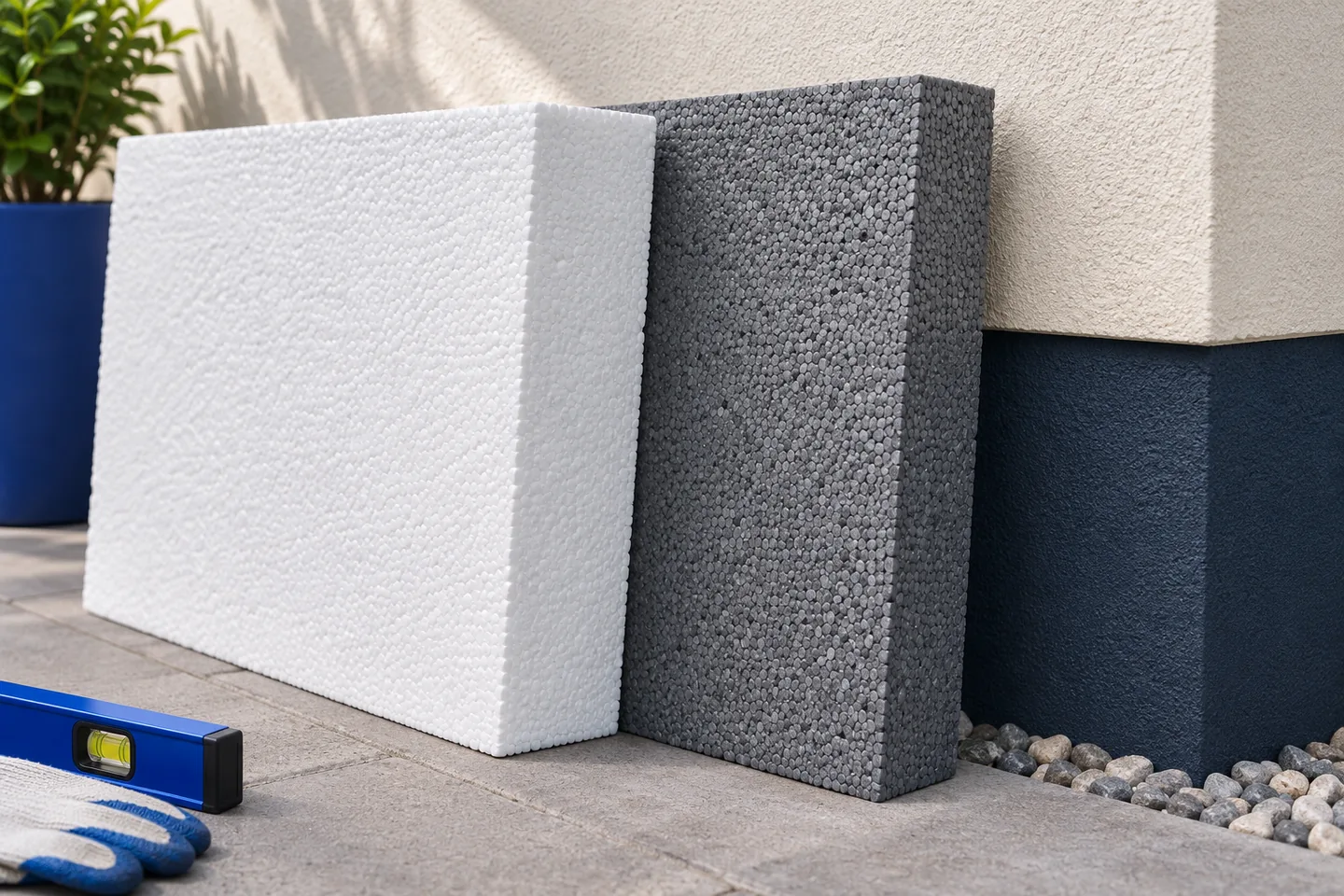
Protect graphite EPS from direct sunlight in storage, during bonding and while the adhesive sets. The dark surface absorbs more solar radiation than a light one and can become much hotter than the air. This is compatible with low thermal conductivity: uneven heating of the two faces can still distort a board and strain a fresh bond. Shade the work area before opening packs, check the shadow again in the afternoon, and inspect board joints and adhesion before applying the reinforced base coat.

By |2026-11-12T17:27:18+01:0012 November 2026|PIR boards and insulation|Comments Off on How to protect graphite EPS boards from sunlight during installation

When does EPS facade insulation need mechanical fixings?

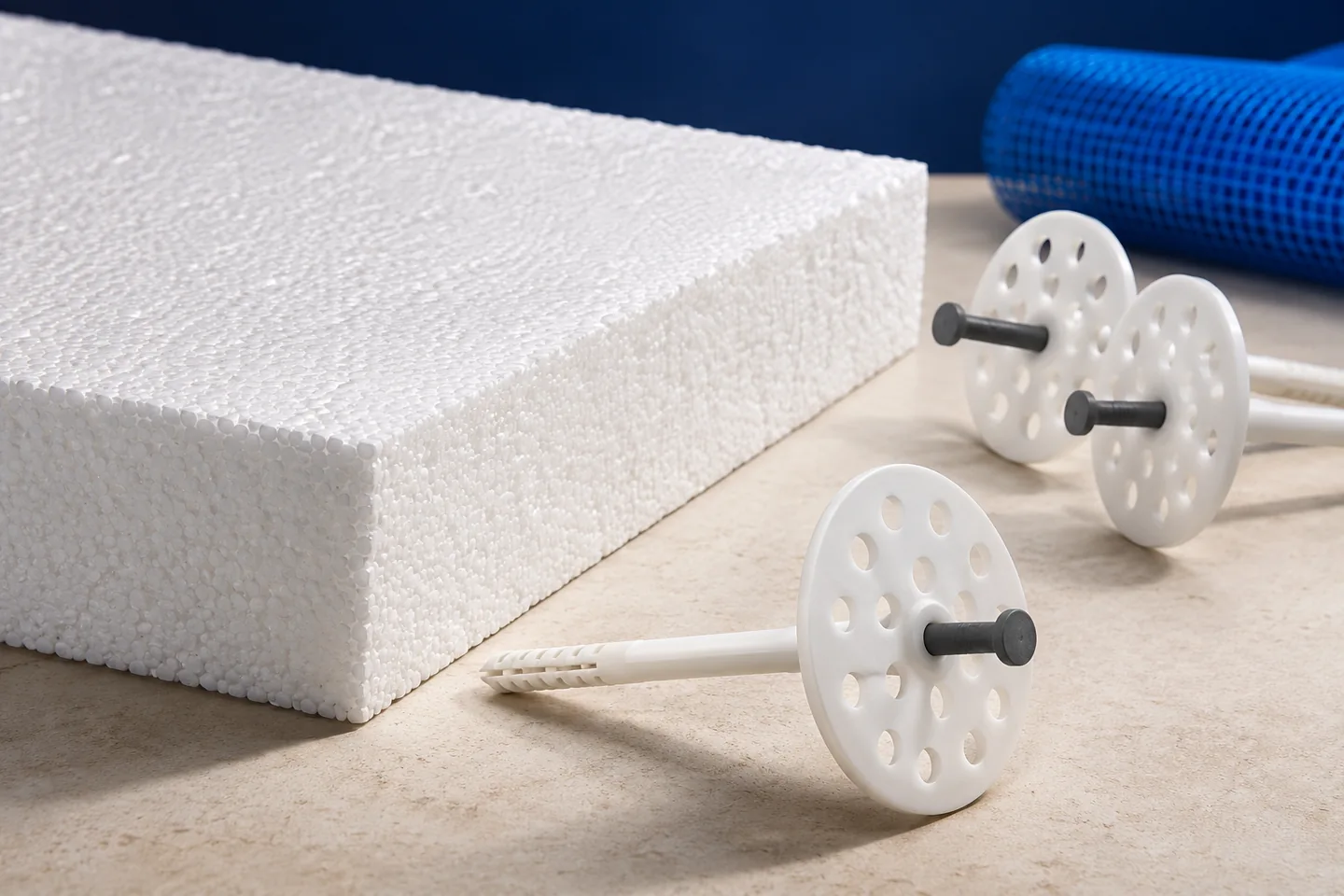
The insulation design and ETICS documentation determine whether EPS facade boards need mechanical fixings. The wall material and its condition, wind exposure, building height and position on the facade all matter. Board thickness alone determines neither the number of fixings nor their length. Measure from the fixing plate to the required embedment in a load-bearing substrate, allowing for adhesive and existing layers. On a refurbishment, establish what lies beneath the render before ordering anchors.

By |2026-11-12T17:27:17+01:0012 November 2026|PIR boards and insulation|Comments Off on When does EPS facade insulation need mechanical fixings?

Insulating window corners: how to reduce the risk of cracks in the render

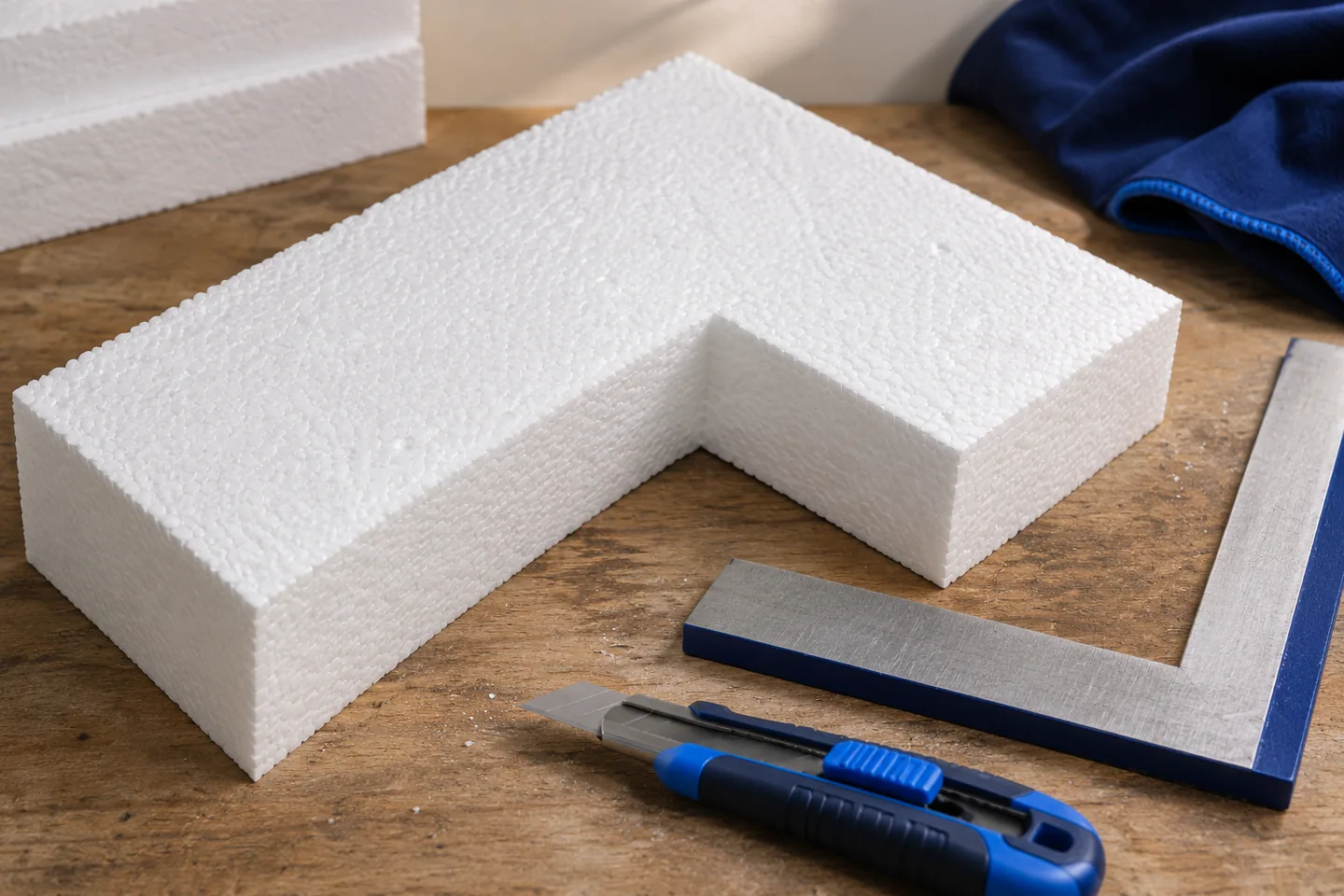
Three details work together at a window corner: an EPS board cut around the opening, diagonal mesh in the base coat and sealed junctions with the frame and sill. Each addresses a different problem. Stress concentrates at the corner; the frame and render respond differently to temperature; and the sill must shed water clear of the facade. Inspect the board pattern before embedding the mesh, then check the reinforcement and seals before rendering. A thicker layer of mortar cannot replace any of these details.

By |2026-11-12T17:27:15+01:0012 November 2026|PIR boards and insulation|Comments Off on Insulating window corners: how to reduce the risk of cracks in the render

Why stagger facade insulation board joints?

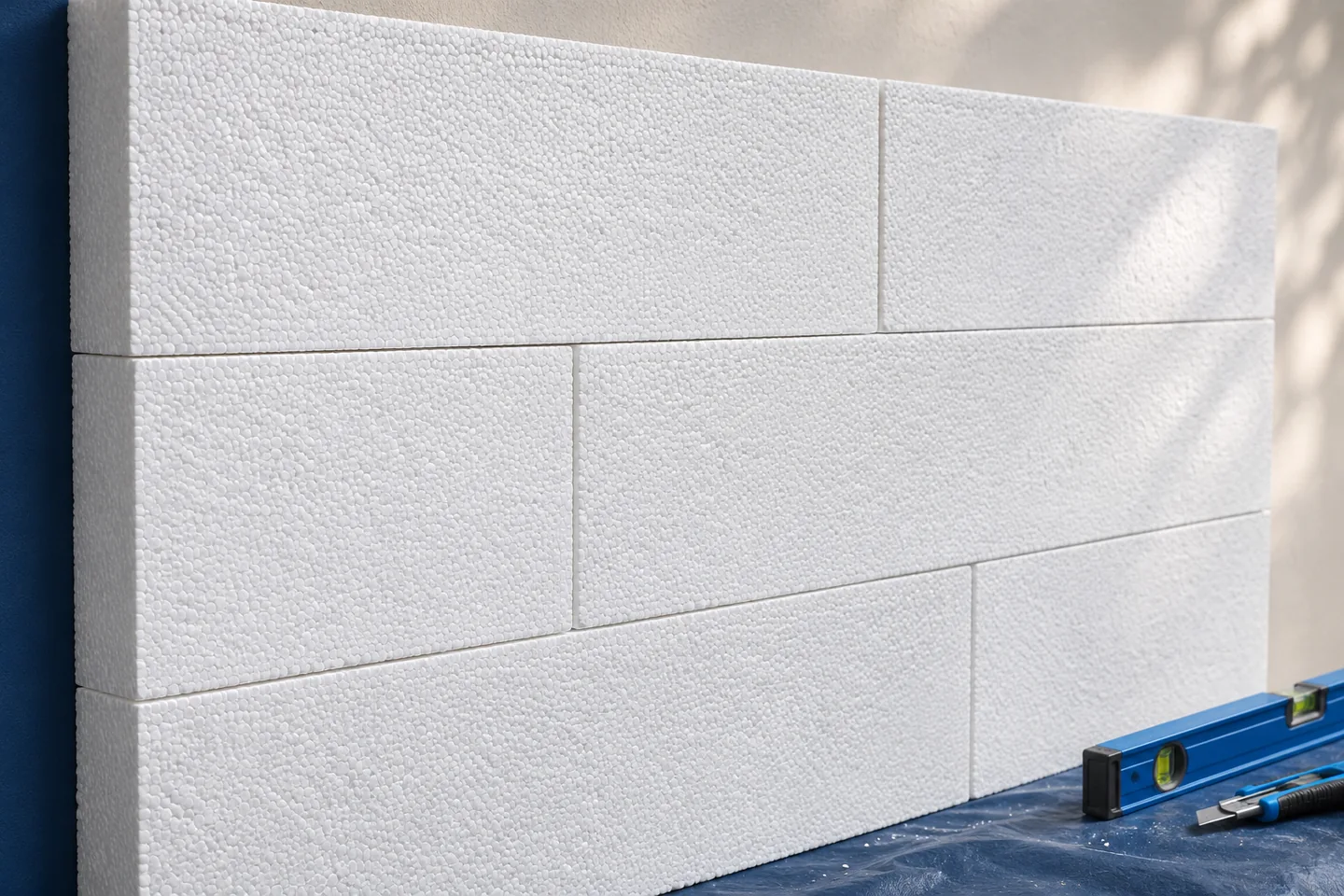
Stagger EPS facade boards so that vertical joints in successive courses do not form a continuous line. The insulation does not take on a structural role. The aim is to keep it continuous and avoid concentrating poor fits or local movement along a line that may later show through the render. Set out the first course in relation to the plinth, building corners and openings. Take the required offset from the ETICS instructions. At a structural movement joint, use a separate detail that lets the two parts move.

By |2026-11-12T17:27:14+01:0012 November 2026|PIR boards and insulation|Comments Off on Why stagger facade insulation board joints?

How to apply adhesive to EPS boards in an ETICS facade

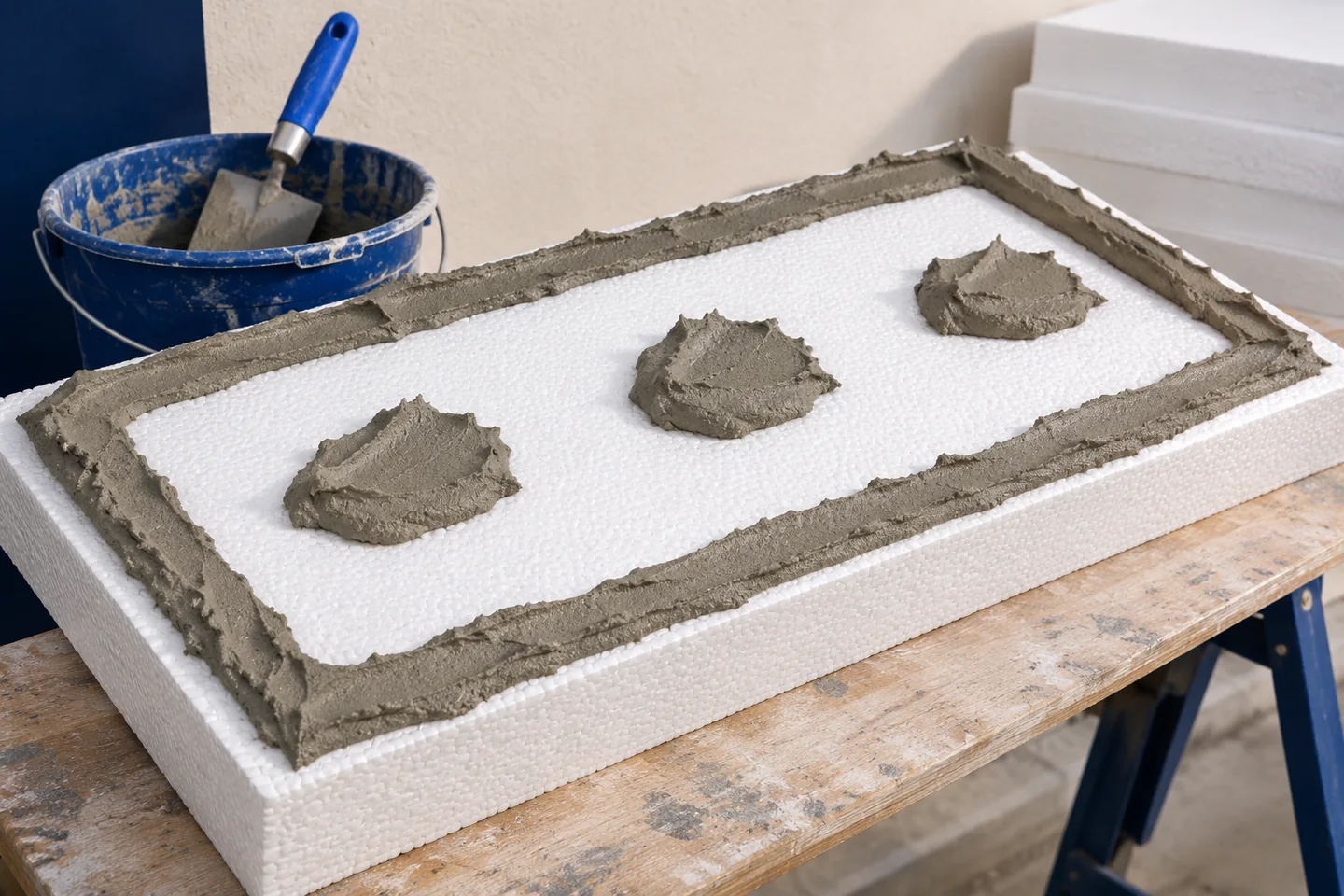
Use the bonding method specified for the substrate, EPS board and adhesive in your external thermal insulation composite system (ETICS). On a flat wall, the system may permit full-surface application with a notched trowel. With the perimeter-and-dab method, what matters is a continuous edge bead and sufficient contact after pressing the board home, rather than a particular number of dabs. Check the mortar’s intended use: a reinforced base coat is also suitable for bonding EPS only if the manufacturer specifies both uses.

By |2026-11-12T17:27:13+01:0012 November 2026|PIR boards and insulation|Comments Off on How to apply adhesive to EPS boards in an ETICS facade

How to check a wall before bonding EPS insulation

Before bonding expanded polystyrene (EPS) insulation, check that the wall is sound, dry, clean and flat enough for the specified adhesive. Inspect the whole elevation, especially the plinth and the areas below window sills and around downpipes. Mark cracks, water stains, hollow-sounding render and previous repairs. On an old coating, a bond test can help establish whether the paint, render or adhesive interface gives way. Take both close-up photographs and wider views of defects and repairs before covering the wall.

By |2026-11-12T17:27:11+01:0012 November 2026|PIR boards and insulation|Comments Off on How to check a wall before bonding EPS insulation
Back to top