






Corrugated fibre cement sheets: what does “asbestos-free” tell a buyer?
Fibre cement roofing
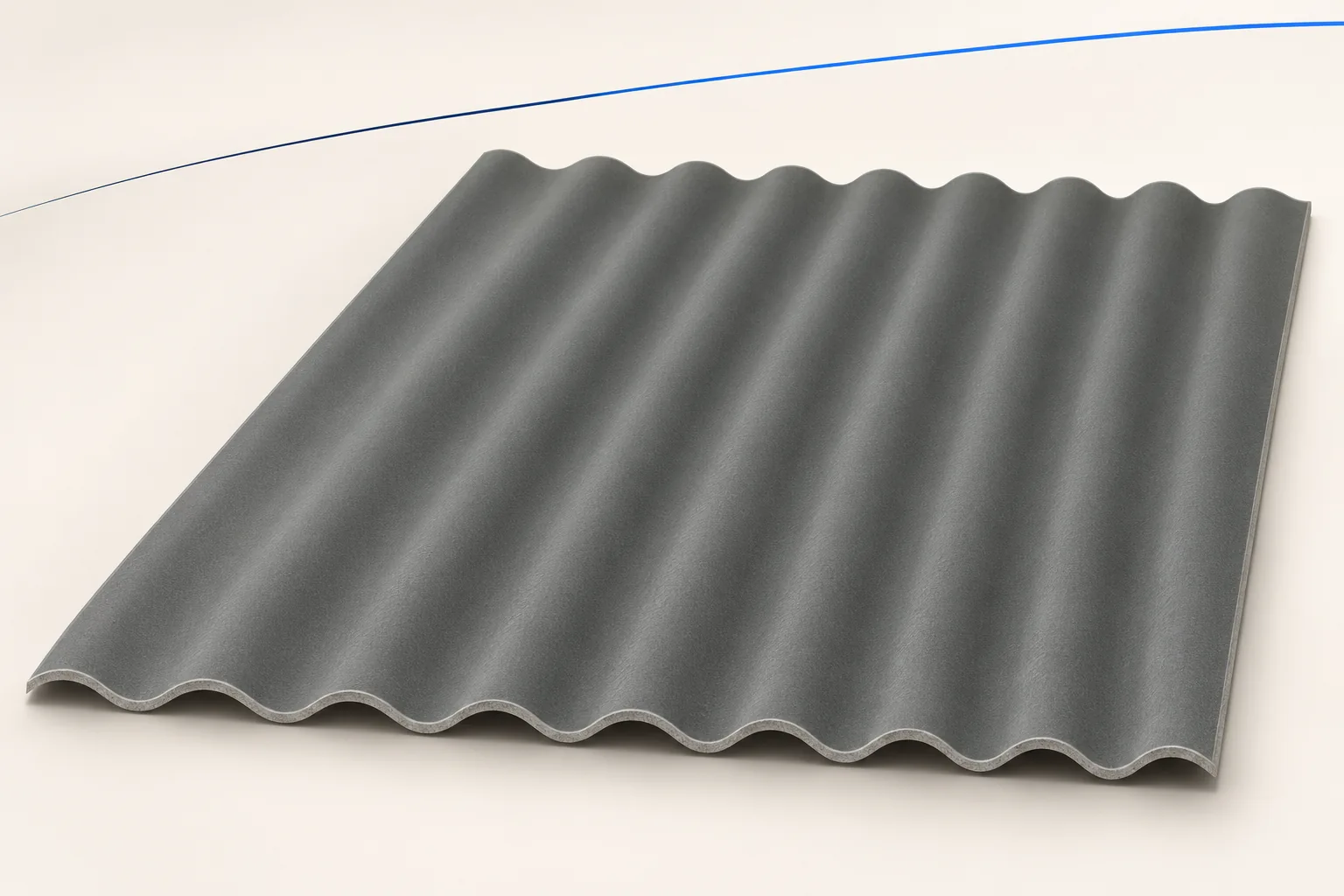
Buyers in Poland searching for “eternit bezazbestowy” usually mean modern asbestos-free corrugated fibre cement sheets. These sheets consist of a cement matrix reinforced with fibres and are made for specified roof or façade applications. They are neither metal sheets nor insulated sandwich panels. The fibres and other constituents depend on the particular product; data sheets may list cellulose and synthetic fibres. Modern asbestos-free fibre cement should not be confused with old asbestos cement. Before comparing prices, identify the profile, effective cover dimensions and permitted use. Two sheets that look alike need not fit the same roof or accessories.
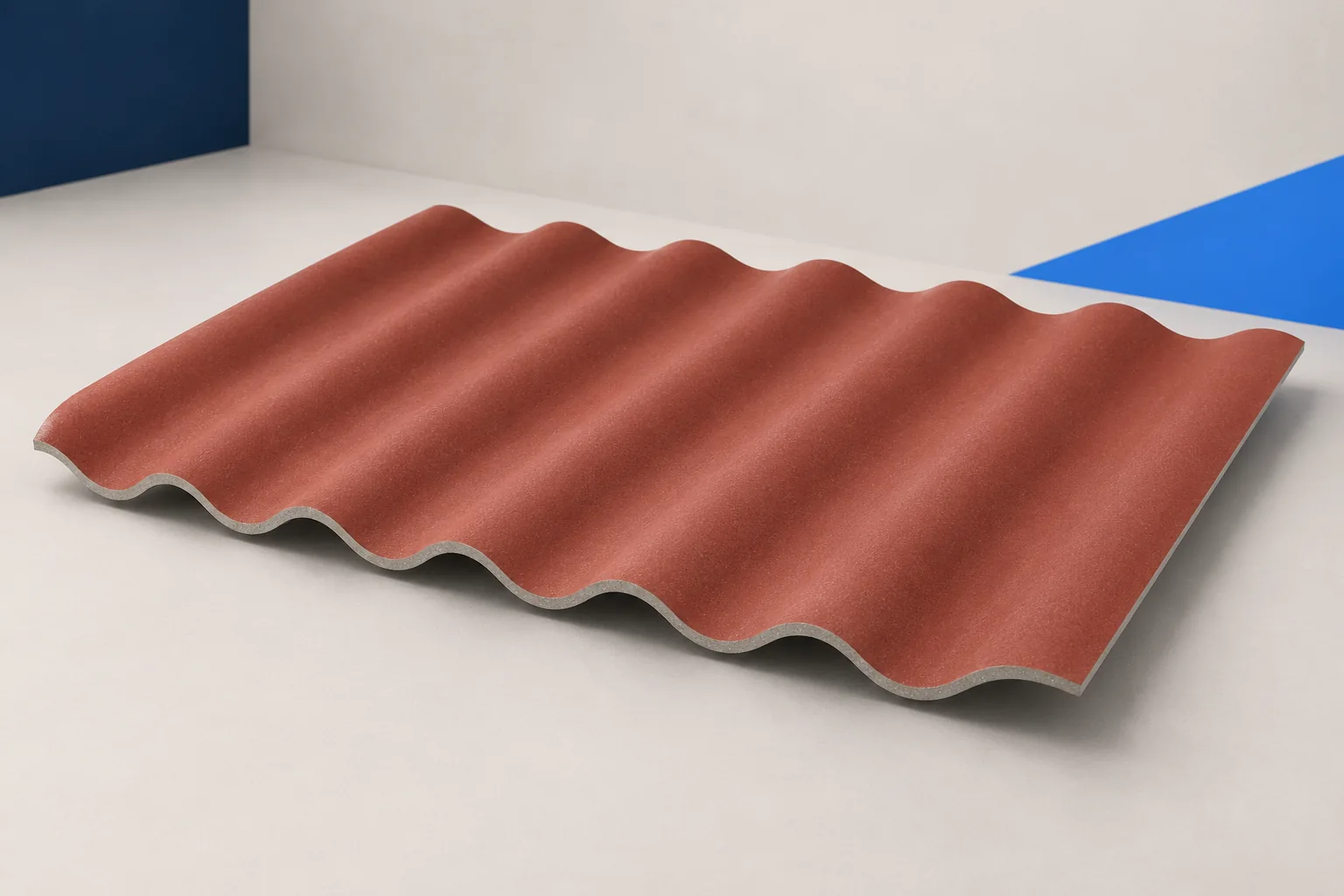
What are modern sheets made of?
Modern products confirmed as asbestos-free are a different material from asbestos cement. They still need to be worked correctly. Cutting and drilling can generate dust: follow the product instructions and safety data sheet. Asbestos-free does not mean unrestricted grinding or working without protection.
What does the corrugated profile do?
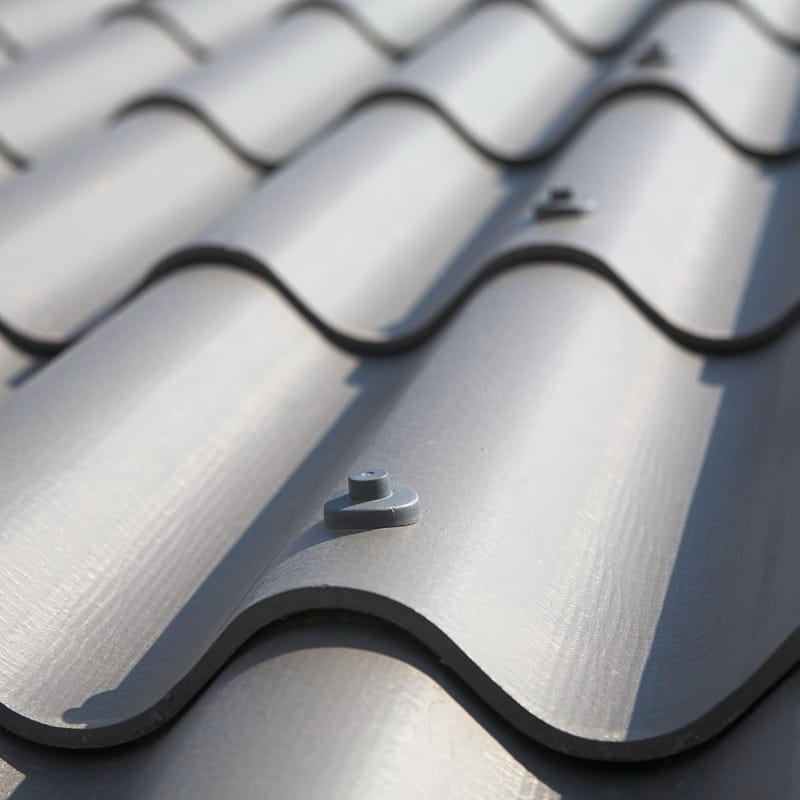
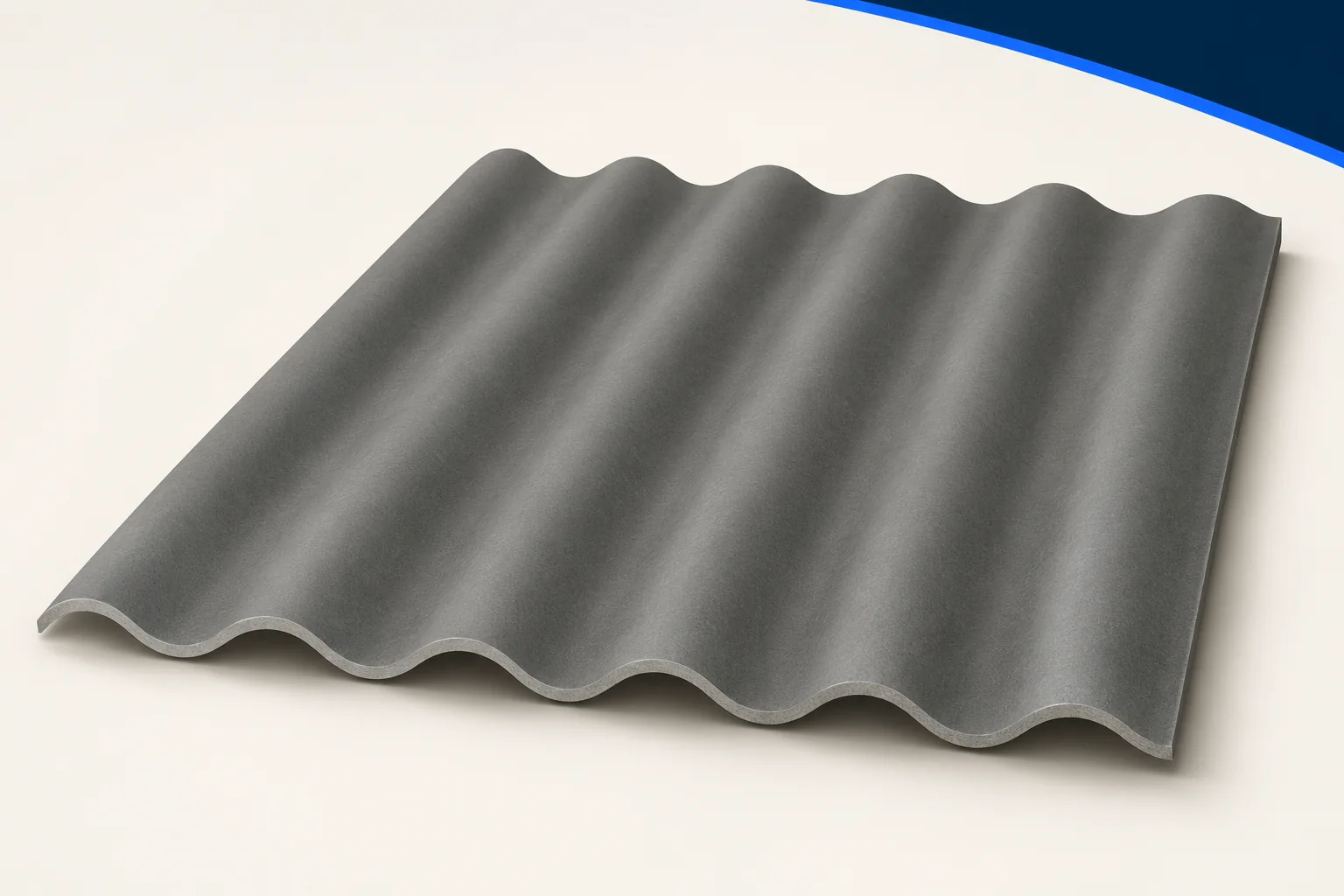
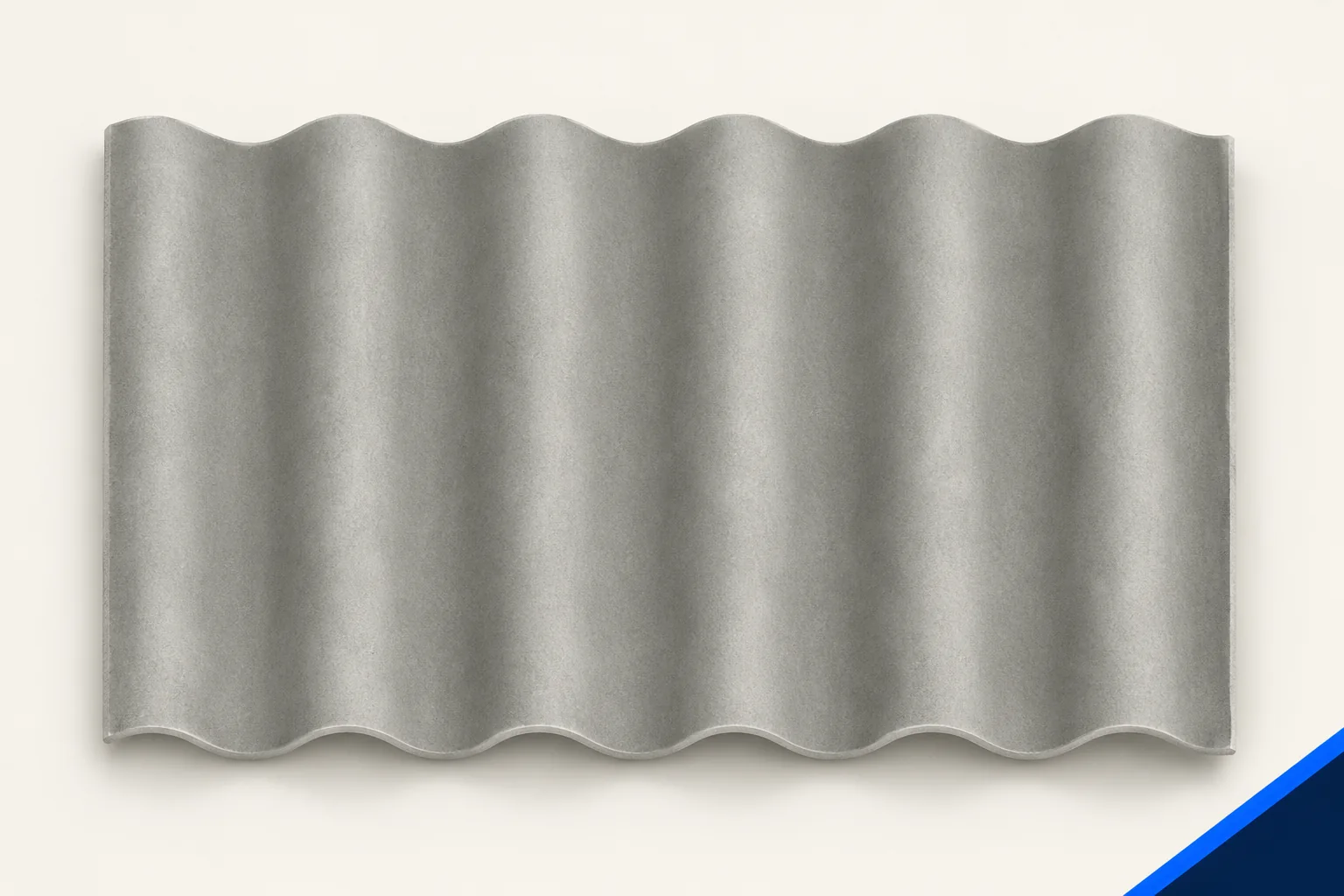
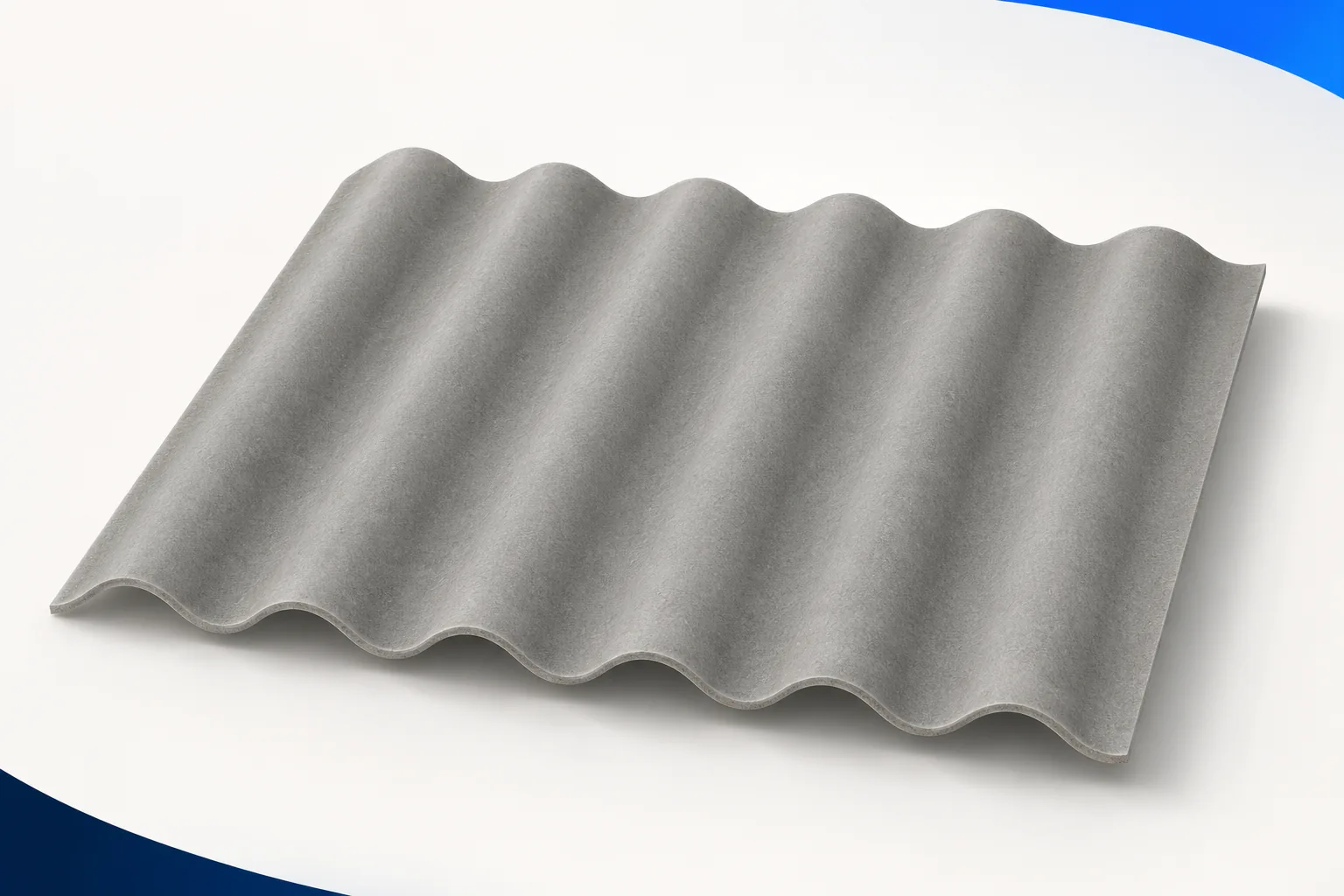
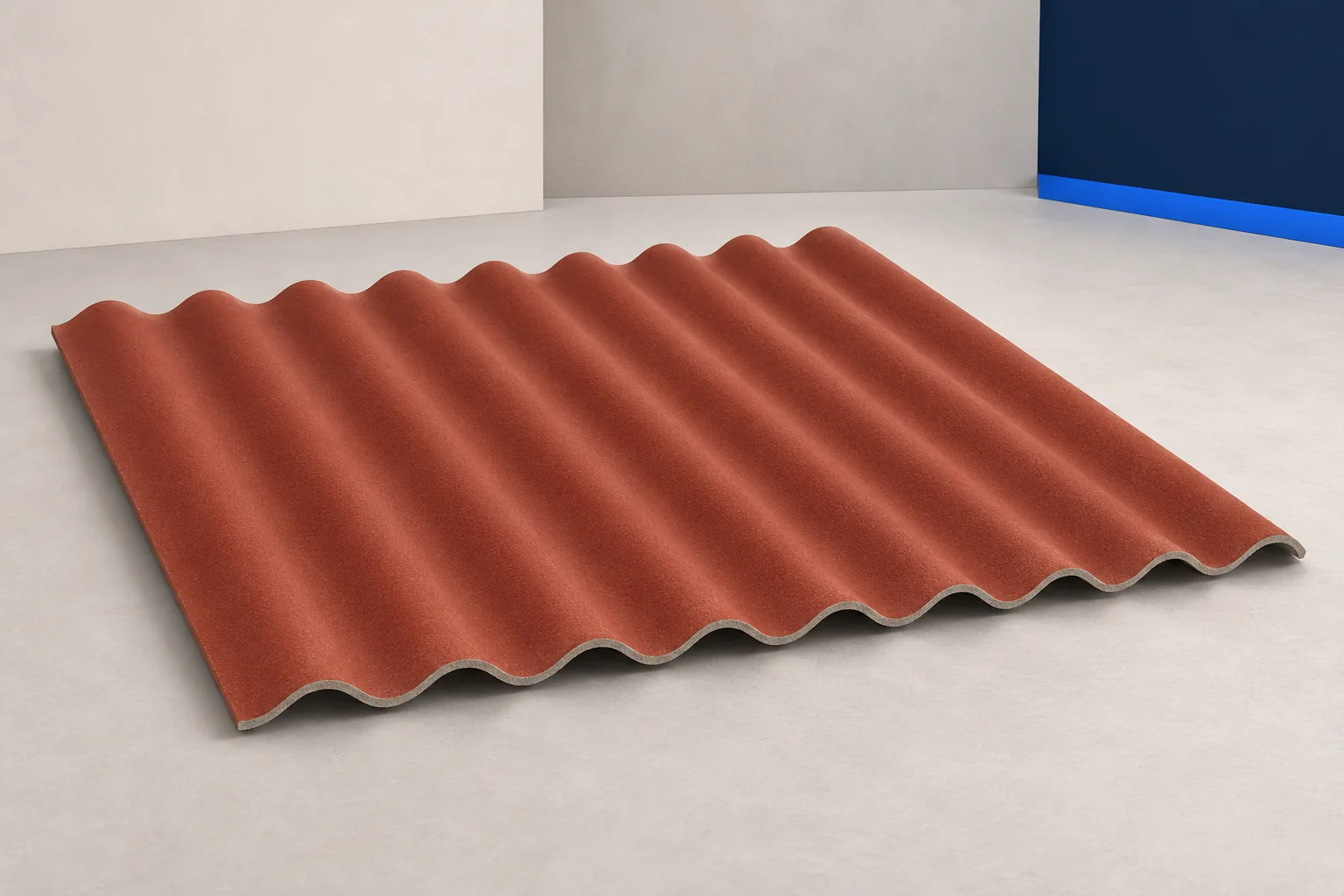
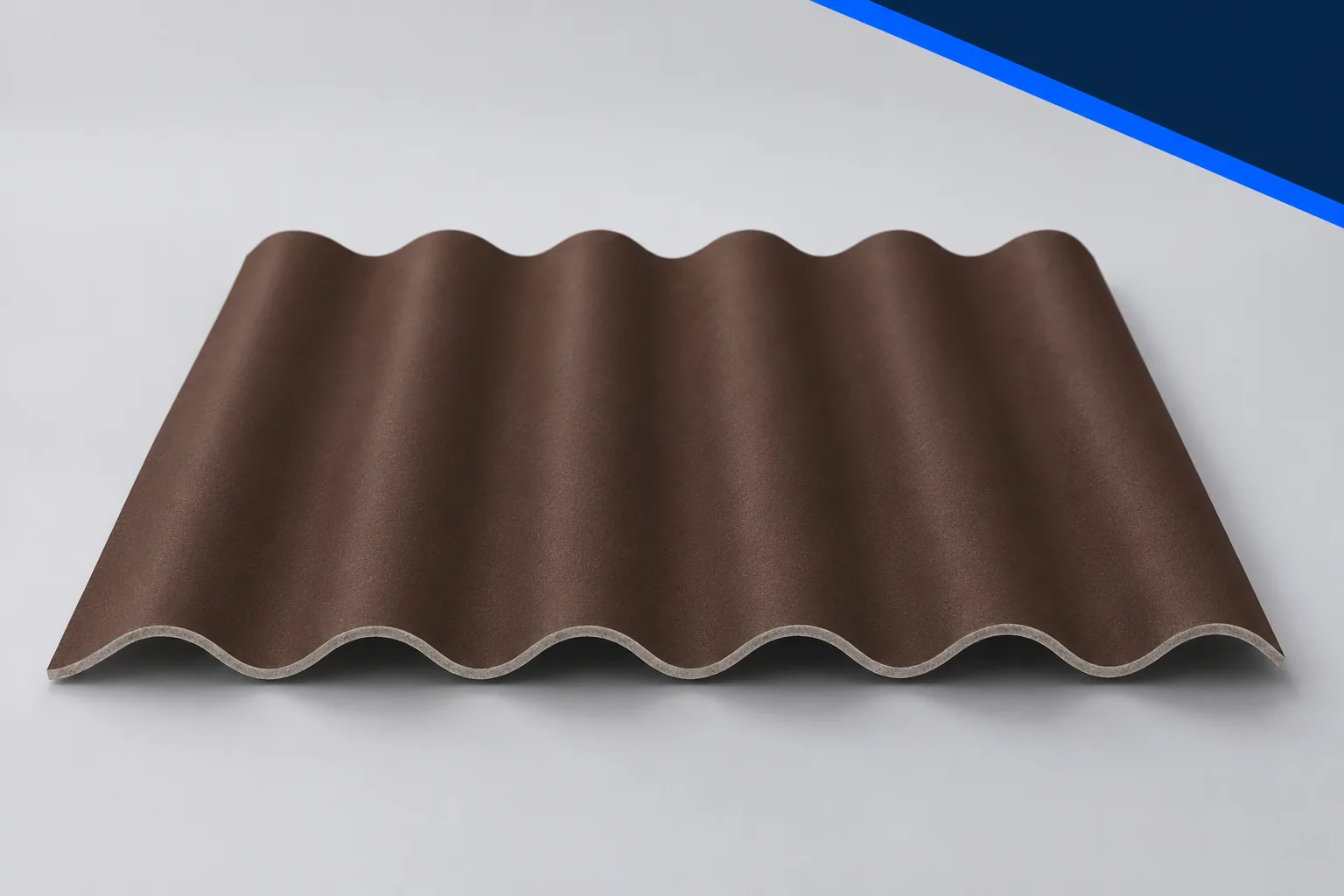
Corrugations help channel rainwater and work with the specified supports and fasteners. Wave pitch, height and the shape of the side edges determine how adjacent sheets overlap. Look up the profile before buying ridge pieces, edge trims or translucent sheets. Matching the colour or counting waves in a photograph is not enough. The technical drawing shows how the side lap fits and how much width is left to cover the roof.
Why are the cover dimensions smaller?
Each sheet partly covers its neighbour. These laps are necessary but reduce effective cover. A price per nominal square metre of sheet is therefore different from a price per square metre of finished roof. Calculate from the row layout and laps required for the installation, including cuts at edges and changes of direction. Record overall and cover dimensions separately when comparing quotations. Ask for a sketch showing where cover is measured: it helps catch underestimated quantities and gives the roofer a layout to check before work begins.
What can the covering offer a building?
Fibre cement sheets are used on farm buildings, industrial premises, outbuildings and appropriately designed homes. Their mineral appearance, the fact that the sheet itself does not rust, and the stated fire performance of a particular variant can matter when choosing. The covering may also influence rain noise and temporarily buffer moisture. It cannot by itself guarantee quiet, stable temperatures or freedom from condensation. Those depend on the whole roof, ventilation and use. A weather covering does not replace the other layers needed above a heated room.
Which documents should a buyer ask for?
Obtain the data sheet, declaration of performance and current installation instructions for the specific product. The quotation should identify profile, length, surface finish and preparation for laying. Standard sheets and versions supplied with pre-drilled holes or pre-cut corners can have different laying requirements. Match fasteners and fittings to the selected sheet. Read the warranty terms separately: cover for the sheet may differ from cover for its colour, and installation and maintenance requirements can affect a later claim.
What can thickness alone not tell you?
A thicker sheet does not automatically allow wider support spacing. Check the product properties, length, design loads and system rules, as well as the capacity of the supporting structure. Fibre cement sheets can be damaged by concentrated loads: do not walk directly on them. Reinforcing strips in some sheets do not replace staging or safety equipment. If the quotation gives only thickness and price, obtain the missing design information before confirming quantities and installation dates.
What belongs in a first enquiry?
Describe the building and its use, roof dimensions and pitch. For a refurbishment, include information about existing supports and photographs of junctions. Mark penetrations, rooflights and planned equipment. This lets the supplier choose a suitable sheet and allow for the fittings. A price for a “standard corrugated sheet” tells you little on its own. Agree the scope of supply, unloading and storage. A useful quotation identifies what has been counted and which measurements still need confirmation.
Compare the sheet quantity in the quotation with the rows on the sketch. Look for ridge pieces and edge trims separately: the price of sheets alone does not tell you what it costs to cover the whole slope.

Free quote
What to include in your enquiry
Tell us how you plan to use the material, the dimensions and the quantity you need. Include the thickness, grade or variant name, along with the delivery town or your preferred collection branch. For a specific product, add its name or a link to the product page. We will reply to the email address you provide to discuss availability and the terms of your order.
More from the building guide
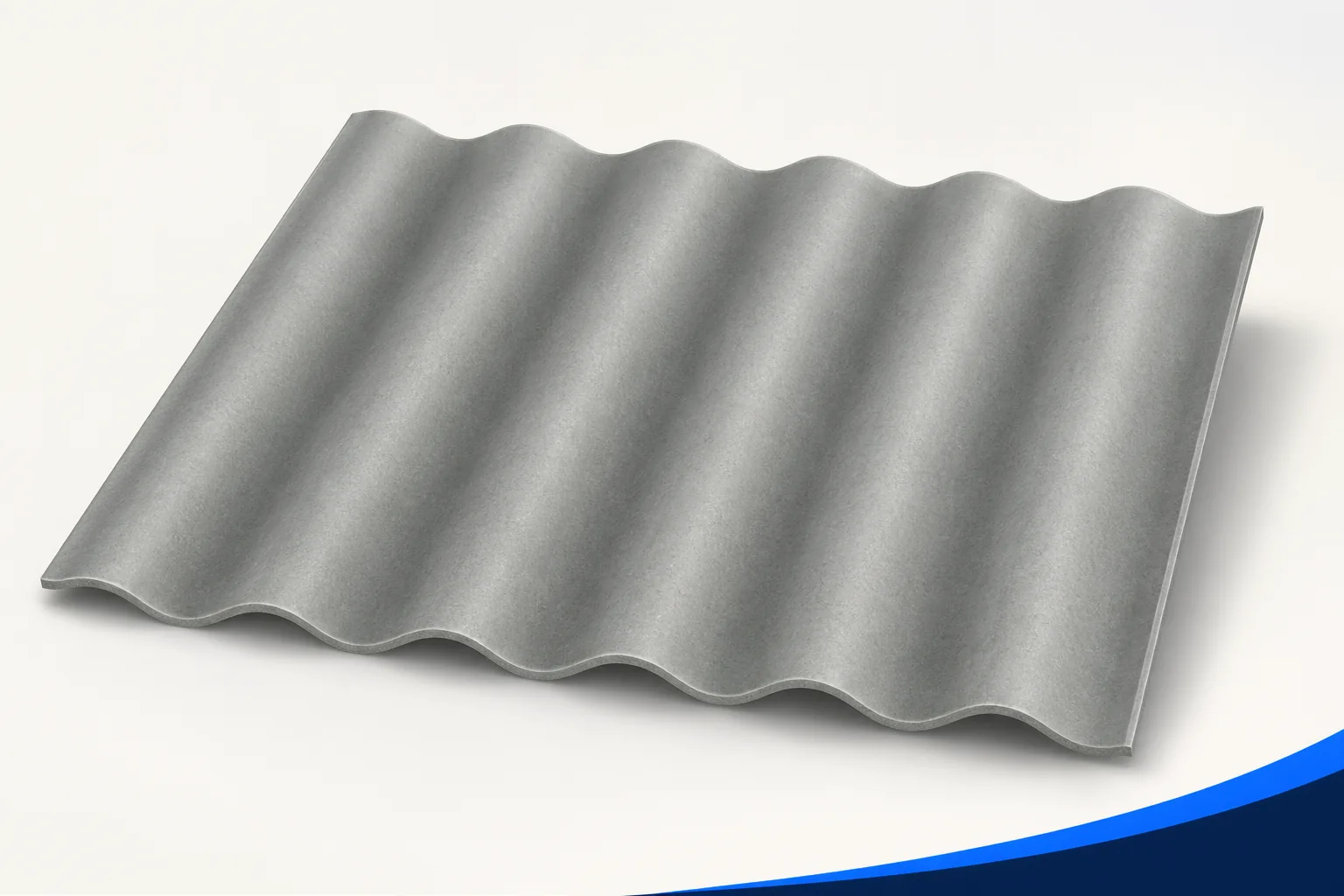
Two quotations showing similar corrugated fibre cement sheets may buy different amounts of finished roof. A price per sheet, per square metre…
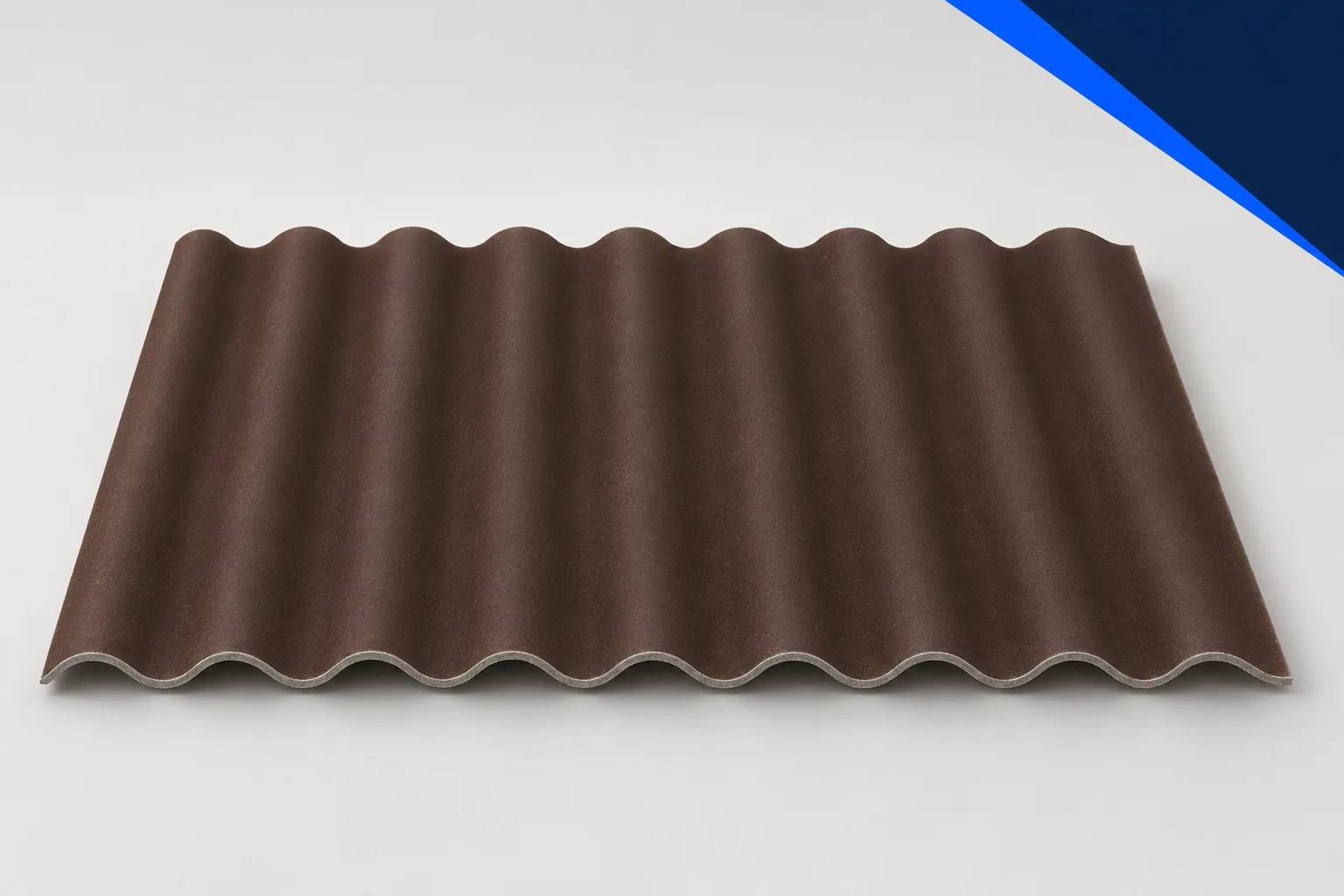
The markings on a fibre cement roofing sheet answer different questions. Some identify the material or profile; others describe performance under a…
Start with the building and the result you want. You do not need specialist vocabulary to ask how the roofer will choose…
Decide whether to do the work yourself by considering the entire job, not just the roof area. Corrugated fibre cement needs the…
Find out why a fibre cement sheet has cracked before deciding how to repair it. Impact, a fixing pulled too tight or…
Fibre cement describes a material, not a single interchangeable product. It can be made into corrugated roof sheets, flat cladding, sheathing and…
A photograph and a price per square metre tell you little about whether fibre cement sheets will fit your roof. Before placing…
Start with what happens beneath the roof and what the structure can carry. Sheet size and colour come later. Corrugated fibre cement…