






What do the markings on a fibre cement roof sheet mean?
Fibre cement roofing
The markings on a fibre cement roofing sheet answer different questions. Some identify the material or profile; others describe performance under a particular test. Read the delivery label alongside the technical drawing, data sheet and installation instructions. A trade code may refer to a profile family rather than the overall or effective sheet width. Side edges form part of the lap, so check the dimensions on the drawing instead of calculating them from the name. There is no single class of asbestos-free sheet suitable for every roof. Establish what each symbol describes before comparing two offers.
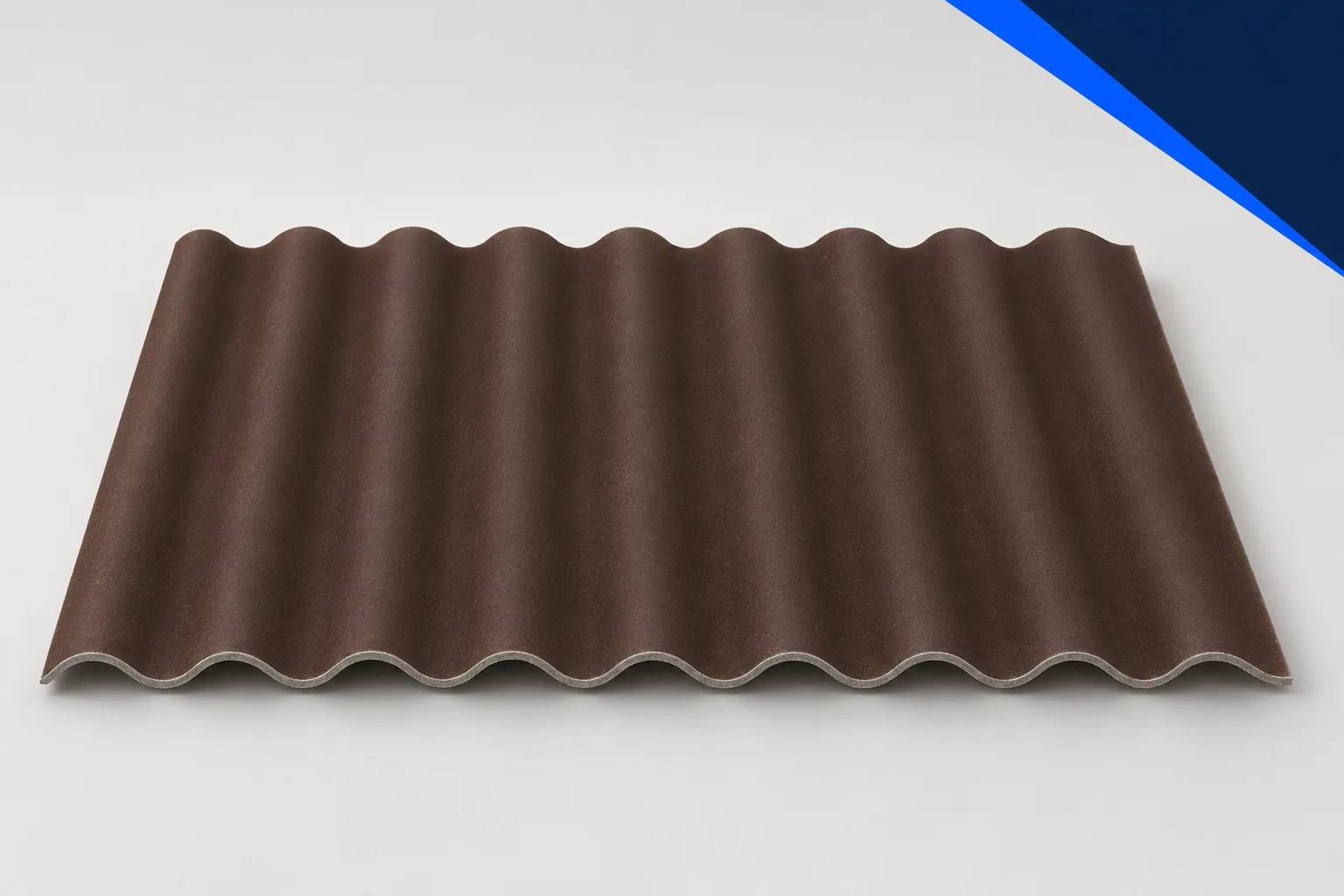
The profile name identifies a particular product
Record the full variant, length and finish. Similar codes in different systems do not prove compatibility. Match the documents to both the order line and the delivery label; years later, these records can identify a replacement for a single damaged sheet.
NT identifies the manufacturing technology
On modern sheets NT denotes asbestos-free technology. It says nothing about the capacity of the complete roof or its resistance to rain at any pitch. Check the specified supports, slope and joints. Do not identify old sheets by resemblance to new ones. Look for records and legible markings; if the composition remains uncertain, do not break or drill a sheet to find out. Arrange identification separately from choosing the replacement roof.
The standard identifies the product group
EN 494 covers profiled fibre cement sheets and their fittings. Flat sheets have a different product standard. Do not transfer performance figures between the two because their composition is similar. Check the declared use, edition and exact variant, especially where an old data sheet or a single brochure covers several products. A standard number is neither a laying instruction nor a permissible support spacing for every structure.
A mechanical class is not the load capacity of a roof
A class describes specified product properties under test conditions. Breaking load is not the permissible service load on an arbitrary roof. Support spacing, fixings, exposure and design loads matter together. Wind and snow cannot be assessed from a letter alone. Ask the supplier for the relevant product figures and have the designer apply them to the building.
Reaction to fire concerns the product
A1 and A2-s1,d0 are examples of reaction-to-fire classifications for a particular product. They do not state the fire resistance of a complete roof. A coated sheet may have a different declaration from a natural finish. Fire resistance depends on the assessed assembly, including its timber or steel structure and internal layers. A mineral covering alone does not establish that a project requirement has been met.
Dimensions and weights need a stated basis
Overall width is not cover width. Weight per sheet differs from weight per nominal square metre and from installed weight including overlaps. Likewise, material thermal conductivity is not roof thermal transmittance. Keep units, conditions and table headings with every figure when comparing quotes; an apparent advantage may simply reflect a different basis.
Declaration, manual and warranty serve different purposes
The declaration describes performance, the instructions explain permitted use and the warranty lists the terms of cover. Obtain all three for the sheet supplied. Formats and variants may change between editions. If a quotation and data sheet disagree, resolve the difference before ordering rather than choosing the more favourable value. Correct records will also help you inspect or repair the roof later.
For each symbol, identify whether it describes the material, sheet, joint or whole assembly. Only then use its value to make a roofing decision.

Free quote
What to include in your enquiry
Tell us how you plan to use the material, the dimensions and the quantity you need. Include the thickness, grade or variant name, along with the delivery town or your preferred collection branch. For a specific product, add its name or a link to the product page. We will reply to the email address you provide to discuss availability and the terms of your order.
More from the building guide
Find out why a fibre cement sheet has cracked before deciding how to repair it. Impact, a fixing pulled too tight or…
A building's length and width are not enough to order corrugated fibre cement sheets. Measure each sloping roof face, including its eaves,…
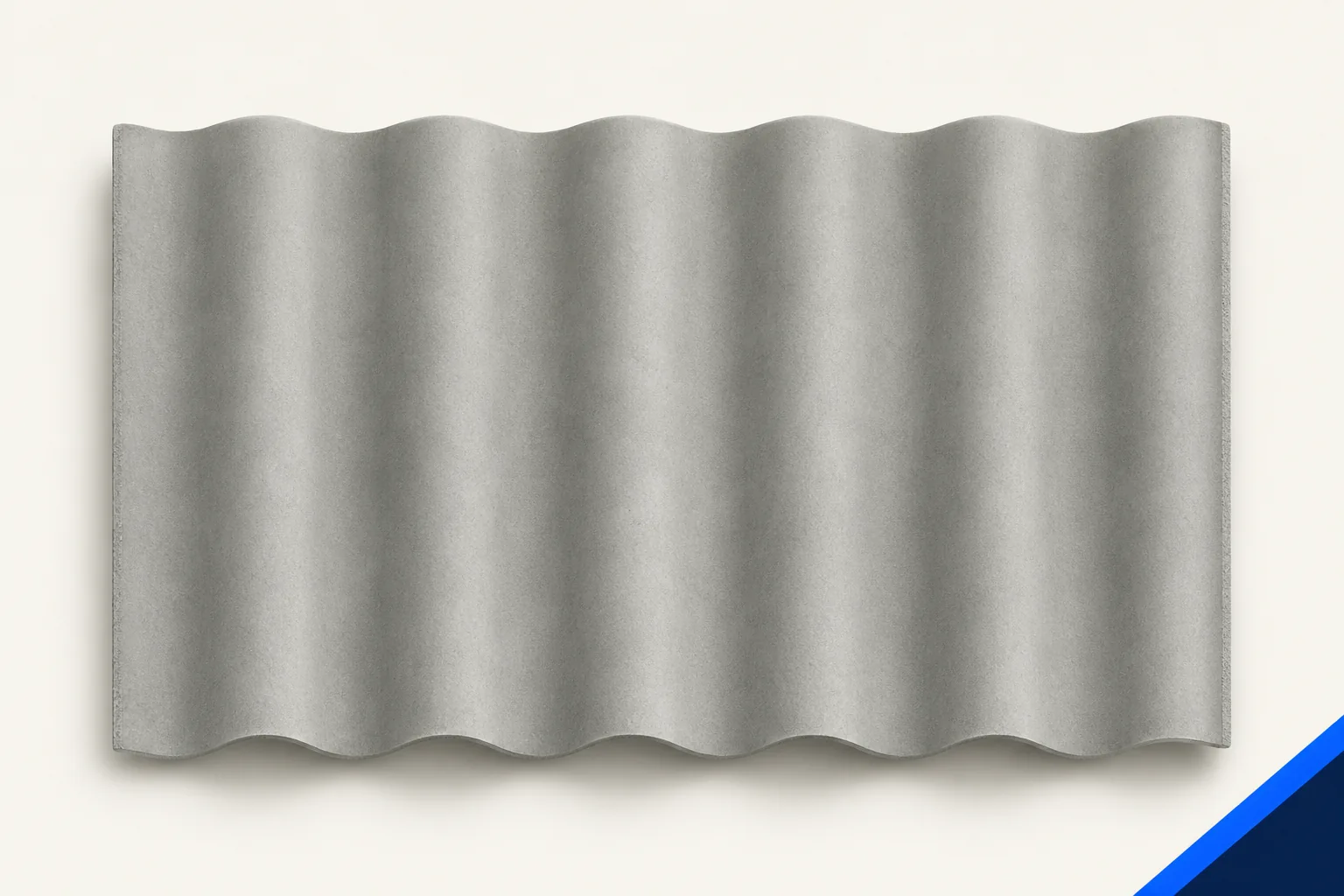
Corrugated fibre cement can cover a garage if the structure, pitch and intended use suit the system. A small roof still needs…
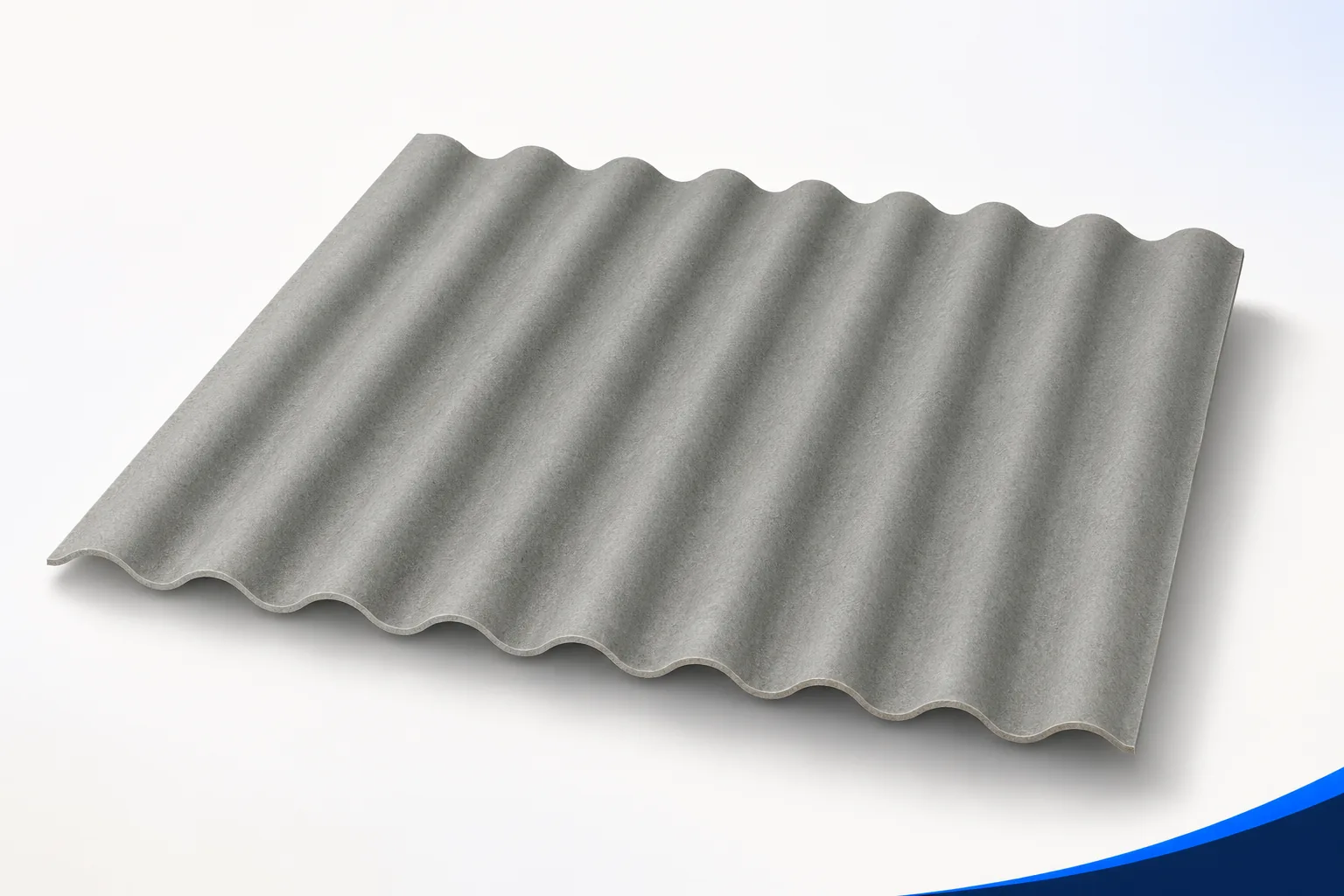
Check the delivery before the sheets reach the roof. Compare labels, quantities and documents against the order; colour alone will not distinguish…
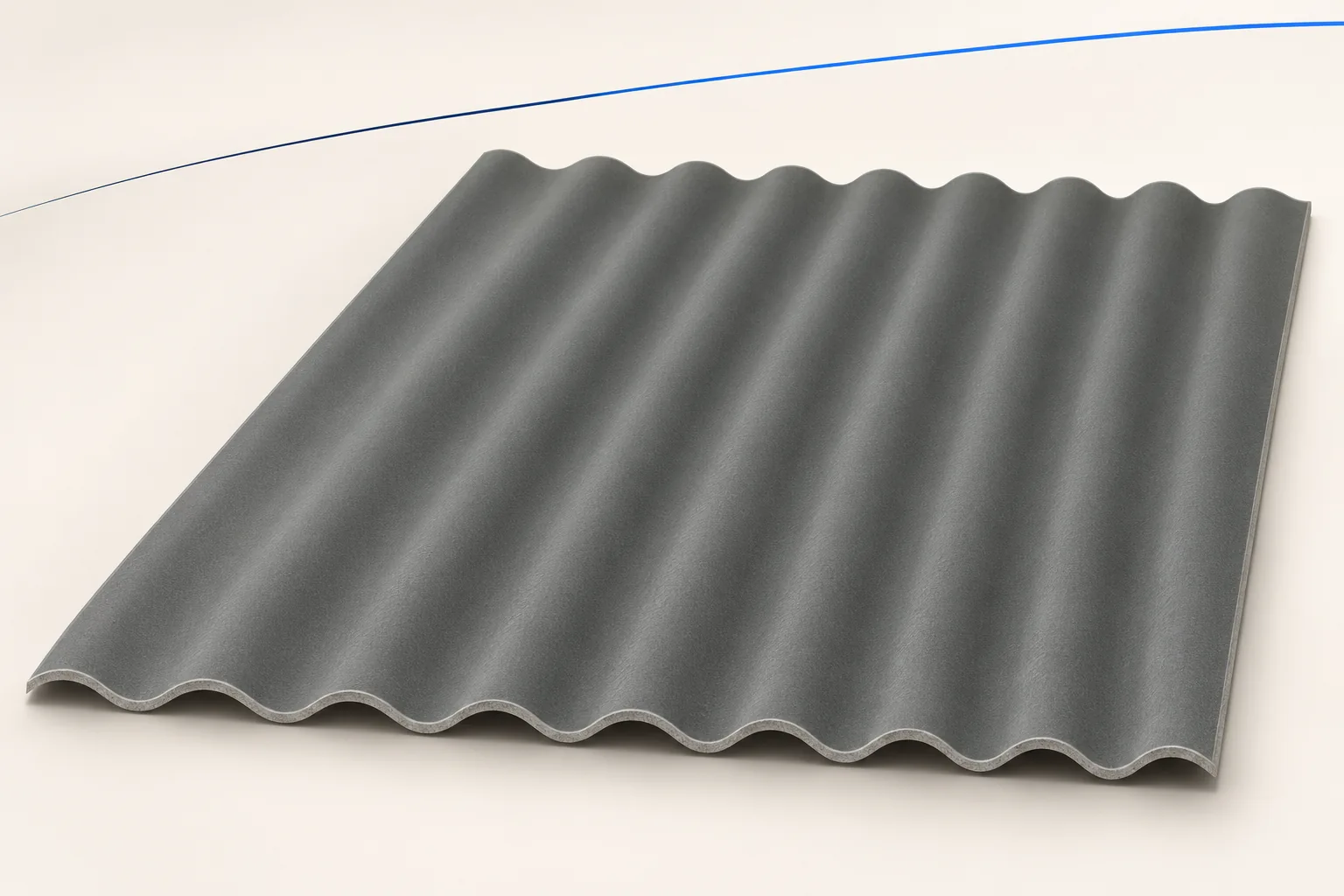
A photograph and a price per square metre tell you little about whether fibre cement sheets will fit your roof. Before placing…
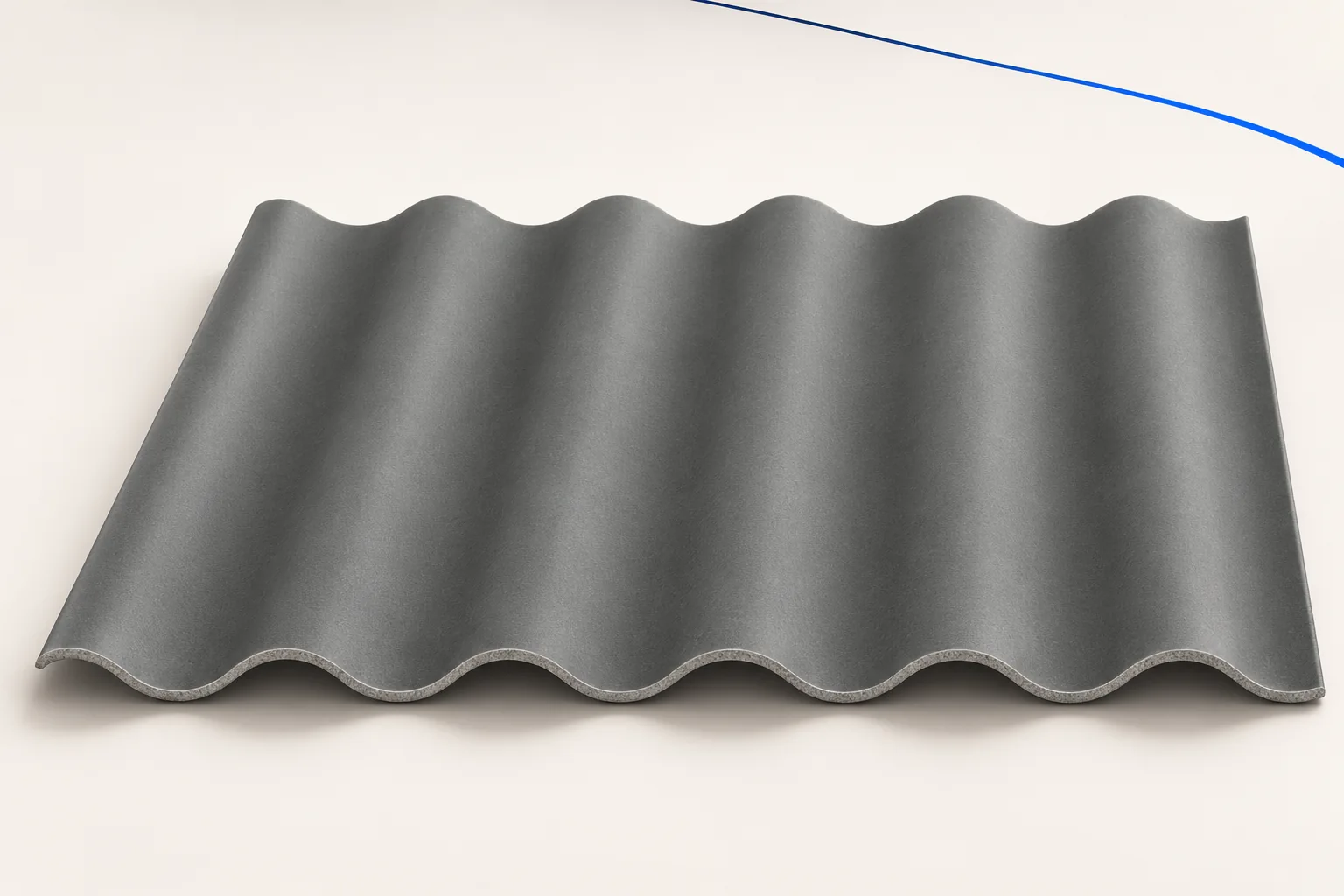
Counting the corrugated sheets is only the start of a roof order. Corrugated fibre cement will keep out rain only when its…
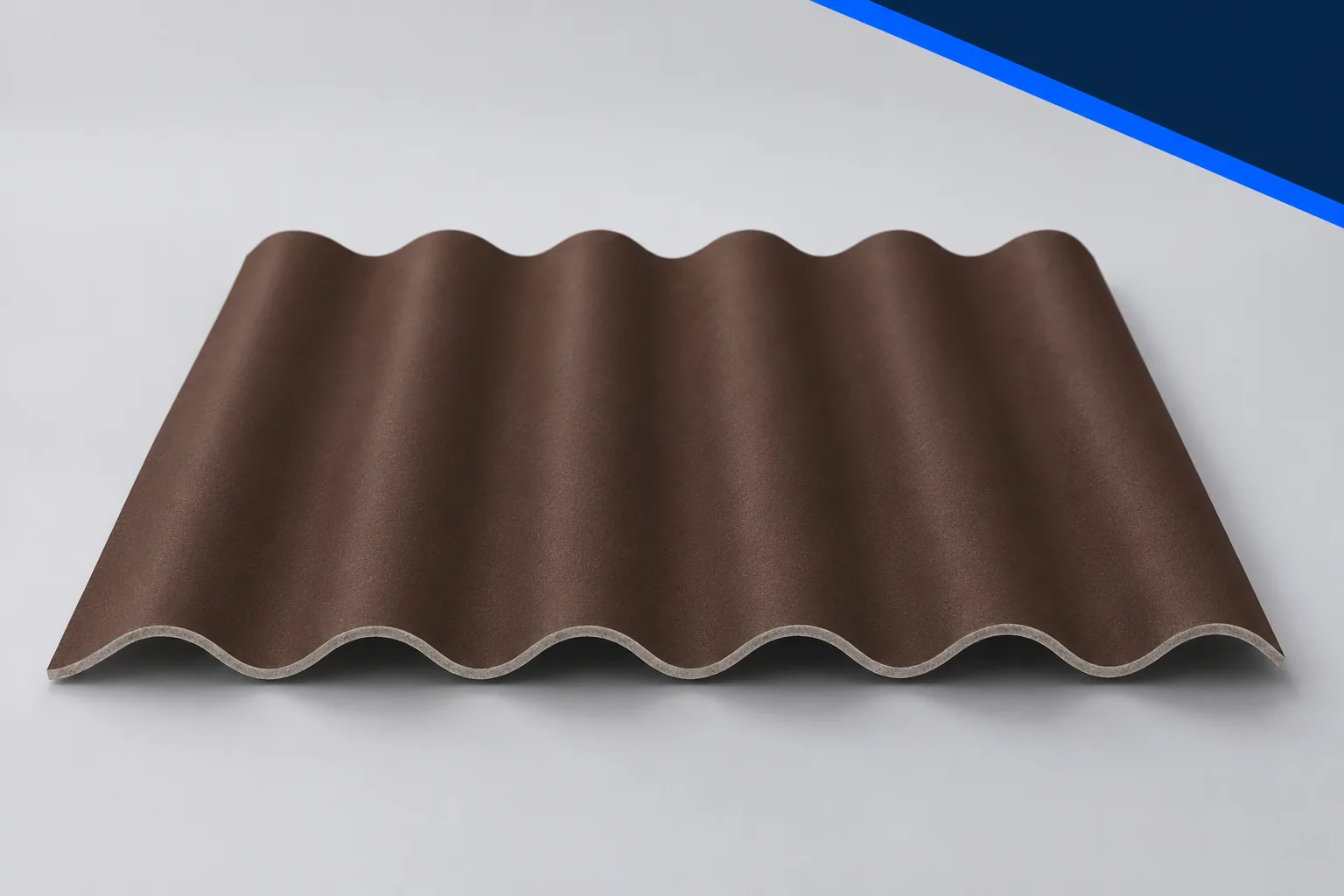
Start with what happens beneath the roof and what the structure can carry. Sheet size and colour come later. Corrugated fibre cement…
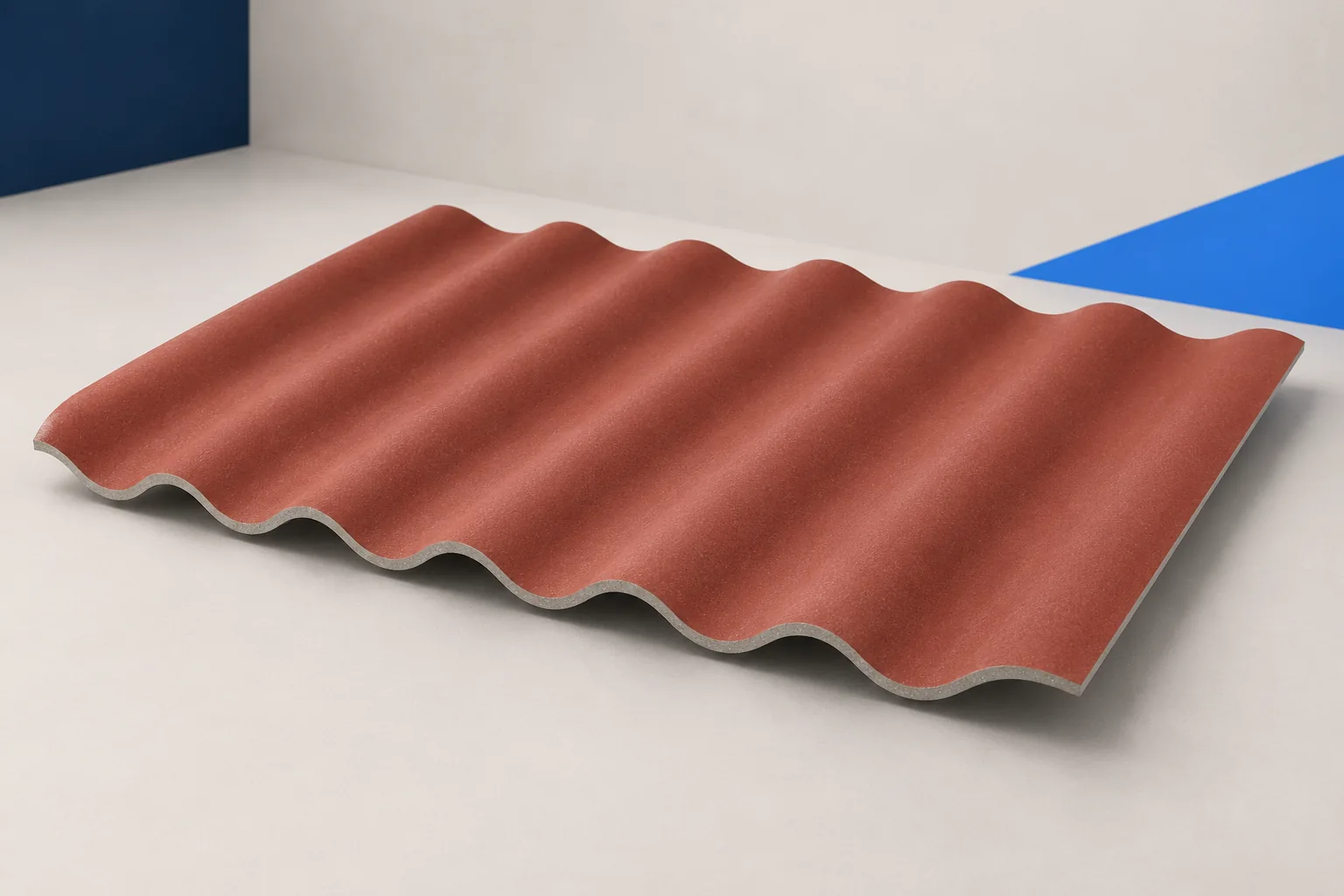
Buyers in Poland searching for “eternit bezazbestowy” usually mean modern asbestos-free corrugated fibre cement sheets. These sheets consist of a cement matrix…