






A leaking roof valley: when to clean, repair or replace the lining
Sheet metal flashings
A roof valley that drained reliably for years can start leaking after heavy rain. A blockage, an open lap or corrosion beneath deposits may be responsible. Clear the channel and inspect its shape before deciding whether the lining needs replacing. Water arrives from two roof slopes, so even a local obstruction can divert it beneath the sheets. Leaves, twigs and sediment reduce the space available for runoff. Inspection should follow the whole valley down to its outlet at the eaves. Removing a handful of leaves near the top does not show whether the lower sections are clear.
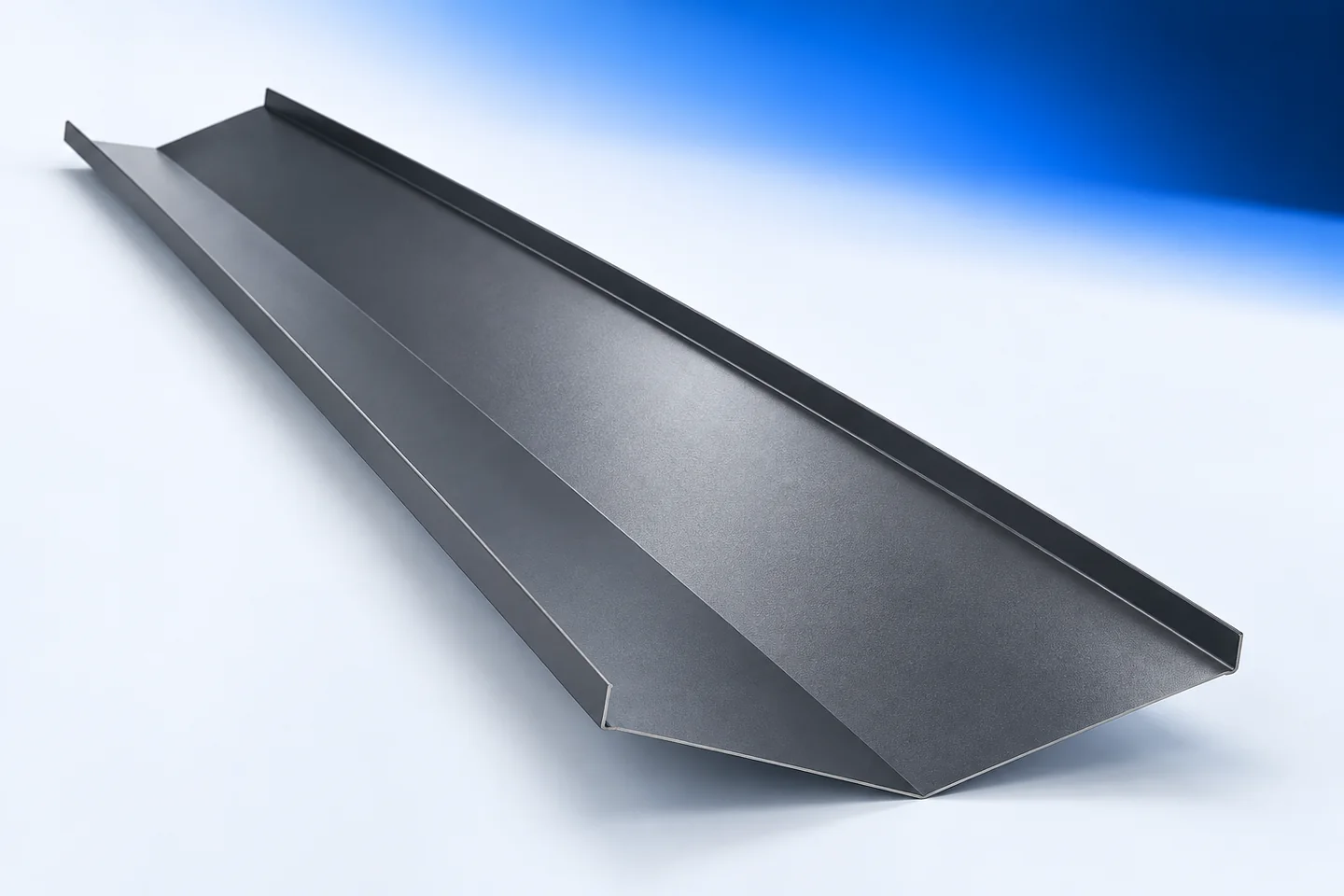
Check the clear channel and its edges
A slipped sheet or a poorly cut edge can narrow the waterway. Have the roof inspected by someone equipped for safe access. The smooth narrow valley lining cannot serve as a step. A dent left during cleaning can itself disrupt drainage.
Inspect the exposed metal after cleaning
Once the dirt is removed, distinguish deposits from damage to the finish. A rust spot may come from a loose steel shaving or from the valley sheet itself. Check its depth and extent and inspect the edges before covering the area with sealant or paint.
Use care methods suitable for galvanised, aluminium-zinc coated or colour-coated sheet as applicable. Harsh chemicals or rough tools can damage the surface. A local scratch may be repairable under the coating supplier’s instructions. A hole or widespread damage requires assessment for replacement.
Examine the joints between sections
Many valleys consist of several lengths. Check the position, condition and weather tightness of each joint. Water must run off the upper piece onto the lower one. Where an open joint faces uphill, assess how the lap can be rebuilt to shed the incoming water.
A fixing hole in the waterway can leak even where the rest of the sheet is sound. Avoid driving screws through the valley bottom to silence vibration. Identify the existing fixing method, the support and the allowance for thermal movement before repairing it.
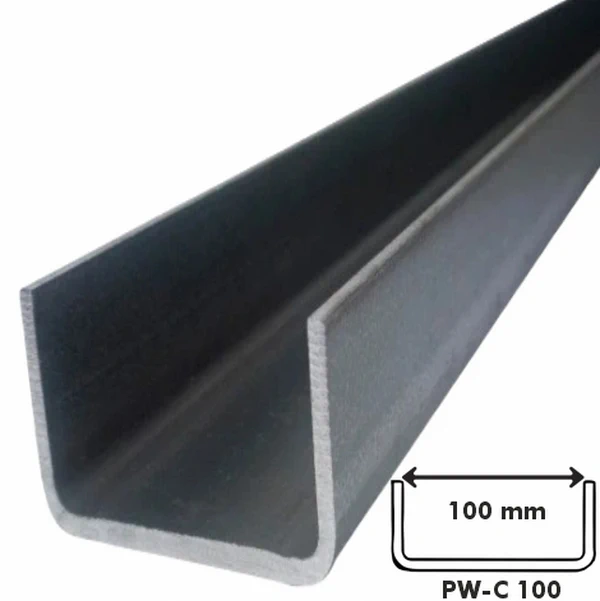
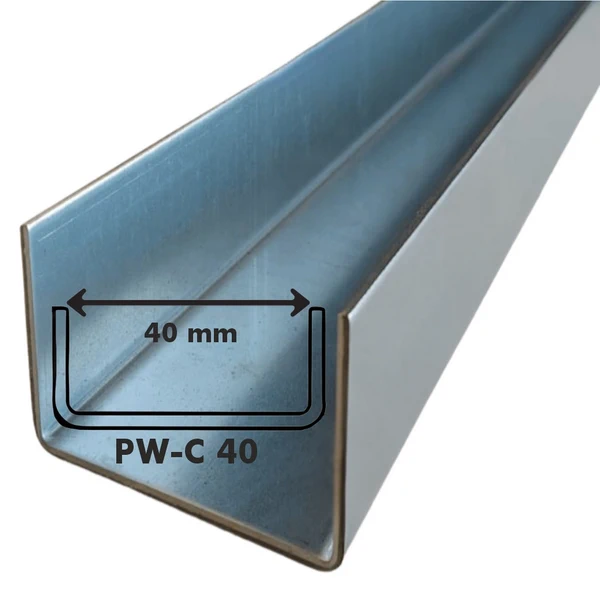
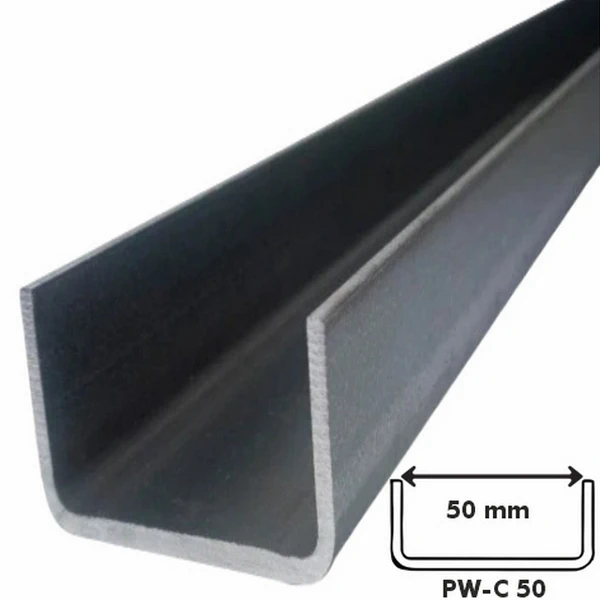
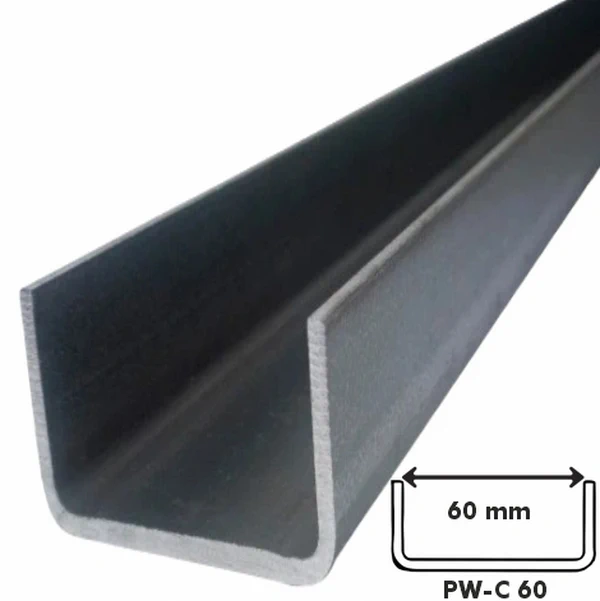
Size a replacement to the actual valley
Copying a narrow or incorrectly formed lining repeats the drainage fault. Assess the roof layout, valley length and runoff from the adjoining slopes. The required cross-section varies. Dormers, changes in roof level and unusual outlets may need a purpose-made flashing.
Draw the complete junction, including supports and the ends of the adjoining sheets. Once the old metal is lifted, inspect the substrate and underlay. This is the opportunity to deal with trapped moisture or a concealed installation fault before fitting the new lining.

Follow the outlet into the gutter
At the eaves the gutter apron and gutter must receive the concentrated flow. If water backs up at the outlet or spills behind the fascia, work higher up the valley will leave the fault in place. Inspect gutter alignment and check the channel for debris.
On a broader refurbishment inspect ridge caps, verge and chimney flashings as separate possible sources of damp. Check the starter profiles when relaying the first row of sheets. Several stains appearing in the loft after the same storm can have different causes.
Plan follow-up inspections
Remove offcuts, swarf and surplus sealing material. Check that the edges of the nearby sheets leave a clear waterway. Keep joint photographs and the sheet specification so that changes in shape, finish or outlet condition can be spotted at later inspections.
Inspection intervals depend on the surroundings. A roof beneath trees can need more frequent debris checks. Arrange access that allows material to be removed without walking along or denting the lining. Keeping the channel open is part of maintaining the repair.
Questions and answers
Can cleaning alone stop the leak?
Clearing a blockage may be sufficient if it was the sole cause. Examine the uncovered metal and joints for damage that the debris may have hidden.
Must the new valley match the roof colour?
Colour is an aesthetic choice. Check the material and coating for the conditions on the roof, and verify the shape and joints independently of colour.
Can I cover a rusted valley bottom with a strip of sheet?
An overlay can change the drainage path and conceal further corrosion. Assess the affected area and determine which sections need replacing.

Free quote
What to include in your enquiry
Tell us how you plan to use the material, the dimensions and the quantity you need. Include the thickness, grade or variant name, along with the delivery town or your preferred collection branch. For a specific product, add its name or a link to the product page. We will reply to the email address you provide to discuss availability and the terms of your order.
More from the building guide
Safe winter roof management begins with understanding the structure, condition and operating instructions. Snow depth alone does not establish loading: density, ice…
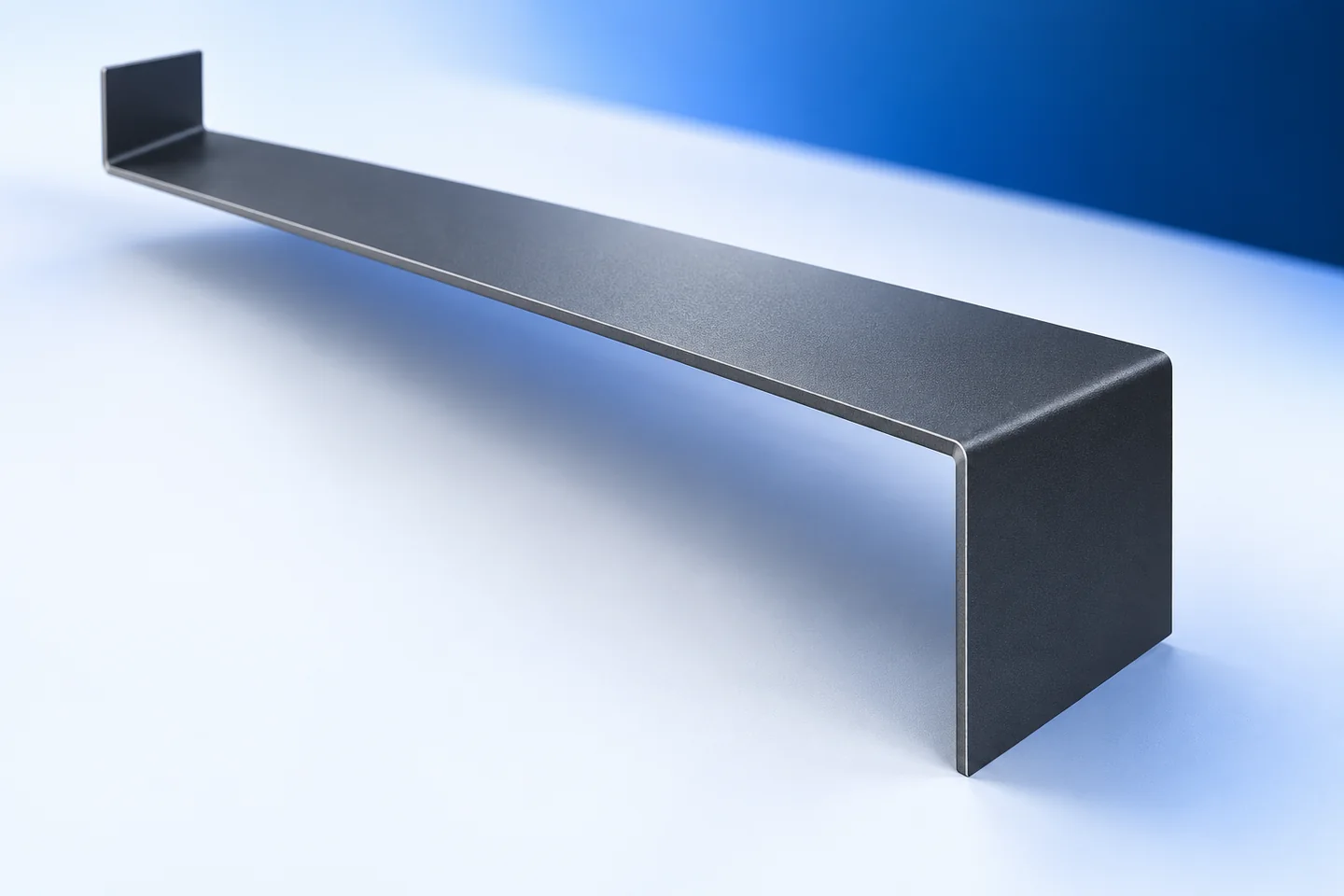
A single photograph rarely gives a fabricator enough information to replace an unusual roof flashing. Perspective alters the proportions, and an old…
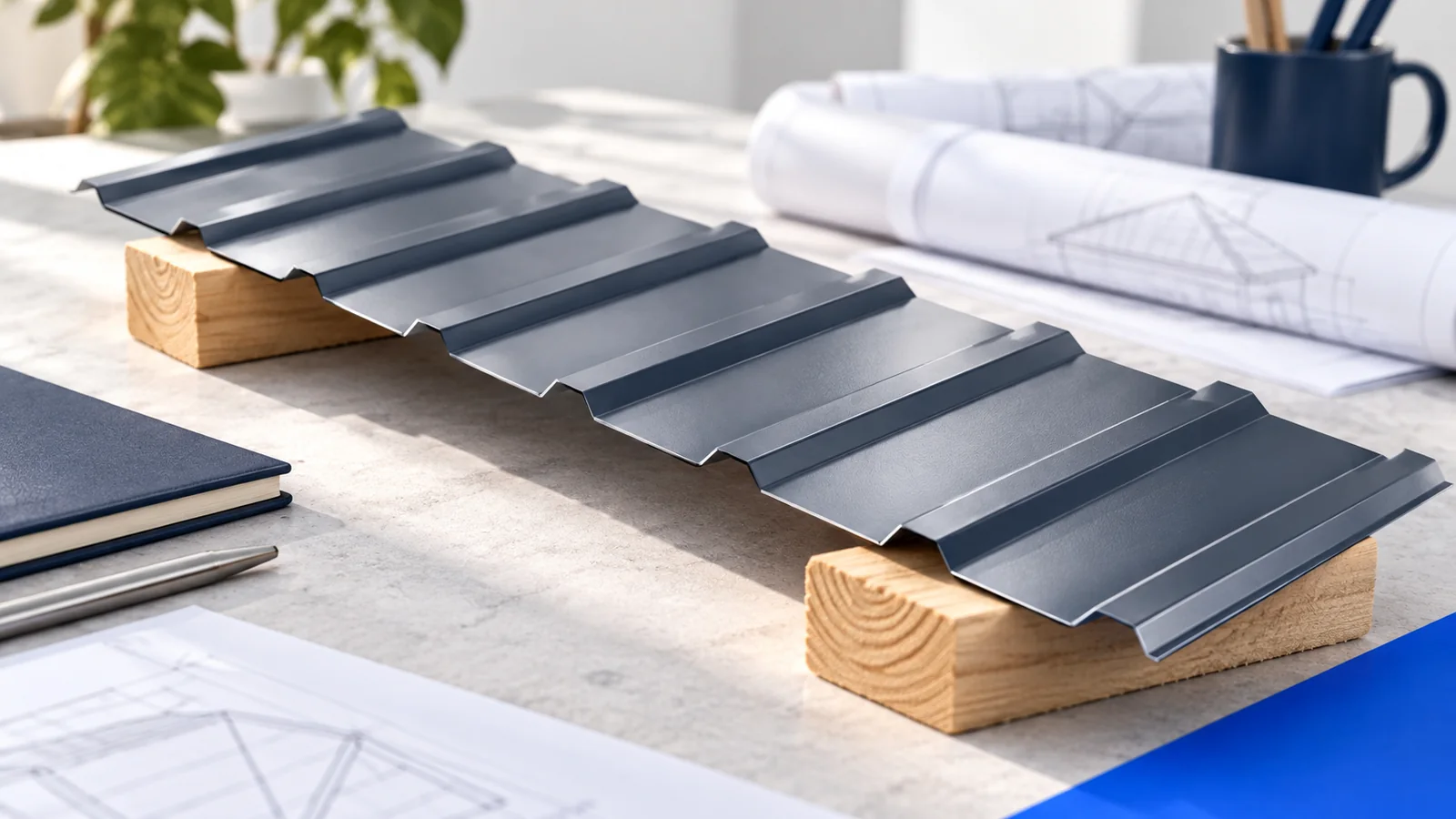
A hipped roof over a rectangular house usually has two trapezoidal and two triangular slopes joined by a ridge and hips. The…
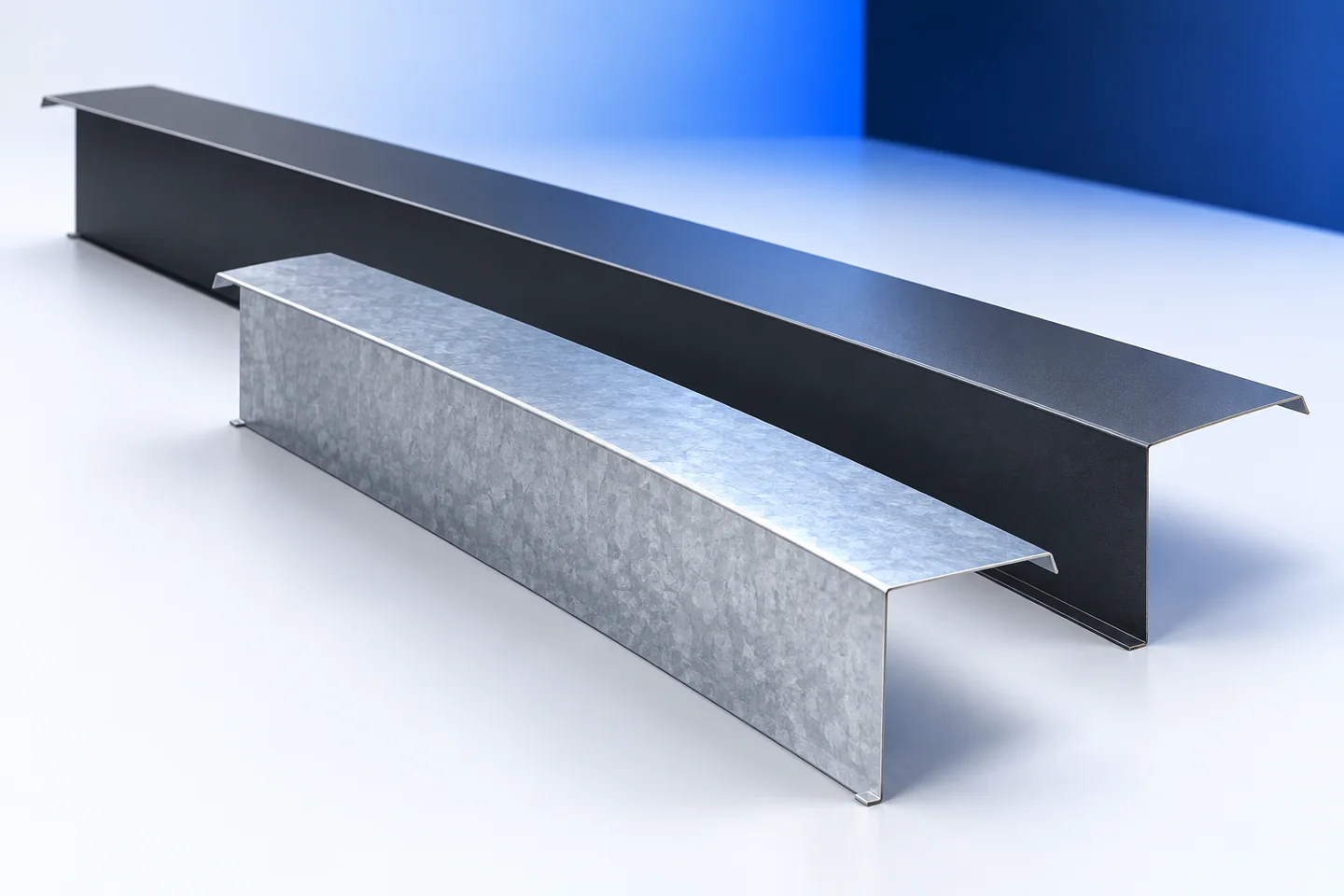
Start a roof flashing inspection by identifying the finish, the deposits on it and the condition of the joints. Abrasive cleaning can…
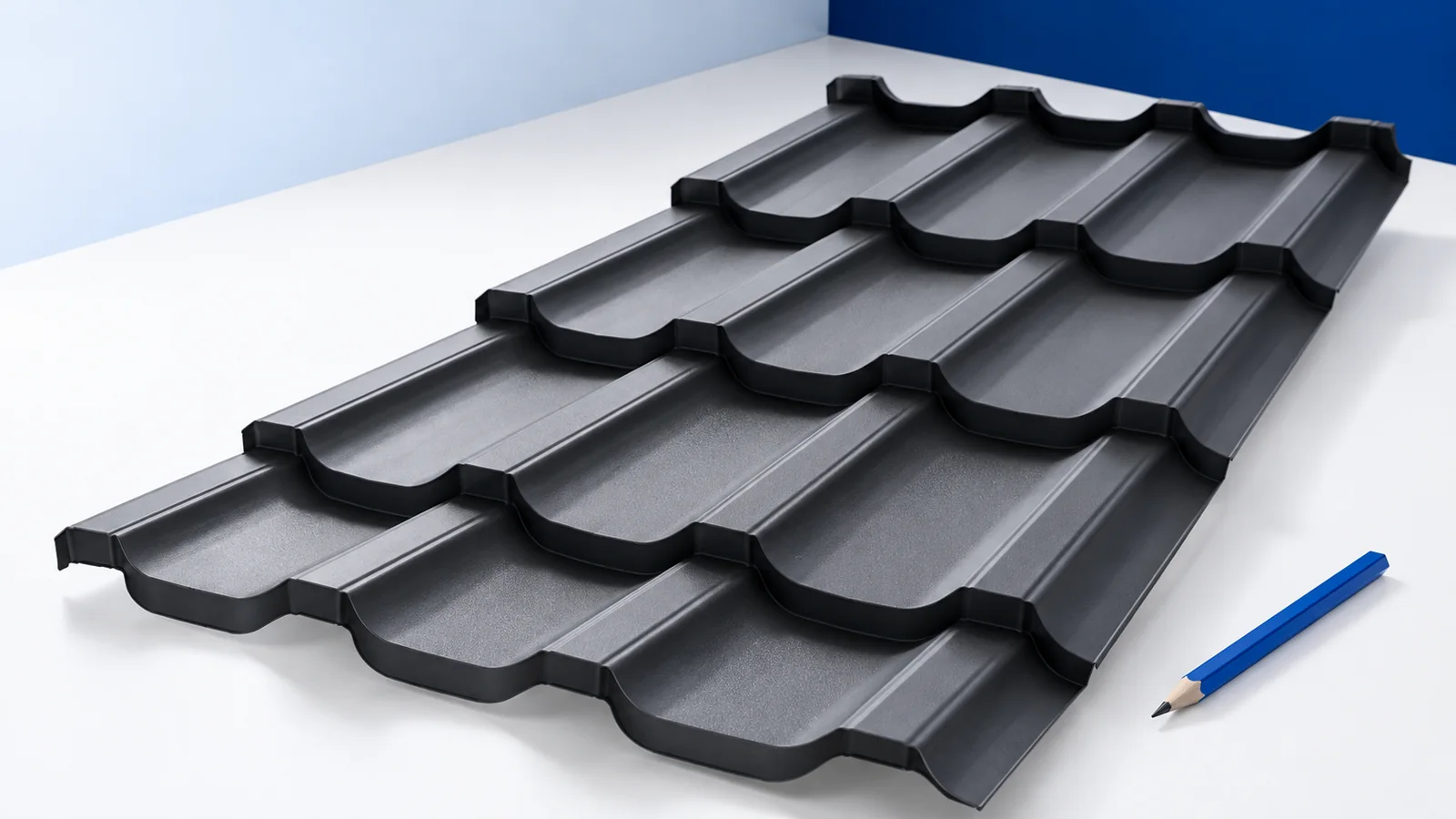
A roof without projecting eaves needs careful coordination of the covering, façade and drainage. A clean outline does not remove the need…
A damp corner in the loft or a stain on the bargeboard is a reason to inspect the verge, where the roof…
Organise documents for building in Poland around the decisions they support. Plot information establishes development possibilities; the design specifies structure and materials;…
A flashing schedule follows the shape of the roof. Even a simple roof needs its eaves, verges and ridge checked; valleys, chimneys…