






What to do when a roof leaks, and how to identify the cause
Renovation and maintenance
When water appears beneath a roof, first limit damage safely, then identify its source. A ceiling stain does not automatically identify a leaking sheet: water may travel along the structure or form through condensation. This guide explains the inspection sequence, useful information for a roofer and the limits of repairs using tape or sealant. It also considers concealed layers, especially insulation and timber. A suitable repair follows diagnosis of the cause and extent of damage. It may involve only one joint, but should not end with repainting the stain or enclosing a roof section that remains wet.
What should you do immediately?
If safe, move belongings and contain spreading water. Wet electrical equipment or a bulging ceiling calls for keeping people away from the affected area and obtaining professional help. Do not climb onto a slippery roof during rain; leave temporary external protection to a properly equipped team.
Record when the stain appeared and the weather, and photograph damage from a safe position. Wind-driven rain, thawing snow and moisture without rainfall suggest different causes. These notes help reconstruct events if the roof is dry when inspected.
Why can the stain be far from the leak?
Moisture can travel along an underlay, beam or sheet underside before entering a room. Investigation must therefore extend uphill from the visible stain. Patching directly above it may fail if water enters at another junction.
Include chimney and roof-window flashings, valleys, penetrations, laps and fixings in the inspection. Construction photographs may reveal concealed layer routes. A ground-level view is useful initially but cannot establish the condition of every roof joint.
Is the moisture rainwater or condensation?
If symptoms occur without rain, consider humid air condensing on cold surfaces. In an insulated roof, assess internal airtightness, ventilation and insulation condition. Replacing the sheet does not solve moisture movement within the assembly.
Anti-condensation fleece temporarily holds only a limited amount of condensate and must subsequently dry. It replaces neither insulation nor proper room ventilation. If moisture exceeds drying capacity, correct operating conditions or the roof design rather than adding arbitrary layers.
Which defects will a roofer inspect?
Fixing checks cover washers, compression and damaged holes. Laps need proper support and orientation; flashings need correct drainage. Establish whether services were added after handover, as new penetrations or loads may explain why a previously dry roof began leaking.
Check valleys and gutters for blocked leaves and debris. Clearing a blockage may restore drainage, but says nothing about timber or insulation previously soaked. Assess the effects afterwards, especially if the problem persisted.
Will tape or sealant be enough?
Choose tape or sealant for the specific substrate and service conditions. Follow its instructions for preparation and permitted surface moisture. Adding material over dirt and water can obstruct later repair without correcting the joint’s underlying design.
Incorrect pitch, laps or flashing upstands may require rebuilding the detail. Tightening the same screw harder does not automatically repair an enlarged hole. Select the remedy after inspection to restore joint performance and drainage.
What should happen to wet insulation?
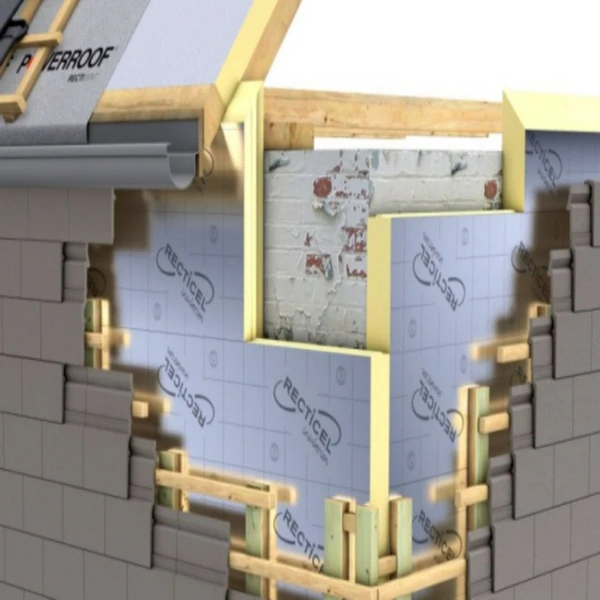
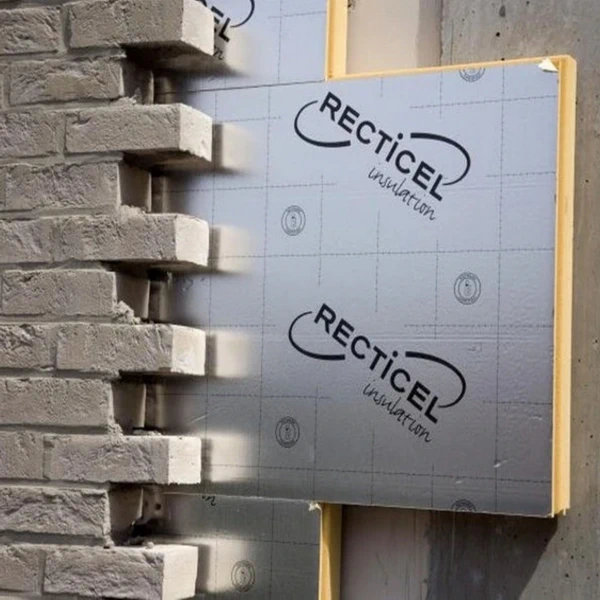
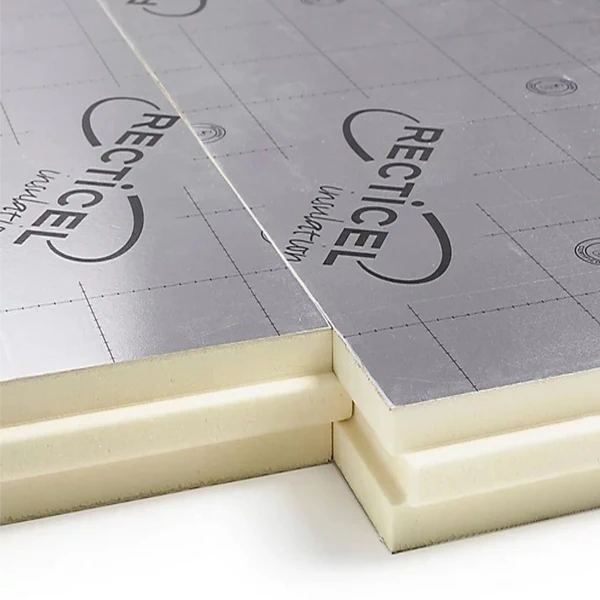
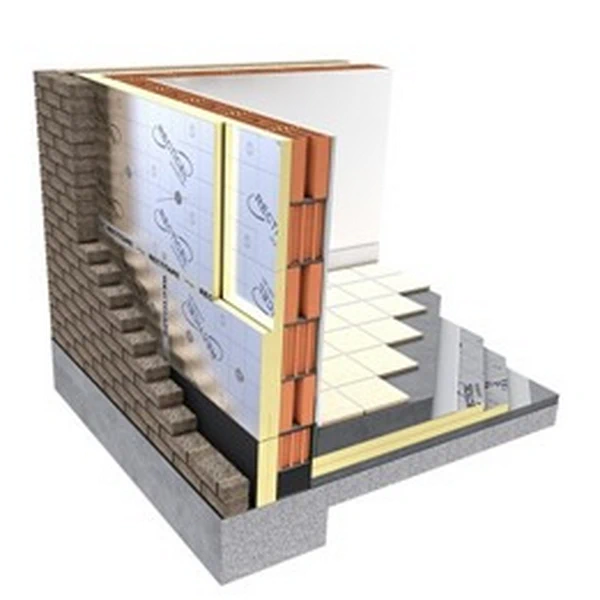
After stopping water entry, identify the affected layers. Drying and reuse depend on the product, exposure duration and facing condition. Inspect board edges and joints as well; a dry surface alone does not prove that all properties remain intact.
Before closing the lining, confirm suitable conditions inside the roof. Photograph exposed areas and record materials replaced or retained. Later checks can then refer to the actual repair scope rather than only the appearance of a repainted ceiling.
How can further leaks be prevented?
Agree inspections of vulnerable joints and drainage, with safe maintenance access. Recheck after potentially damaging events or service installation work. The inspection itself should not scratch, deform or disturb seals on the covering.
Keep a short record of the identified cause, repair materials and subsequent check. Recurrence will then be easier to investigate. Not every leak requires replacement of a whole roof slope, but each needs assessment of whether concealed layers are affected as well as the visible detail.

Free quote
What to include in your enquiry
Tell us how you plan to use the material, the dimensions and the quantity you need. Include the thickness, grade or variant name, along with the delivery town or your preferred collection branch. For a specific product, add its name or a link to the product page. We will reply to the email address you provide to discuss availability and the terms of your order.

More from the building guide
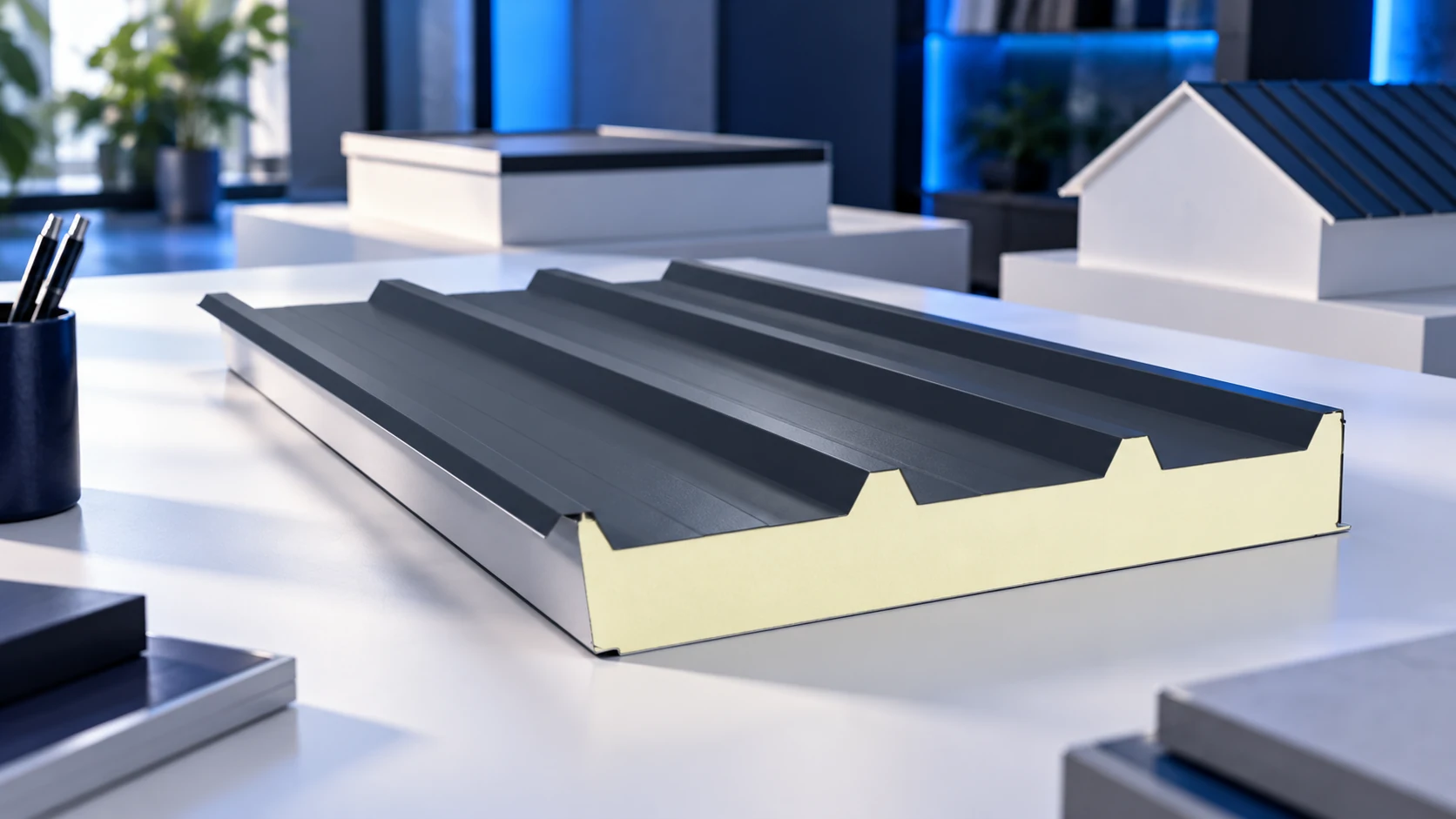
A roof sandwich panel can suit a low or steeper pitch when the manufacturer's conditions cover the proposed assembly. A “flat roof”…
Installing solar PV on a metal roof starts by establishing how loads reach the structure. Bracket shape or profile name alone does…
A roof that ages well starts with the building's proportions and coordinated details. Colour or a fashionable profile is insufficient if ridge,…
Snow removal from a metal roof must be planned around its structure, current loading and safe access, not just centimetres of snow.…
The cheapest sheet does not necessarily produce the cheapest finished roof. Substructure, flashings, cutting waste and installation all belong in the comparison,…
Flashings are needed wherever the normal covering arrangement stops directing water safely. That includes eaves, verges, valleys, ridges and junctions with walls…
Choose a holiday cabin roof around its structure, pitch and intended use. A building visited in summer needs a different roof build-up…
A sandwich-panel roof may be designed for installation or maintenance access, but that does not permit unrestricted walking on every panel. Confirm…