






GRP-faced boards in pig and cattle buildings: when are they appropriate?
Agricultural buildings and GRP-faced boards
Glass-reinforced plastic facings can help maintain livestock buildings that require regular washing and operate in demanding conditions. Their suitability must nevertheless be checked for the actual environment: ammonia, moisture, cleaning agents and the construction of joints all matter. A durable facing does not automatically resist every chemical, satisfy fire requirements or replace ventilation. This guide explains what to confirm for GRP-faced insulation, how an internal ceiling lining differs from roof covering, and why edges and fixings need the same attention as the main surface. The product-specific thermal and fire examples below must not be applied to every board sold as fibreglass-faced.
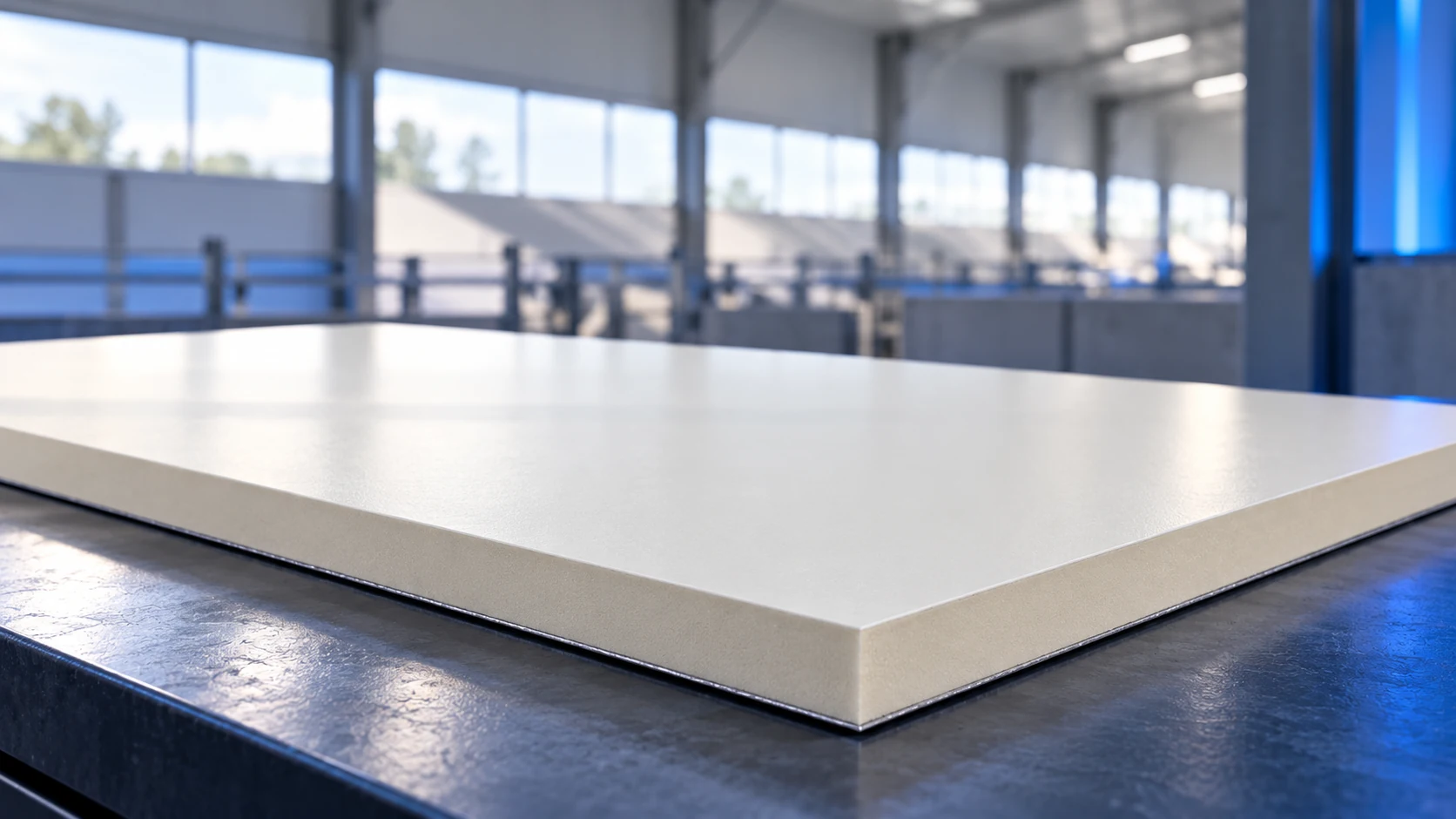
Ammonia resistance must be confirmed for the specific product
A leaflet claim does not describe every condition on a farm. The manufacturer needs to know the installation location and substances the board will contact. Temperature, humidity and exposure duration matter. Gather these details before requesting pricing.
Describe conditions separately for a cattle shed, pig house or poultry building. Establish humidity, ammonia exposure and ventilation arrangements. Suitability must be confirmed for that environment, including joints and edges. A general promise of complete resistance is not an adequate selection basis.
What protects the core on the room side?
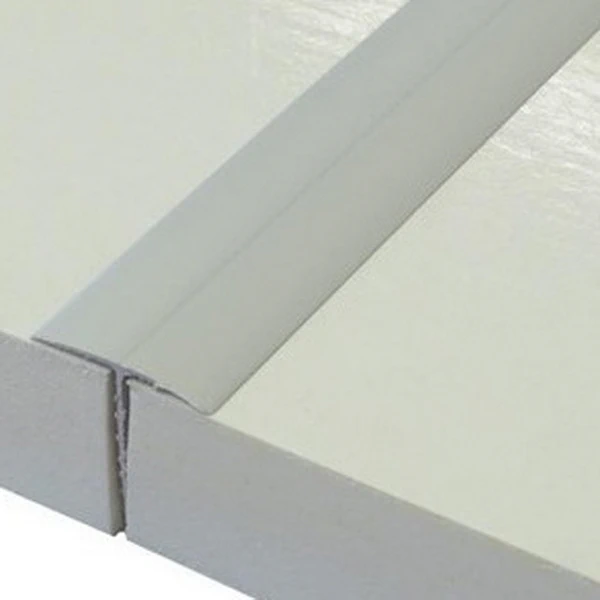
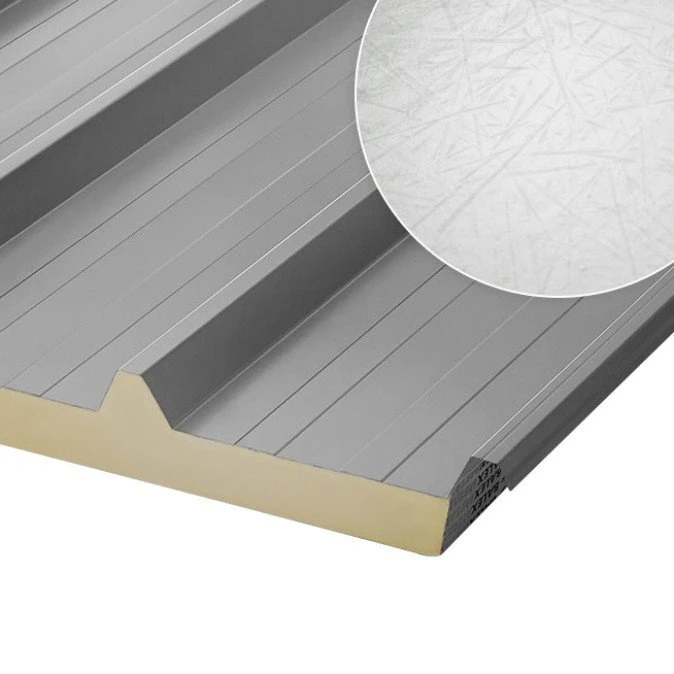
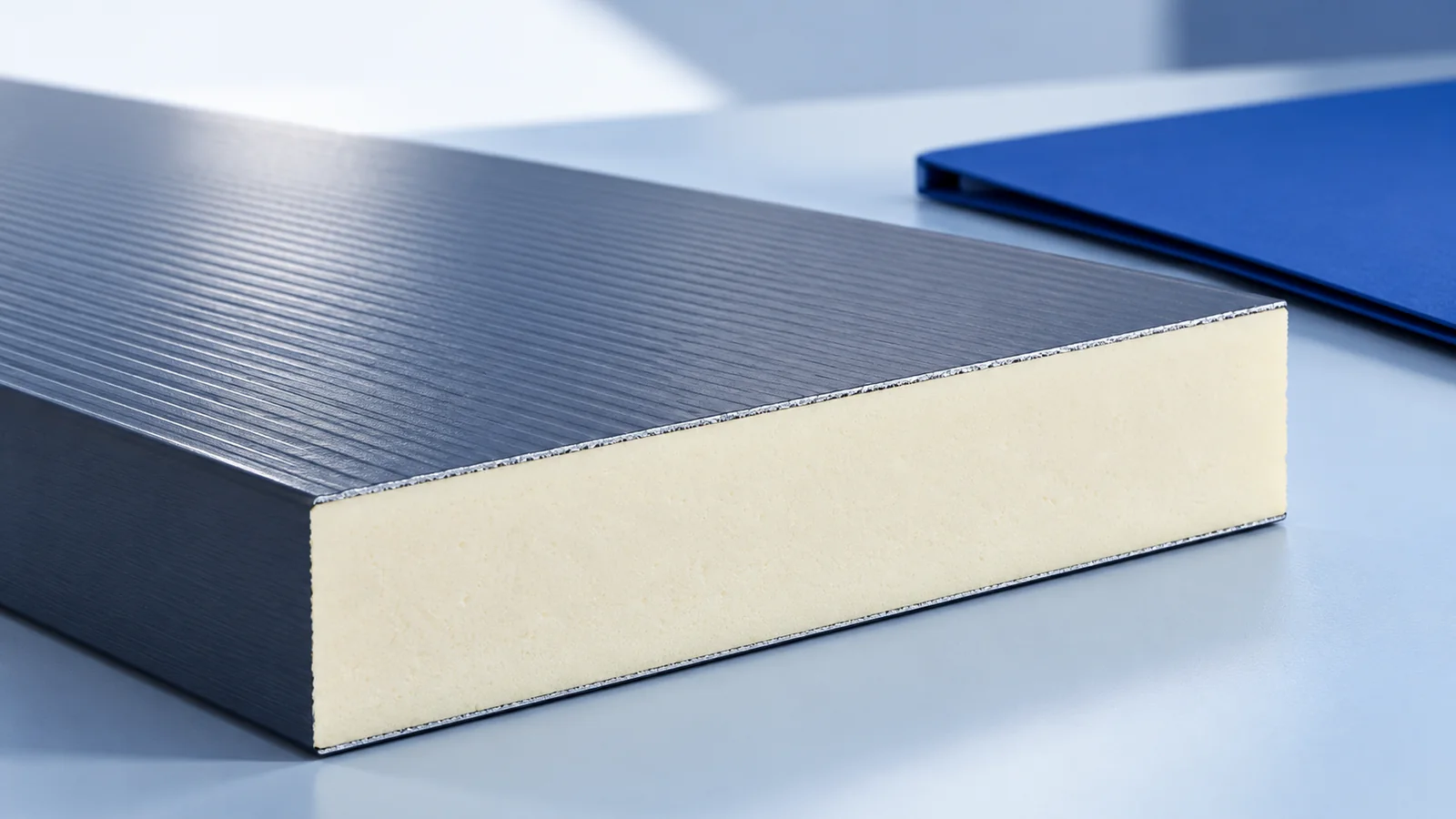
One example of a ceiling-lining board has a PIR core, a glass-fibre-reinforced polyester-resin facing towards the interior and a thin aluminium-containing layer on the other side. This construction is not shared by all boards. The plastic surface has a specific role and installation orientation.
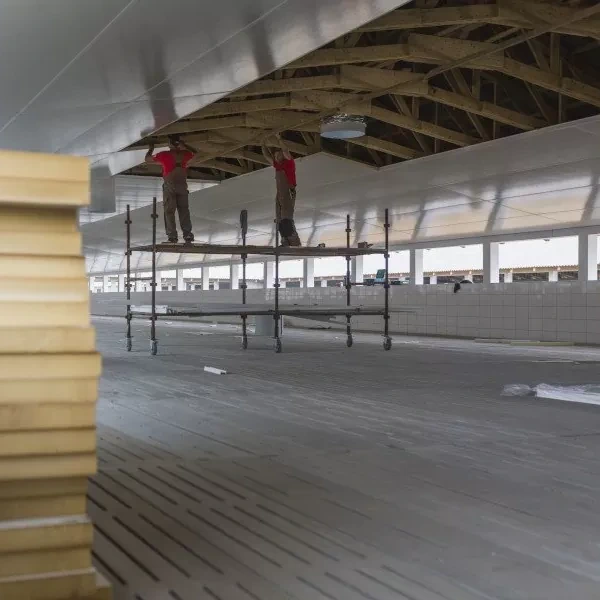
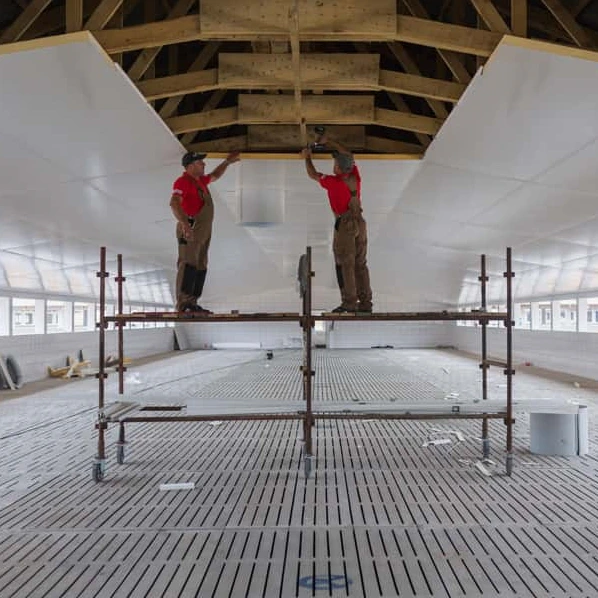
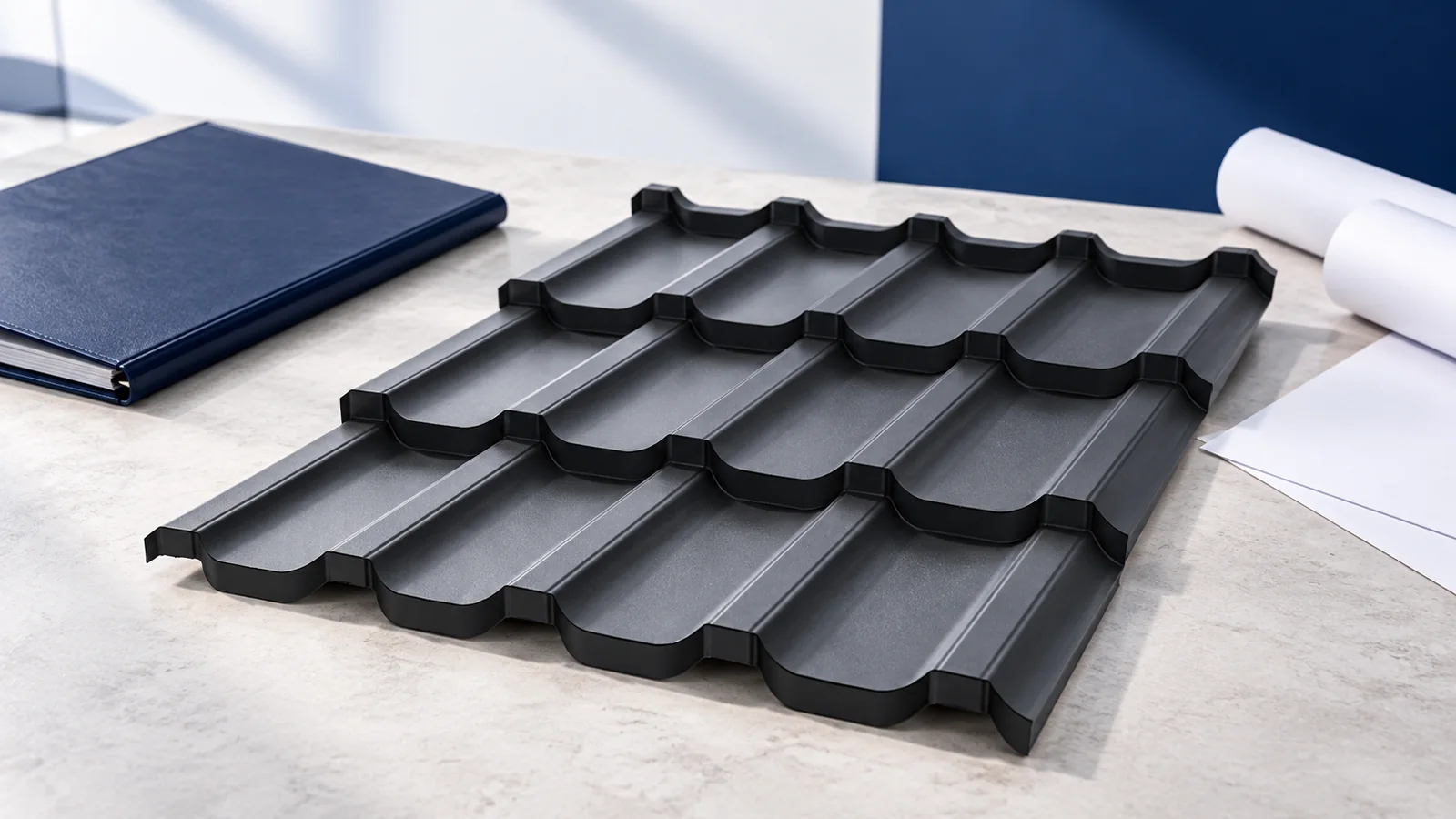
This product is used as an insulating ceiling lining and should not be confused with metal roof covering. In refurbishment, first establish whether the roof itself or its internal lining is being renewed. Assigning the product the wrong function can negate the advantages of a durable facing.
Agree the washing method together with the cleaning chemicals
Pressure-washing suitability must be confirmed for the particular facing and its joints. It does not permit any nozzle, distance or water temperature. The entire procedure needs agreement, especially disinfectant type, concentration and contact time. Changing the cleaning agent may require a new compatibility check.
Obtain conditions for the particular cleaning agent. Record contact time, rinsing method and frequency of use, and agree what to do if damage occurs. Random experiments on an installed surface are not a useful resistance test. A consistent washing procedure simplifies operation and makes deviations from instructions easier to spot.
Joints matter as much as the flat surface
Water and cleaning agents also reach corners, edges and service penetrations. Finish these areas with details compatible with the system. An incompletely closed joint can let water behind a facing even when the central surface remains sound.
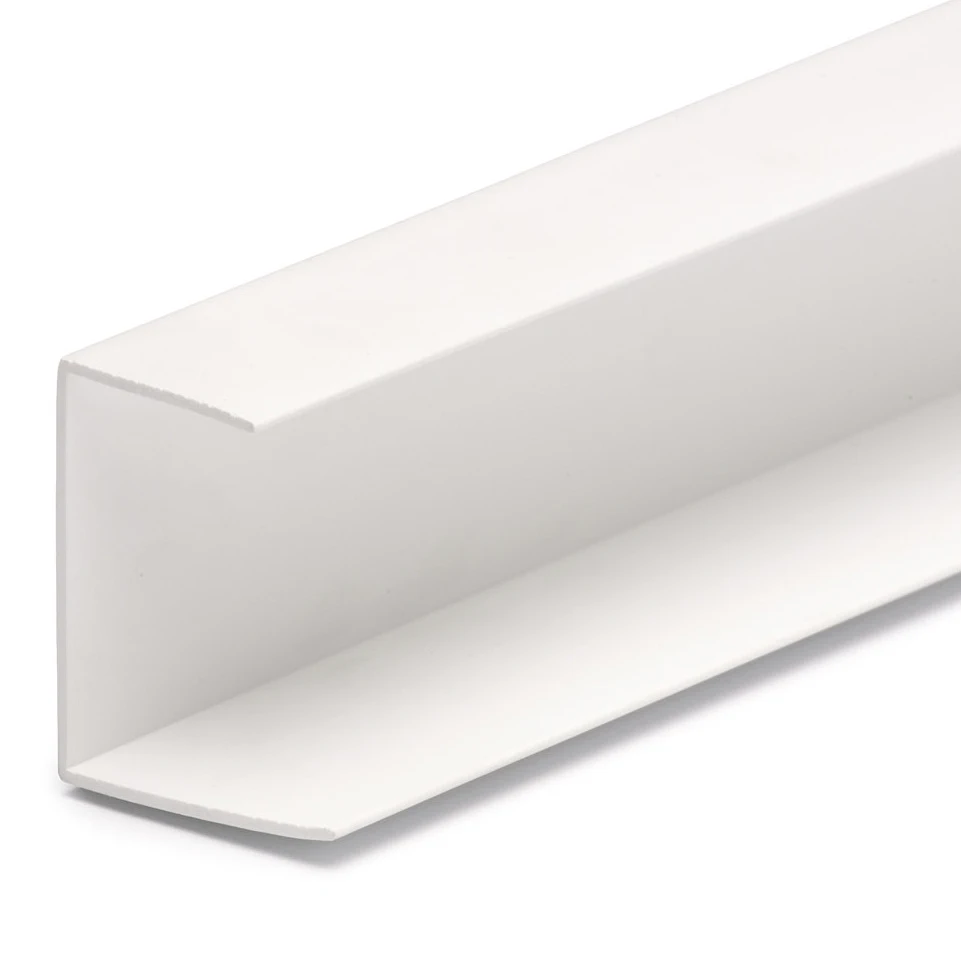
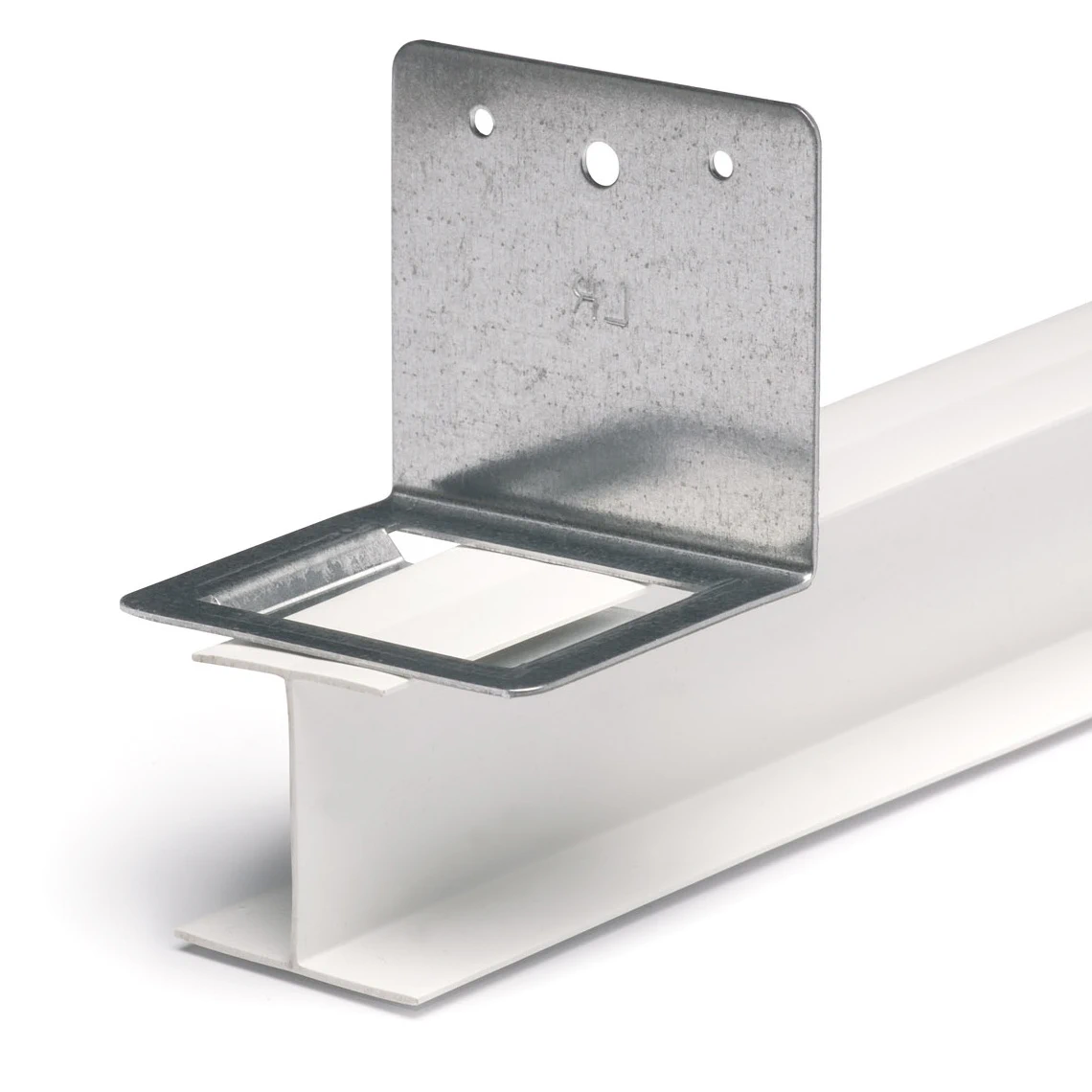
Select flashings, seals and fasteners for the environment and the chosen system. A resistant surface cannot compensate for an unsuitable screw or gasket. Aggressive conditions may require special fastener materials. Do not transfer details from a steel-faced panel to a ceiling lining with a different construction: each assembly needs its own selection.
GRP is not the only protective option
Metal-faced panels also use coatings intended for demanding agricultural interiors. Selection requires an assessment of the environment, including humidity, airborne substances and cleaning agents. A thicker coating or similar colour is insufficient evidence. The system must suit the actual service conditions.
There is no simple ranking in which one surface always wins. Compare the exact use, washing procedure and building requirements. Impact exposure matters as well: protection along equipment routes may be needed regardless of facing type. Greater mechanical resistance does not make a surface impossible to damage.
Chemical durability does not replace other performance checks
A selected variant may have a thermal conductivity of 0.027–0.028 W/(m·K) and reaction-to-fire class F. These are not values for every plastic-faced board. Check the version being purchased. Resistance to cleaning agents does not establish a favourable fire classification; requirements must be assessed for the building as a whole.
Insulation must also work with the ventilation strategy. It removes neither moisture nor pollutants from the air. Insulating a ceiling without addressing air exchange may leave the main problem unresolved. Coordinate these elements in new buildings; in an existing building, investigate the causes of condensation or damage first.
How can performance be maintained after installation?
Give staff straightforward washing and inspection instructions. List approved agents and the damage-reporting procedure. Inspect joints, edges and areas around fans regularly. Use repair materials specified for the system. An arbitrary paint can make the surface’s condition harder to assess.
Keep the variant name, drawings and agreed environmental conditions in the records. Revisit them if husbandry methods or cleaning chemicals change. A correctly selected GRP facing can be practical in daily operation. Its durability comes from appropriate use and maintenance, not from the word “fibreglass” alone.
Frequently asked questions
Is fibreglass completely chemical-resistant?
That cannot be assumed generally. Resistance must be confirmed for the particular surface, substance and contact conditions.
Can GRP material replace ventilation in a pig house?
No. The facing protects the surface, while ventilation performs a separate air-management function.

Free quote
What to include in your enquiry
Tell us how you plan to use the material, the dimensions and the quantity you need. Include the thickness, grade or variant name, along with the delivery town or your preferred collection branch. For a specific product, add its name or a link to the product page. We will reply to the email address you provide to discuss availability and the terms of your order.
More from the building guide
If you suspect unauthorised building work in Poland, compare the existing building with its records before ordering renovation materials. Establish what was…
A 100 mm wall sandwich panel can look sound yet have damage that affects the finished wall. Alternatively, it may be sold…
The financial return on rooftop solar depends on how much electricity you use on site, when you use it and how your…
Start by deciding what the gazebo is for, how large it needs to be and where it will stand. Then choose the…
Before buying roofing materials in Poland, establish the formal scope of the whole project. Replacing worn sheets, rebuilding the structure and raising…
After a roof renovation, the owner needs information identifying installed materials, completed connections and arrangements for subsequent use. An invoice does not…
Wall sandwich panels can be installed vertically or horizontally where the chosen system permits it, but that does not make the two…
Plan a sandwich-panel commercial building around the work taking place inside, rather than starting with façade colour. Temperature, doors, washing, noise and…