






Which layers does a solar roof need above a heated loft?
Roofing and energy
An active PV covering is one layer of the roof above a heated loft. The assembly still needs to shed water, limit heat loss and manage moisture. The correct section depends on the building structure and the specific BIPV system. Plan electrical and roofing functions together, especially at penetrations and ventilation openings. In a steel system the active panels work with passive pieces and flashings to shed rain. Their smooth outer faces reveal little about the performance of joints. Check the roof pitch, supports, fixings and concealed layers on the same drawing before any of them are covered.
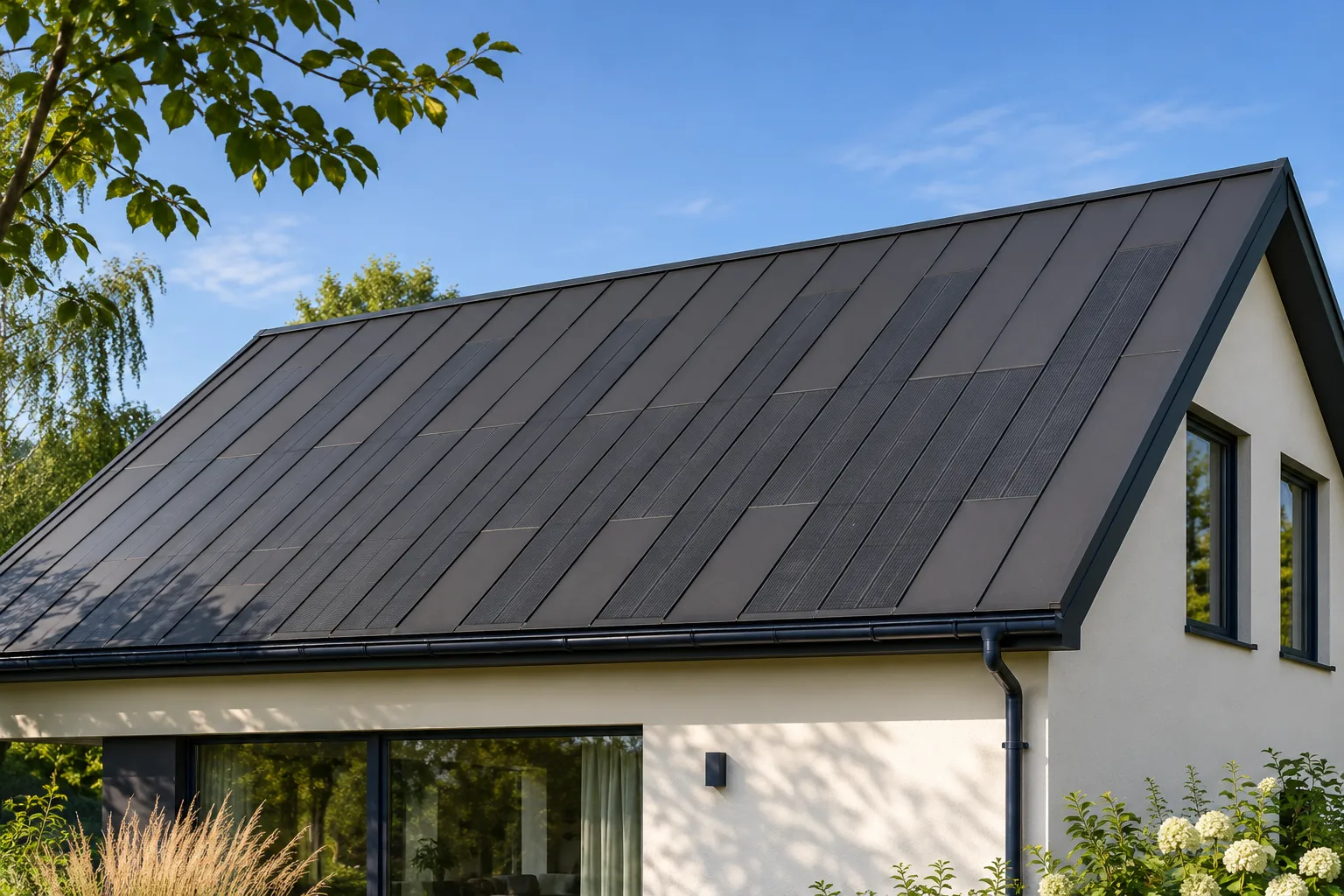
What does the active covering do?
A smooth module face alone tells you little about the roof’s weathertightness.
Choose a covering approved for the pitch and loads, with the required supports and fixings. Layers below it do not excuse departures from the instructions. An underlay cannot compensate for badly designed joints in the active covering.
Why ventilate below the covering?
A ventilation space can remove heat and moisture from beneath the covering. Cell temperature also affects module operation, so an open airflow path matters to generation. Take dimensions and flow direction from the actual system documentation.
Different products use different supports, joints and air paths. Use the specified cavity height and keep inlet and outlet working together. Insulation, flashing or a later installation can block either end. Detail the eaves and ridge during design.
What does the underlay do?
A layer below the covering can drain water that gets through and protect the rest of the roof. Its type depends on the system and exposure. Check temperature suitability and support conditions under active panels before specifying a conventional roofing membrane.
Overlaps, penetrations and flashing junctions determine whether the layer works. Record them in photographs before covering. Access is harder later, and the record can help locate the source of a moisture problem.
Does PV replace thermal insulation?
No. Cells generate electricity. A habitable loft still needs the designed insulation thickness, a continuous insulation layer and attention to thermal bridges. Heating of a dark surface in sunlight is no reason to remove insulation from the section.
On the room side, design for airtightness and vapour movement across the whole build-up. Unplanned cable penetrations can weaken these layers. Coordinate them with the electrical designer before closing the loft lining.
Which junctions need particular attention?
Windows, chimneys, valleys and service penetrations bring several functions together. Provide drainage, insulation continuity and cable space. Extra sealant cannot make up for an unsuitable shape or missing support.
Active elements cannot be cut or drilled at will. Follow the system detail for passive pieces around obstacles. Provide service access without stepping on prohibited parts of modules. A well-designed junction stays accessible for future inspection.
How can the section be checked before construction?
Request a drawing naming each layer and its function. Check it against the building design and selected BIPV instructions. Agree inspection points before the underlay, penetrations and cable routes disappear. Check the consequences of every proposed material substitution.
An integrated design combines roofing and power generation, but its section remains specific to the product, structure and indoor conditions. These factors govern how the loft can remain dry, comfortable and accessible for safe maintenance.
At handover, include two photographs of the same cable penetration, one from the roof side and one from the loft. Mark their locations on the section. Later inspections can then identify both the crossing of the drainage layer and the seal at the airtight layer.
Manufacturers and brands in photovoltaic roofing include ML System, GAF Energy, Megasol Energie, BIPVco, MDM NT (MyRoof), Electrotile, SunRoof, Wienerberger Wevolt, SolRoof and 3S Swiss Solar Solutions.

Free quote
What to include in your enquiry
Tell us how you plan to use the material, the dimensions and the quantity you need. Include the thickness, grade or variant name, along with the delivery town or your preferred collection branch. For a specific product, add its name or a link to the product page. We will reply to the email address you provide to discuss availability and the terms of your order.
More from the building guide
The longest warranty in a solar roof quotation may cover only one feature. The coating, roofing element, PV module, retained output, inverter…
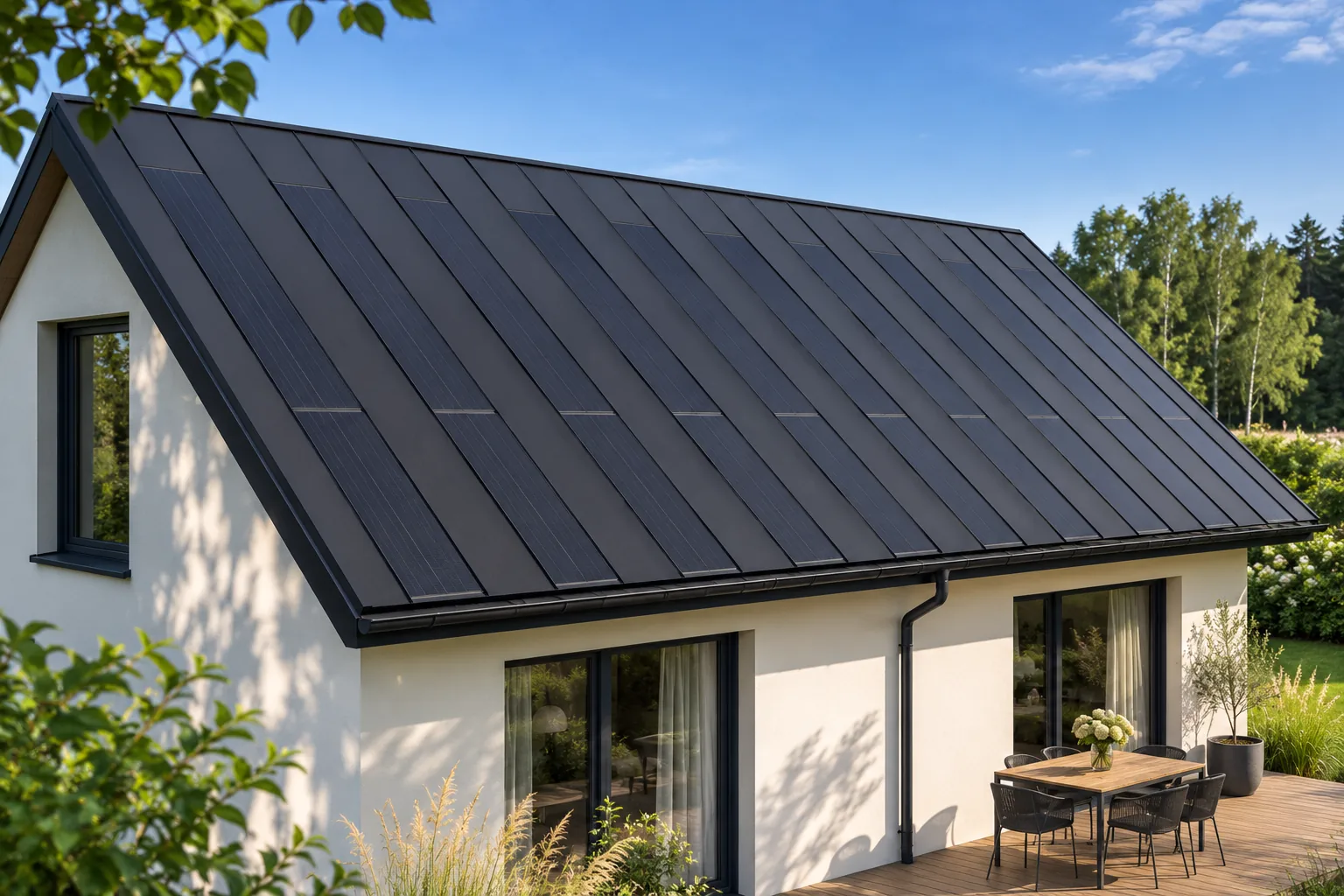
A roof described as solar does not necessarily have a photovoltaic covering. Building-integrated photovoltaics (BIPV) takes over a building function, while an…
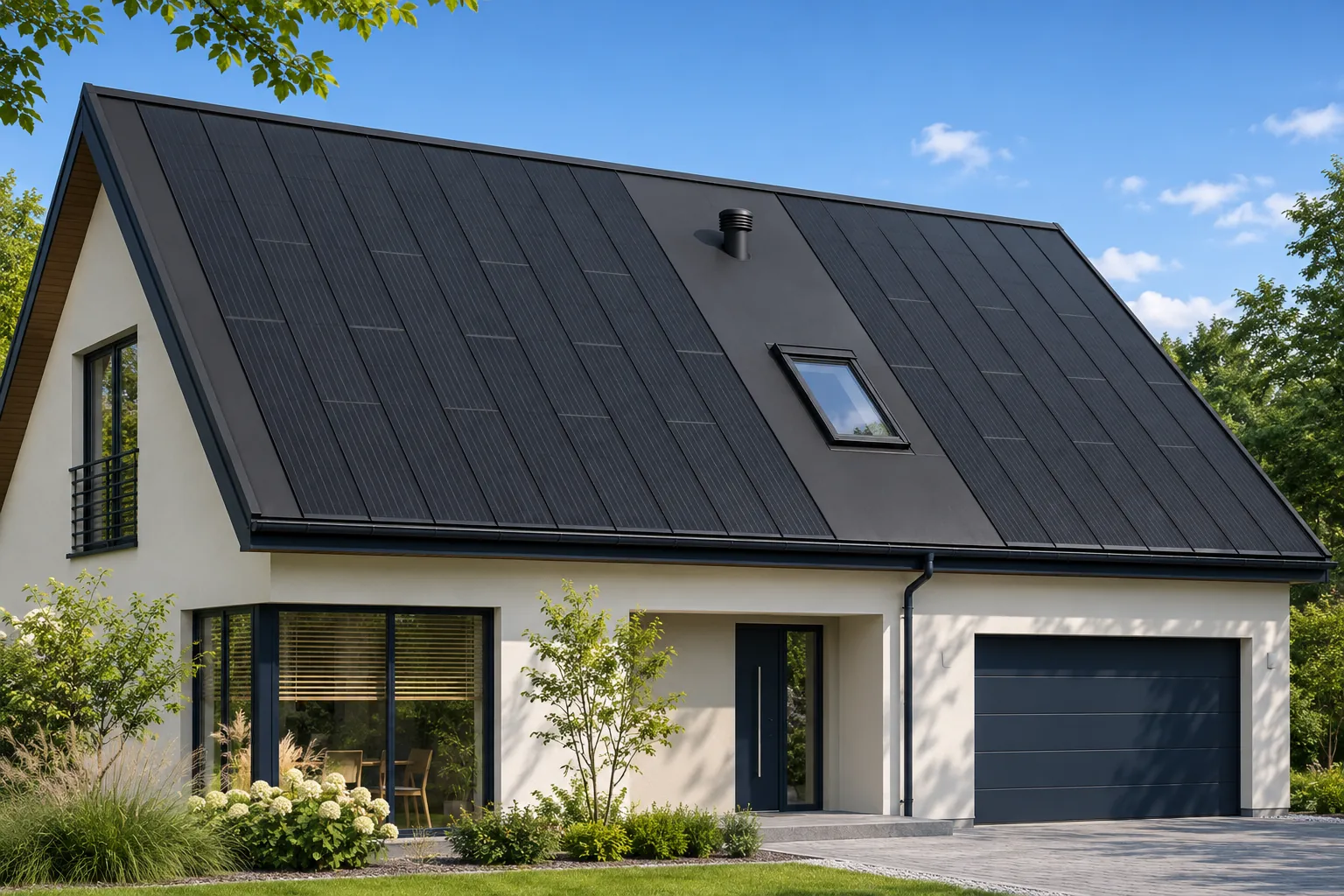
Roof windows and chimneys can share a slope with integrated photovoltaic panels. Plan the openings alongside the panel layout, allowing for shade,…
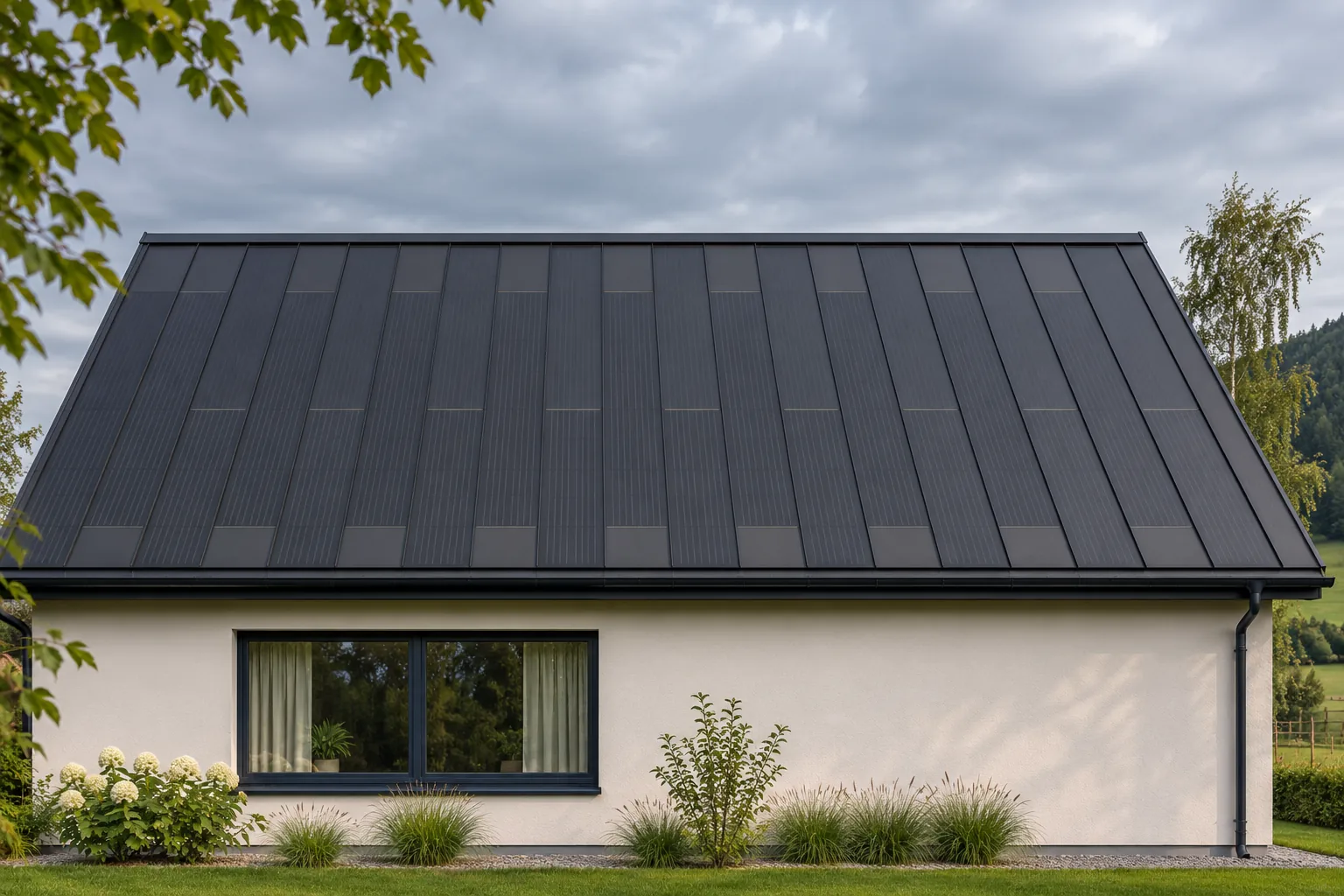
Installing an integrated solar roof brings the roofing and electrical trades together at several stages. First confirm the design and structure. Prepare…
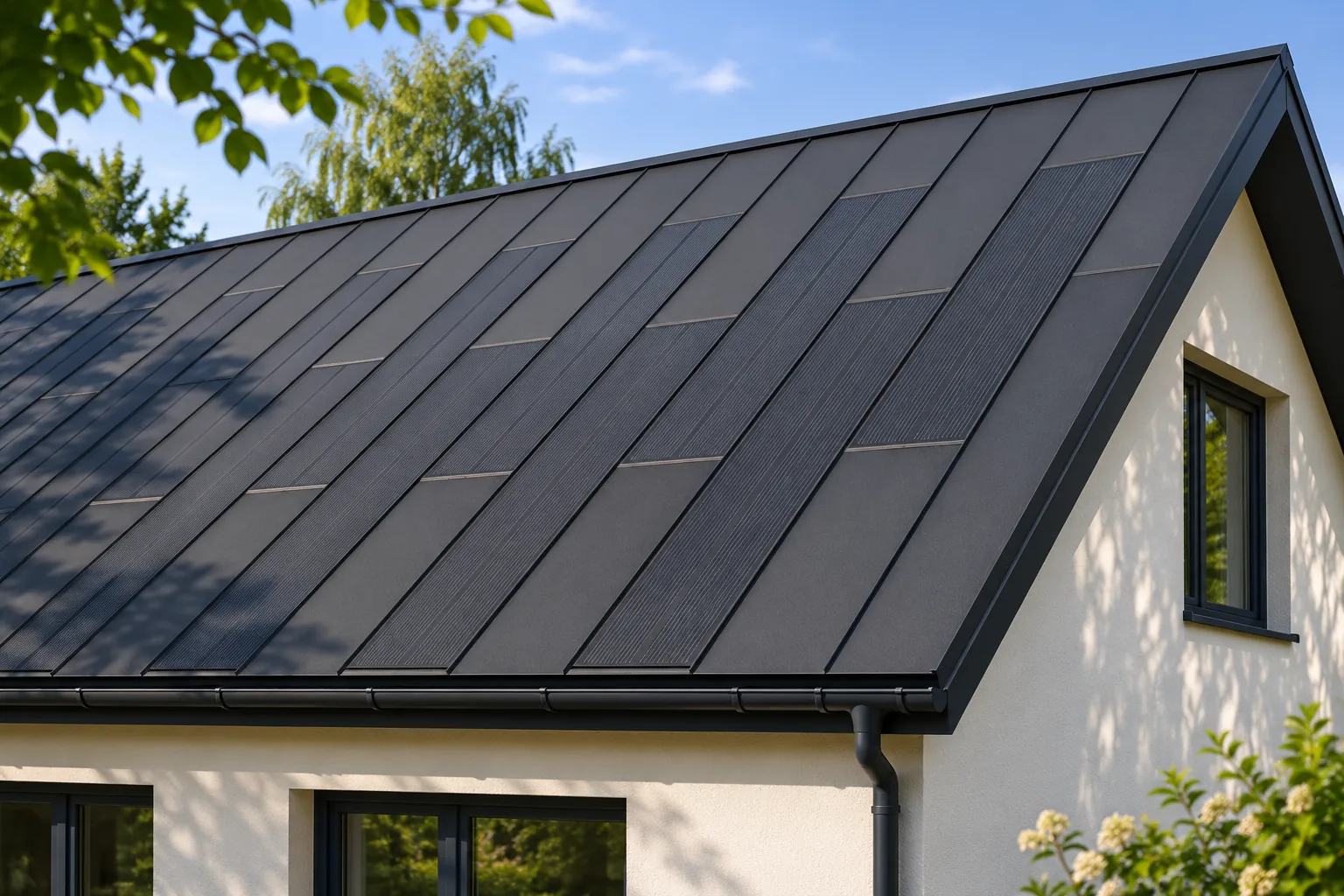
An integrated photovoltaic roof needs access for inspection and repair, both for the solar installation and for other parts of the building.…
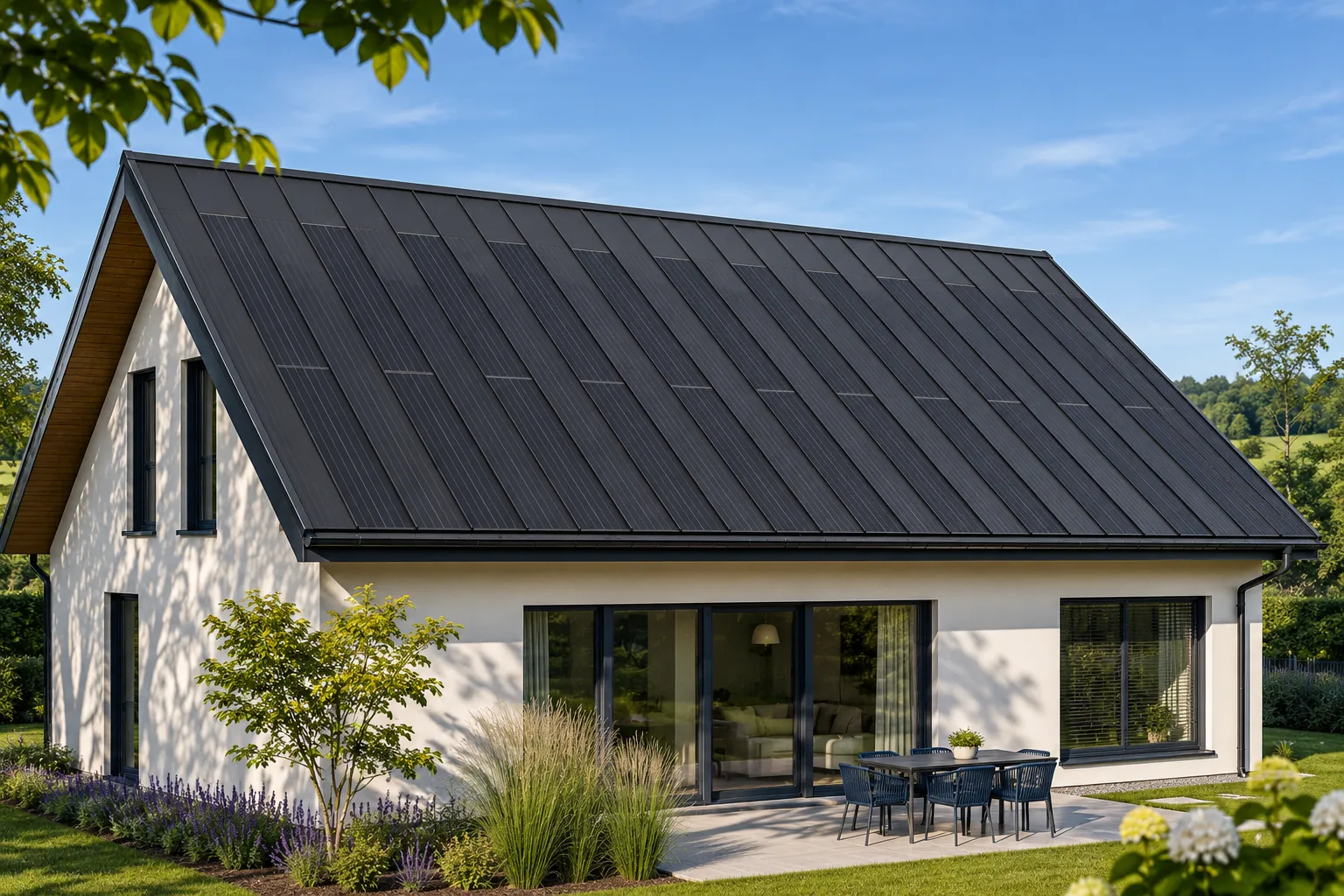
Choose a building-integrated photovoltaic roof before the structure and roof details are finalised. At that stage the covering, active area and electrical…
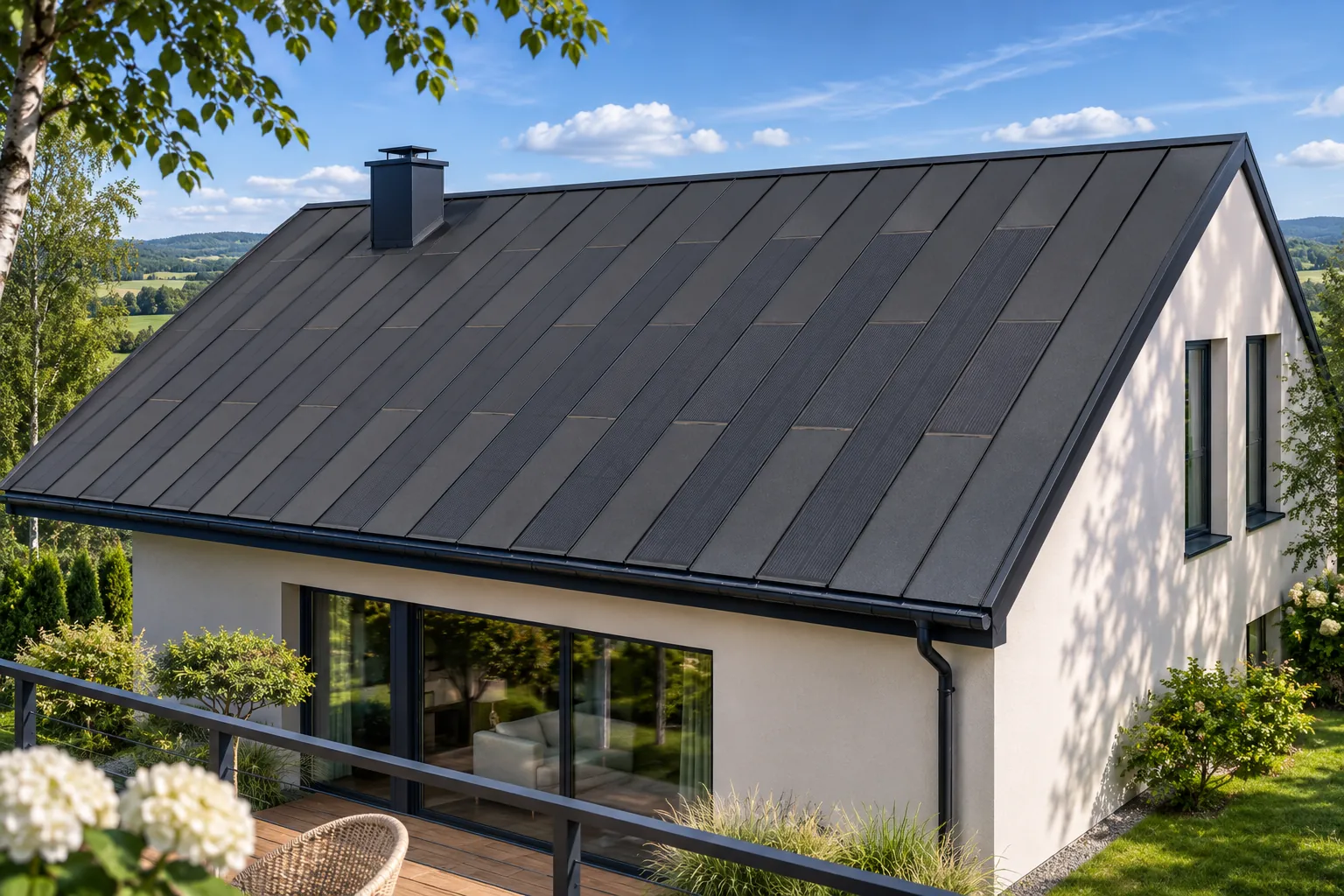
A solar roof order should be based on a dimensioned layout, not a single figure for the roof area. Measure the slopes,…
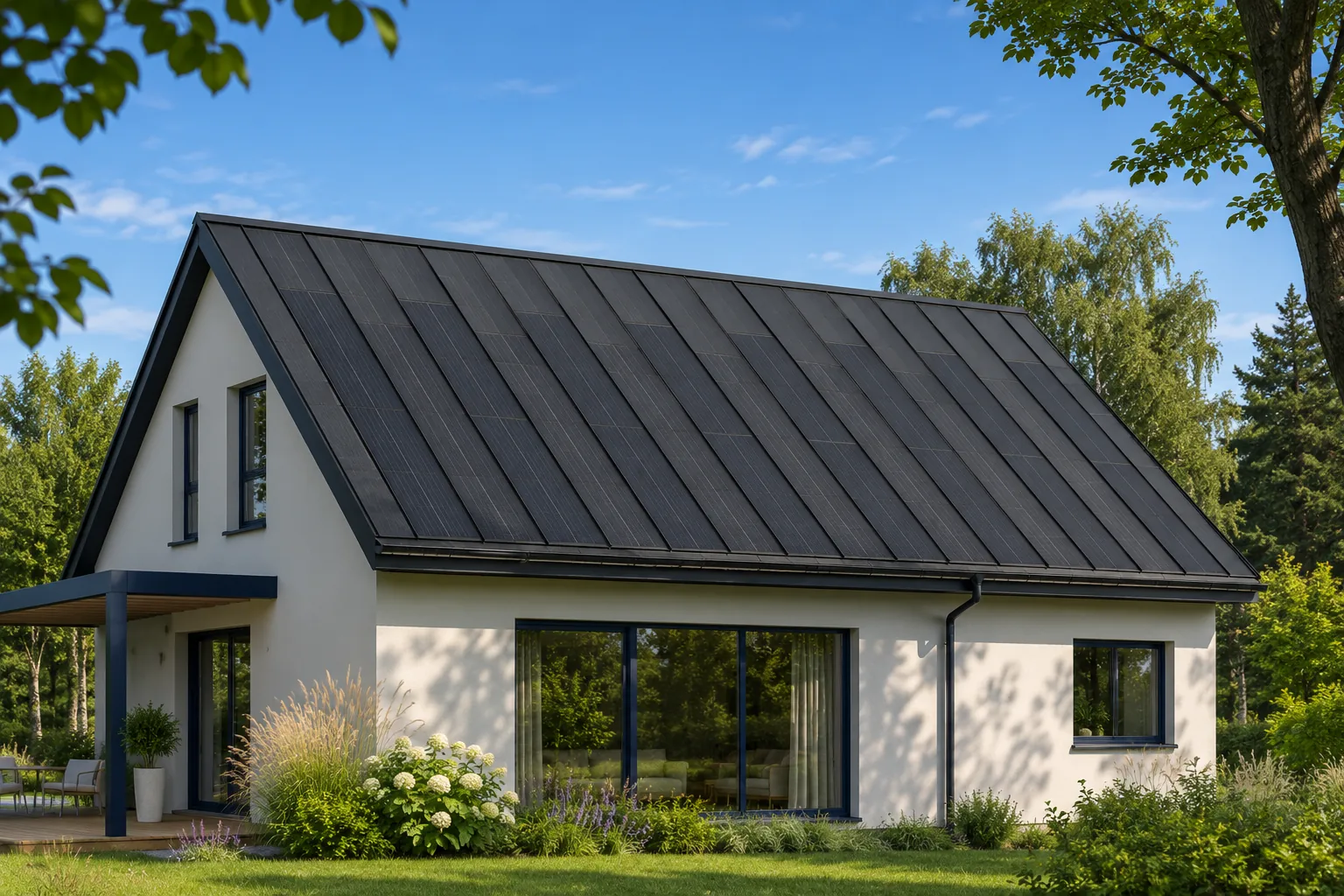
Keep the roofing and electrical records together once the photovoltaic roof is complete. The most useful documents describe what was actually installed:…