






In what order is an integrated photovoltaic roof installed?
Roofing and energy
Installing an integrated solar roof brings the roofing and electrical trades together at several stages. First confirm the design and structure. Prepare the necessary layers, lay the covering and make the specified connections as access allows. Testing, commissioning and handover follow. The precise order depends on the system, so identify inspection points before work is concealed. An approved layout should include active and passive pieces and all junction details. Reconcile the bill of materials with the measured roof and name the person who approves dimensional changes. These decisions belong before delivery, while the order can still be corrected.
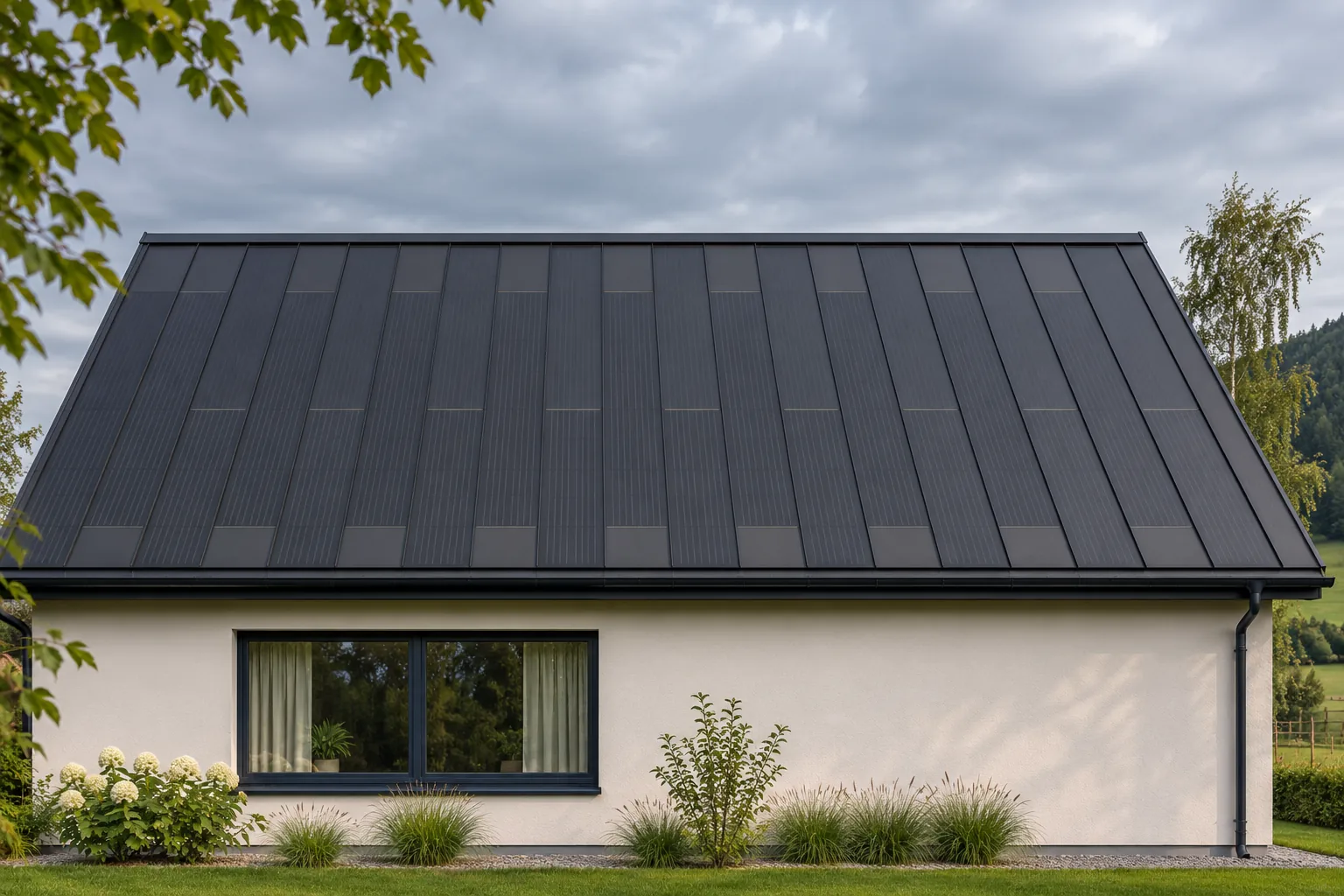
What has to be agreed before delivery?
Prepare unloading access and storage. Handle glass-bearing elements as the instructions require. Agree the two trades’ sequence and inspection dates so materials arrive at a prepared site and the team can protect any partly covered slope.
How does roof preparation start?
Inspect the frame, geometry and supports. Install the layers specified for this product, which may include decking, a membrane and ventilation battens. The programme should refer to the current system instructions because BIPV constructions differ.
Inspect penetrations and joints while they are exposed. Resolve an uneven substrate or misplaced opening before it disrupts the panel pattern and flashings. Photographs preserve details that will be hidden under the finished roof.
When should cable routes be prepared?
Agree routes before closing the areas they cross. Some work belongs to substrate preparation and some accompanies panel laying. Follow the electrical design and system manual. Fix cables on their planned routes clear of drainage, ventilation and roofing fasteners.
Identify connections that need inspection before covering. A final check alone is too late where access requires dismantling. Release each section jointly once both the roofer and electrician have finished their work underneath.
How are active and passive parts laid?
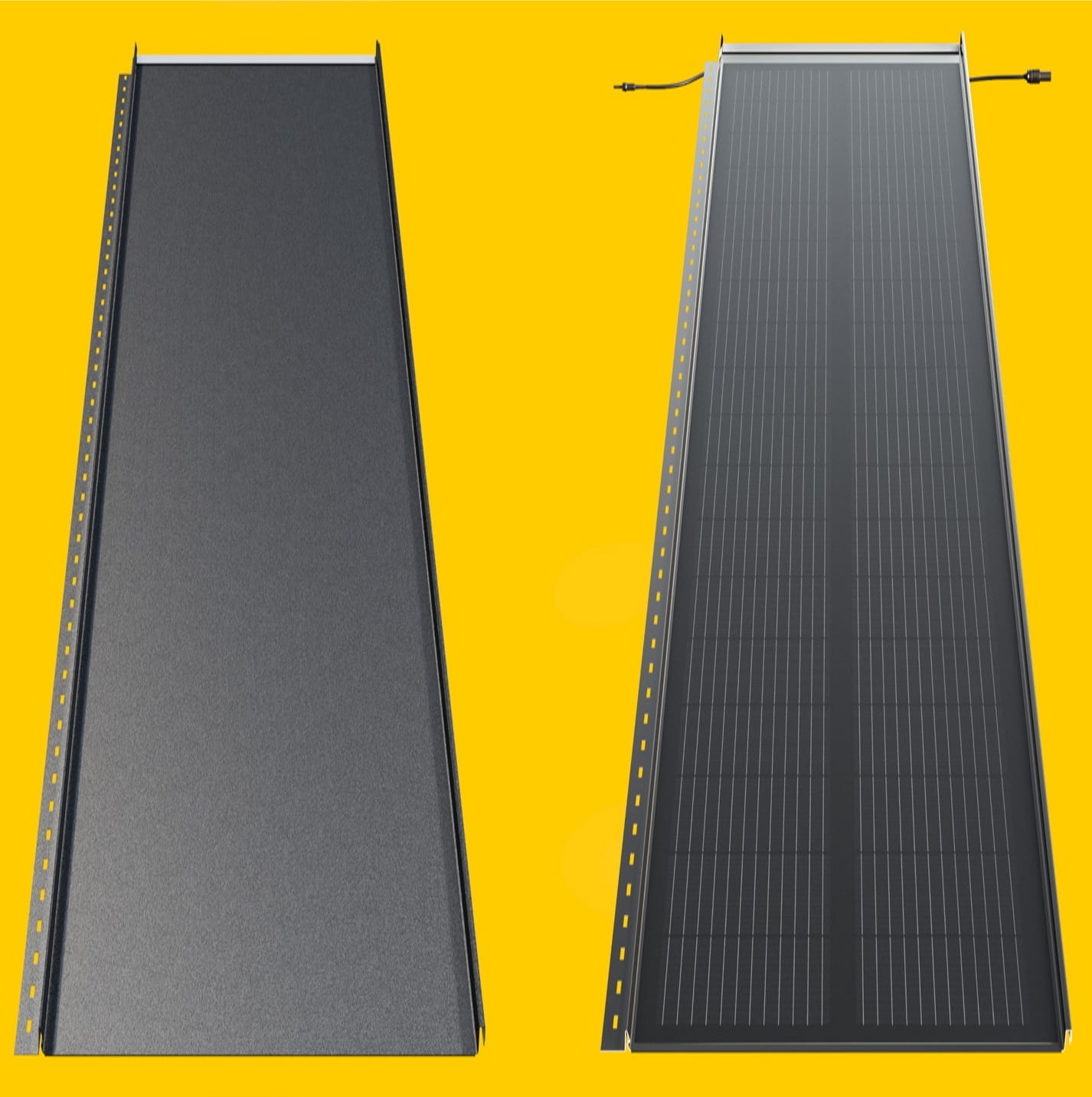
Follow the manufacturer’s laying direction and sequence. Active steel panels combine with pieces without cells. Use the relevant junction details around openings and at edges. Fixings and connections are specific to the chosen system.
Protect surfaces and avoid unintended loads on modules. Obtain agreement before changing the pattern. If a different size is needed, use the permitted adjustment rather than cutting an active area. This preserves both the covering and the electrical function.
What follows once the roof is covered?
Complete the flashings and inspect the roofing details. Finish the electrical equipment and protection, then carry out the measurements and checks specified in the design. Once these are complete, commission the system and verify communication with monitoring.
Generation appearing in an app is only one observation. Check the building work, documents and completeness of the installation. Match the actual panels to their position map so later service work does not require surveying the roof again.
What should happen at handover?
Give the owner current drawings, circuit diagrams, inspection records and warranty terms. Explain how to read monitoring, report faults and arrange roof access. Make clear which active areas may be accessed and under what conditions.
Coordinating the stages avoids duplicating work. Duration varies with the weather, roof shape and preparation. A useful programme identifies dependencies and allows time for checks before the crew moves to the next stage.
Divide the programme into roof areas that can be closed in a shift. For each area identify the electrical connection to be checked first and who confirms weather protection overnight. This matters particularly when bad weather cuts the working day short.
Solar roofing manufacturers and brands include SolRoof, ML System, Terrán, Solartag, BIPVco, Wienerberger Wevolt, SunRoof, 3S Swiss Solar Solutions, Electrotile and MDM NT (MyRoof).

Free quote
What to include in your enquiry
Tell us how you plan to use the material, the dimensions and the quantity you need. Include the thickness, grade or variant name, along with the delivery town or your preferred collection branch. For a specific product, add its name or a link to the product page. We will reply to the email address you provide to discuss availability and the terms of your order.
More from the building guide
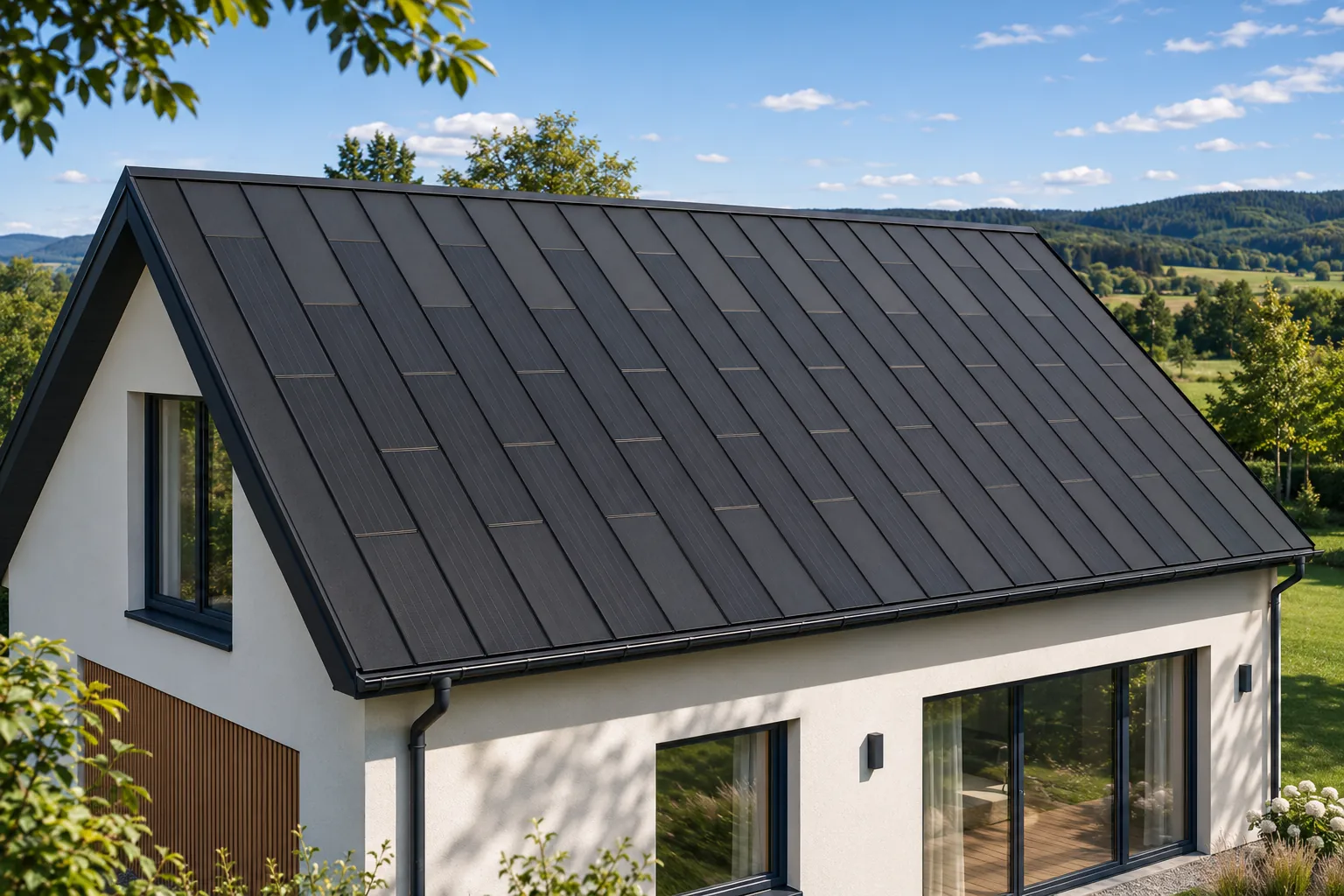
Handover of an integrated solar roof covers the roofing, electrical installation and records of how both were built. An app showing power…
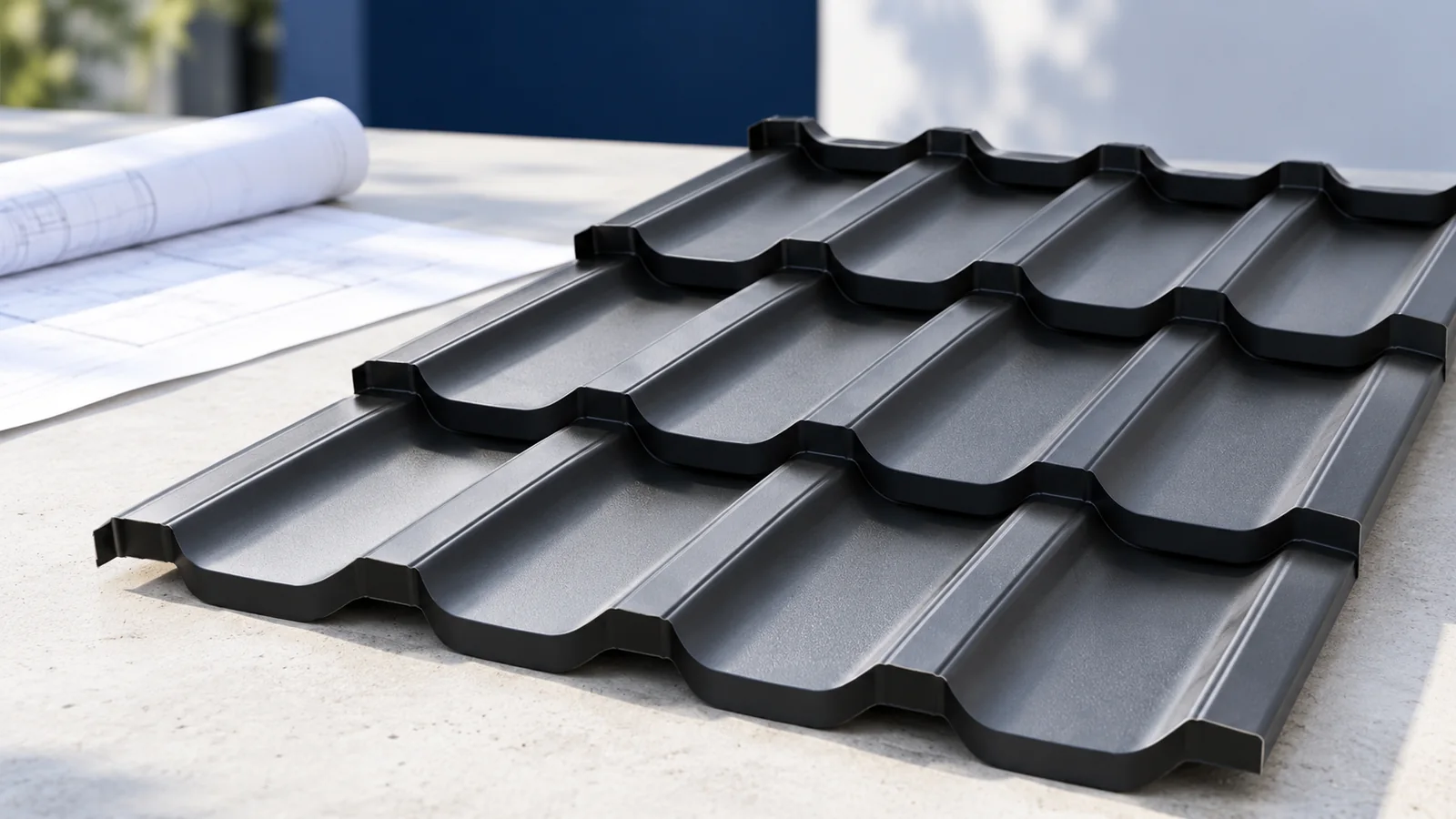
Installing solar PV on a metal roof starts by establishing how loads reach the structure. Bracket shape or profile name alone does…
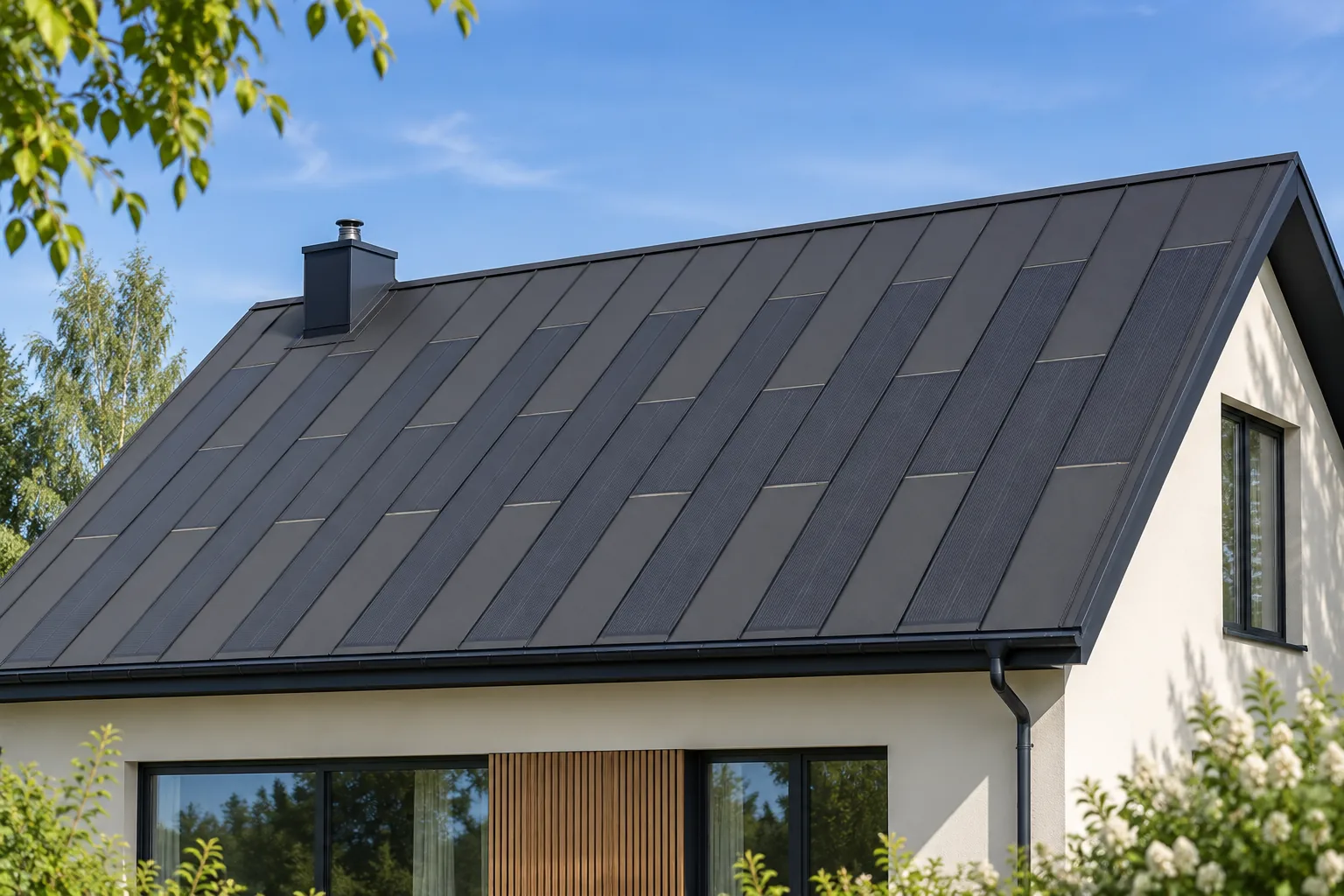
The longest warranty in a solar roof quotation may cover only one feature. The coating, roofing element, PV module, retained output, inverter…
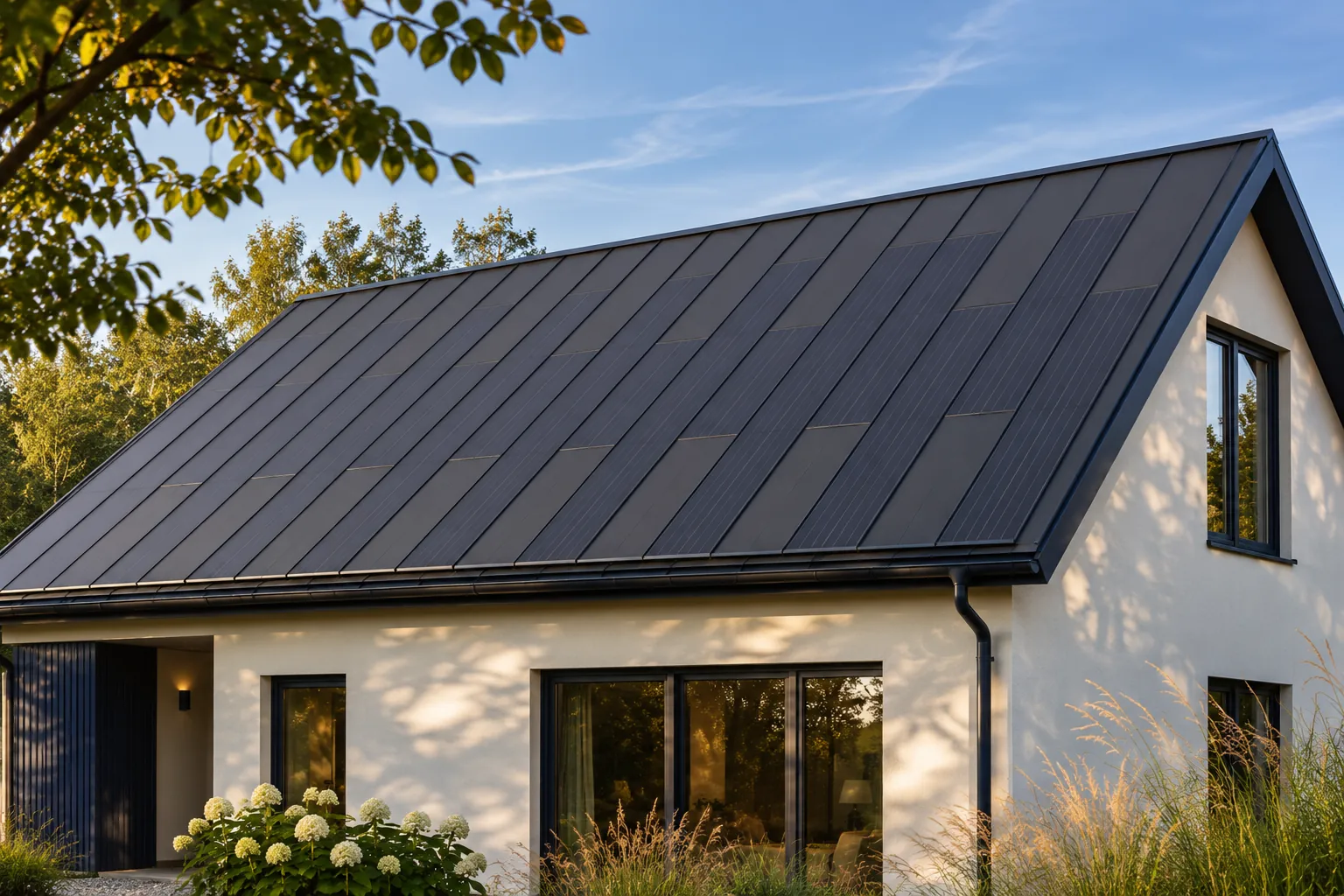
A smooth module surface alone cannot keep an entire roof weathertight. Rain reaches edges, eaves, ridges and penetrations, changes direction at joints…
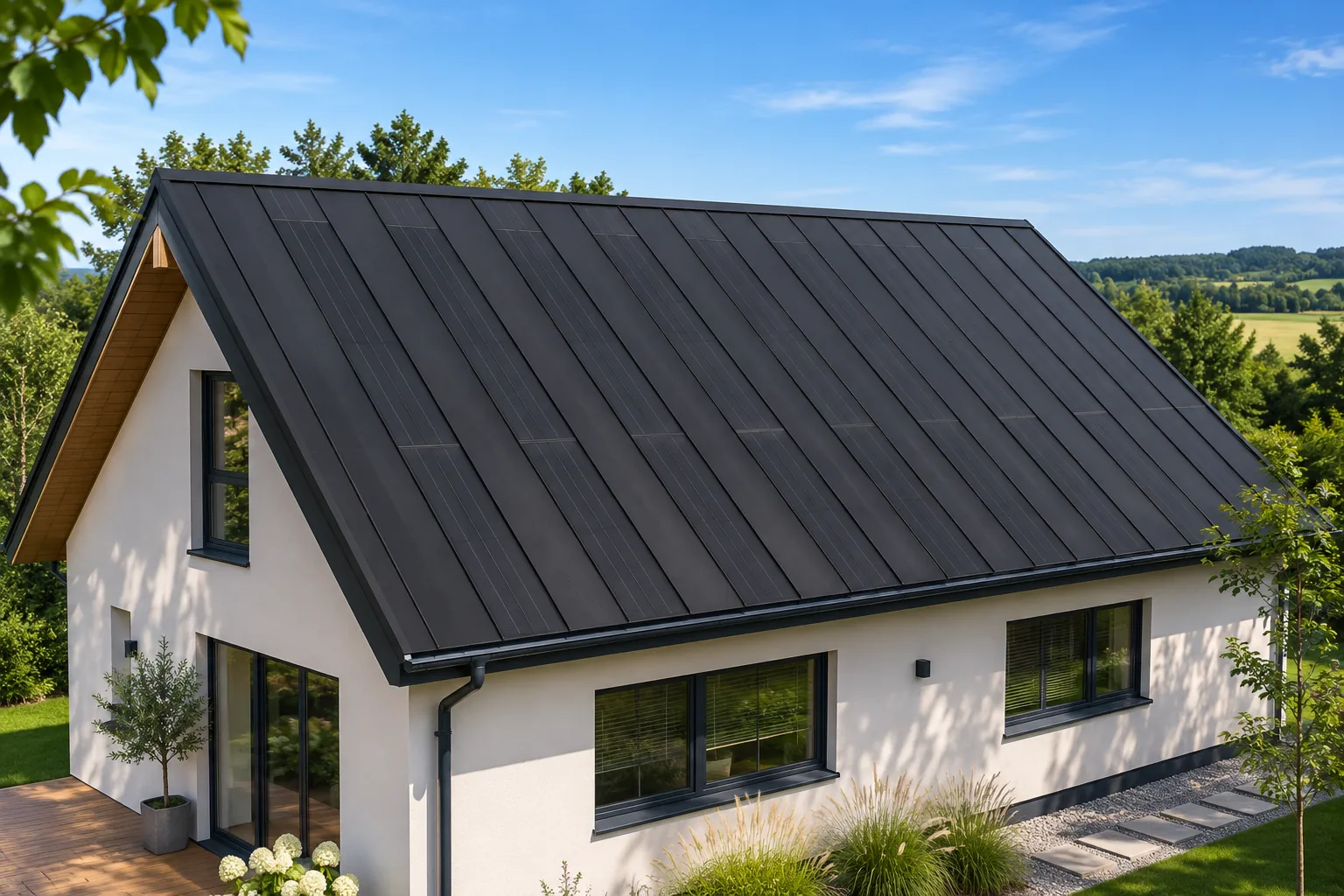
An integrated solar roof needs roofing and electrical expertise, even when one company holds the contract. Some connections are made as the…
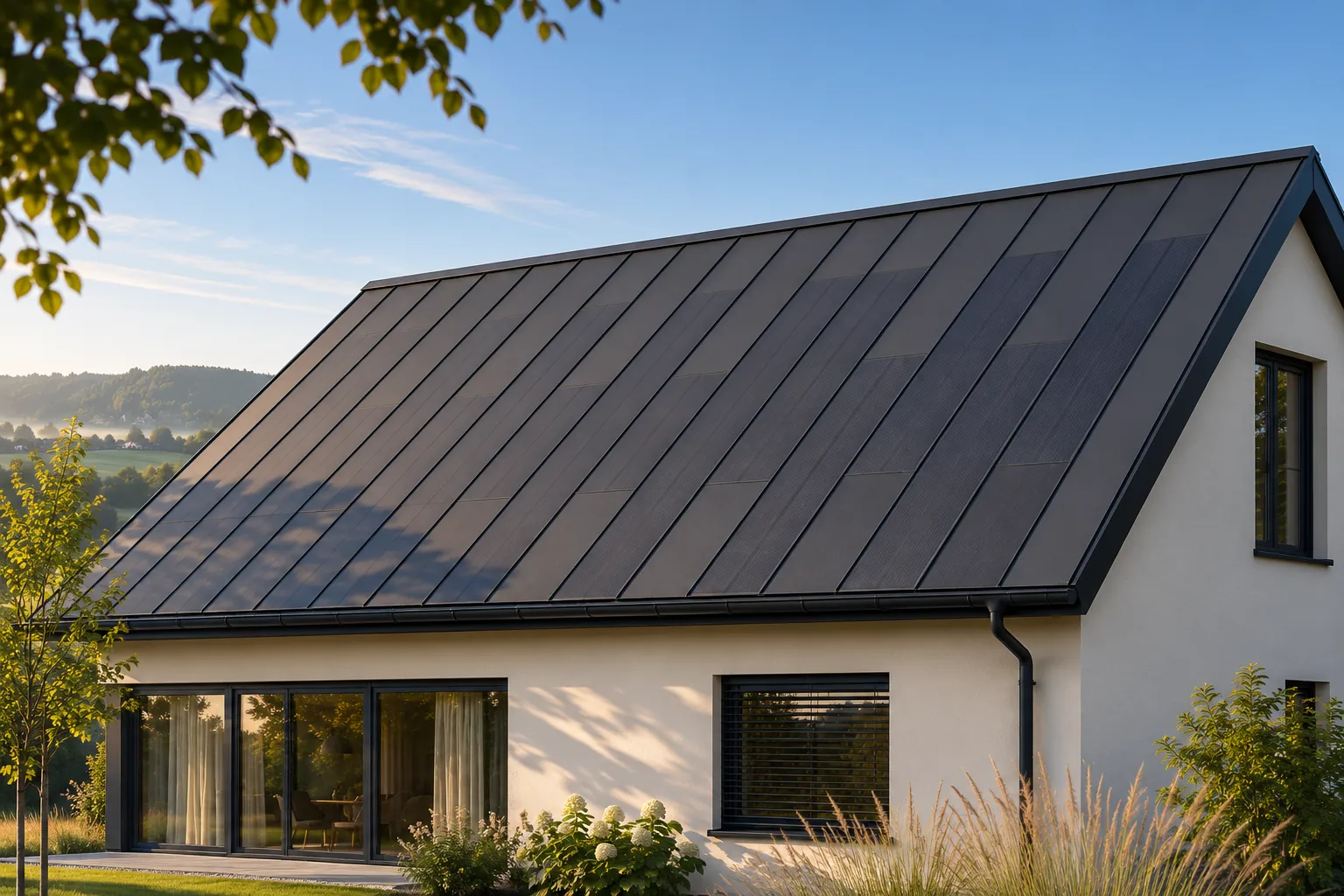
An integrated PV roof design needs the roof geometry, layers, supports, flashings and cable routes alongside the module count. Combine these with…
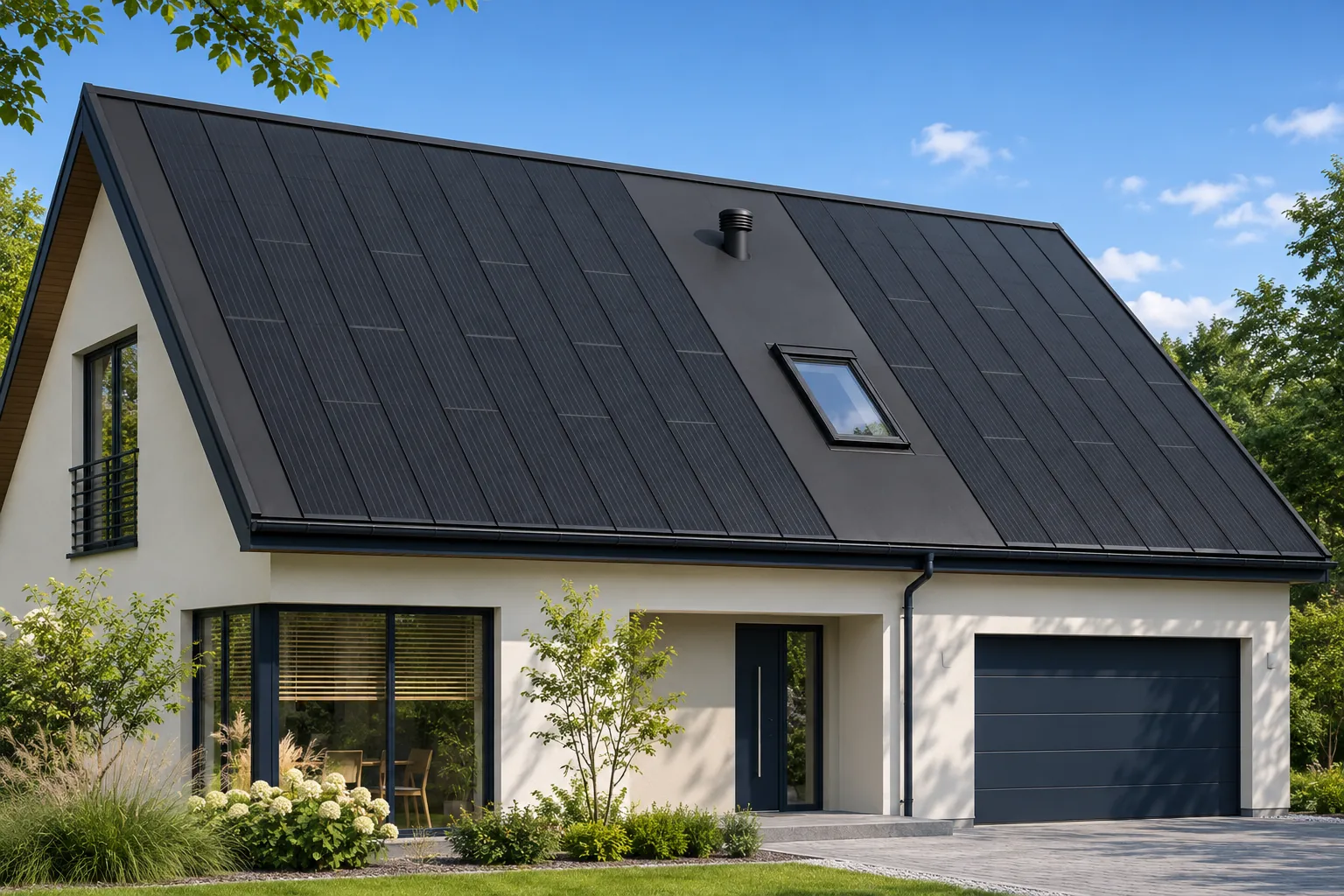
Roof windows and chimneys can share a slope with integrated photovoltaic panels. Plan the openings alongside the panel layout, allowing for shade,…
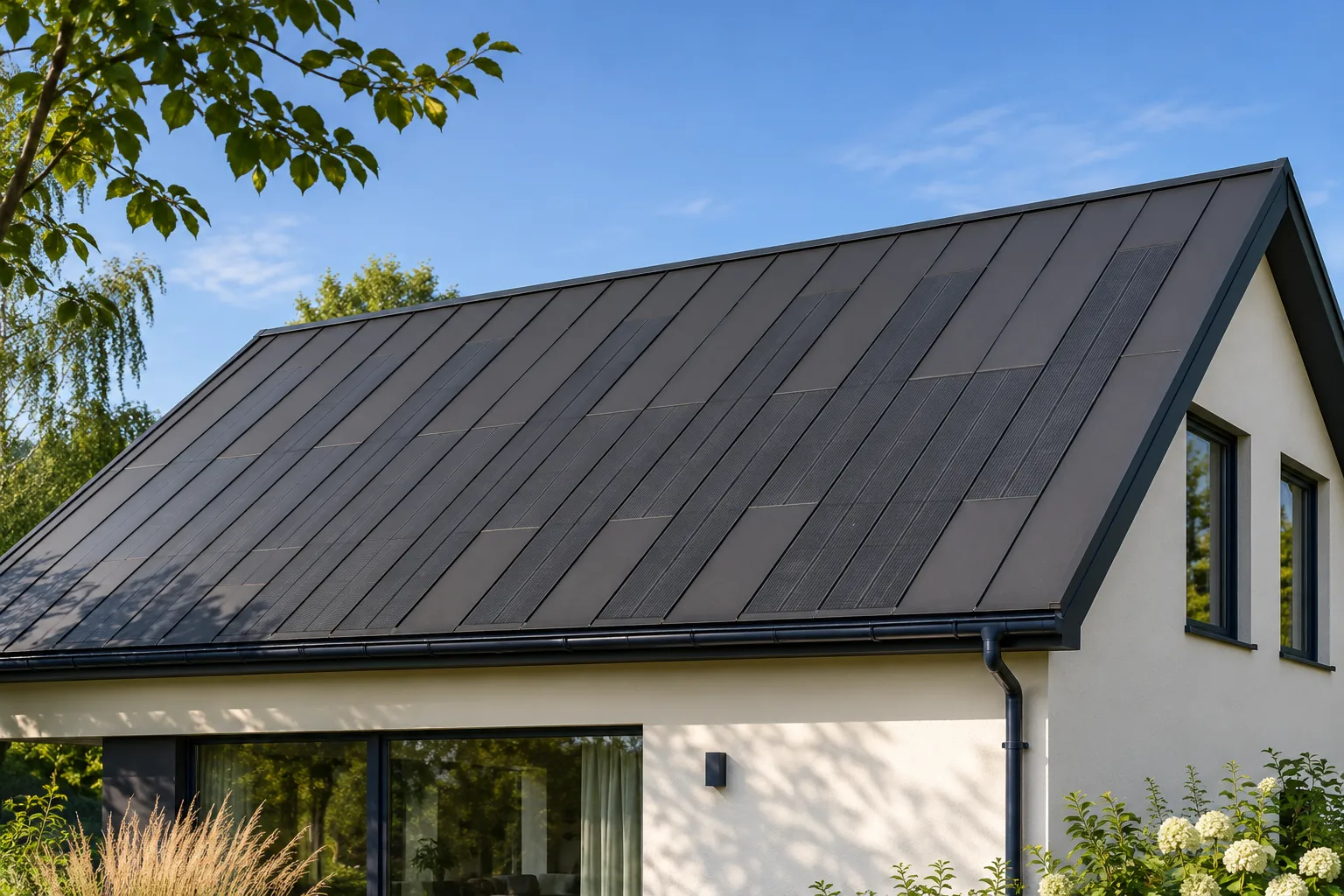
An active PV covering is one layer of the roof above a heated loft. The assembly still needs to shed water, limit…