






Your first corrugated fibre cement roof: what to decide before you buy
Fibre cement roofing
Start with what happens beneath the roof and what the structure can carry. Sheet size and colour come later. Corrugated fibre cement is part of a roofing system: before ordering, establish where the sheets will bear, how they will be fixed and how their edges will meet. Tell the designer if the building will be heated, open-sided, used seasonally or exposed to high humidity. Describe what you will store there and any planned change of use. A roof over a timber store has a different job from the covering over an insulated workshop.
1. Describe how the building will be used
This brief helps determine the inner layers, ventilation and daylighting. You need not specify every detail yourself. Give the designer your actual requirements: leaving out a future heating system could mean an expensive alteration to the junctions and space beneath the covering.
2. Check the structure
On a new build, choose the supports and covering together. On an existing roof, examine material condition, sections, spacing and joints. Using modern asbestos-free sheets does not make every old batten suitable. The supports must meet the installation requirements and carry the roof, snow and wind loads. Assess them before buying: the cheapest sheet is little use if the delivery has to wait for unforeseen structural repairs.
3. Confirm the shape of each slope
Measure lengths, widths, pitch and changes of direction. Locate chimneys, walls, rooflights and outlets. Check whether the slope is square and the supports lie in one plane. Lay out the rows using effective cover dimensions. Area alone will not show cuts or how the last row ends. Verify old drawings on site: a small difference can move a lap off its support or change the sheet count.
4. Choose the system
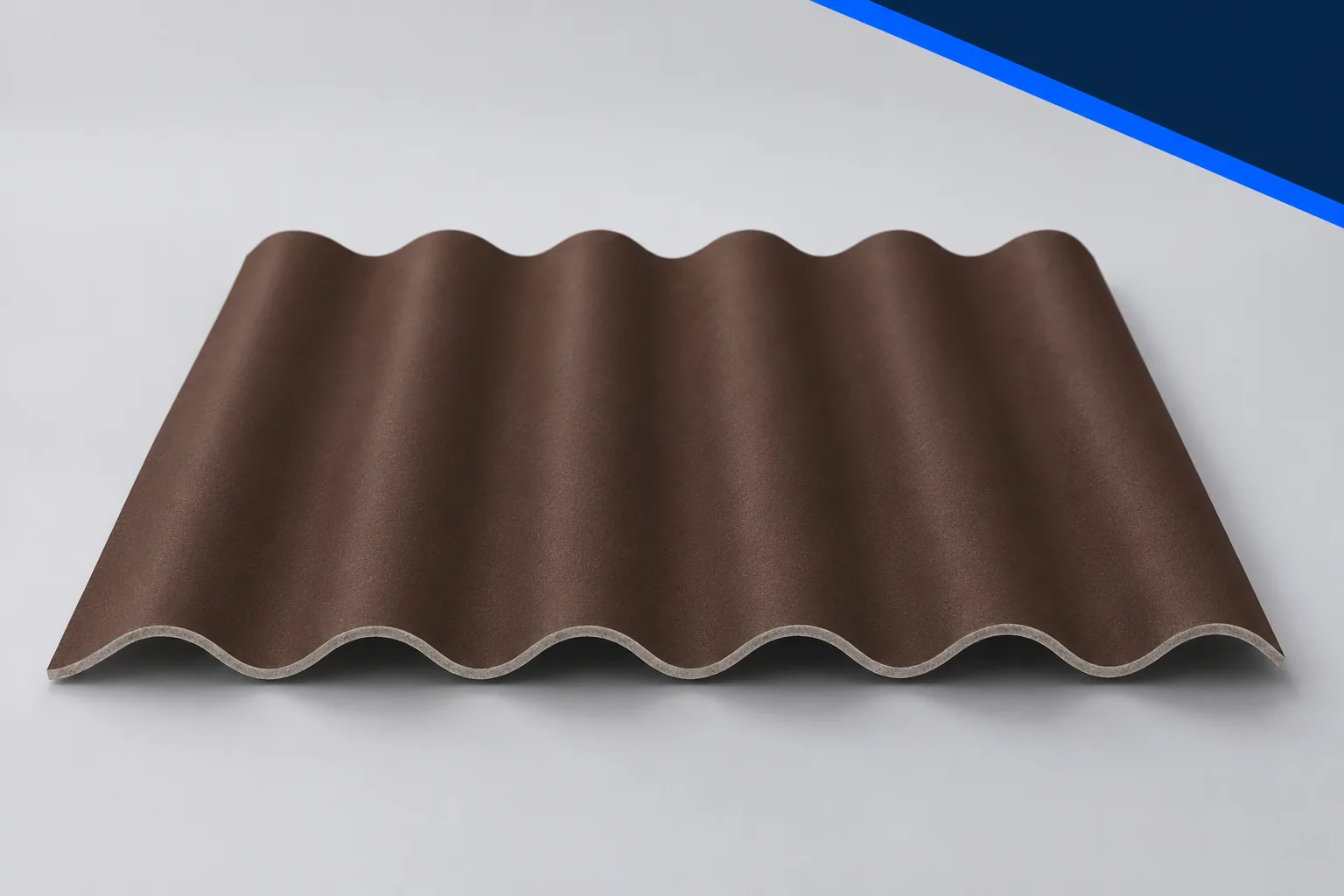
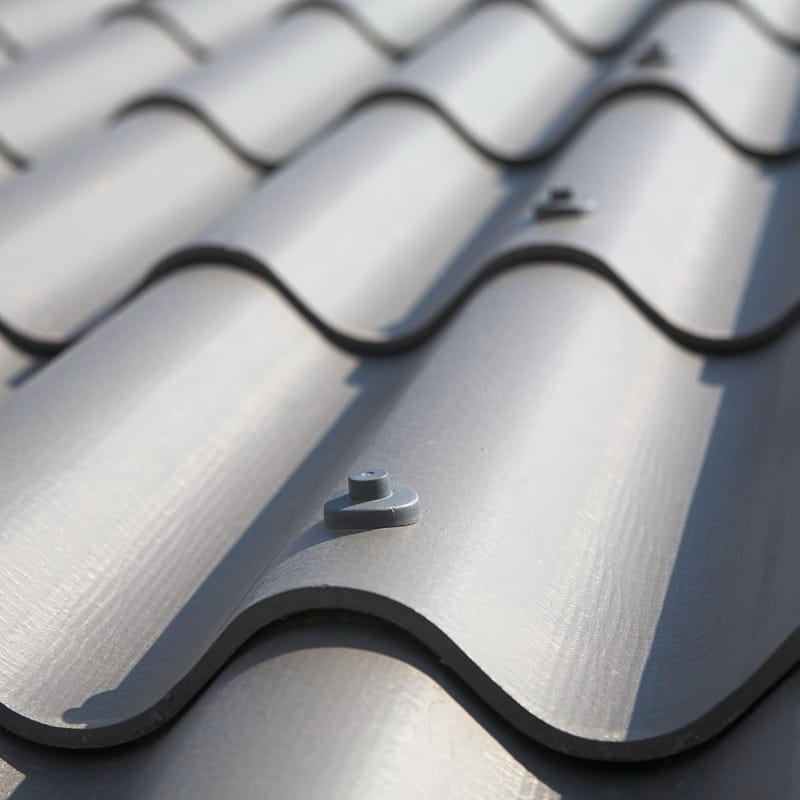
Now compare profiles, lengths and finishes. For each candidate, check that the instructions cover the intended application, pitch, support arrangement and accessories. A similar-looking sheet on a neighbouring building may require different laps. Factory-prepared corners and holes can speed up work but may determine laying direction and the sheet’s position in a row. Select on all these conditions together.
5. Price the whole roof
Count sheets from a cutting plan and justify the allowance by roof complexity and handling. Include fittings, fixings, required seals, flashings, transport, unloading and preparation. Ask what is excluded, particularly repairs to the existing structure and removal of the old roof. If the old material is unidentified, address that separately. Buying asbestos-free replacement sheets does not resolve how the old covering must be handled.
6. Plan delivery and site work
Agree on vehicle access, storage and how sheets will be lifted to the roof. Long sheets need space and enough people or suitable handling equipment. Protect corners and avoid trapping moisture in the pack, following the manufacturer’s storage instructions. Discuss staging and fall protection with the contractor; never treat the sheets as a walking surface. Plan for a weather break so the material and the open building can be protected without rushing the work.
7. Agree on handover and maintenance
Agree before work starts which documents and photographs you will receive. Inspect concealed details before they are covered and record the parts fitted. Plan for inspections required by the system and for safe access to the ridge, gutters and penetrations. Find out how one sheet can be replaced. Years later this can matter more than its purchase price. Handover should leave you with that knowledge as well as a finished roof.
Choose the use and structure first, then the profile, quantities and colour. This sequence avoids buying on the strength of an incomplete survey or a misleading resemblance between sheets.

Free quote
What to include in your enquiry
Tell us how you plan to use the material, the dimensions and the quantity you need. Include the thickness, grade or variant name, along with the delivery town or your preferred collection branch. For a specific product, add its name or a link to the product page. We will reply to the email address you provide to discuss availability and the terms of your order.
More from the building guide
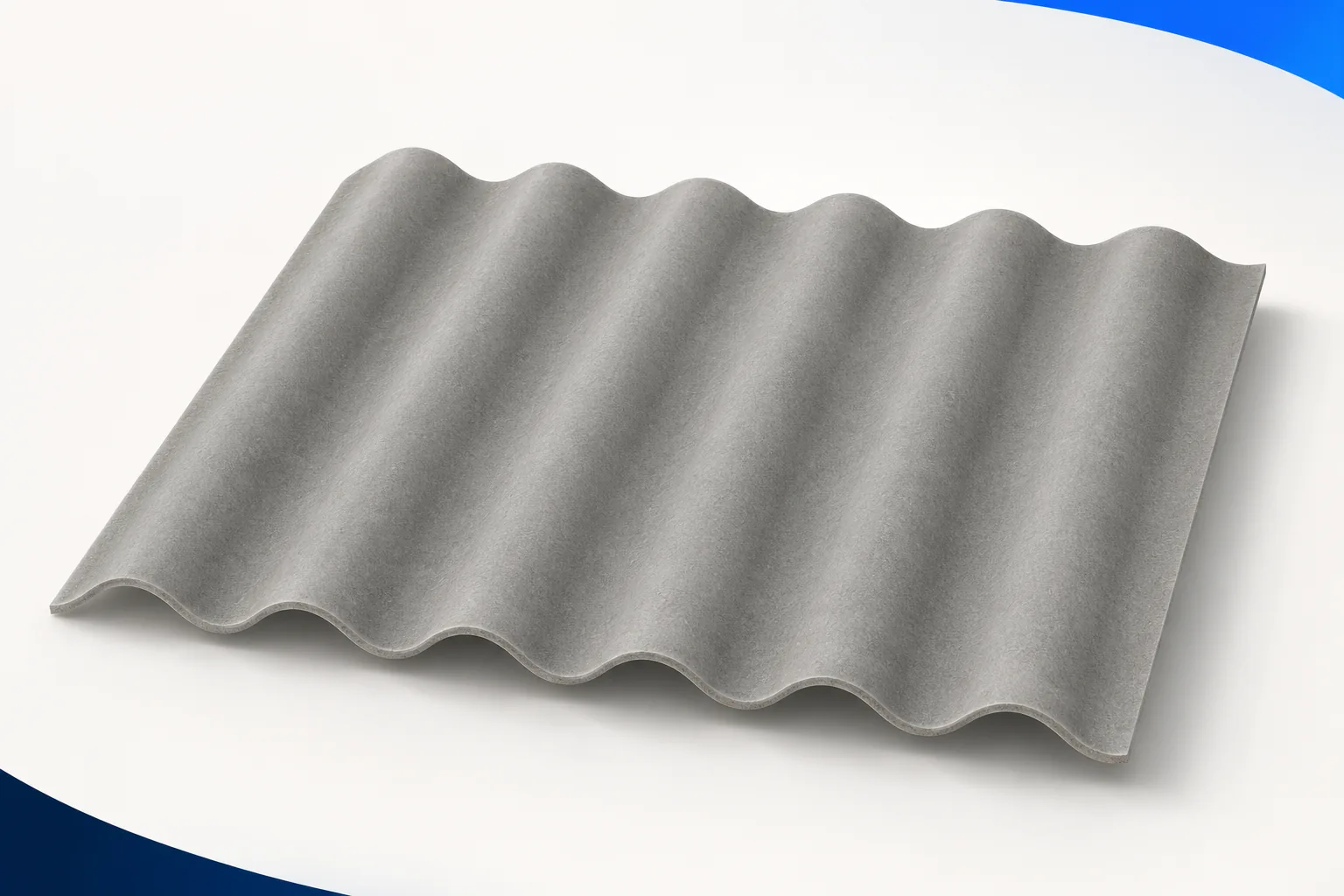
Find out why a fibre cement sheet has cracked before deciding how to repair it. Impact, a fixing pulled too tight or…
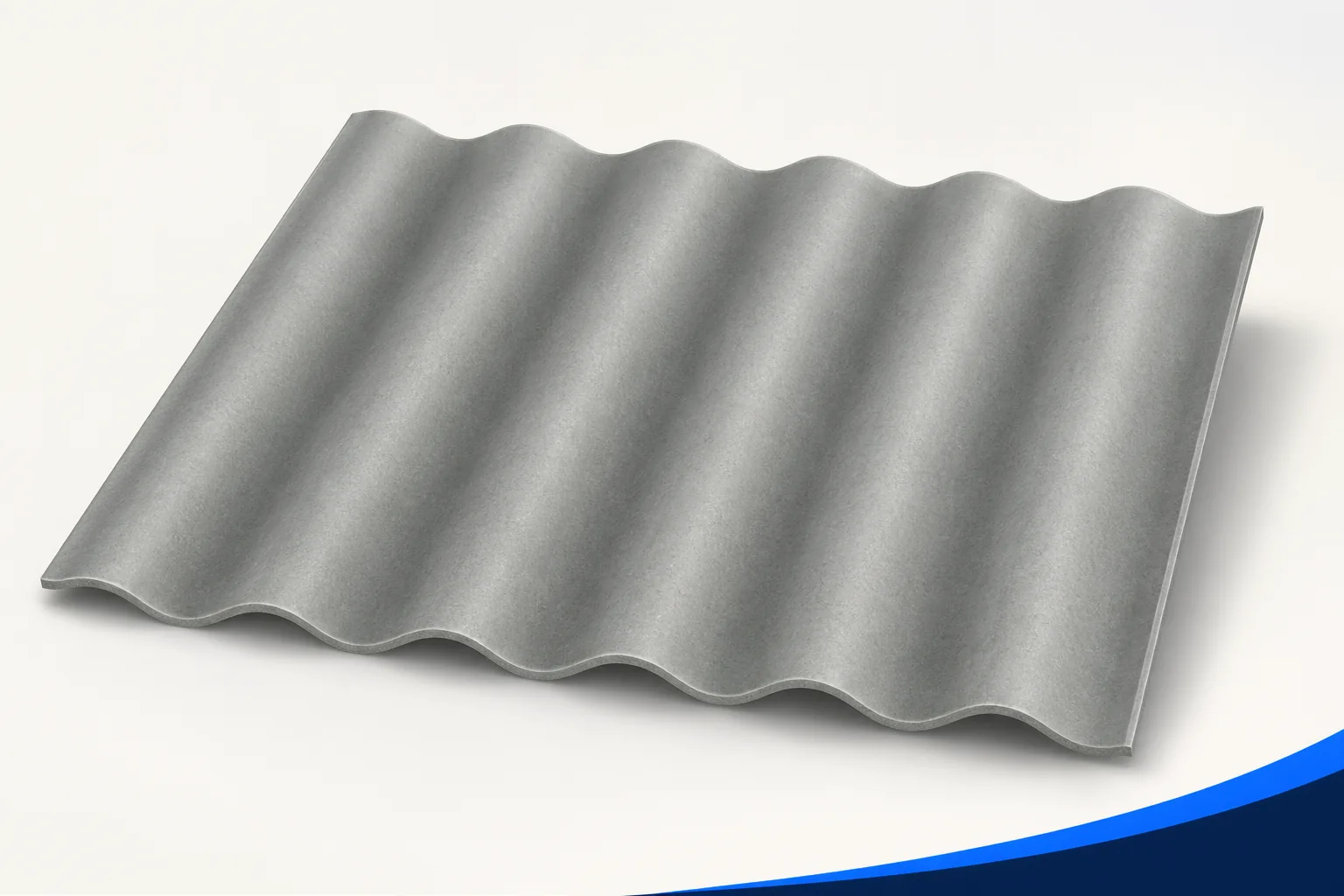
Two quotations showing similar corrugated fibre cement sheets may buy different amounts of finished roof. A price per sheet, per square metre…
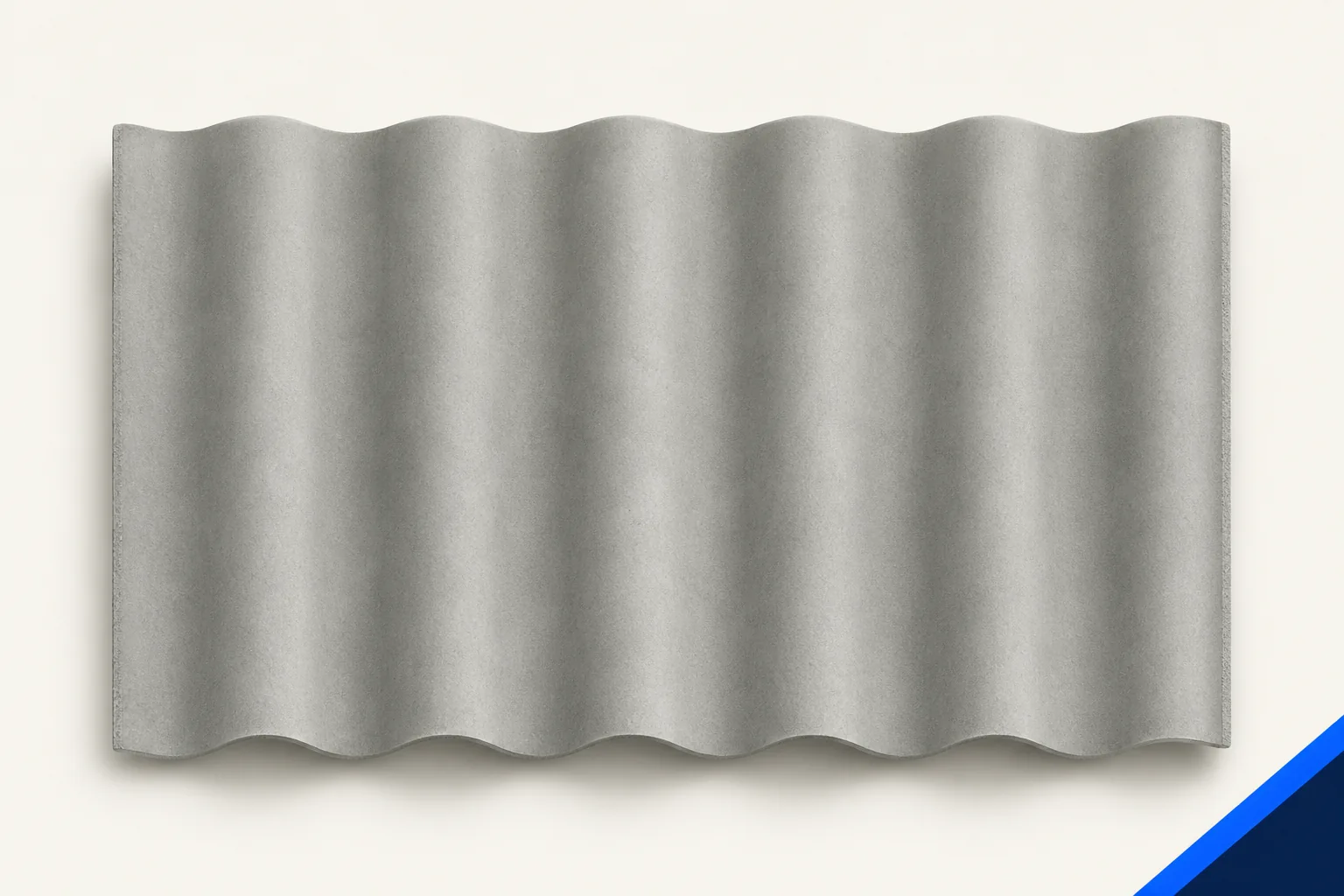
Corrugated fibre cement can cover a garage if the structure, pitch and intended use suit the system. A small roof still needs…
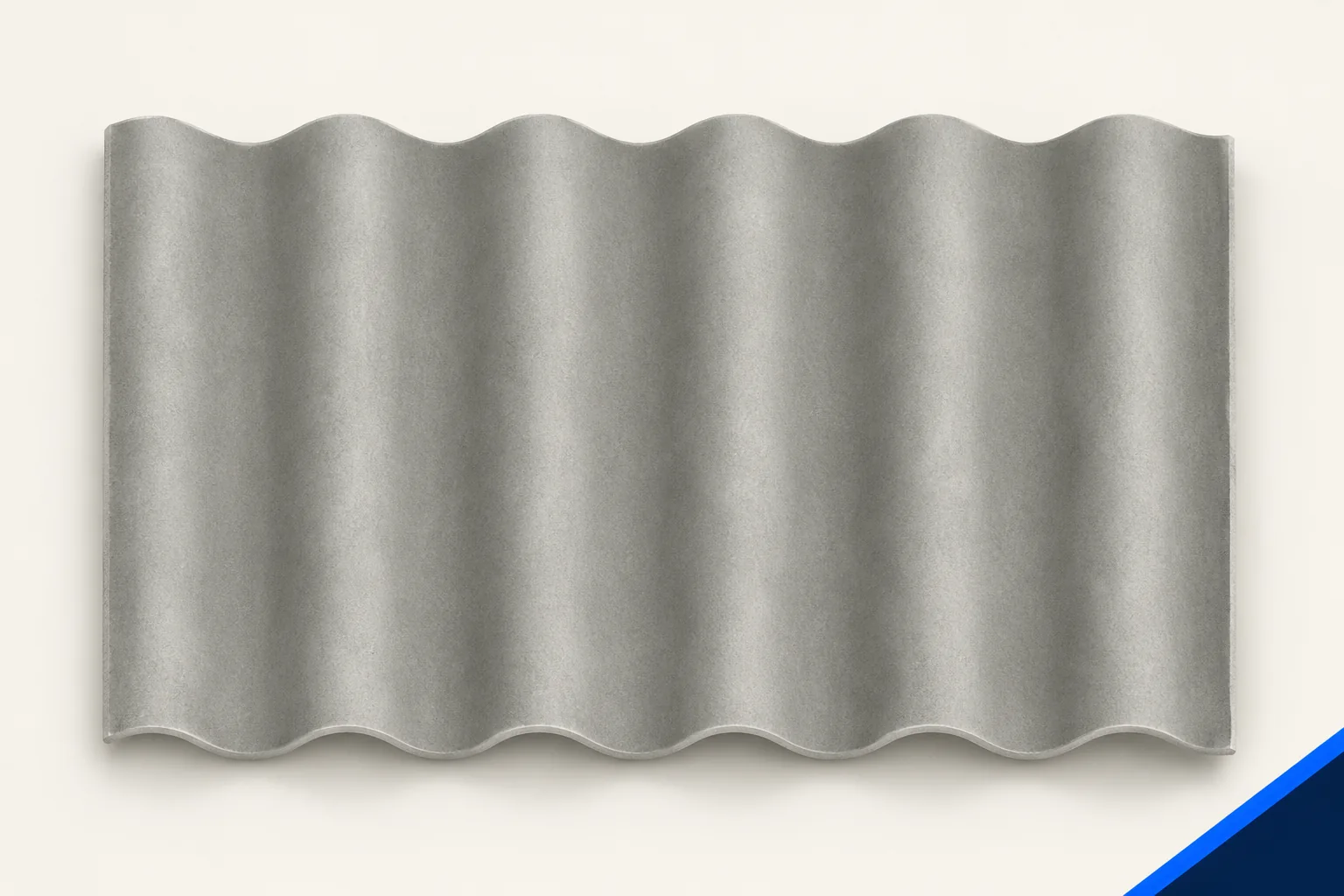
Decide whether to do the work yourself by considering the entire job, not just the roof area. Corrugated fibre cement needs the…
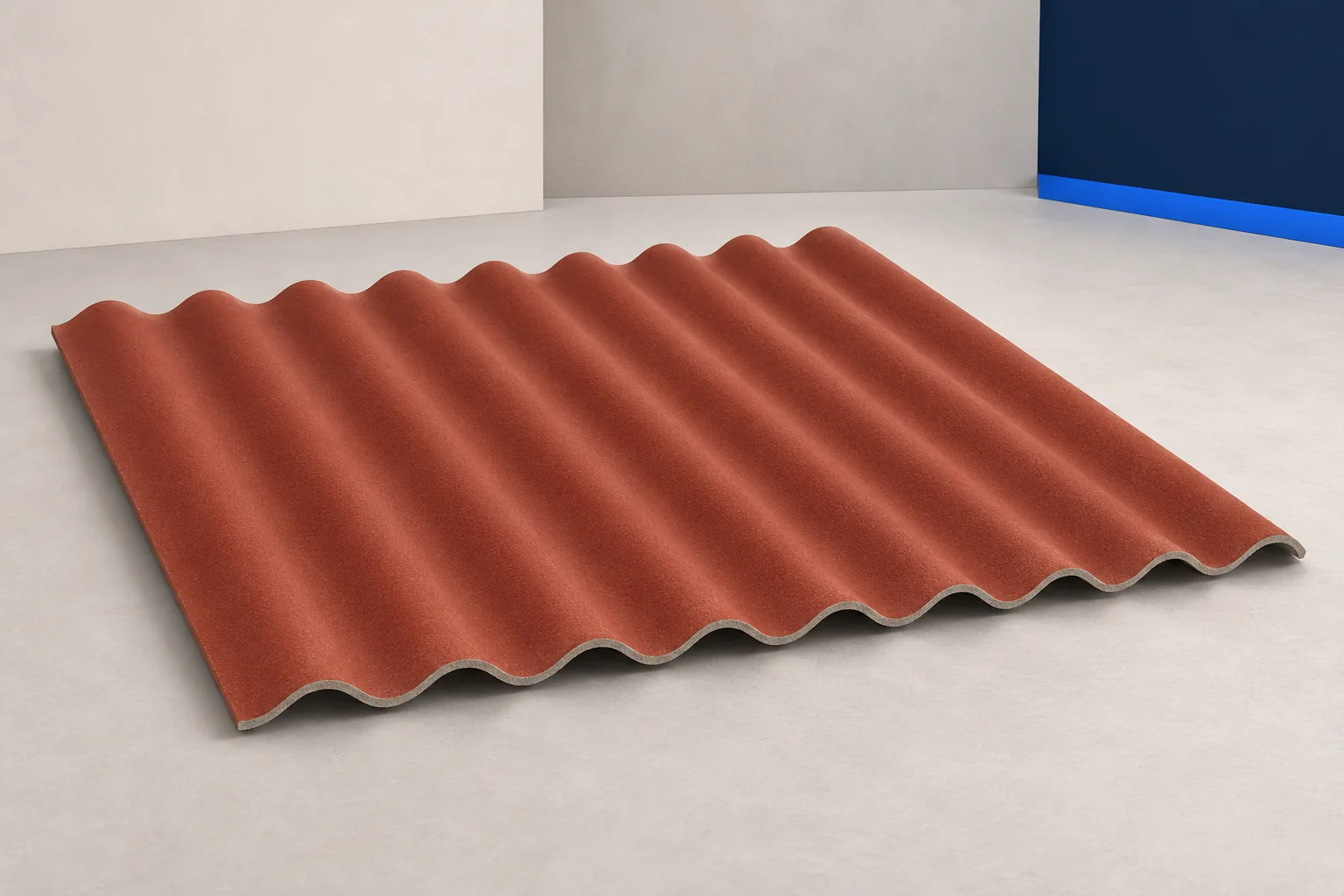
Fibre cement describes a material, not a single interchangeable product. It can be made into corrugated roof sheets, flat cladding, sheathing and…
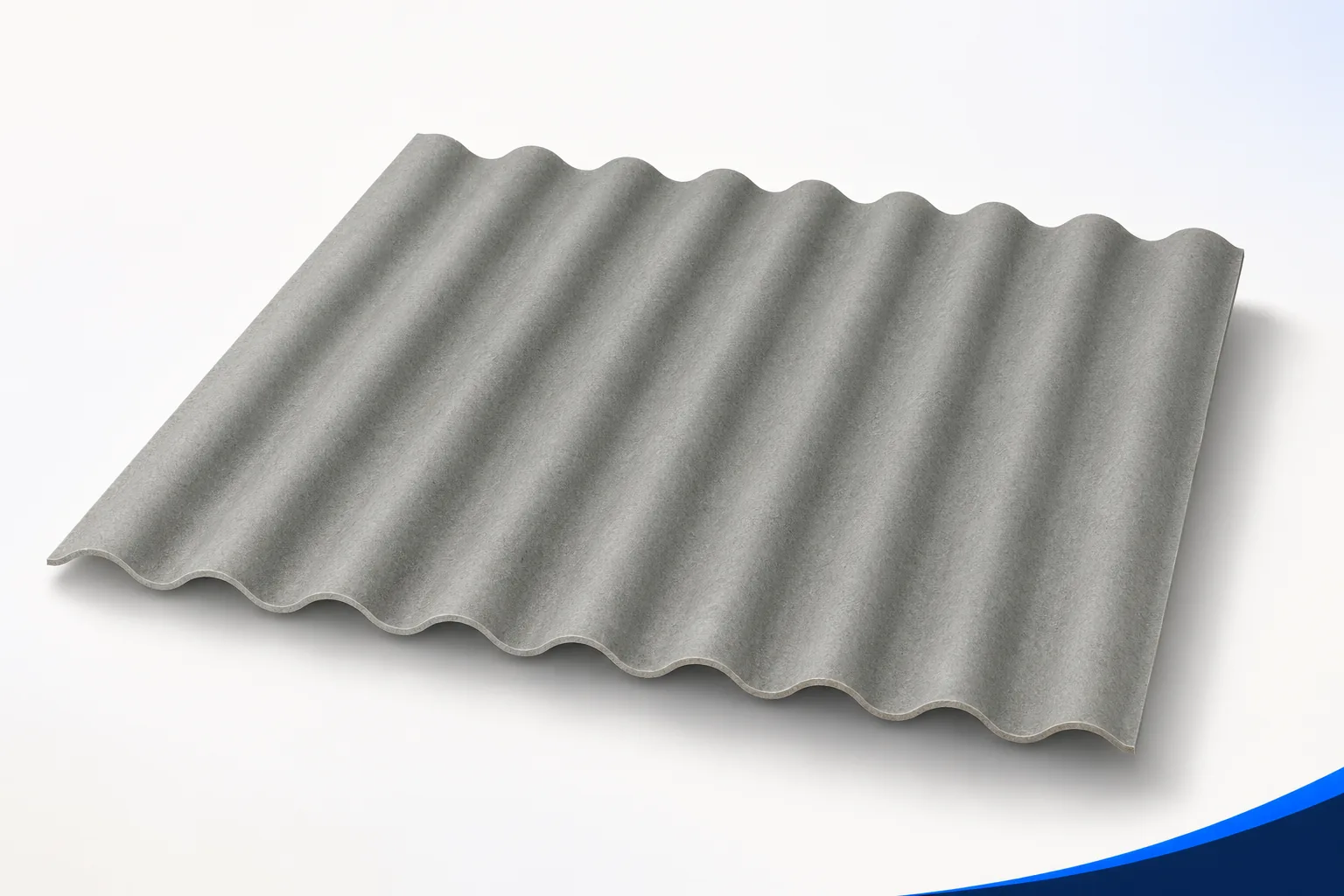
Check the delivery before the sheets reach the roof. Compare labels, quantities and documents against the order; colour alone will not distinguish…
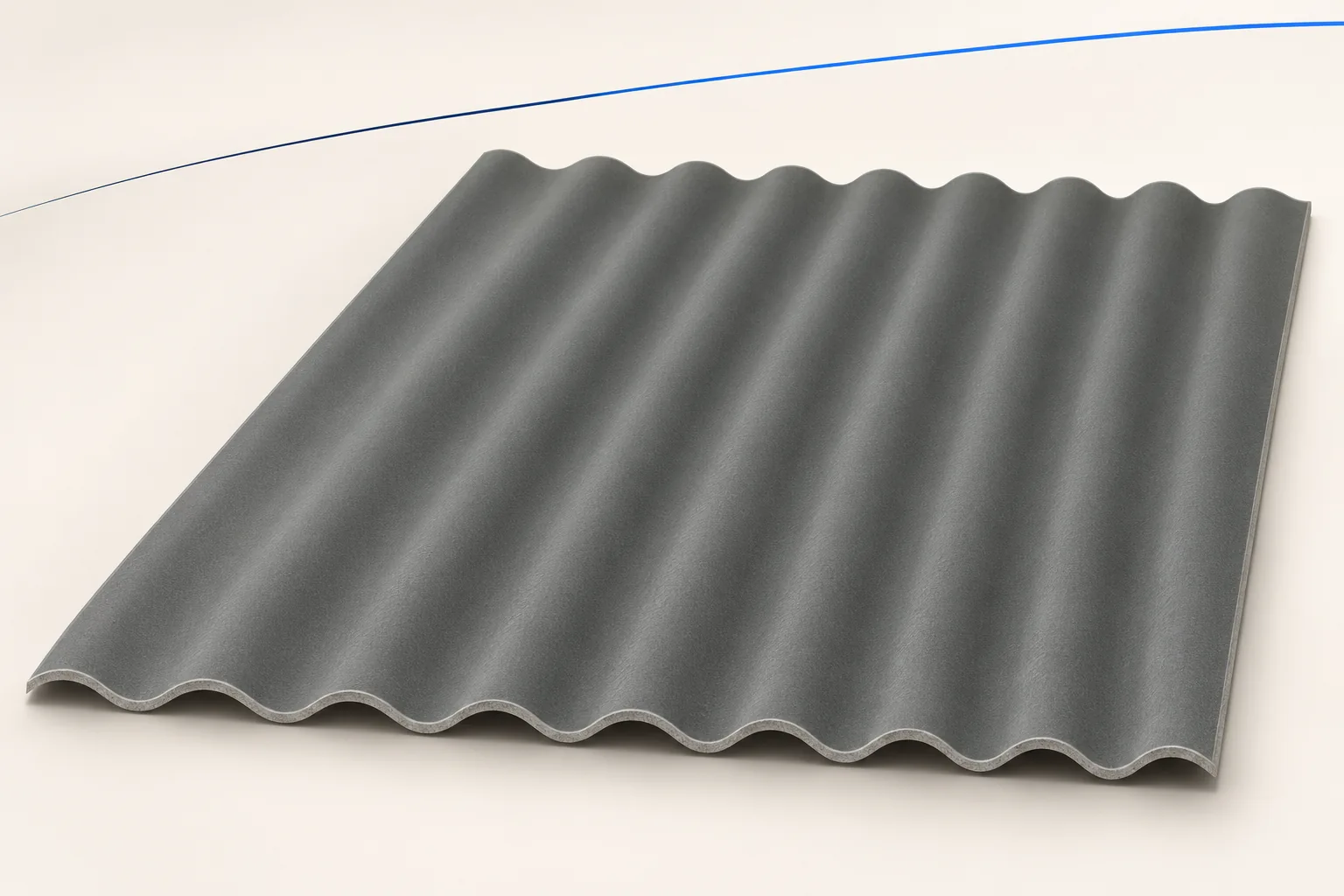
A photograph and a price per square metre tell you little about whether fibre cement sheets will fit your roof. Before placing…
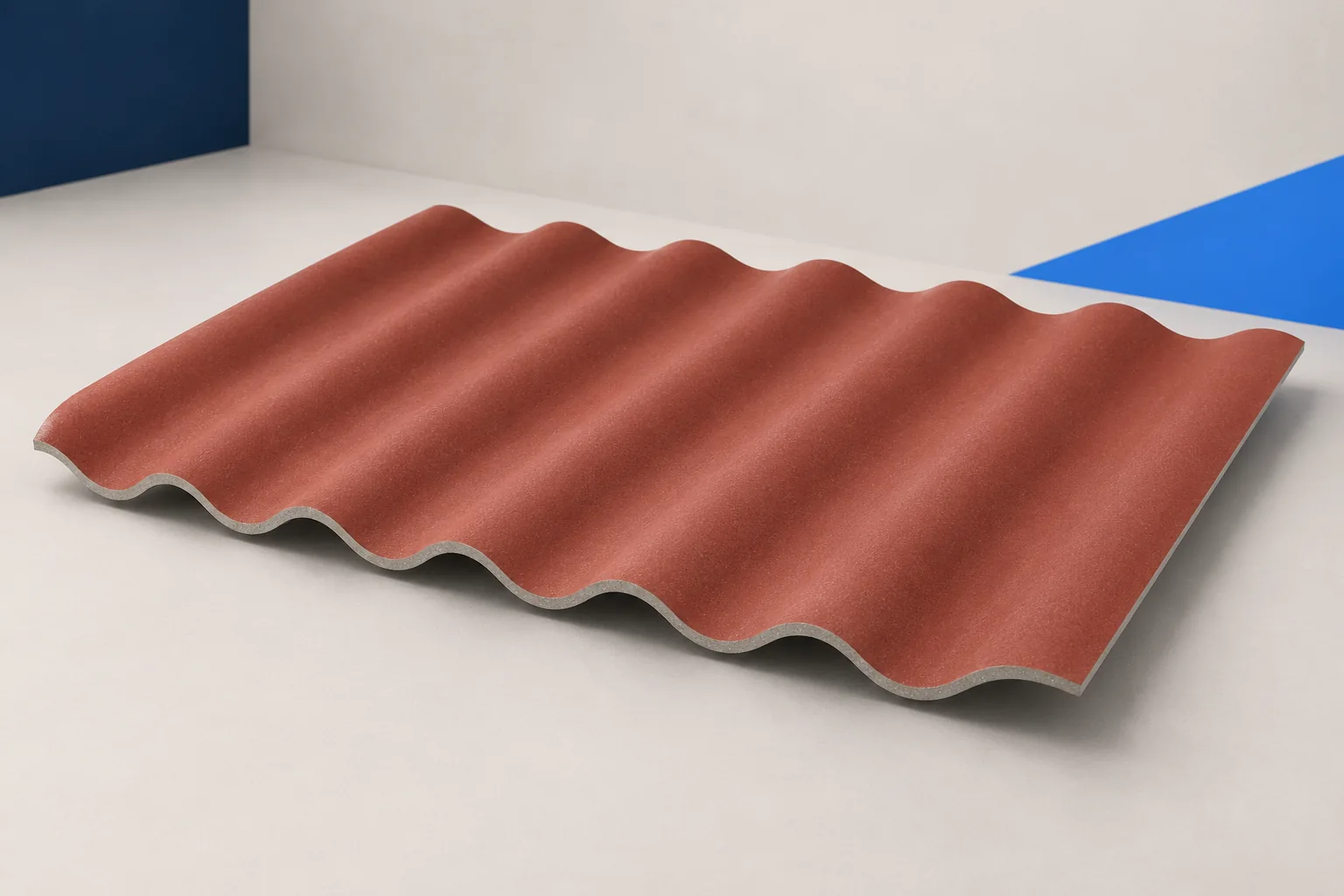
Buyers in Poland searching for “eternit bezazbestowy” usually mean modern asbestos-free corrugated fibre cement sheets. These sheets consist of a cement matrix…