






Can you install asbestos-free corrugated fibre cement roofing yourself?
Fibre cement roofing
Decide whether to do the work yourself by considering the entire job, not just the roof area. Corrugated fibre cement needs the right supports, fixings and joints. Handling fragile sheets and working at height both require safe arrangements; the sheets are not a walking surface. Assess your experience, access equipment and ability to follow every system detail. Selecting support spacing, checking loads and assessing the structure are separate tasks from attaching a sheet. New roofs need a suitable design. On a refurbishment, have the existing structure checked before assuming the old batten spacing will work again.
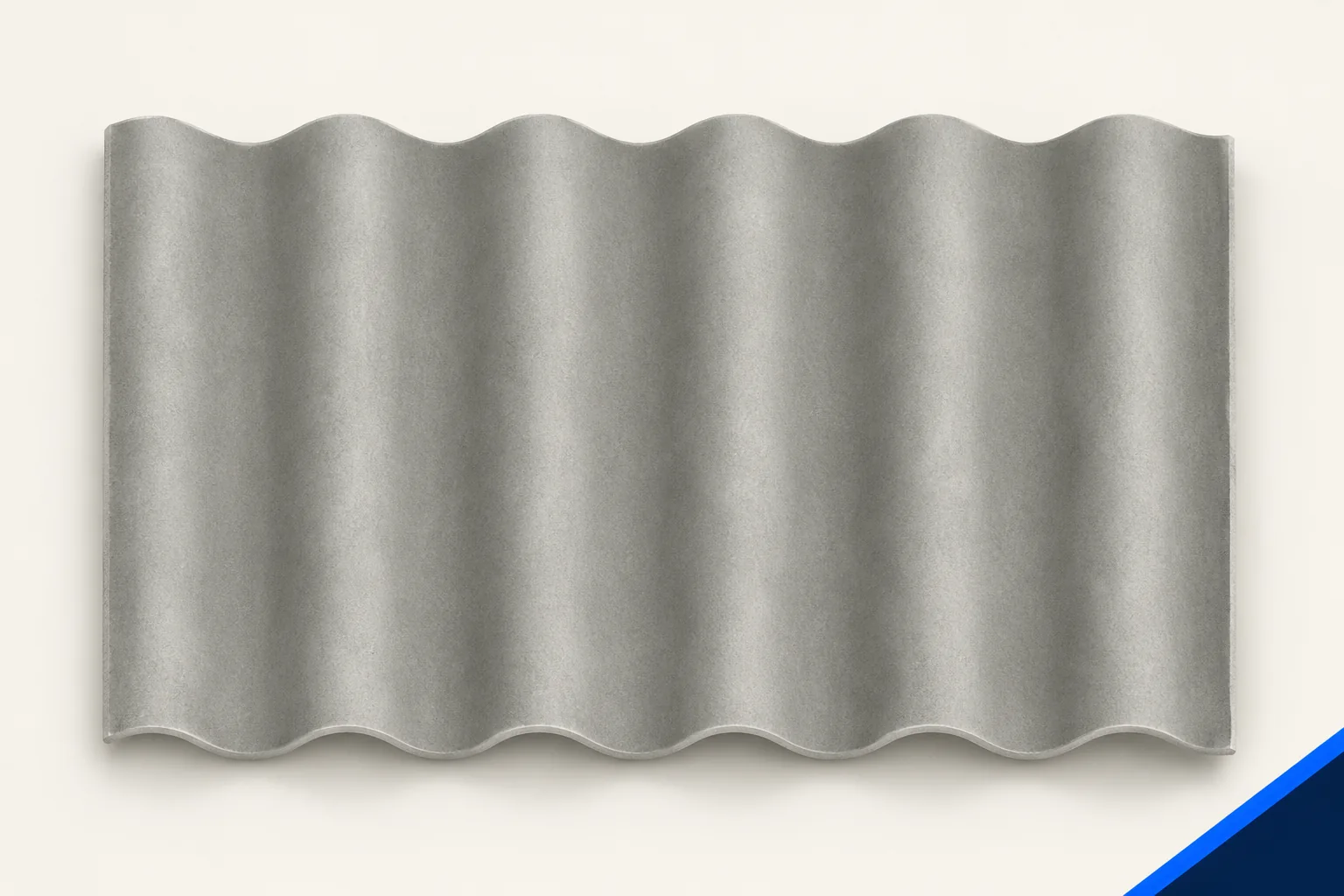
Separate design from laying
Start only with a defined solution. If you do not know where the laps will be or which supports and fixings are required, resolve those questions first. Buying sheets does not settle uncertainty about the structure.
Safe roof access comes first
Even a low canopy presents a fall risk. Arrange suitable staging, equipment and a safe working method. Reinforcing strips in certain sheets do not make them walkable. A point load can break fibre cement. Do not plan a sequence that makes the installer stand or lean on sheets already laid. The last row and awkward corners must also be accessible. If safe access cannot be provided, knowing the fixing sequence is not enough to start.
Allow space to handle the sheets
Long sheets are hard to turn near walls, fencing or trees, particularly in wind. Plan the carrying route and set-down points before delivery. Lift sheets rather than dragging them across other sheets or the frame. Corners and edges are vulnerable. Choose the crew and equipment for the dimensions and conditions. Fewer joints are no advantage if a long sheet cannot be raised safely in the available space.
Asbestos-free does not mean dust-free
Cutting or drilling a new sheet of known composition can generate dust. Follow its documentation on tools, exposure control, protection of the finish and removal of debris. Do not choose an arbitrary method simply because the sheet contains no asbestos. Old roofing of uncertain composition is a separate matter. Do not apply instructions for new sheets to it; establish the appropriate handling and removal arrangements before disturbing suspect material.
Junctions can be the hardest part
While the middle of a slope may look simple, weather tightness depends on verges, ridge, eaves and penetrations. Incorrect corners or clamping pressure can cause cracking and leaks. Do not use fixings to straighten sheets or indiscriminate sealant to replace a missing detail. Review each difficult junction before starting. If you cannot explain and execute a detail according to the manual, engaging an experienced roofer for that work may avoid a costly repair.
Check warranty and handover requirements
Read the applicable warranty: DIY work neither automatically invalidates it nor guarantees compliance. Keep the product identification and record the fixings used. Check the finished roof for damage, sound joints and drainage. Photographs of details before they are concealed help when another contractor handles part of the job. Agree who inspects the finished assembly.
Choose work you can control
You can prepare drawings and records, clear a delivery area or gather details for the quotation. Other tasks may need specialist equipment and experience. Saving money does not mean having to lay the entire roof yourself. Include hire charges, your time and breakage in the comparison. An experienced crew may offer a more predictable total than a seemingly cheap job whose junctions later need remaking.
Decide on DIY work after checking the design, access and every junction. Resolve an unsafe working position or an uncertain detail before ordering material.

Free quote
What to include in your enquiry
Tell us how you plan to use the material, the dimensions and the quantity you need. Include the thickness, grade or variant name, along with the delivery town or your preferred collection branch. For a specific product, add its name or a link to the product page. We will reply to the email address you provide to discuss availability and the terms of your order.
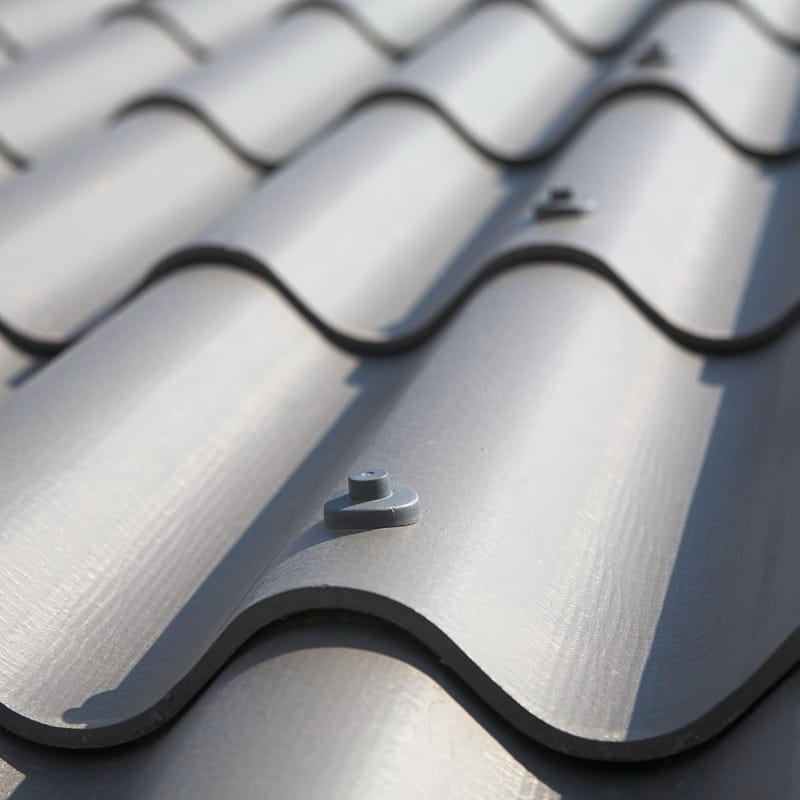
More from the building guide
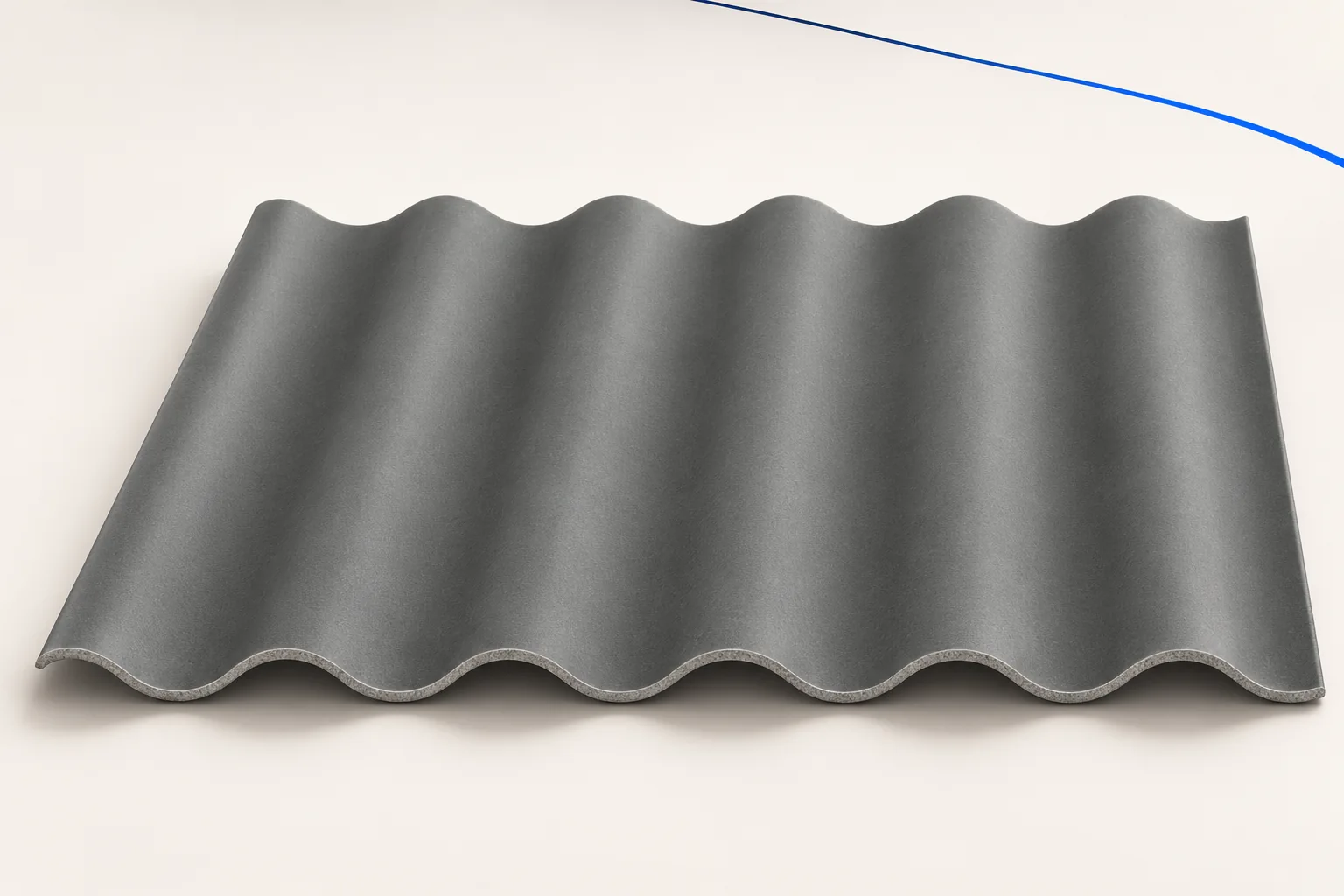
Counting the corrugated sheets is only the start of a roof order. Corrugated fibre cement will keep out rain only when its…
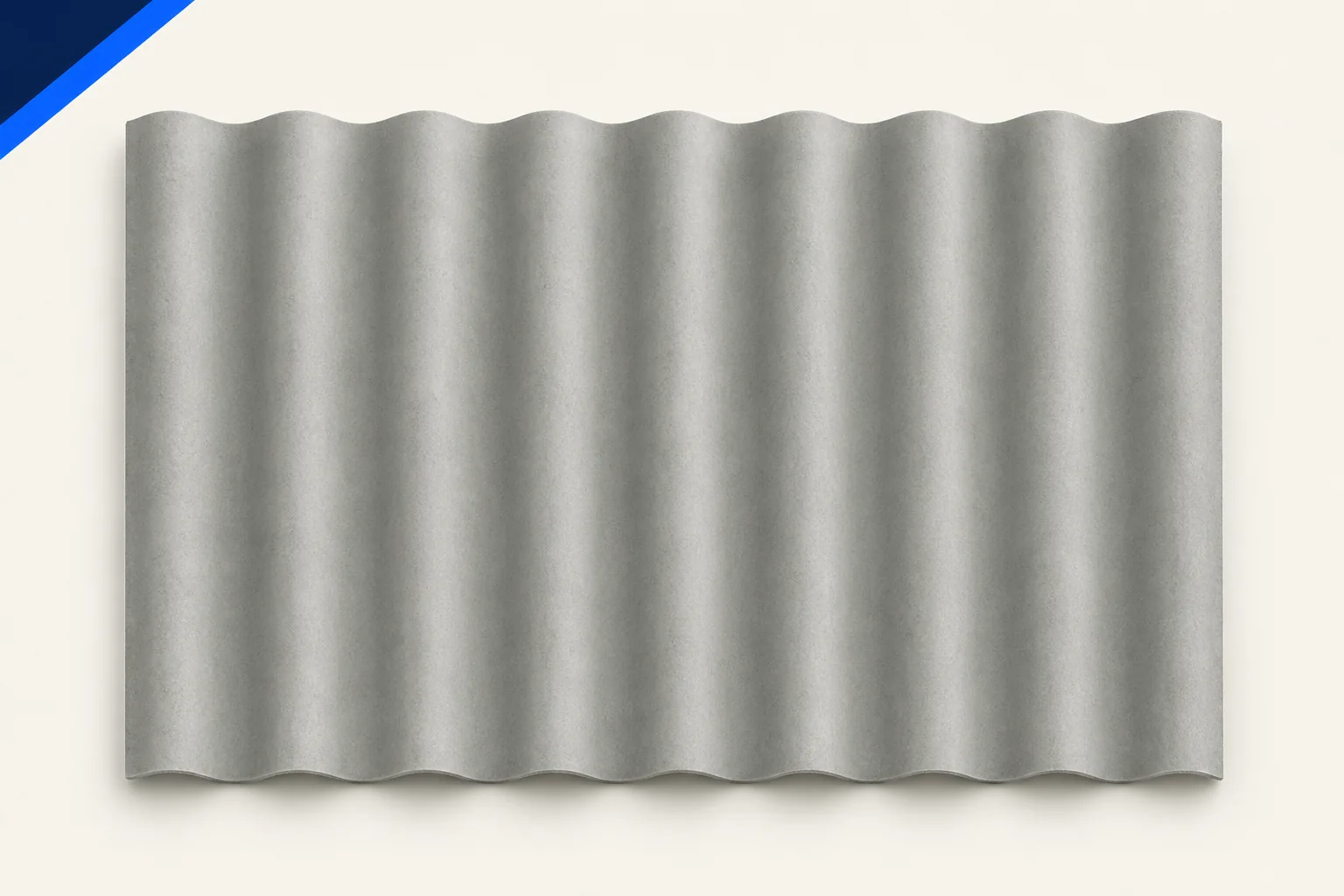
A building's length and width are not enough to order corrugated fibre cement sheets. Measure each sloping roof face, including its eaves,…
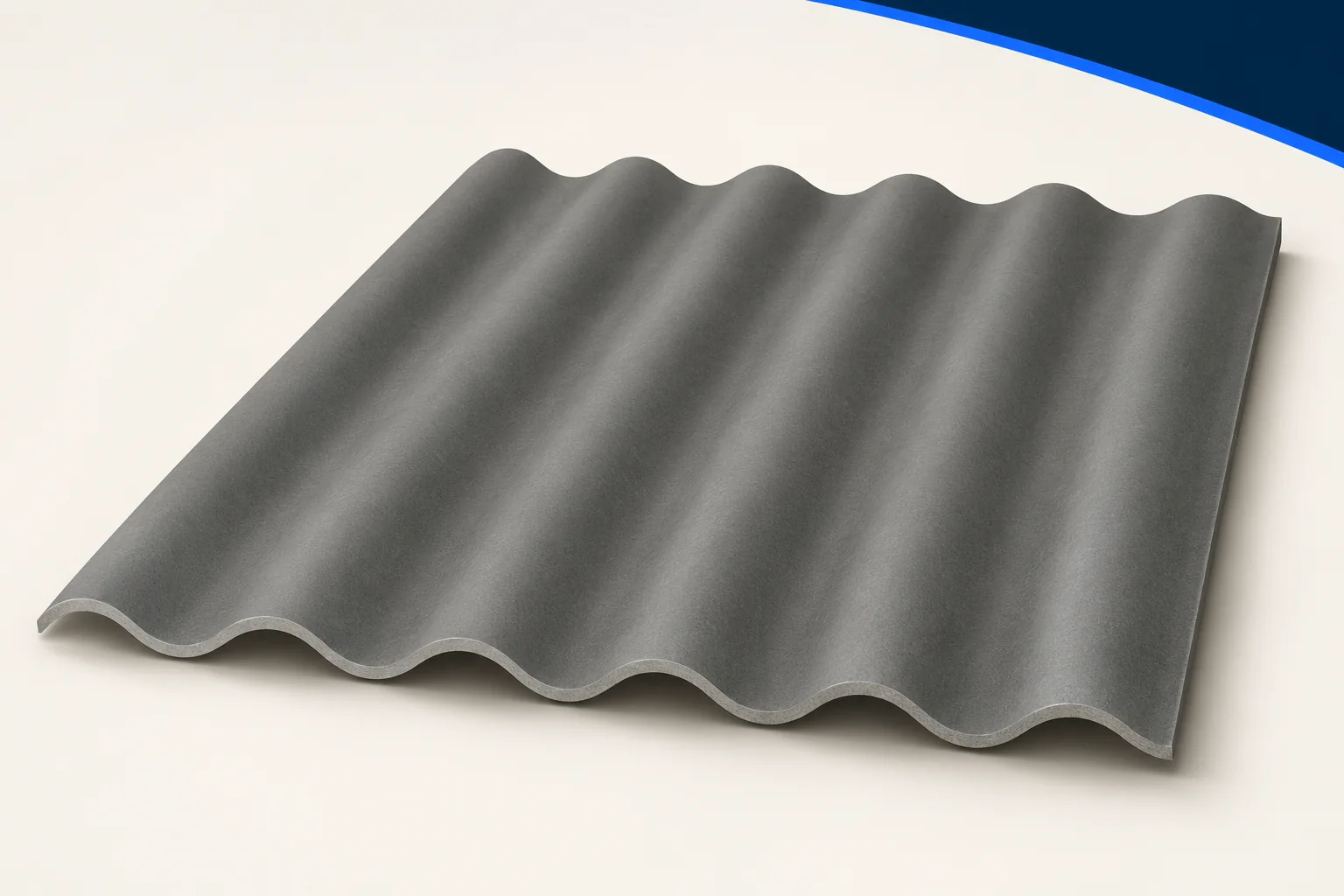
Start with the building and the result you want. You do not need specialist vocabulary to ask how the roofer will choose…
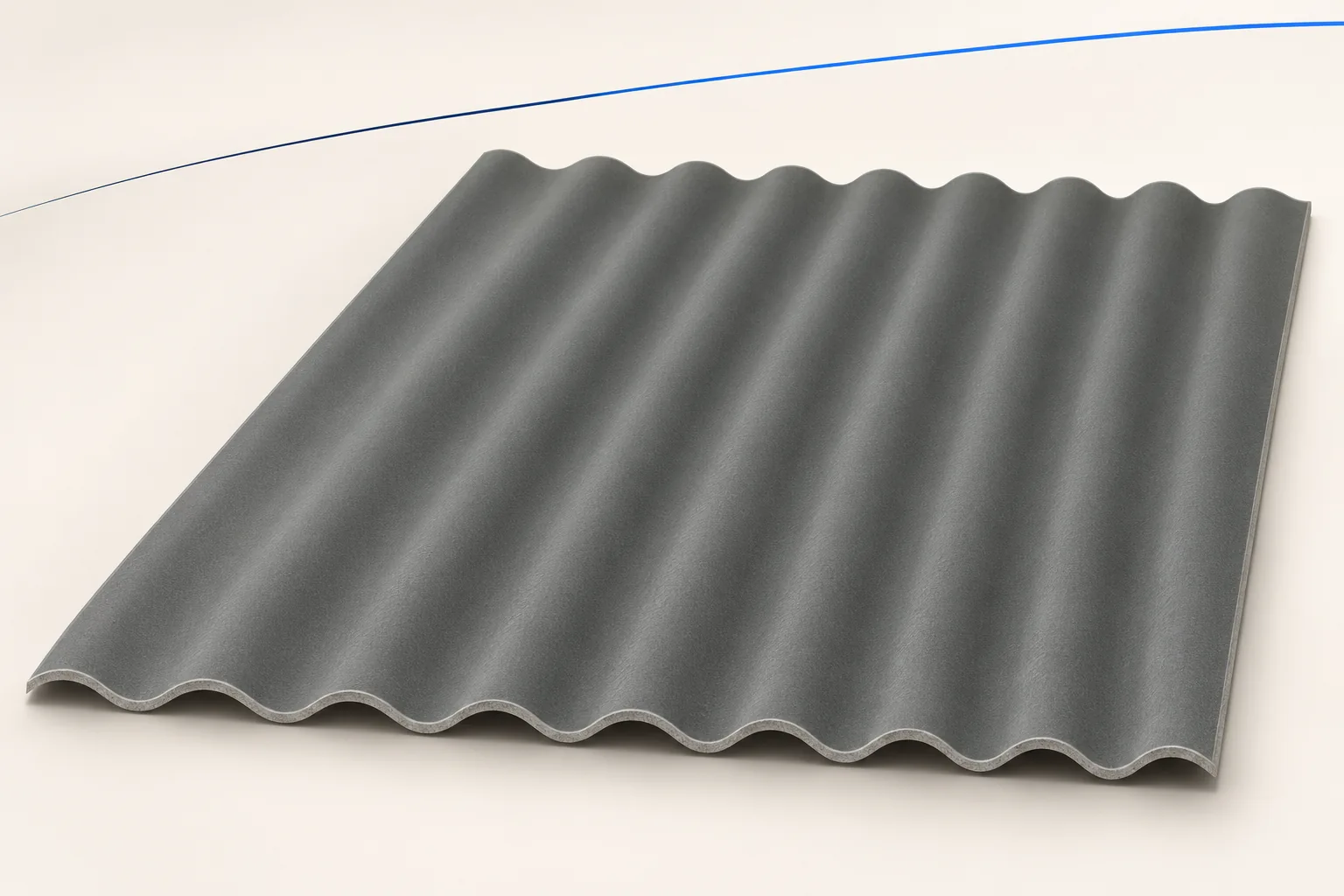
A photograph and a price per square metre tell you little about whether fibre cement sheets will fit your roof. Before placing…
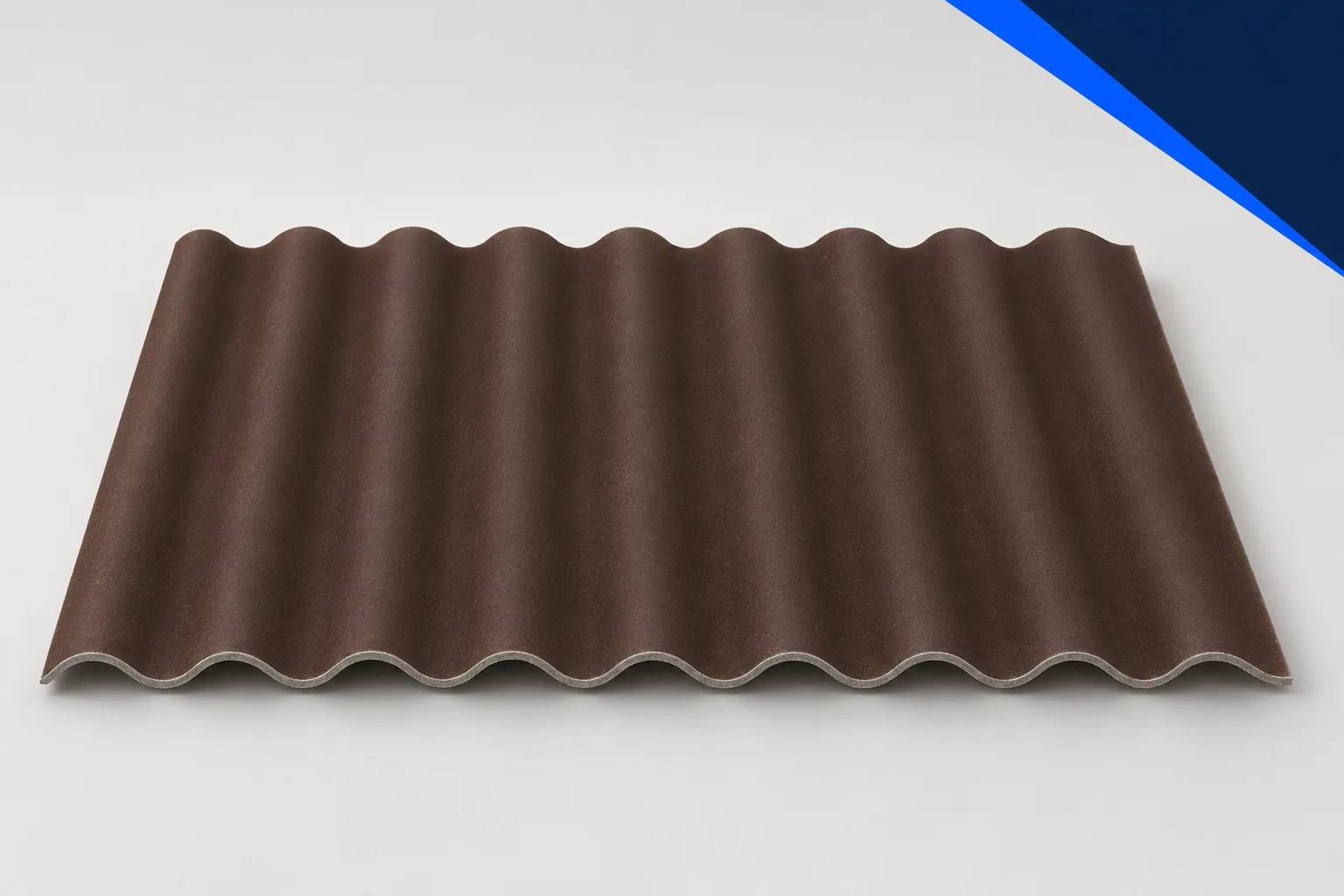
The markings on a fibre cement roofing sheet answer different questions. Some identify the material or profile; others describe performance under a…
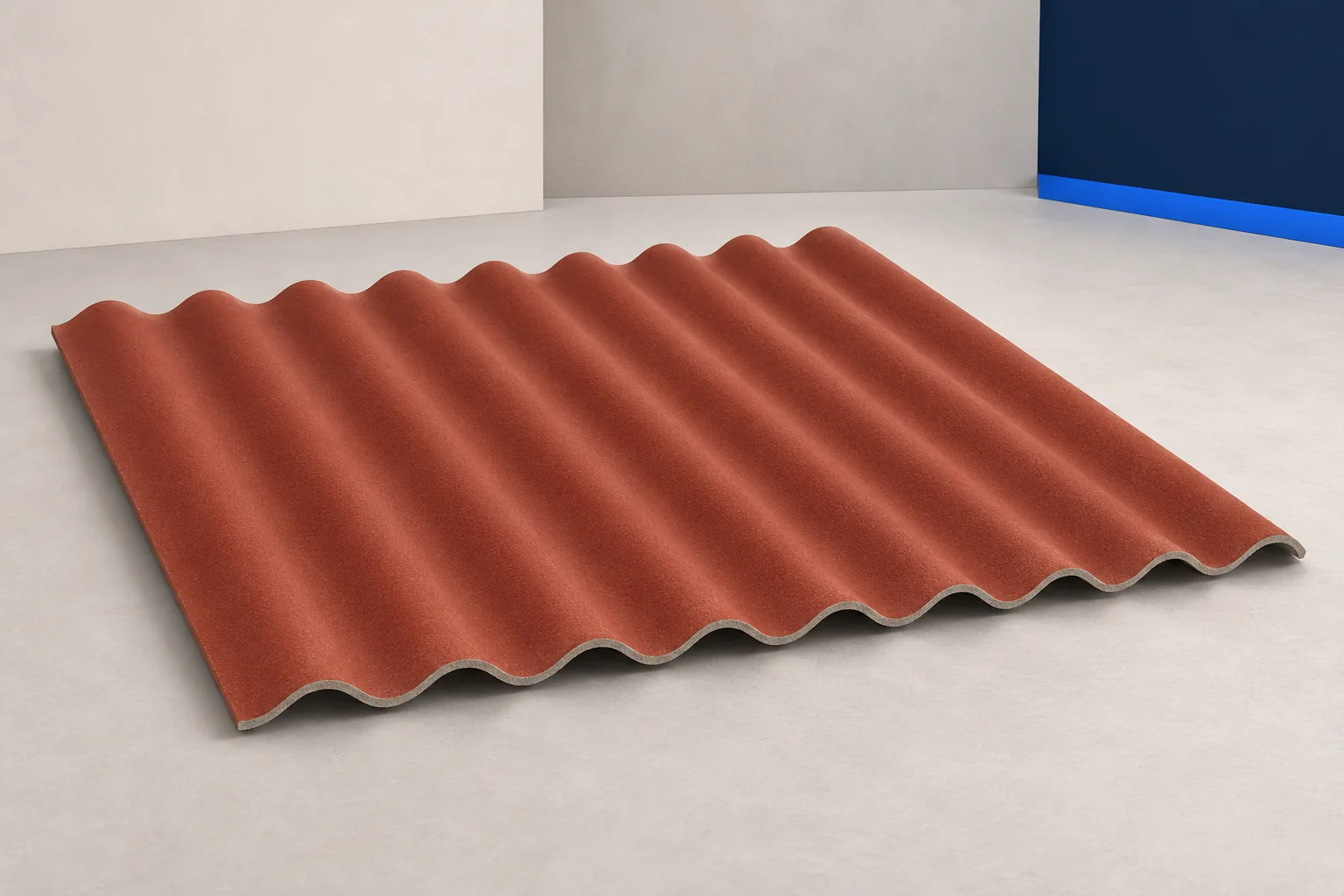
Fibre cement describes a material, not a single interchangeable product. It can be made into corrugated roof sheets, flat cladding, sheathing and…
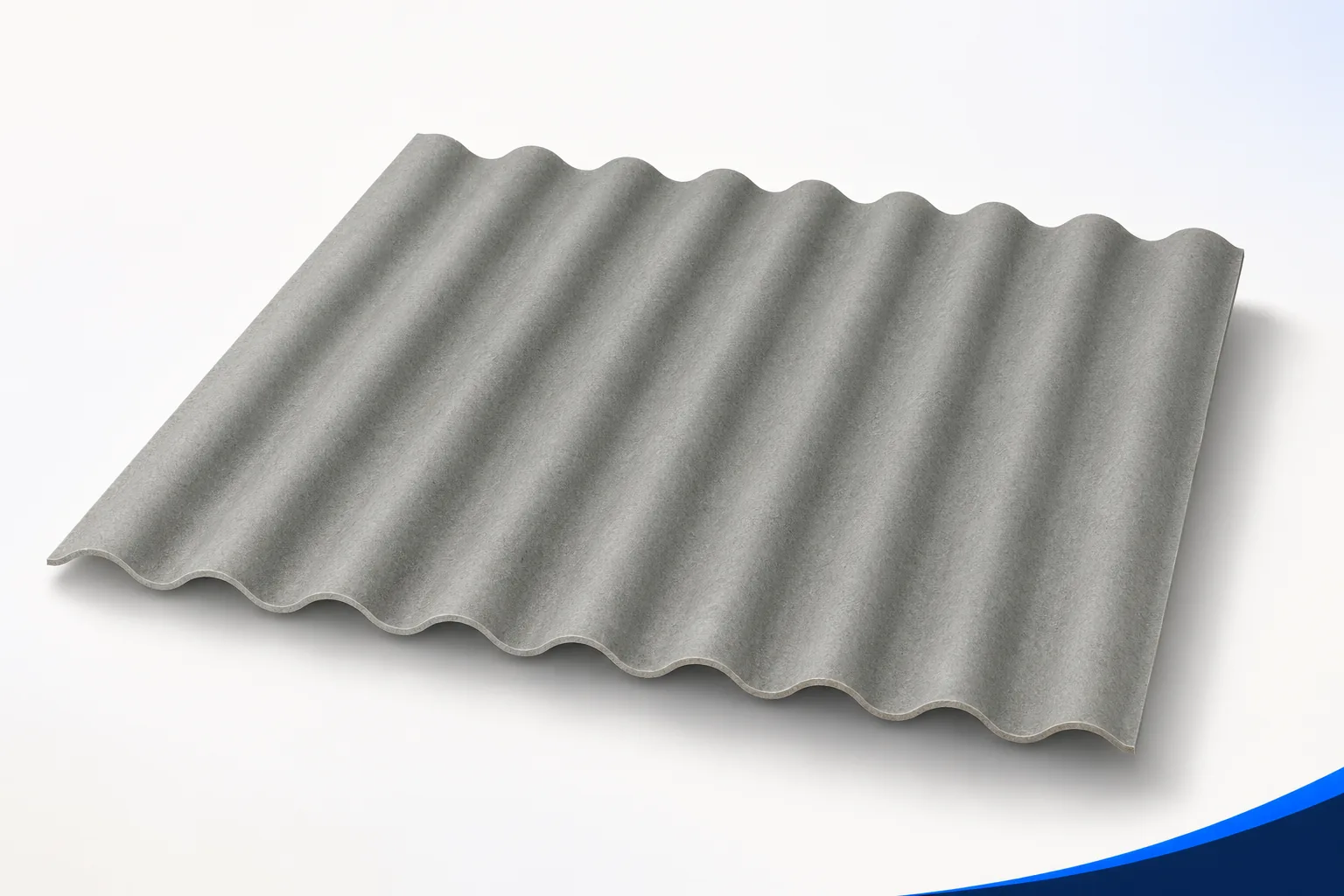
Check the delivery before the sheets reach the roof. Compare labels, quantities and documents against the order; colour alone will not distinguish…
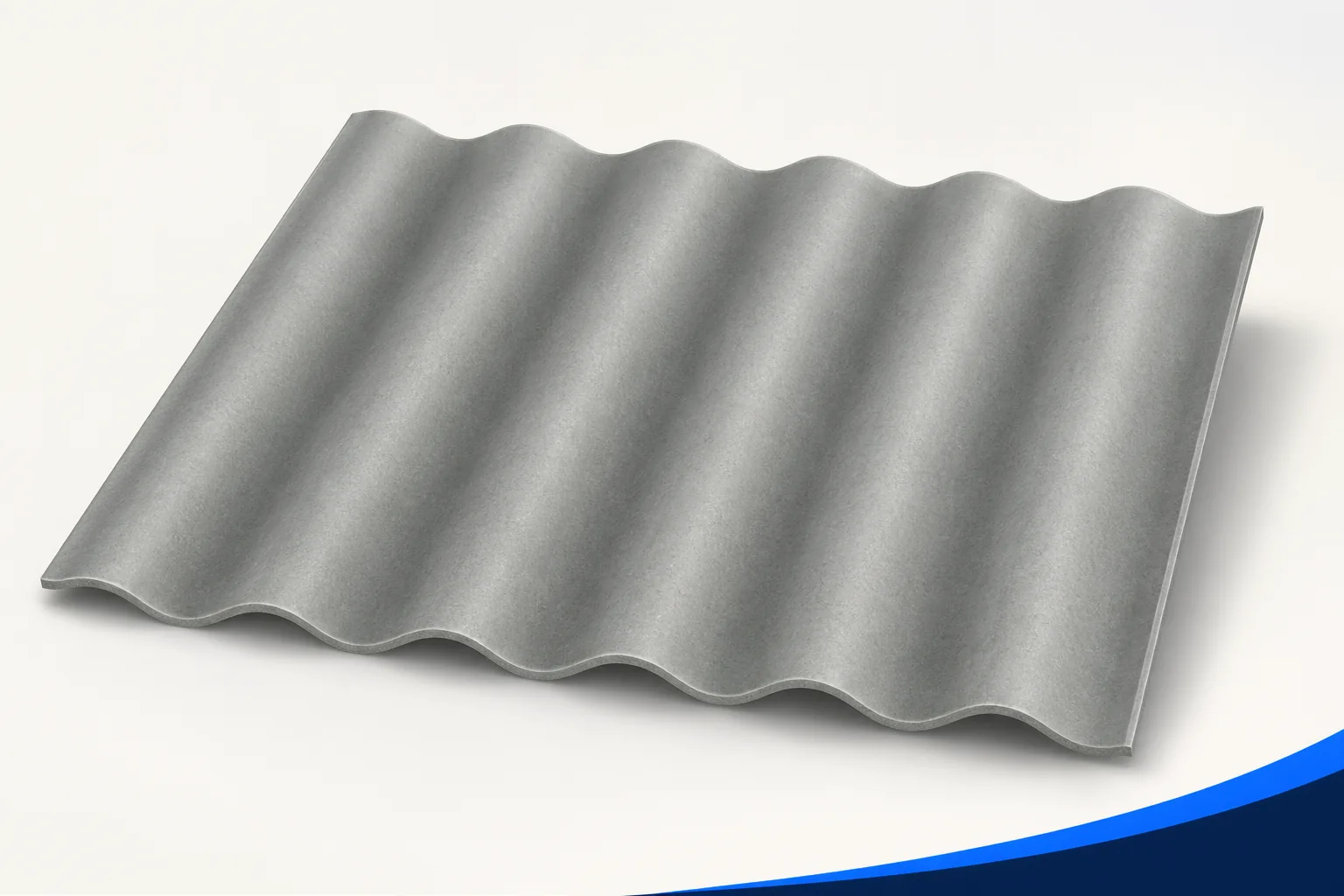
Two quotations showing similar corrugated fibre cement sheets may buy different amounts of finished roof. A price per sheet, per square metre…