






What to discuss with your roofer before fitting a fibre cement roof
Fibre cement roofing
Start with the building and the result you want. You do not need specialist vocabulary to ask how the roofer will choose the profile, check the supports, form the joints and get safe access. A square-metre price alone does not explain what is included or how the roof will resist water and wind at its most exposed points. If the old roof leaks, describe when water appears and where you see it rather than assuming it needs more sealant. Tell the contractor about earlier repairs, changes in the building’s use and any conditions that affect the proposed work.
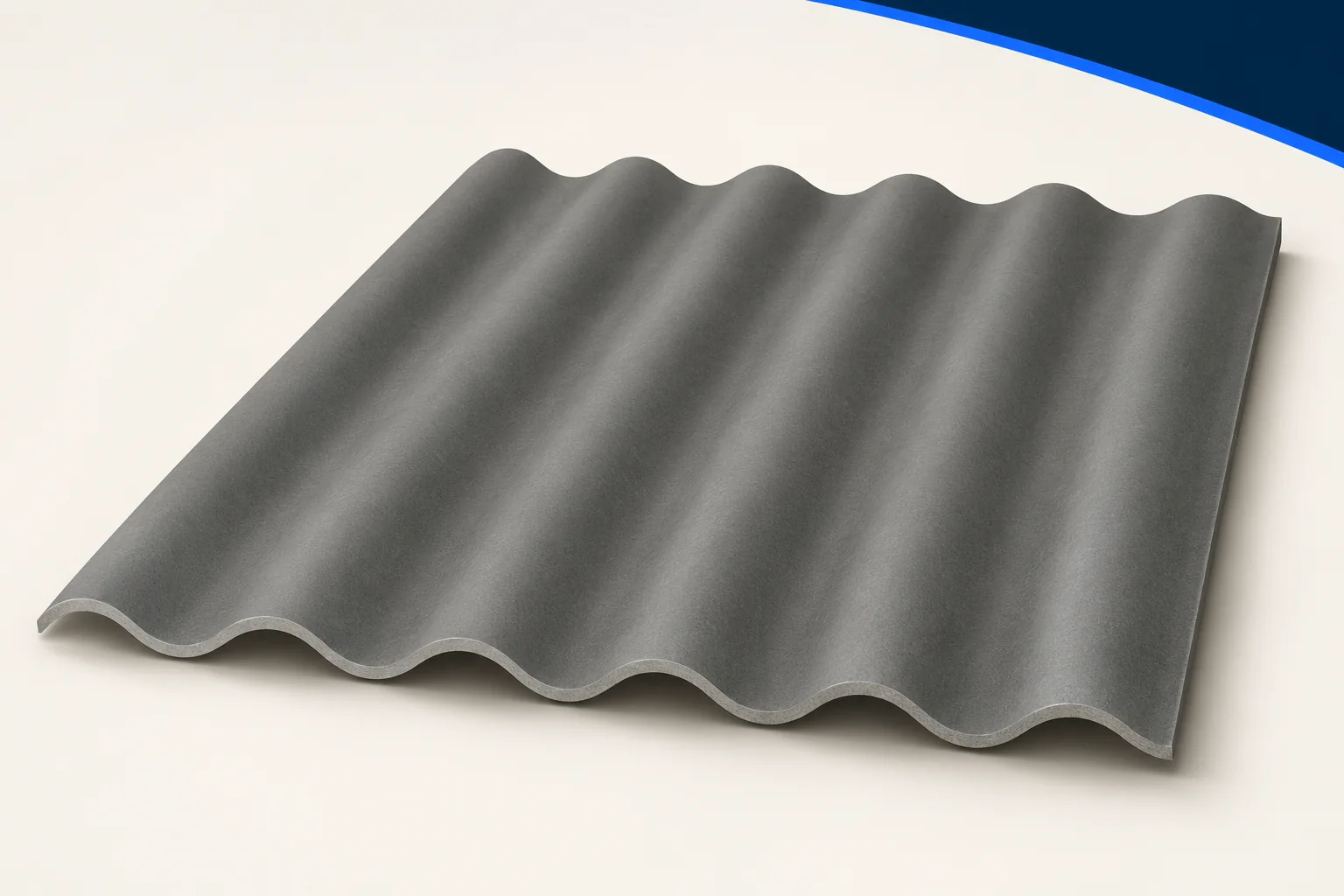
Describe the symptoms before suggesting a repair
The sheets may be only one part of the problem. In heated premises, condensation can also cause dampness. Tell the roofer about use, ventilation and the layers beneath the roof. Photographs taken in different weather conditions can be more useful for planning the inspection than a single picture of a dry slope.
Ask what will be inspected before pricing
The visit should cover roof geometry, support condition and junctions. Bring in a suitably qualified person for a structural assessment if required. The old colour does not identify a replacement profile or its installation conditions. Ask which facts are confirmed and which still need checking. A preliminary quote can contain assumptions if they are explicit. Then later price changes have an identifiable cause rather than arising as a surprise once the old roof is stripped.
Ask to see the vulnerable junctions
A simple sketch of eaves, ridge, wall abutments and service penetrations should show supports, drainage and fittings. Ask which details come from the system manual and where seals are required. A familiar method may not suit a different sheet. Agreeing on the drawing prevents confusion about what the price covers. Also agree how each junction will be inspected before it is concealed. A photograph taken at that stage can explain what words cannot after the roof is closed.
Agree who supplies which materials
If you buy the sheets and the roofer supplies fasteners and flashings, the specifications must match. Agree who selects lengths, profile and accessories. Have the installer approve the cutting plan before ordering. Decide who deals with surplus and who arranges an additional delivery if something is missing. It is easier to settle this now than to argue later whether the error arose during measuring, ordering or fitting.
Discuss how the building will be protected
Agree the work stages, weather protection and which areas must be taken out of use. Do not lift sheets over uncontrolled traffic or people. Plan proper access without walking on fragile roofing. Identifying old sheets of uncertain composition and deciding how to remove them are separate matters; an asbestos-free replacement does not settle them. Agree who clears the site and which documents confirm that the work is complete.
Discuss handover before work starts
Set inspection points for details that will be hidden. Request photos, a record of parts, product documents and maintenance instructions. Check for damage, sound joints and unobstructed drainage, not merely the colour. Agree how faults will be reported and how technicians can reach the roof for repairs. Clear criteria tell the owner what to expect and the contractor what to document before finishing.
Write the agreement in plain language
Summarise scope, products, dates, exclusions and rates for additional work. Identify each sheet precisely rather than ordering generic “corrugated roofing”. List outstanding decisions. If the design changes, revise the schedule before ordering. Good questions should result in agreements that can later be checked against the finished roof and the documents supplied.
Take a sketch, photographs and your requirements to the meeting. Get the scope and junction details explained, and record the main decisions in writing before work begins.

Free quote
What to include in your enquiry
Tell us how you plan to use the material, the dimensions and the quantity you need. Include the thickness, grade or variant name, along with the delivery town or your preferred collection branch. For a specific product, add its name or a link to the product page. We will reply to the email address you provide to discuss availability and the terms of your order.
More from the building guide
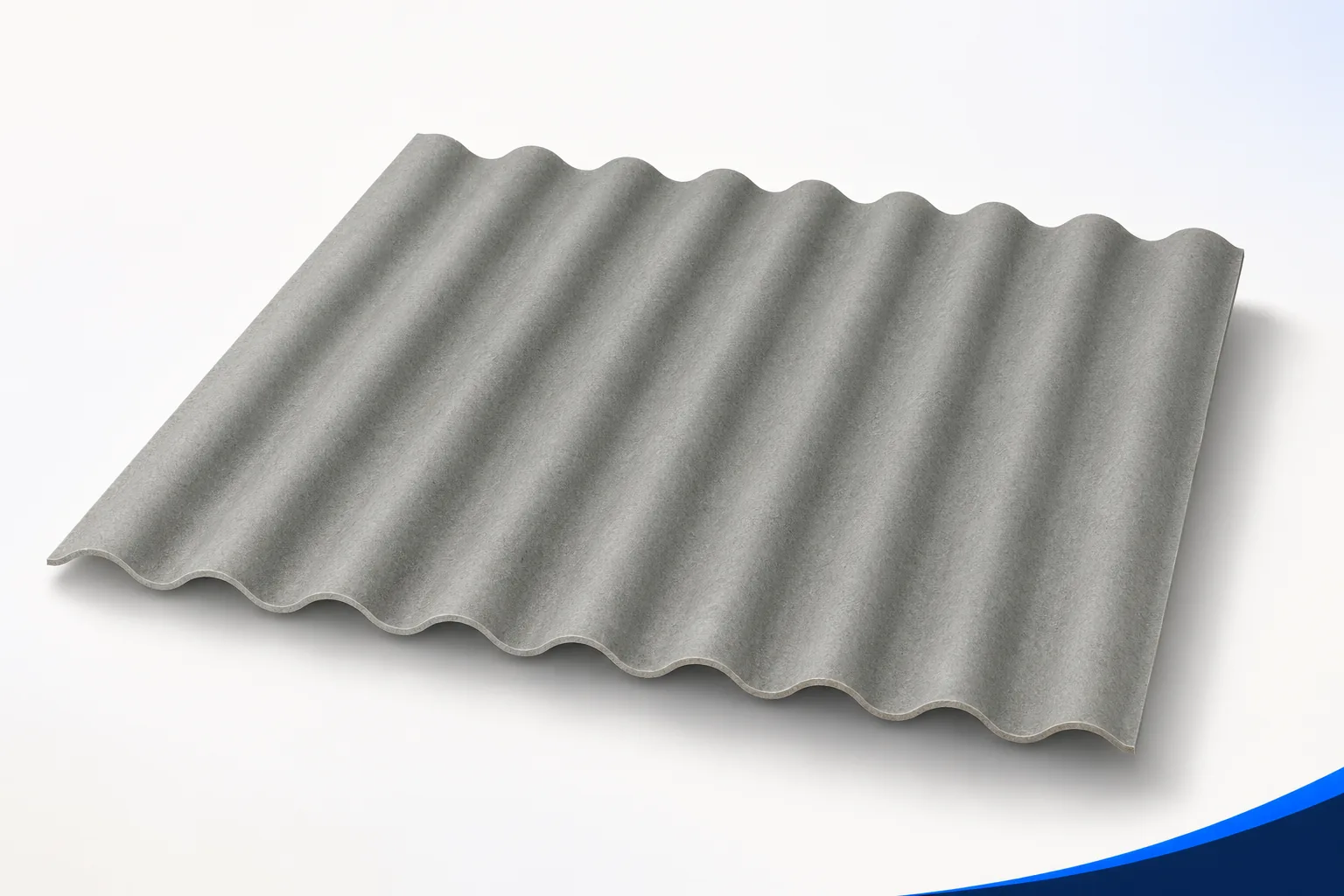
Check the delivery before the sheets reach the roof. Compare labels, quantities and documents against the order; colour alone will not distinguish…
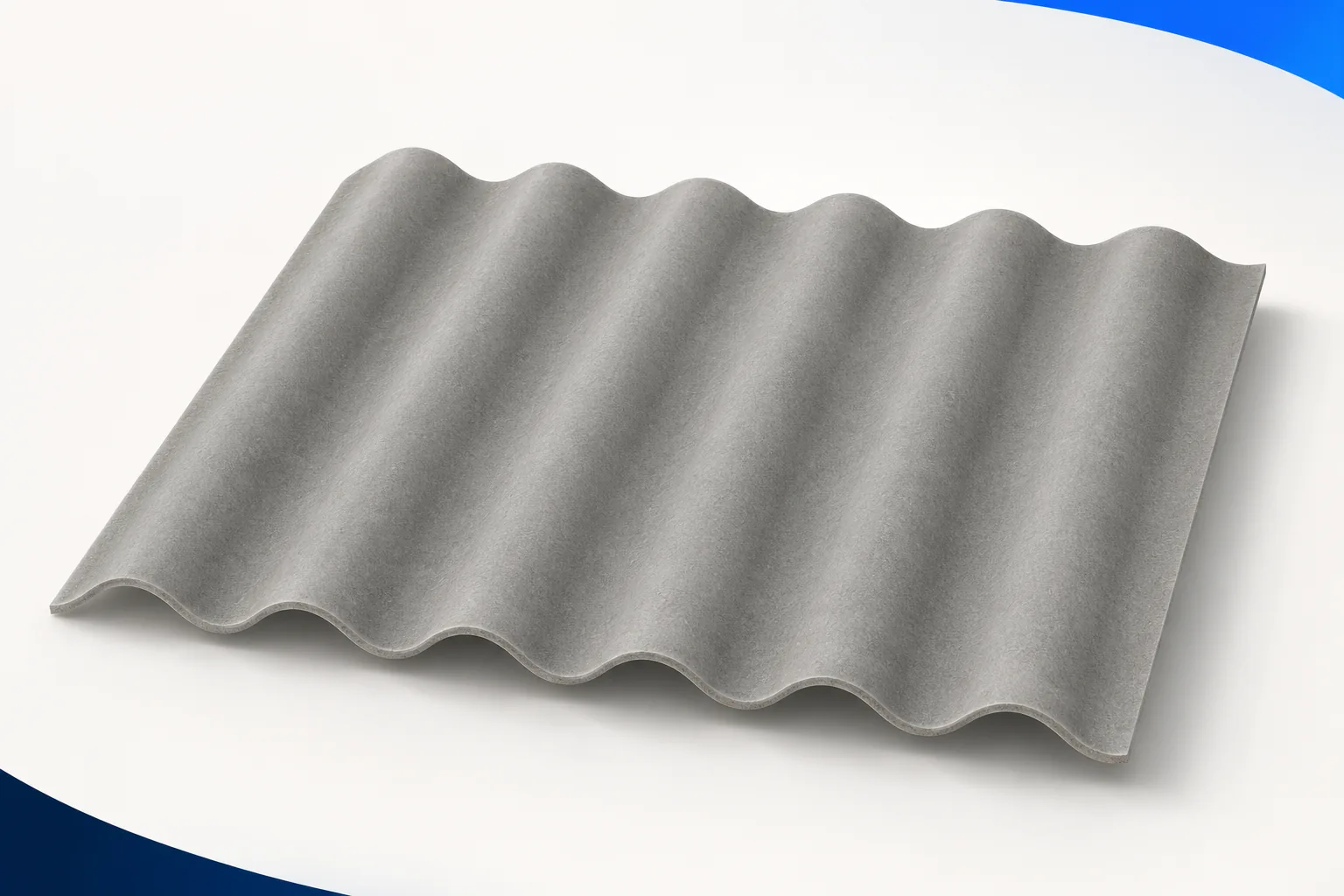
Find out why a fibre cement sheet has cracked before deciding how to repair it. Impact, a fixing pulled too tight or…
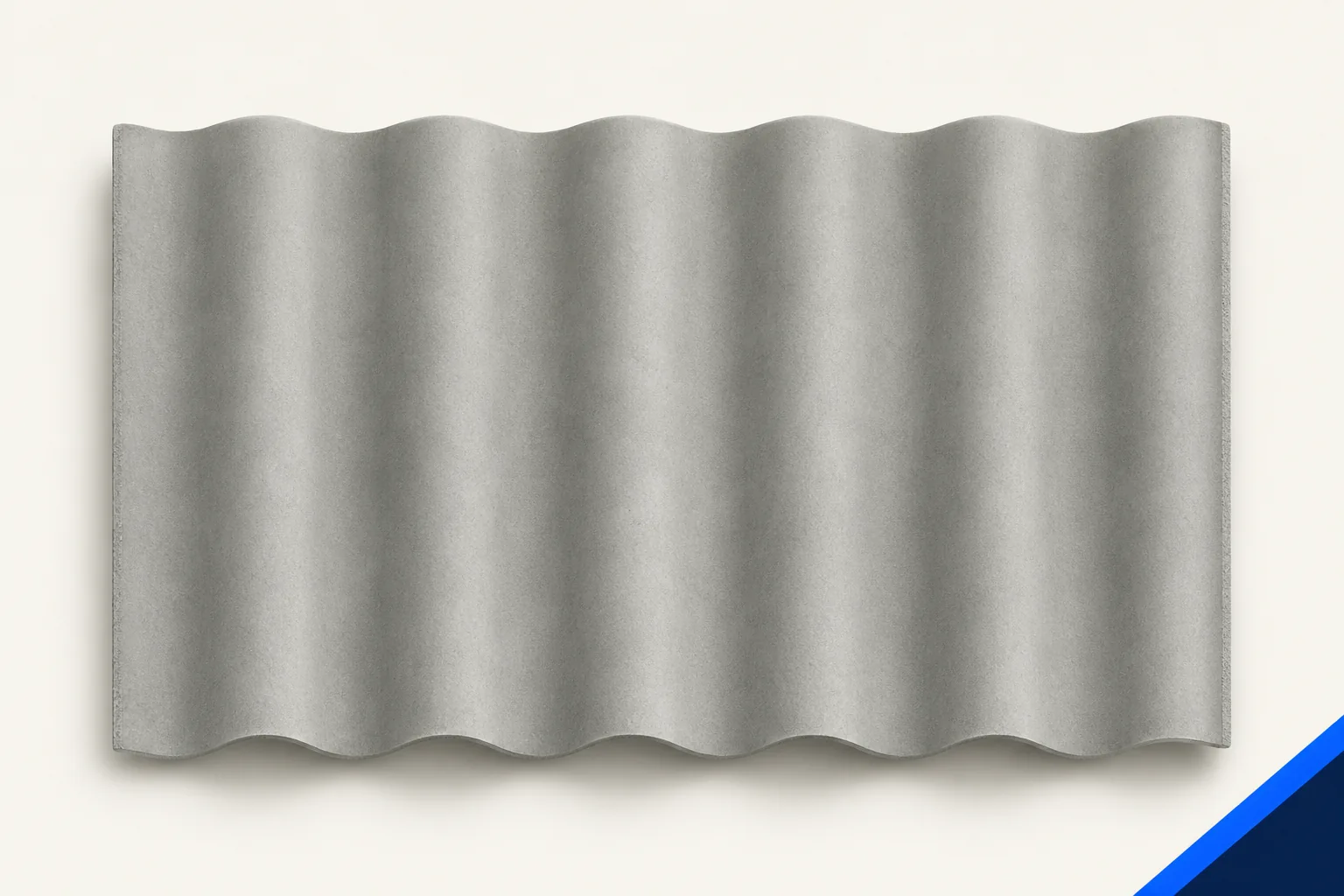
Corrugated fibre cement can cover a garage if the structure, pitch and intended use suit the system. A small roof still needs…
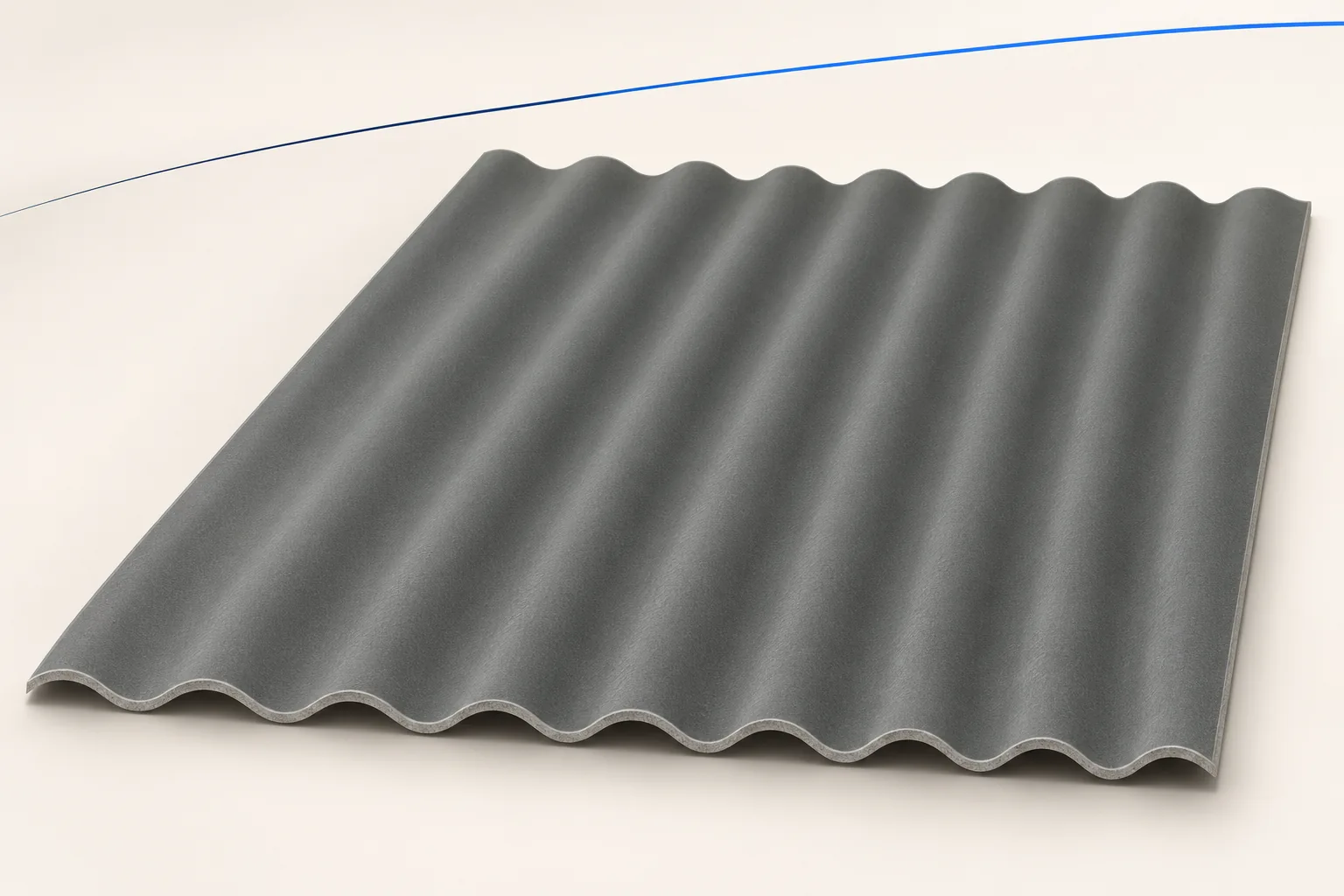
A photograph and a price per square metre tell you little about whether fibre cement sheets will fit your roof. Before placing…
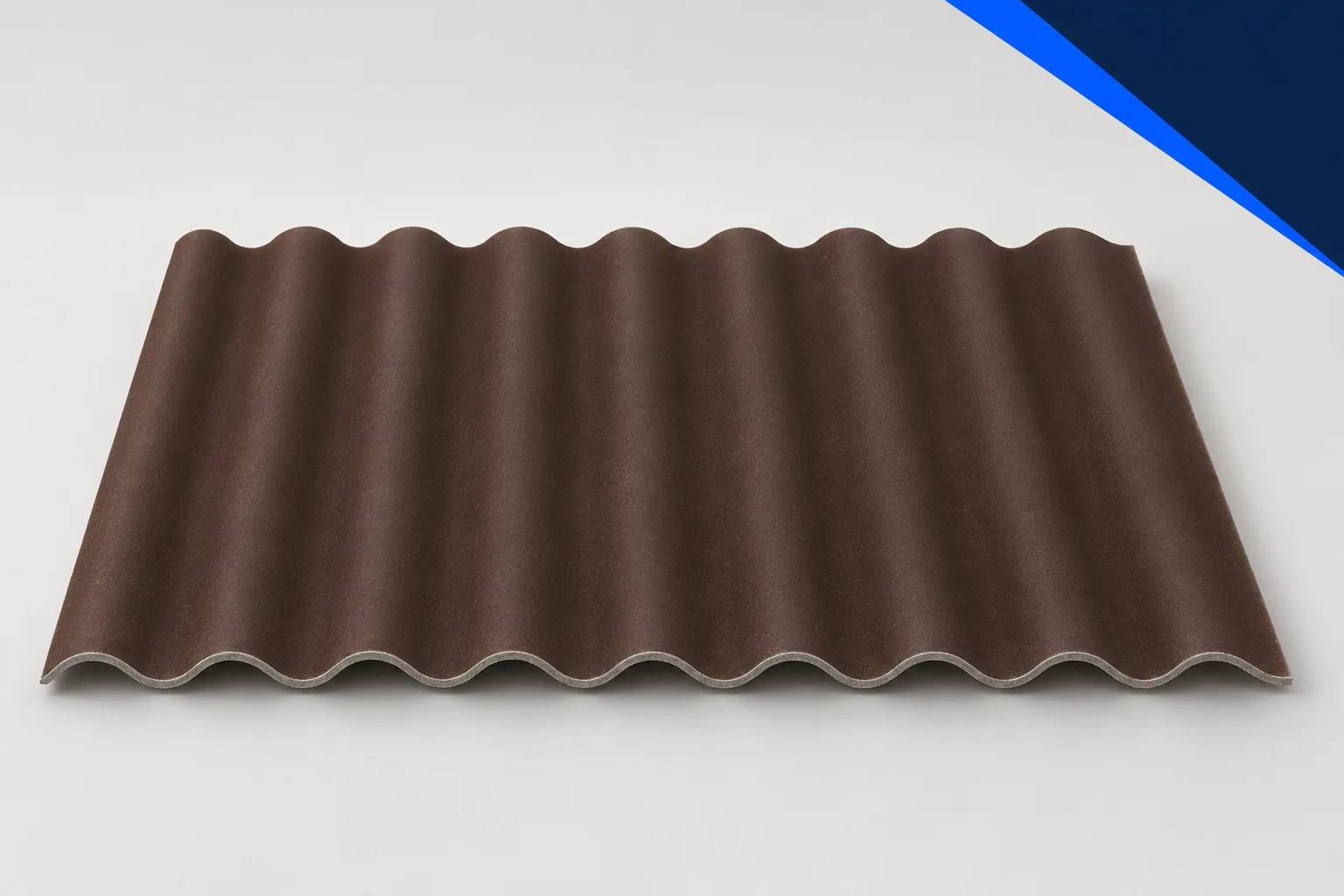
The markings on a fibre cement roofing sheet answer different questions. Some identify the material or profile; others describe performance under a…
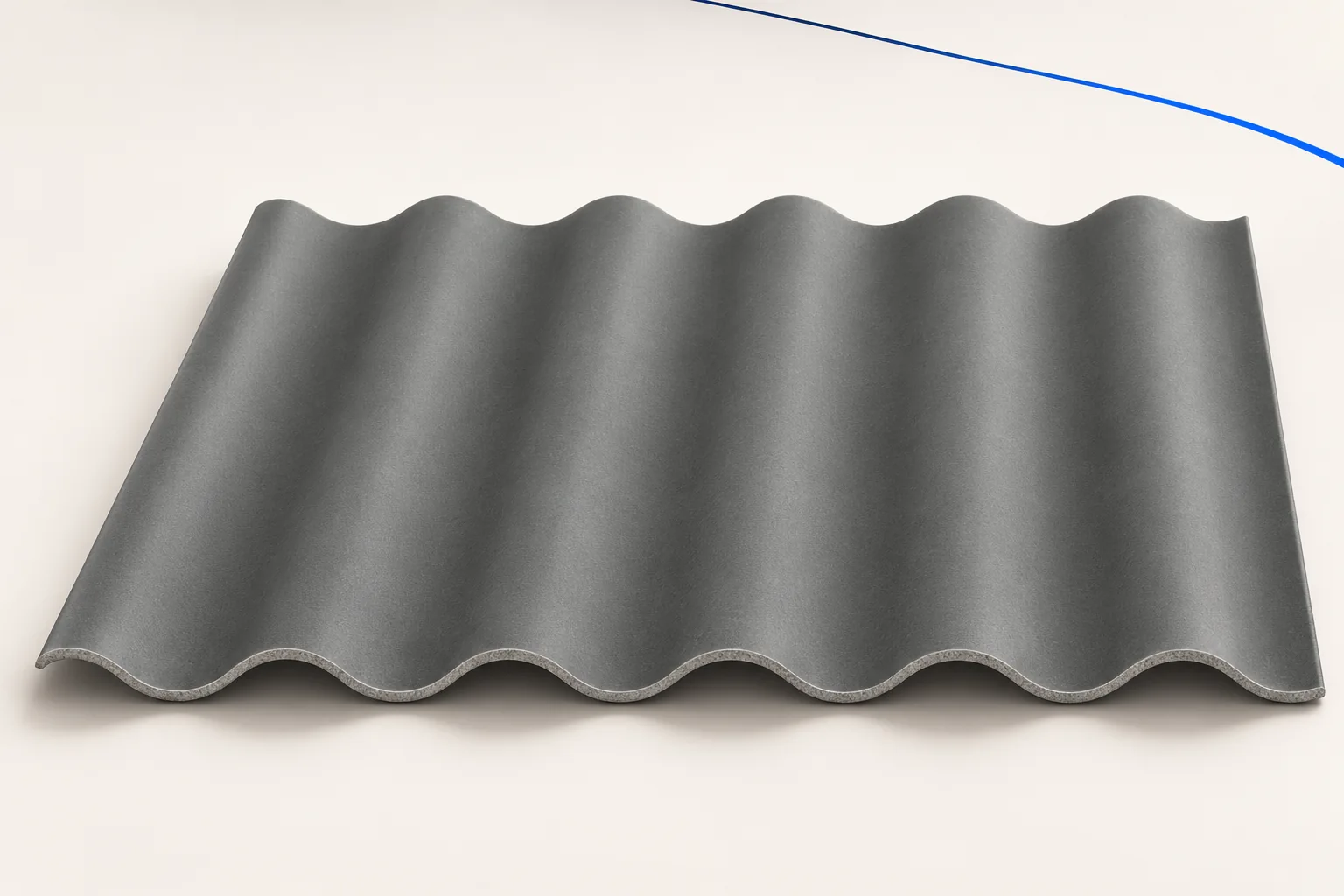
Counting the corrugated sheets is only the start of a roof order. Corrugated fibre cement will keep out rain only when its…
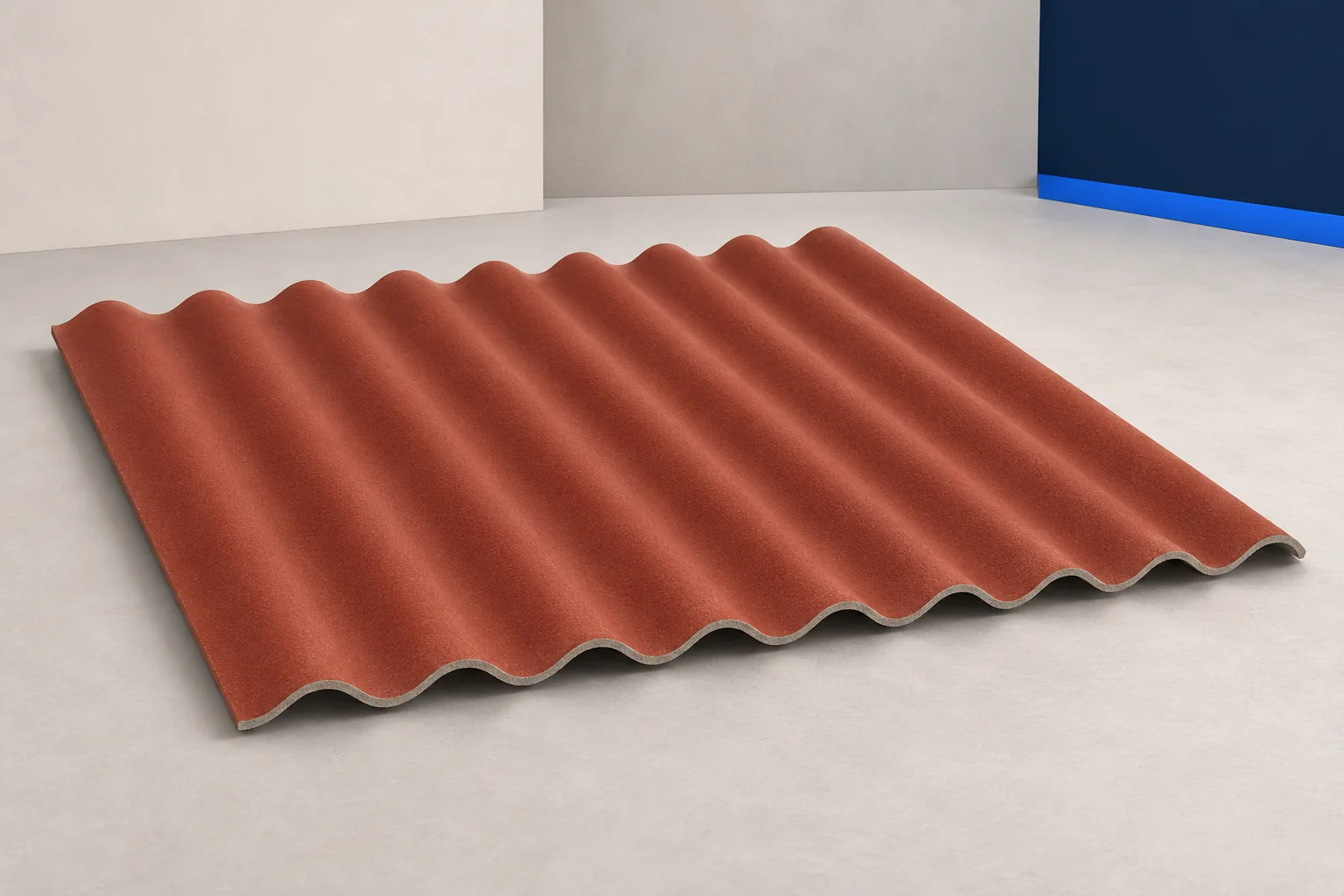
Fibre cement describes a material, not a single interchangeable product. It can be made into corrugated roof sheets, flat cladding, sheathing and…
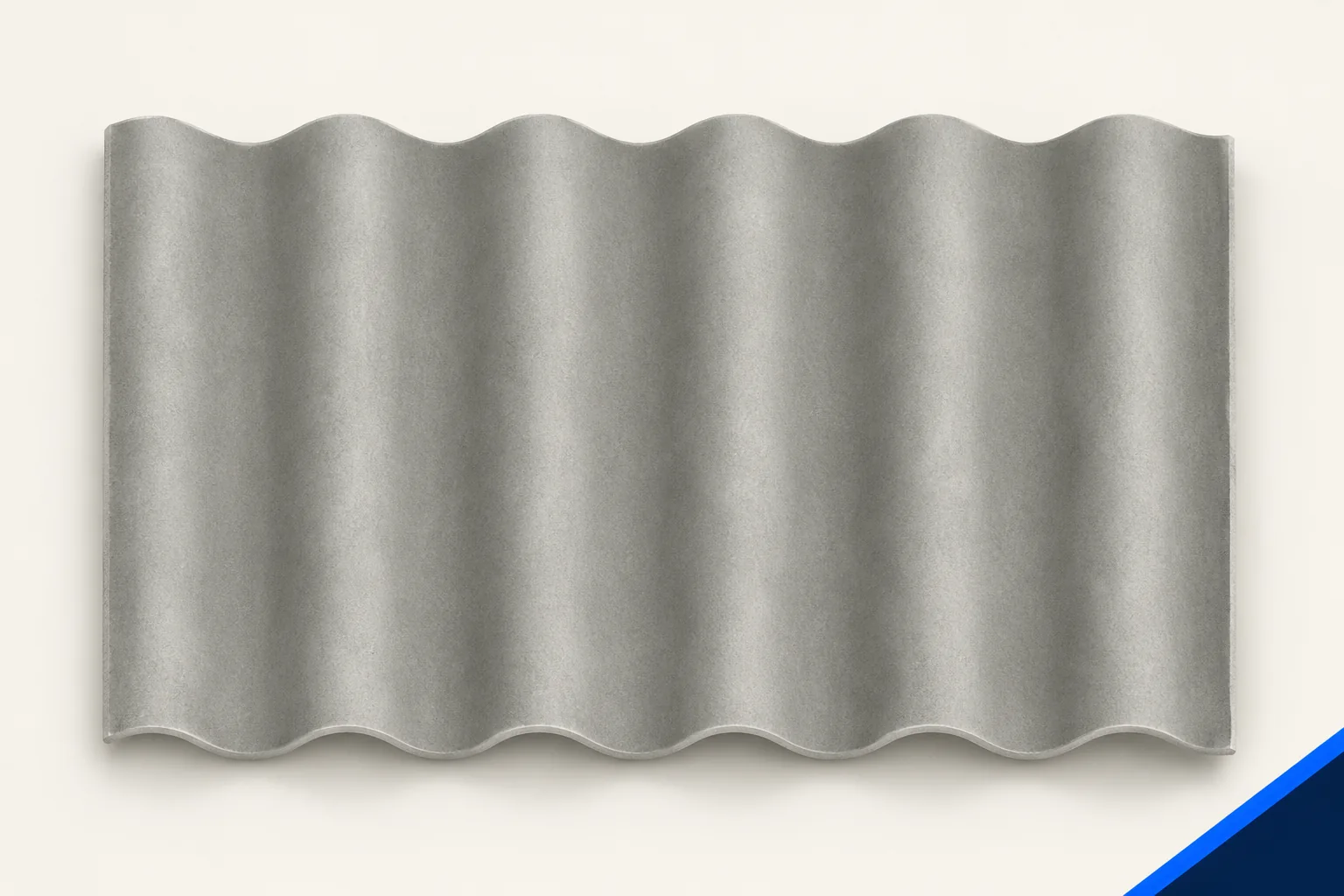
Decide whether to do the work yourself by considering the entire job, not just the roof area. Corrugated fibre cement needs the…