Panels · Sheet metal · Insulation · Accessories

Choosing metal fence pickets and planning a durable fence

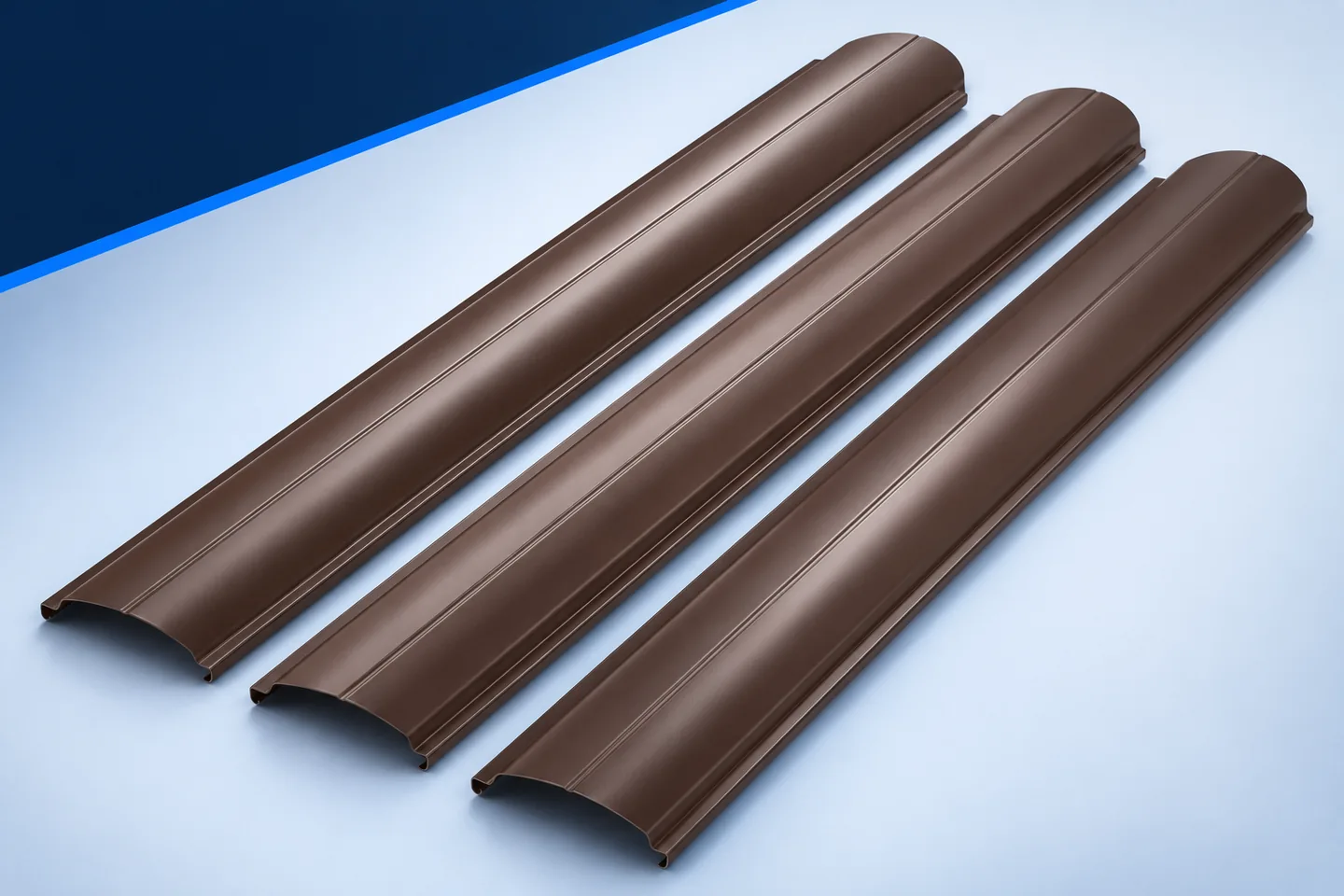
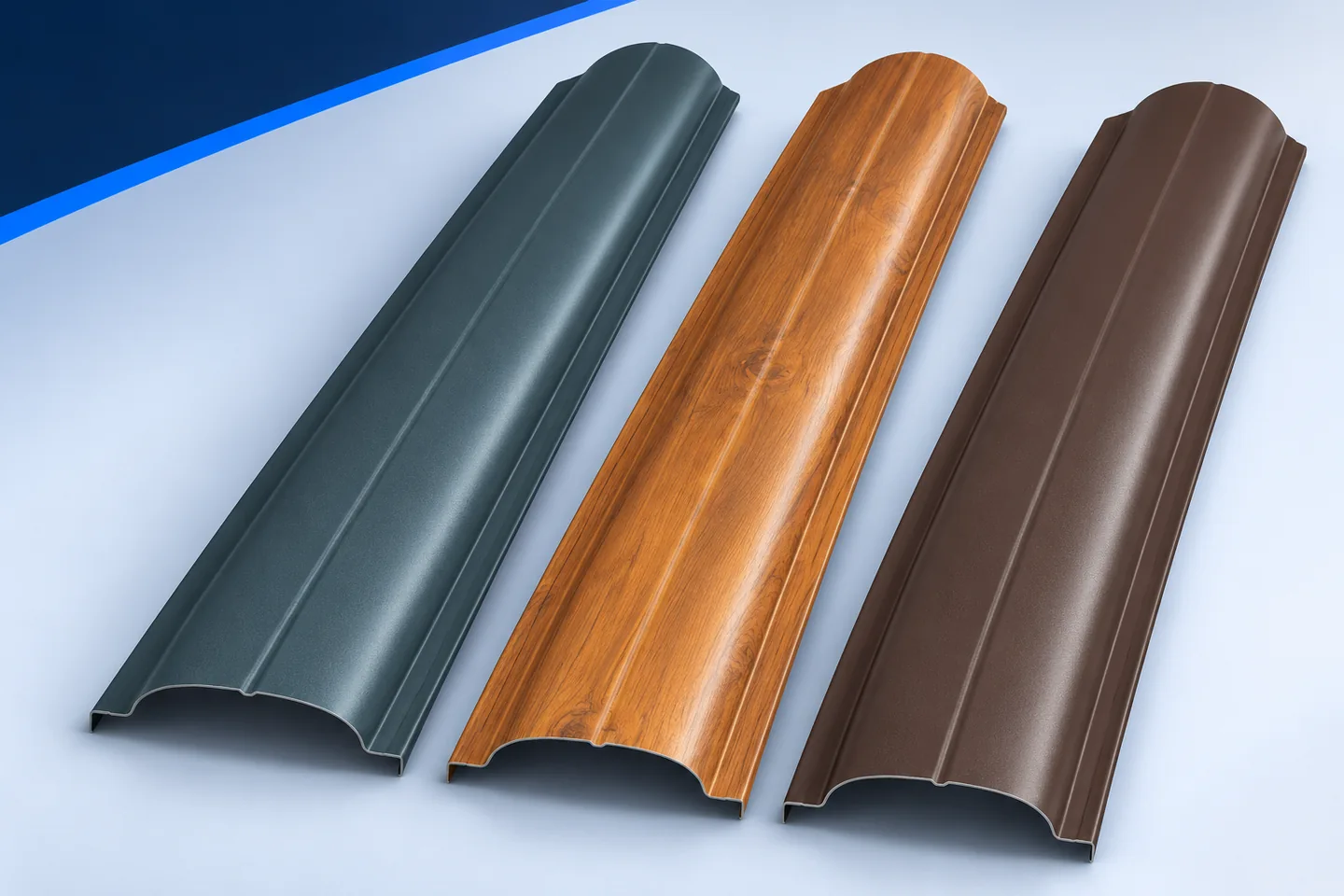
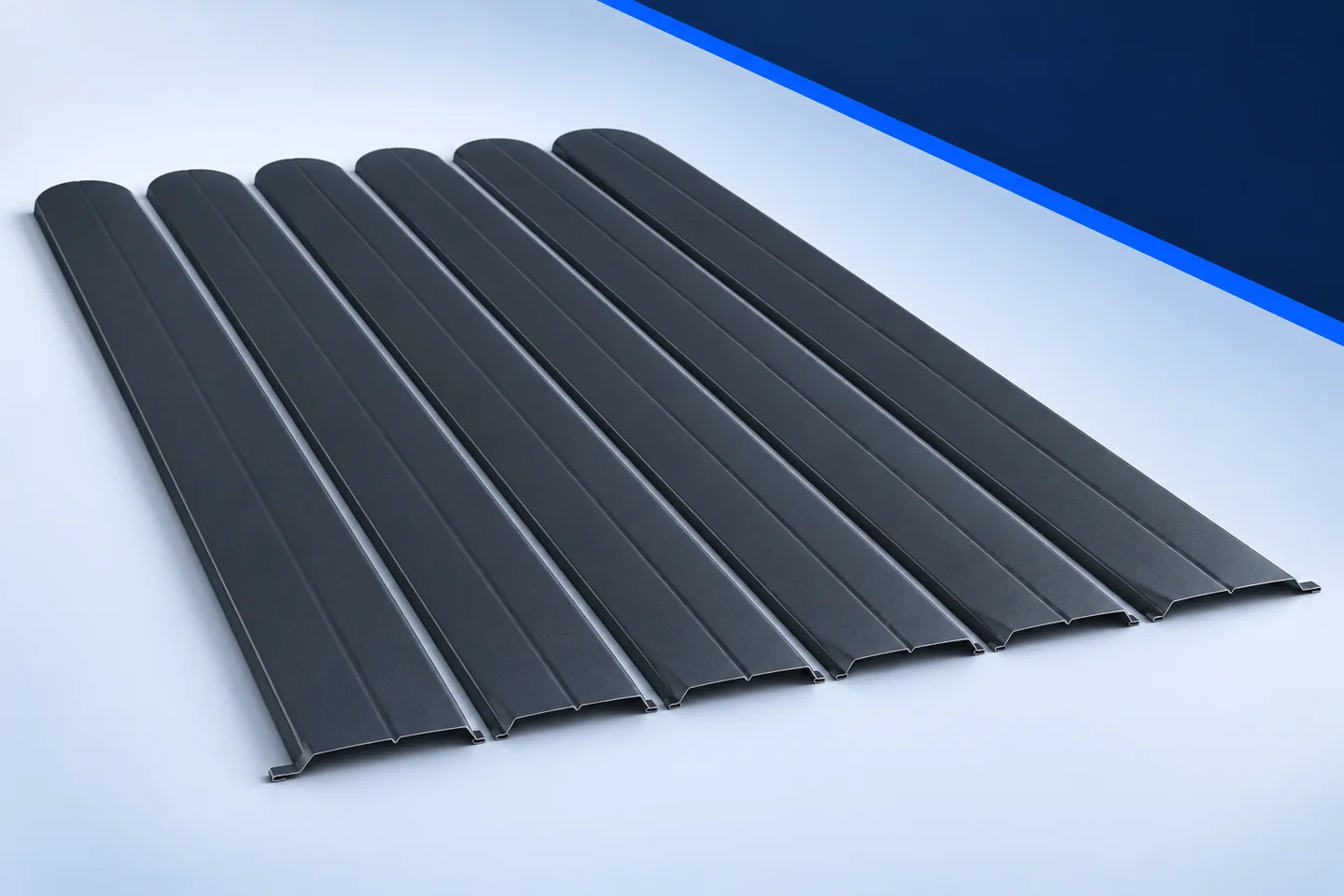
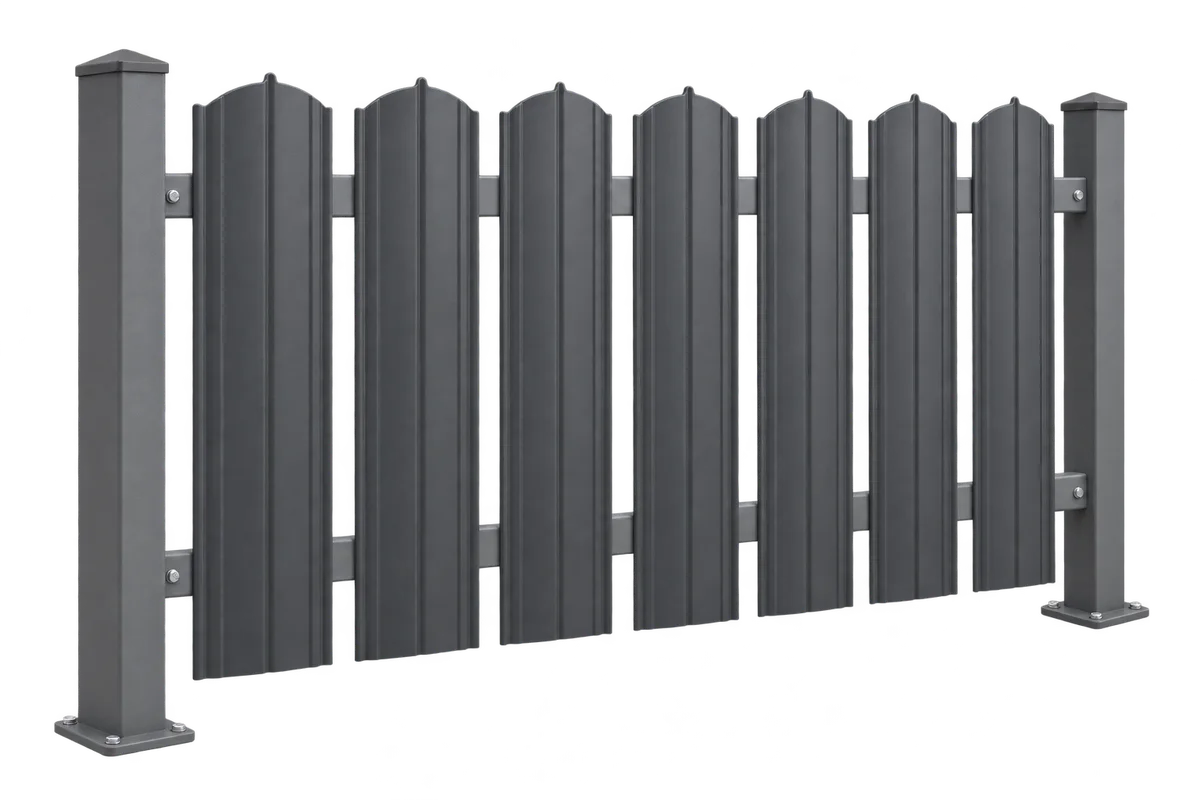
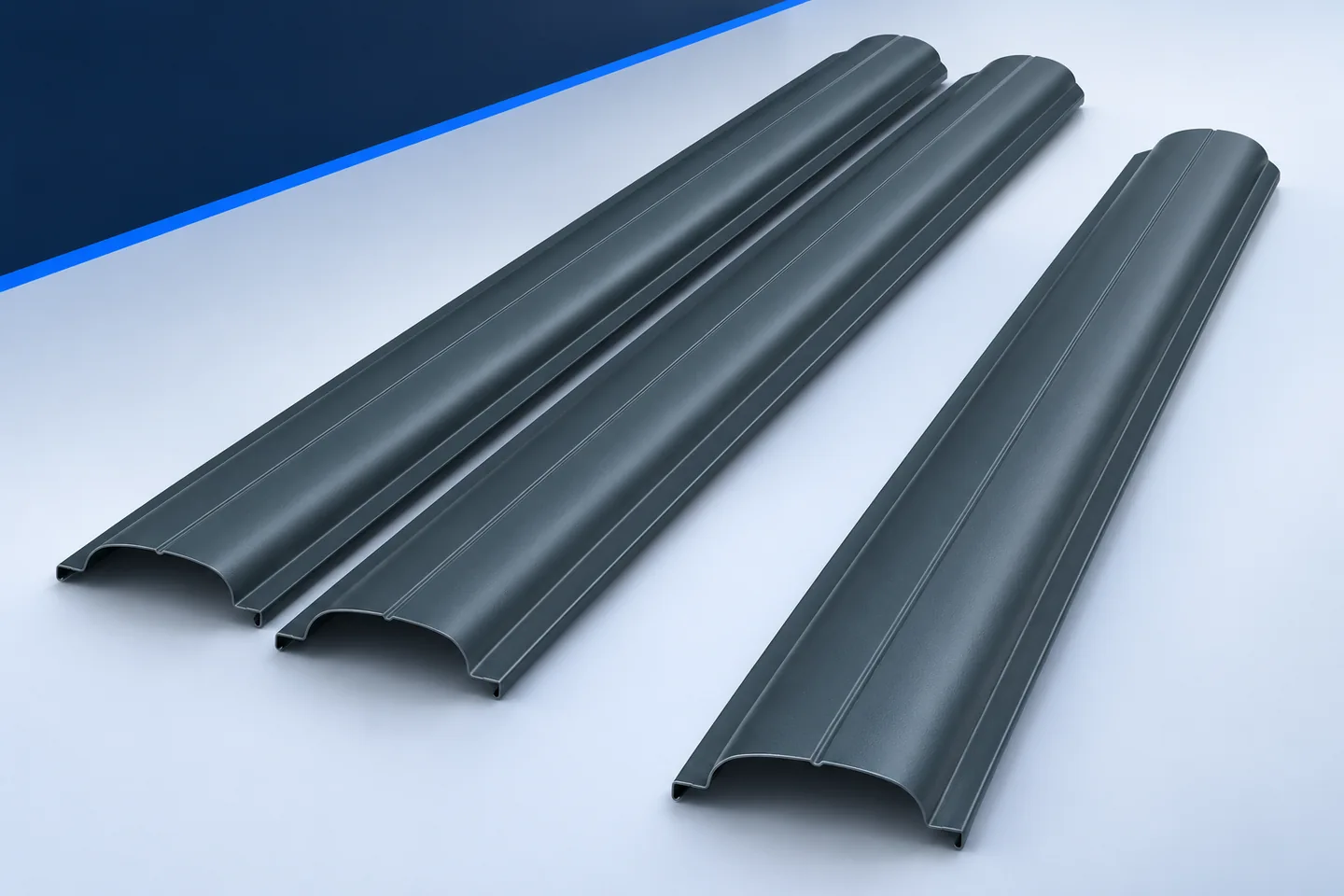
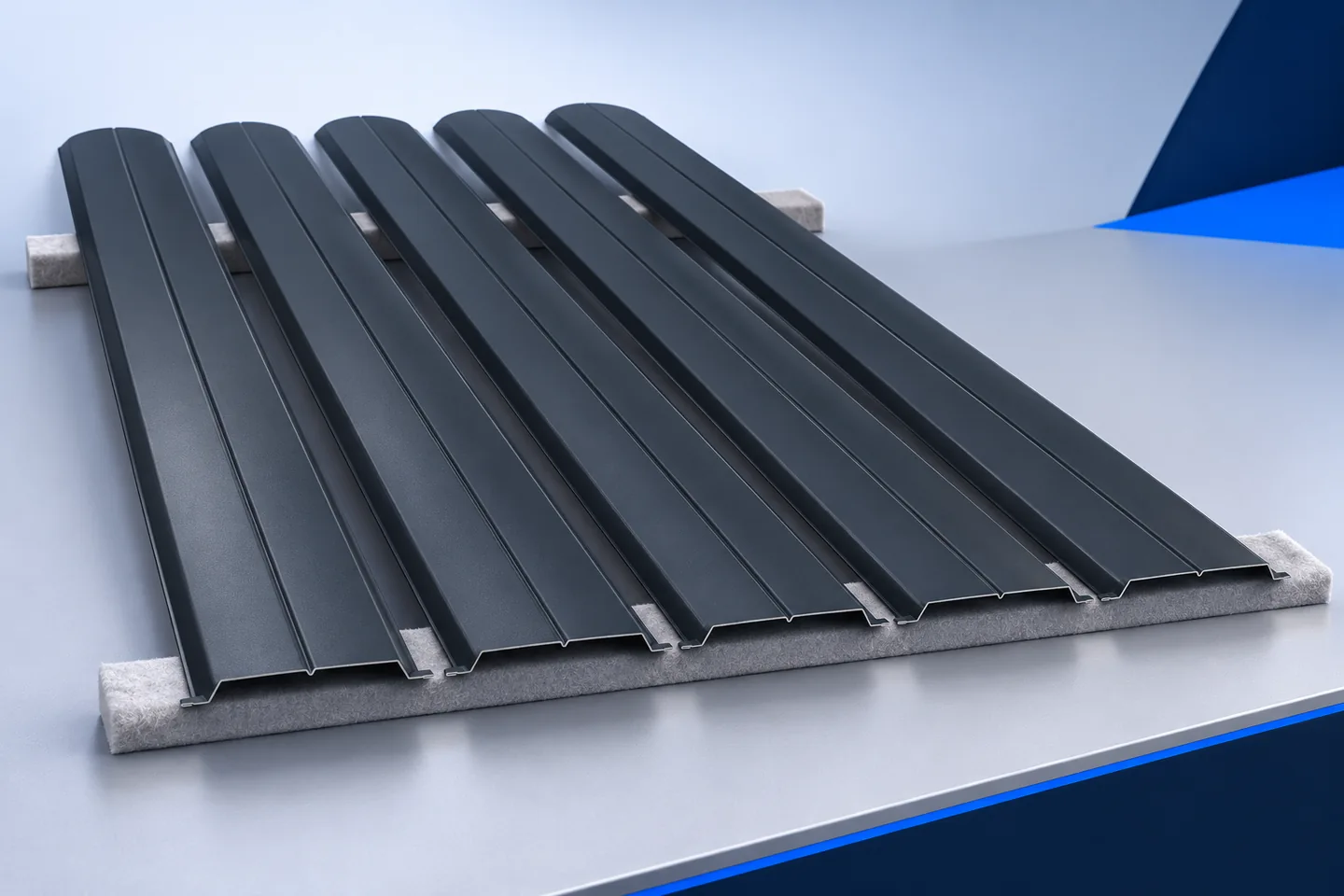
Start with one complete fence bay. Measure between the posts, choose the picket orientation and draw the gaps at both ends. A sample shows how the width, ribs and folded edges look from the street and the garden. Check the finish on the reverse of the sheet as well. For the chosen layout, the installer should size the rails, posts and fixings for the local wind exposure. Include ground preparation and both vehicle and pedestrian gates in the estimate. Comparing complete bays makes it easier to choose between narrow and wide pickets that differ in quantity and finish cost.
By |2026-11-12T13:53:20+01:0012 November 2026|Façades and fencing|Comments Off on Choosing metal fence pickets and planning a durable fence

Metal fence picket installation faults – symptoms, causes and repairs

Uneven gaps, rust-coloured spots and a loose picket can have quite different causes. Before tightening, grinding or straightening anything, examine the layout, connection and finish separately. Thin sheet metal is easily damaged by an unsuitable repair. Start by measuring the bay again. Check the number of pickets, end margins and actual clear gaps. Was the width of the unformed sheet used in place of the finished profile width? Even when the dimensions are right on paper, small setting-out errors can accumulate across a long row. Identifying the cause helps you correct the fault without damaging adjacent pickets.

By |2026-11-12T13:53:17+01:0012 November 2026|Façades and fencing|Comments Off on Metal fence picket installation faults – symptoms, causes and repairs

Metal picket fence handover: what to check before installation is signed off

Inspect a finished metal picket fence from both sides against the agreed specification. Start with the profile, lengths, end shapes, colour and finish on each face. A single-sided decorative coating can look identical to a double-sided product from the street. Keep the batch identifiers. Then check alignment, gaps, connections and the condition of the coating, including surfaces hidden from the usual viewpoint. A drawing and an approved sample give both parties a better basis for handover than an overall impression of the fence.

By |2026-11-12T13:30:15+01:0012 November 2026|Façades and fencing|Comments Off on Metal picket fence handover: what to check before installation is signed off

Metal fence picket ends: square cuts, rounded tops and edge finishing

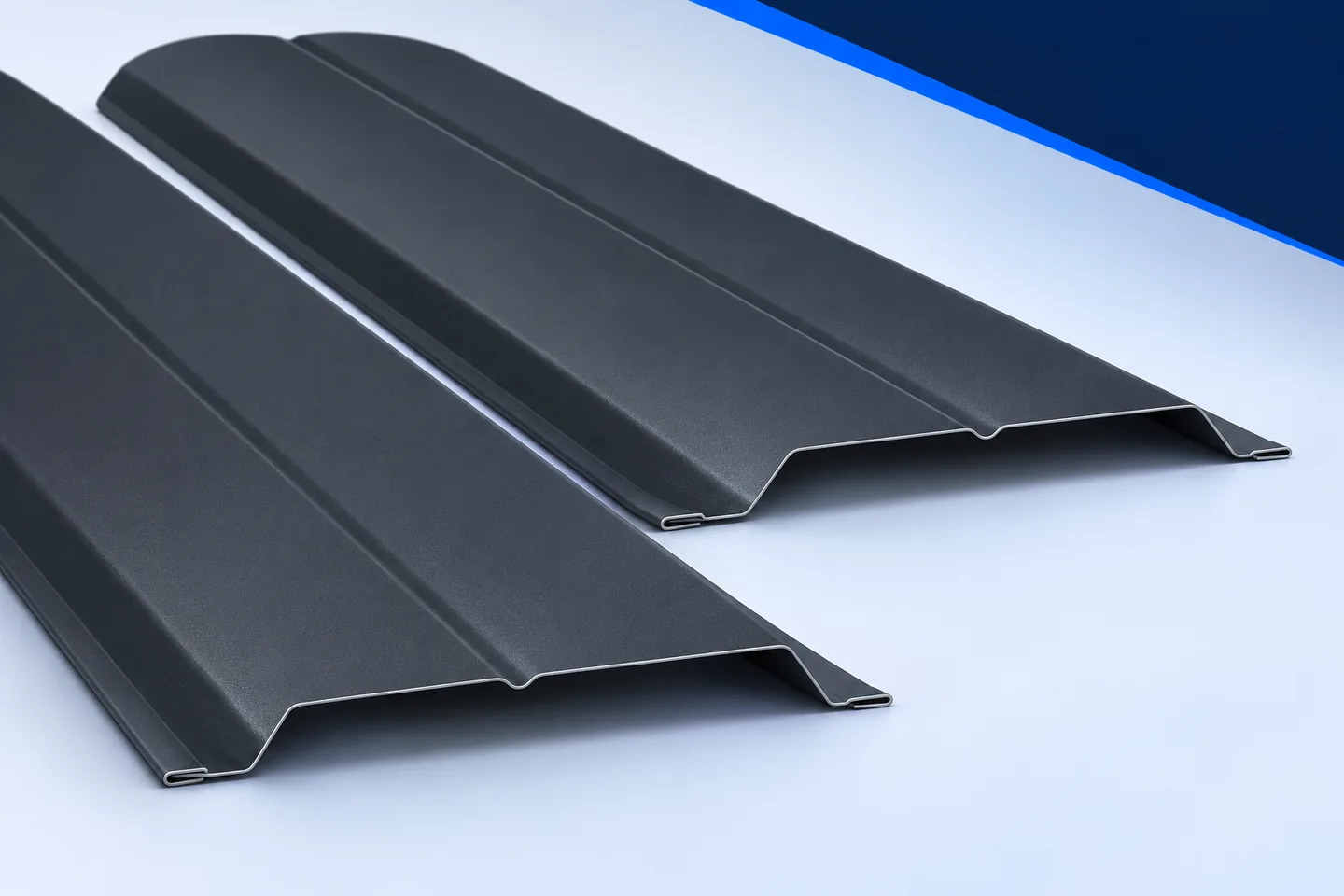
Square-cut and rounded tops create different fence lines, but the end detail involves more than choosing a shape. Inspect the side folds, exposed cut edges and fit of any end cap. The outline seen from the front is separate from the cross-section seen end-on. A rounded top describes only that outline. The same formed section may be sold with different ends, and variants need not be approved for identical installation arrangements. Compare a finished picket and its drawing before choosing by colour or product name alone.

By |2026-11-12T13:30:14+01:0012 November 2026|Façades and fencing|Comments Off on Metal fence picket ends: square cuts, rounded tops and edge finishing

Metal pickets for gates: why the infill is not the gate leaf

Vehicle and pedestrian gates can match the fence, but they do not behave like fixed bays. Each leaf opens and closes on its own hardware. Metal pickets fill its frame; they do not replace it. For both new and refurbished gates, specify the dimensions and fixings separately and assess the effect on the whole assembly. The frame has to retain its shape for the leaf size, weight and support arrangement. Closely spaced pickets should not be counted as bracing unless the design explicitly assigns them that function.

By |2026-11-12T13:30:13+01:0012 November 2026|Façades and fencing|Comments Off on Metal pickets for gates: why the infill is not the gate leaf

Staggered metal fence pickets: setting out two rows of infill

A staggered fence has pickets on both faces of the frame, with the second row offset to cover gaps in the first. It looks different from a single row and can interrupt sightlines, but it needs its own layout. Decide where privacy matters and from which angle. Gaps hidden when viewed head-on may reappear from the side, depending on the distance between rows and the width of the pickets. Draw and count each row separately; doubling the quantity for a standard bay does not necessarily give the right result.

By |2026-11-12T13:30:12+01:0012 November 2026|Façades and fencing|Comments Off on Staggered metal fence pickets: setting out two rows of infill

Metal picket fencing on a slope: step the bays or follow the ground?

A fence on sloping ground needs more than a single height dimension. Draw its upper and lower edges before ordering: stepped bays and a continuous sloping line call for different picket lengths, ground clearances and fixing positions. Made-to-measure steel pickets give some flexibility, within the limits of the supporting system. Record levels at each post and wherever the gradient changes. Add a reading between posts at dips or humps. A site-wide average gradient can hide local hollows that leave a large gap under one bay.

By |2026-11-12T13:30:11+01:0012 November 2026|Façades and fencing|Comments Off on Metal picket fencing on a slope: step the bays or follow the ground?

Horizontal metal fence slats: planning supports and end details

Before laying metal fence slats horizontally, check that the manufacturer permits that orientation. Turning a vertical picket on its side changes its unsupported span and the way its ends meet the posts. Use the product data to plan the supports and fixings rather than judging the shape from a visualisation. Check the ends too: a rounded picket top may look out of place on a horizontal row. A square-cut end may solve the visual issue, but cutting a piece square says nothing about its load capacity.

By |2026-11-12T13:30:09+01:0012 November 2026|Façades and fencing|Comments Off on Horizontal metal fence slats: planning supports and end details

Installing vertical metal fence pickets on a prepared frame

On a sound, correctly sized frame, start by checking the posts and rails: are they stable, straight, properly aligned and ready to receive the fixings? Finish repairs and surface protection before the infill restricts access. Sort the pickets by bay, set out the full pattern and use the first picket to check the fixing method. The following sequence covers installation on an existing frame, not the design of posts, foundations or rail spacings. Fixing details must always follow the instructions for the profile you bought.

By |2026-11-12T13:30:08+01:0012 November 2026|Façades and fencing|Comments Off on Installing vertical metal fence pickets on a prepared frame

Cutting coated steel fence pickets and protecting the cut edges

Ordering pickets to their finished length avoids most site cuts. If a piece appears too long, compare it with the bay drawing and actual frame before shortening it: the support position may be at fault. Check both ends, ground clearance and the intended top line. When cutting is necessary, follow the instructions for the specific coated product. Heat and flying particles can damage the surface well beyond the cut, so a tool suitable for bare steel may be unsuitable for a finished picket. Inspect and clean the piece before installing it.

By |2026-11-12T13:30:07+01:0012 November 2026|Façades and fencing|Comments Off on Cutting coated steel fence pickets and protecting the cut edges
Back to top