
Panels · Sheet metal · Insulation · Accessories

Screws for metal fence pickets: what to check before fastening

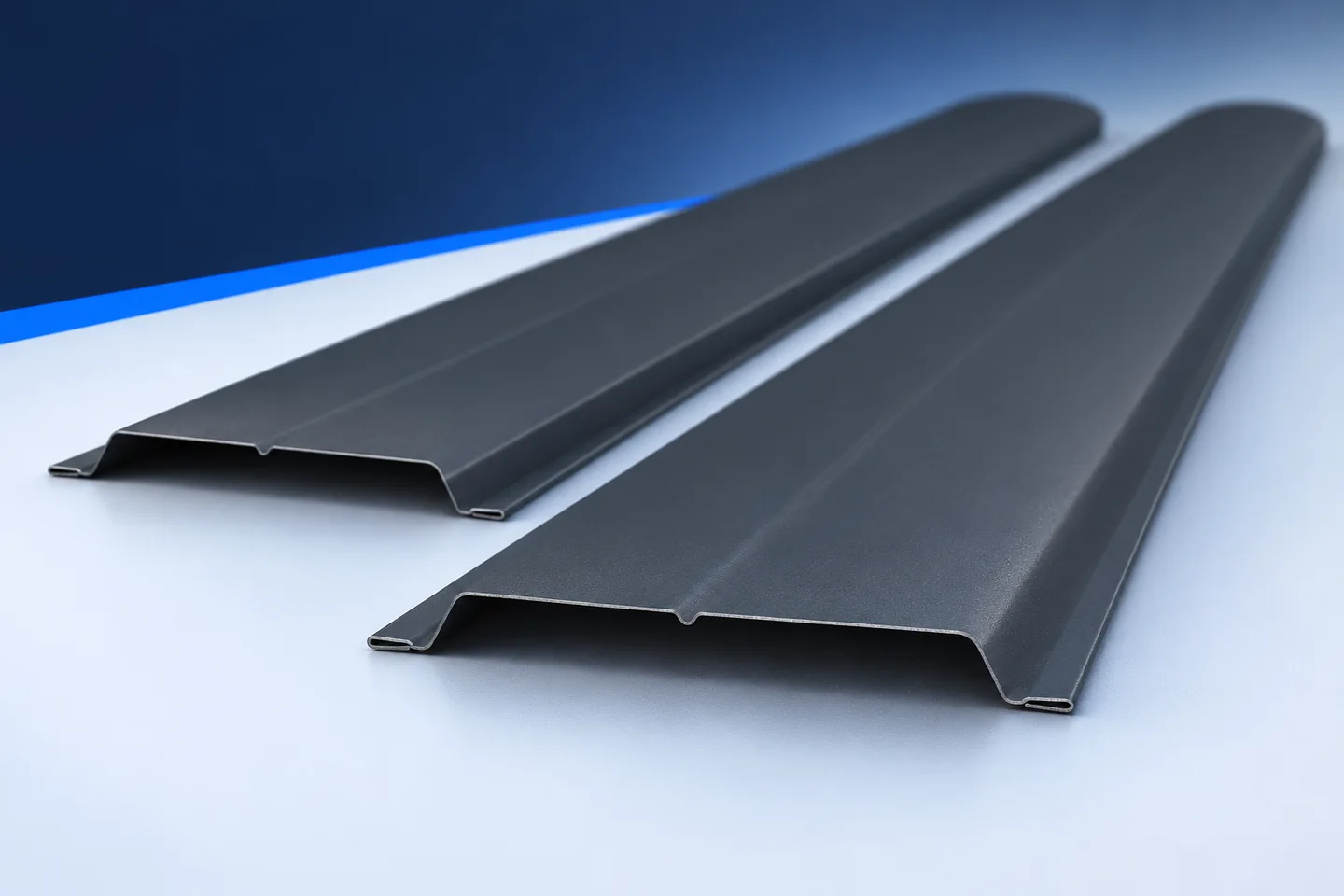
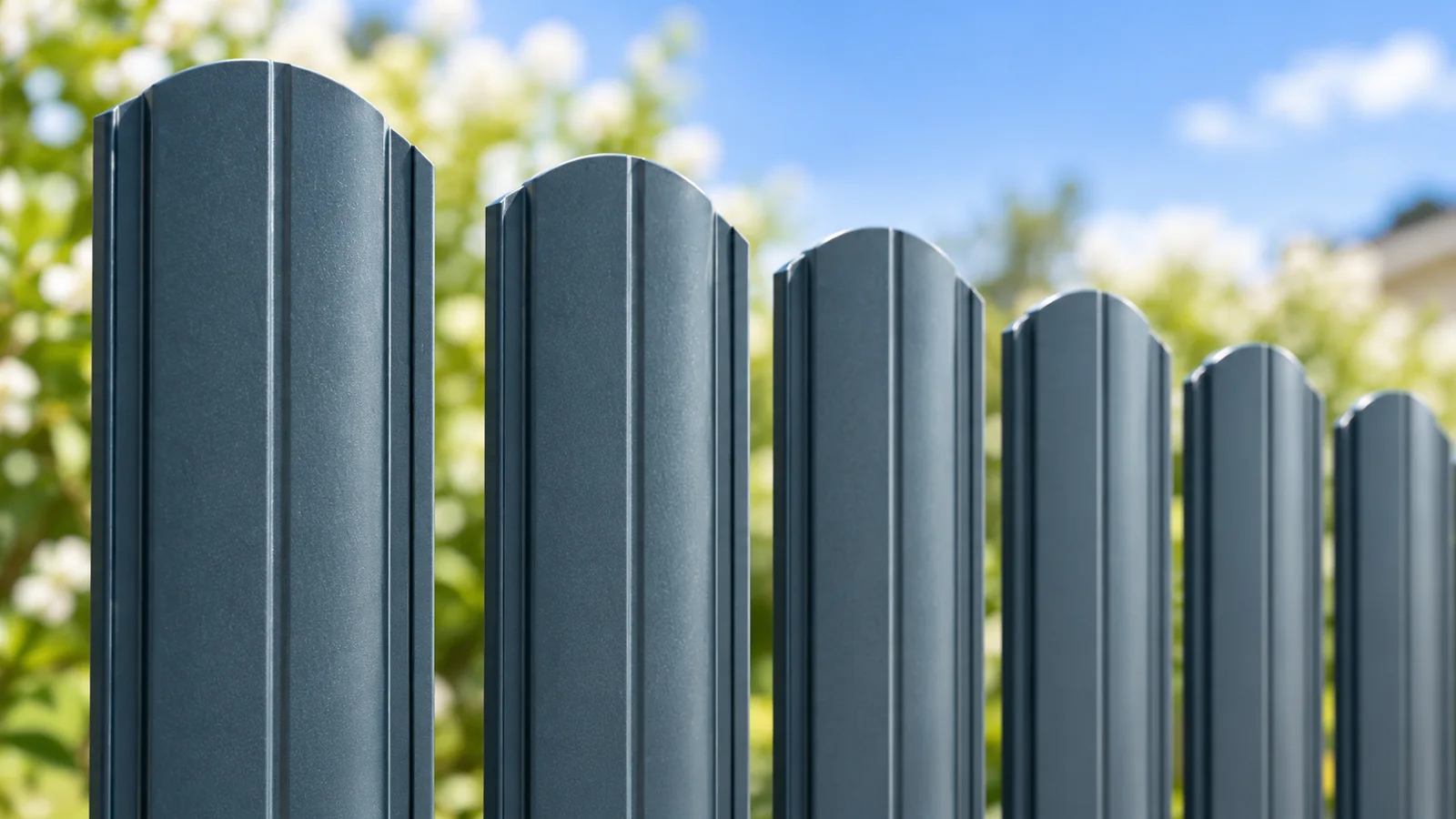
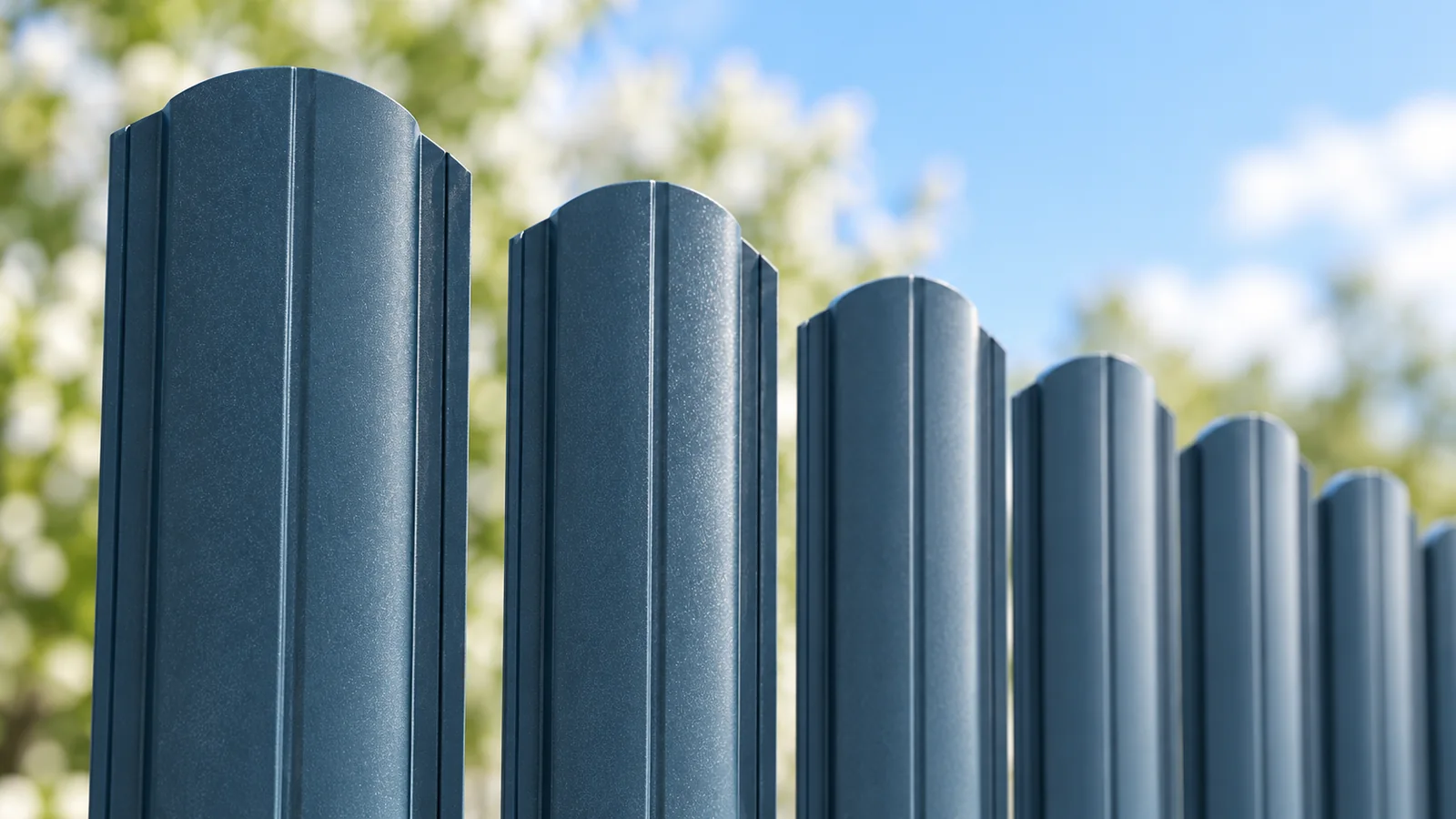
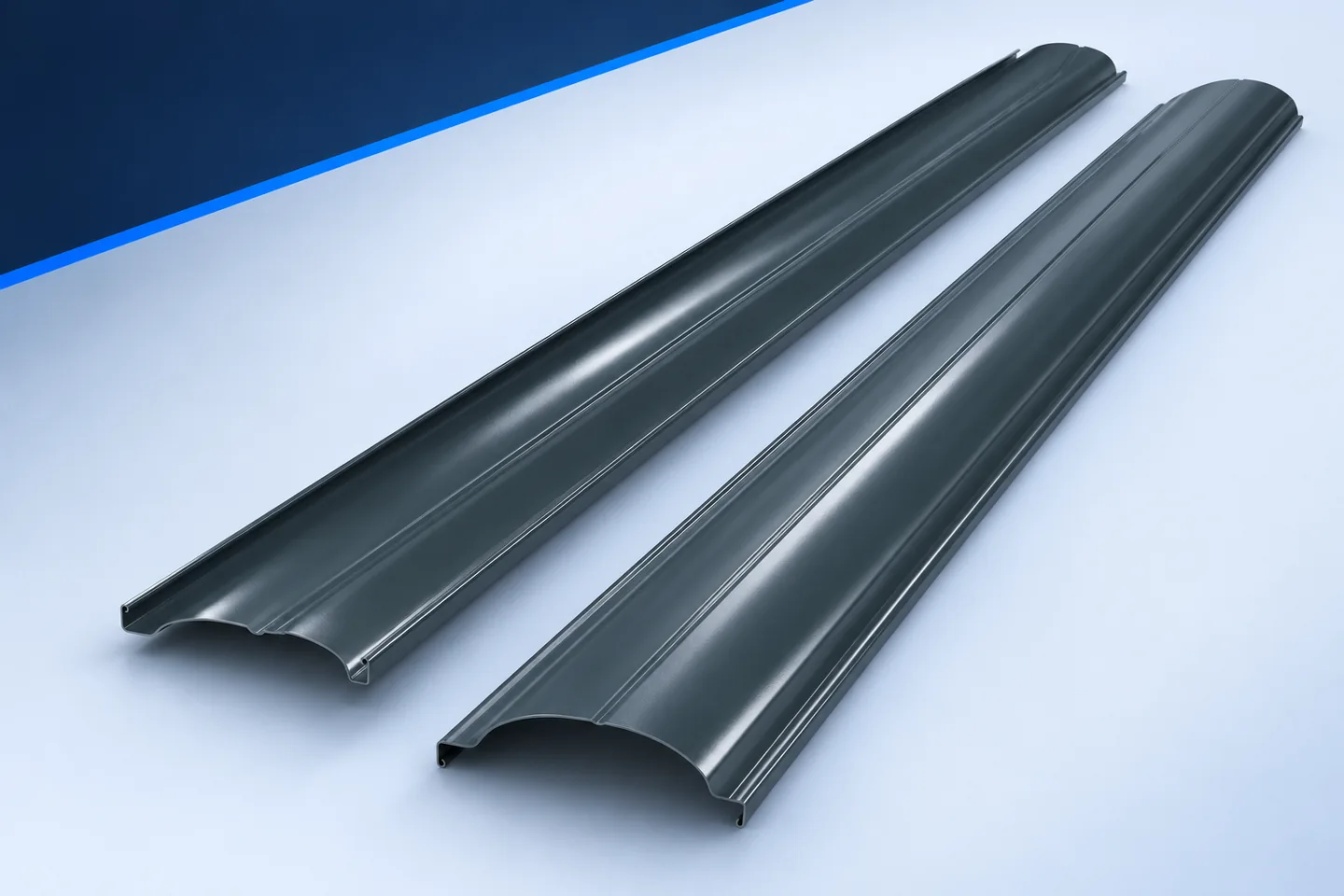
A matching screw head makes a neat finish, but colour tells you nothing about whether the fixing will hold. Start with the fixing specified for the picket. Check the rail material, its thickness and the loads on the connection. The shape of the folds determines where the head can bear evenly; another picket of the same width may need a different number or position of screws. Thin-walled pickets can distort under excessive pressure. Choosing the right fastener and driving it correctly are as important as the quality of the factory coating.

By |2026-11-12T13:30:06+01:0012 November 2026|Façades and fencing|Comments Off on Screws for metal fence pickets: what to check before fastening

Framing for metal fence pickets: posts, rails and fixings

The pickets give a fence its appearance, but the frame carries the loads. Force travels from each metal picket through its fasteners into the rails, then through brackets and posts into the foundations. A strong post cannot compensate for an unsuitable connection or rail. Plan the supporting frame when choosing the picket profile: its cross-section, length and permitted fixing arrangement affect the layout. There is no single post or rail spacing that suits every fence.

By |2026-11-12T13:30:04+01:0012 November 2026|Façades and fencing|Comments Off on Framing for metal fence pickets: posts, rails and fixings

New metal pickets on old posts: planning a fence refurbishment

Replacing the infill can change the appearance of a fence without rebuilding it from scratch, provided the existing supports are suitable. Metal pickets will not strengthen worn posts or repair damaged foundations. Inspect the entire fence before ordering: look for loss of material, corrosion and leaning posts, especially near the ground and at rail connections. Fresh paint can disguise a defect without fixing it. Reuse a post only after checking its condition and whether it can take the loads from the proposed infill and its fixings.

By |2026-11-12T13:14:27+01:0012 November 2026|Façades and fencing|Comments Off on New metal pickets on old posts: planning a fence refurbishment

Even picket spacing: setting out a fence bay without cumulative errors

Set out the entire bay before fastening the first metal picket. Measure the clear infill width, choose the margins at both posts and check whether brackets or other fittings restrict access there. Then choose a whole number of pickets and work out the internal gaps. Mark positions from one fixed point. If you set every new picket only by its neighbour, a small error can repeat along the row and leave an unexpectedly narrow gap at the last post. A spacer is useful, but the position of the last picket should already be on your sketch.

By |2026-11-12T13:14:26+01:0012 November 2026|Façades and fencing|Comments Off on Even picket spacing: setting out a fence bay without cumulative errors

How many metal pickets fit a fence bay? Calculating gaps and end margins

To calculate how many vertical metal pickets fit in a single row, allow for the clear gaps and both end margins as well as the width of the steel. Use the clear infill width W and the finished width b of one picket. Choose a whole number of pickets n, then calculate the resulting gap g. Work in one unit throughout, preferably millimetres. The following example checks the geometry of one bay; the rails and fasteners still need to suit the chosen fencing system.

By |2026-11-12T13:14:24+01:0012 November 2026|Façades and fencing|Comments Off on How many metal pickets fit a fence bay? Calculating gaps and end margins

Measuring a fence for metal pickets: what to record before ordering

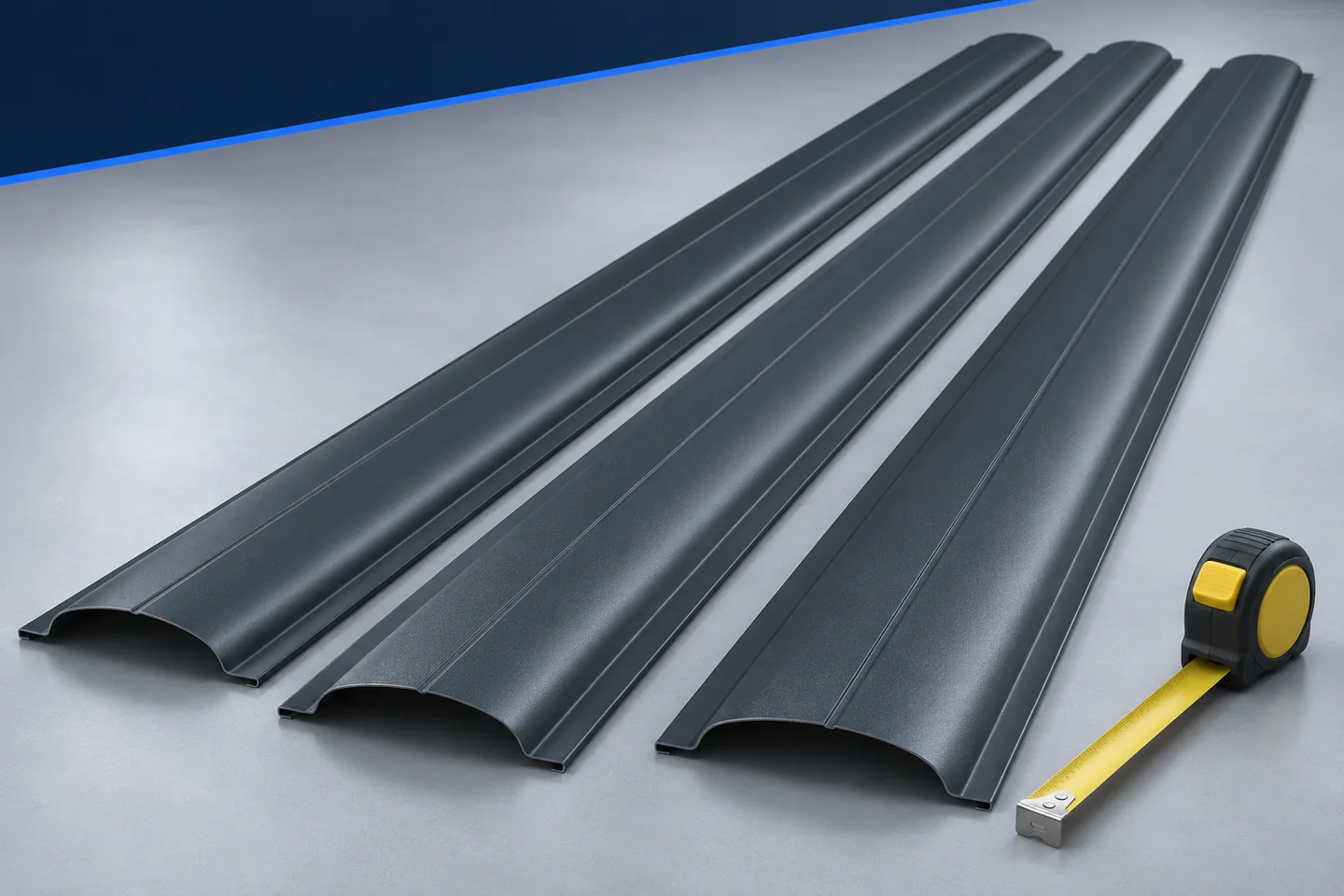
Measure each bay, pedestrian gate and vehicle gate separately before ordering made-to-length metal pickets. The length of the site boundary tells you little about how much space is available for infill. Record the clear opening between the supports, rather than the distance between post centres, and allow for brackets, end trims and changes in ground level. A dimensioned sketch helps you select a profile that fits the fixing layout, reduces cutting on site and makes it easier to spot missing pieces before the order is placed.

By |2026-11-12T13:14:23+01:0012 November 2026|Façades and fencing|Comments Off on Measuring a fence for metal pickets: what to record before ordering

Planning a house fence with metal pickets

Plan a metal-picket fence around everyday use of the property: visibility at the gate, garden privacy and pedestrian access. Picket width, gaps and colour follow those decisions. This Budowlanka.org guide considers pickets together with posts, rails and foundations because filling density affects wind loading and a picket price does not describe the whole project. It explains how to schedule actual fence bays, inspect both sides of the finish and compare complete quotations. A counting example illustrates the arithmetic without prescribing universal installation dimensions. Replacing an old fence also requires assessment of existing supports. Appearance matters, but it must work with the structure and practical access.

By |2026-11-12T07:26:05+01:0012 November 2026|Façades and fencing|Comments Off on Planning a house fence with metal pickets

Metal fence pickets: plan the view, spacing and complete bay

Assess a metal picket fence as a complete arrangement of posts, rails and infill. The pickets determine colour, rhythm and screening, but do not establish the strength of the whole bay. This guide starts with household needs and moves towards a dimensioned bay drawing and comparable quotations. It distinguishes picket width, clear gap and centre spacing, and explains why dense double-sided infill changes structural loading. Coating, fixings and later cleaning are considered separately. Rather than copying a picket count from a photograph, draw your own measured layout. This helps balance privacy, access and appearance without an awkward final cut beside a post.

By |2026-11-11T16:26:55+01:0011 November 2026|Façades and fencing|Comments Off on Metal fence pickets: plan the view, spacing and complete bay

Metal façade cladding: coordinate the wall grid, water paths and fixings

Assess metal façade cladding on a drawing of the whole wall, including windows, the base and fixing lines. Regular profiles can organise the building's appearance and limit cladding weight, but need a designed support system. T18 and T35 produce different shadows, while coatings must suit the surroundings. This guide moves from sample selection to a complete quotation, covering substrate, ventilation, terminations and maintenance access. It separates thin outer sheeting from the wall's insulation and structural functions. For refurbishment, investigate damp and masonry condition first. New cladding can conceal damage without removing its cause. Consider unloading, individual sheet replacement and future cleaning when choosing the format.

By |2026-11-11T15:55:52+01:0011 November 2026|Façades and fencing|Comments Off on Metal façade cladding: coordinate the wall grid, water paths and fixings

Metal picket fence panels: plan privacy, spacing and the supporting frame

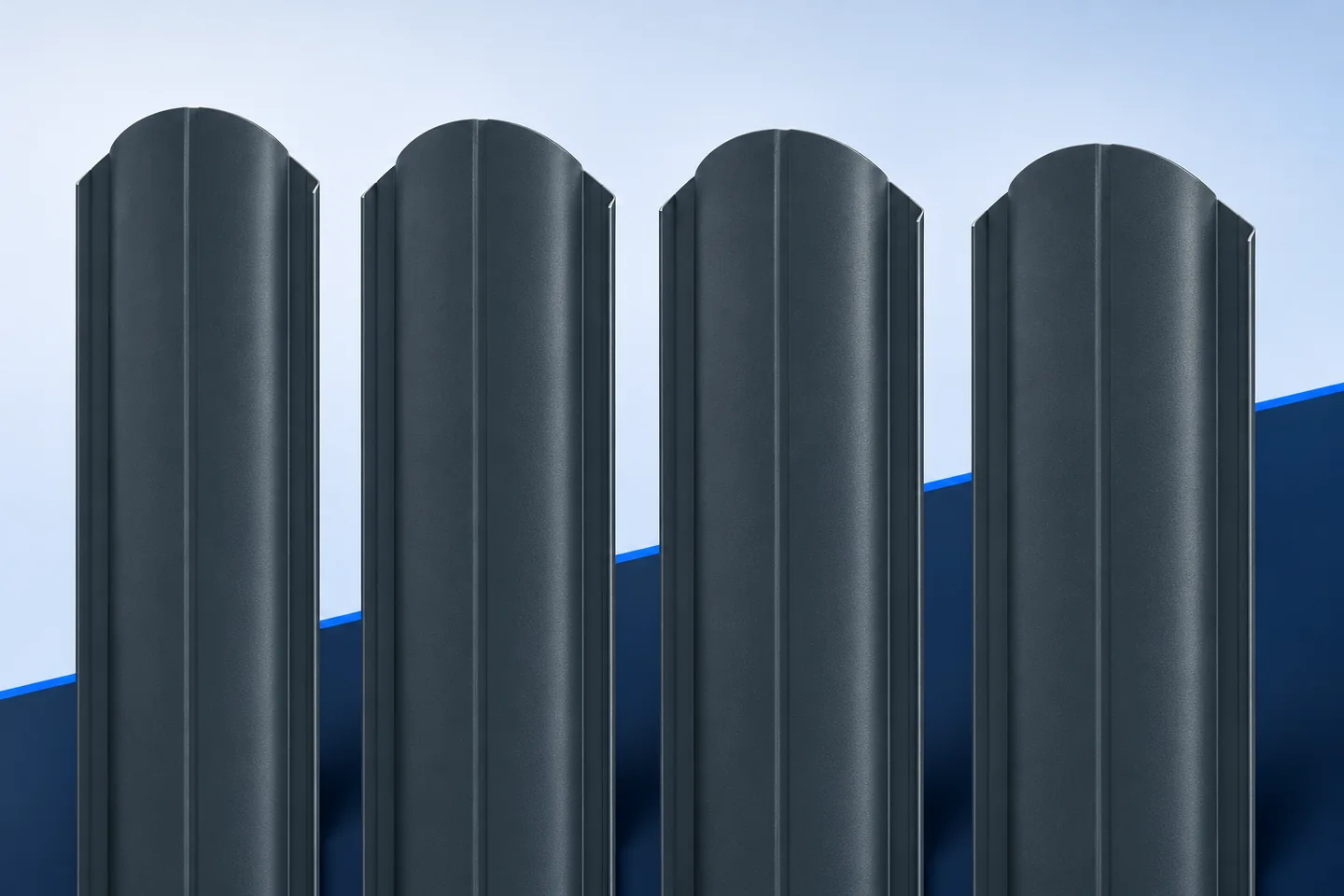
Choose a metal picket fence panel as a combination of infill, rails, posts and fixings. Colour alone does not determine privacy or wind resistance. Picket width, gaps, height and anchorage all matter. This guide explains how to draw a repeatable panel, compare both sides and calculate quantities before buying. It also covers sloping ground, gates and pedestrian entrances, which need separate consideration. A factory coating may reduce maintenance, but dirt and damage still require inspection. Compare the price of complete fencing at the same height and density, including supports and installation. A trial panel lets you assess the result before repeating it around the property.

By |2026-11-11T15:26:49+01:0011 November 2026|Façades and fencing|Comments Off on Metal picket fence panels: plan privacy, spacing and the supporting frame
Back to top