Choosing mineral-wool wall-panel thickness from 60 to 200 mm
Sandwich panels
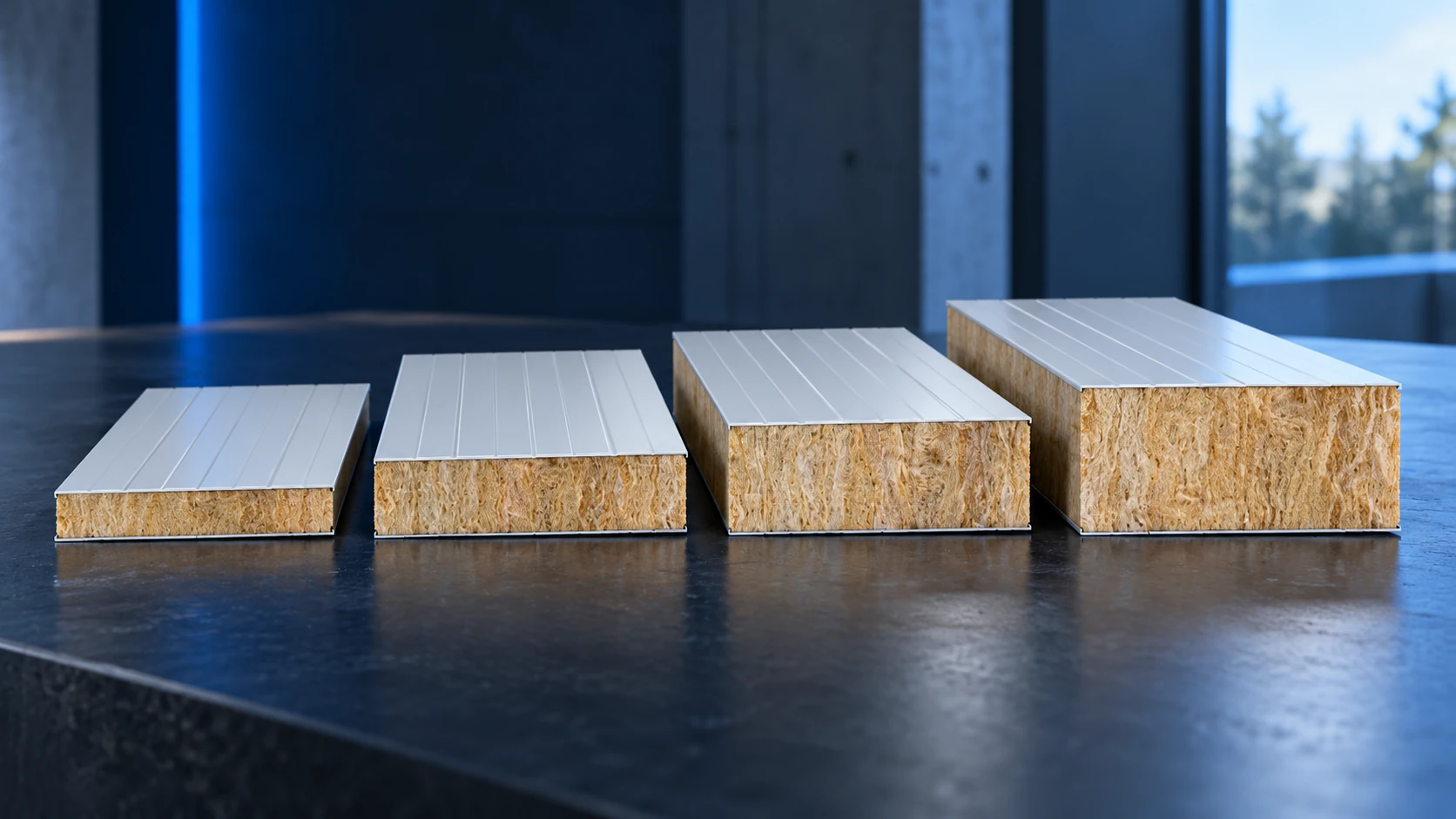
Wall-panel thickness must satisfy several requirements together: thermal insulation, fire performance, span and weight. Do not start by assuming that 100 mm suits most buildings or that 200 mm always gives the best result. Define what the wall must do, then check a specific product variant against the design. This guide sets out a sequence from building use and U-values to classification documents, structural tables and installation details. It also considers future use and the cost of accessories. The 60–200 mm examples are not the limits of the entire market; available thicknesses and properties must be confirmed for the chosen panel family.
Step one: establish the wall’s function
A partition between similarly heated rooms has a different role from an external wall; dry and humid buildings also differ. Give the designer operating temperatures and building use, and establish fire and acoustic requirements before narrowing the choice.
A wall panel may form external cladding or a partition where its intended use permits. No single thickness suits every hall or workshop. Similar buildings can differ in thermal requirements, wind loads and facing exposure. A list of applications therefore does not replace selection of the exact variant.
Consider possible changes of use: today’s unheated store may become a workshop. This does not mean always buying a thicker panel in reserve. Compare the present choice with the work a future conversion would require, and tell the designer about realistic plans so heating, ventilation and details are assessed together.
Step two: compare U-values of available variants
One example mineral-wool panel family has U-values of 0.66 at 60 mm, 0.49 at 80 mm, 0.39 at 100 mm, 0.33 at 120 mm, 0.27 at 150 mm and 0.20 W/(m²K) at 200 mm. These concern selected variants. Under equal conditions, lower U means less heat flow.
Another example family with variable-density mineral wool has U-values of 0.37, 0.25 and 0.19 W/(m²K) at 100, 150 and 200 mm respectively. This is not a rule for every such core. Equal thickness need not mean identical construction or properties; confirm the exact ordered version’s data.
Step three: check fire requirements
The finished panel’s reaction to fire and the wall’s fire resistance are separate properties. “Non-combustible wool” alone cannot determine thickness. Establish the required class and the full scope of the permitted assembly.
For a particular EI class, orientation, height, span and fixings may matter. A thicker panel does not automatically permit arbitrary supports. Clarify discrepancies between manufacturer documents rather than combining the most favourable passages from different editions. The design needs one coherent basis.
Step four: match the panel to the frame
Use load tables for the correct variant and both facing thicknesses. Results vary with structural arrangement and loading, and may also depend on colour group and deflection criterion. The complete dataset is necessary; core thickness alone does not establish a safe span.
For refurbishment, inspect existing supports before choosing a panel. Rail condition or fastening possibilities may be the limiting factor, which greater thickness will not resolve. A small frame modification may instead permit another variant. Assess the cost of both parts of the solution.
Step five: allow for weight and details
In the first example, mass increases from 14.1 kg/m² at 60 mm to 28.1 kg/m² at 200 mm with 0.5/0.5 mm facings. Other products differ. This matters when lifting long panels: check each element’s actual mass and the required transport and support method.
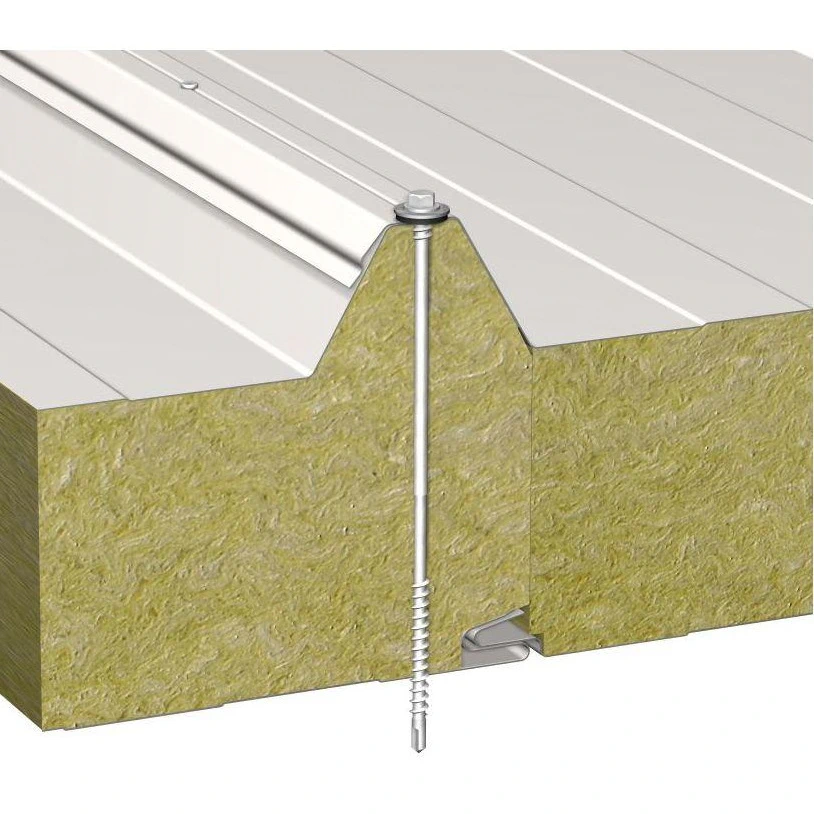
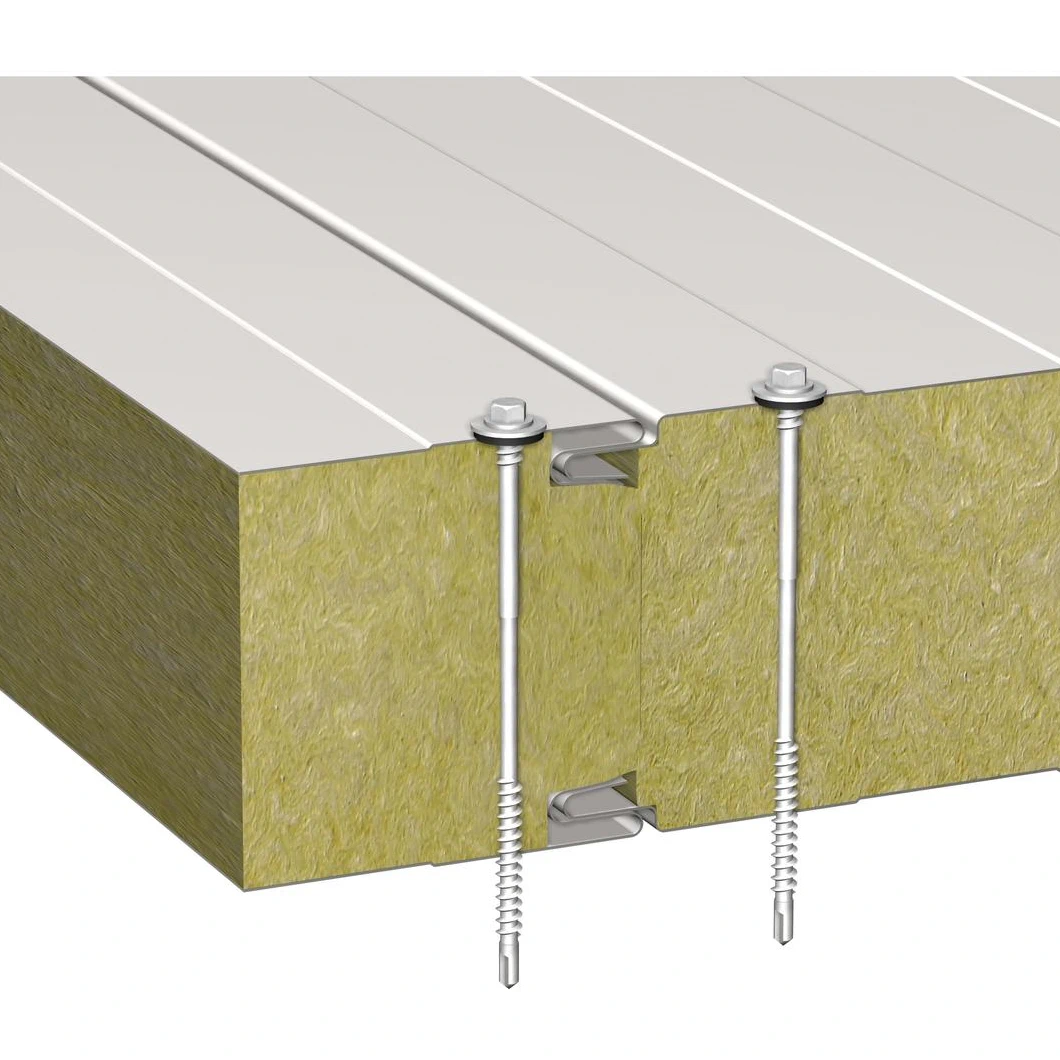
Thickness changes affect bases, corners, opening surrounds and fastener selection. Do not treat accessories as an afterthought: they may alter cost and work sequence. Specify them alongside panels before the crew prepares the frame.
Order a variant meeting the complete set of conditions
The cheapest panel is good value only if it meets requirements, while the thickest does not automatically offer the best balance. Compare the complete assembly, installation, accessories and intended use. Put the required properties in the enquiry so all offers address the same task.
The 60–200 mm range does not describe the whole market. Individual families may offer other thicknesses. If the requirements go beyond this selection, confirm the appropriate variant with the supplier. Do not stop at the dimension most often advertised; choose what the specific building needs.
Frequently asked questions
Is thickness chosen only from the U-value?
No. It must also meet structural, fire, acoustic and installation requirements.
Is 200 mm the thickest mineral-wool panel available?
It is not a universal limit. Check the available thickness range of the chosen product family.

Free quote
What to include in your enquiry
Tell us how you plan to use the material, the dimensions and the quantity you need. Include the thickness, grade or variant name, along with the delivery town or your preferred collection branch. For a specific product, add its name or a link to the product page. We will reply to the email address you provide to discuss availability and the terms of your order.
More from the building guide
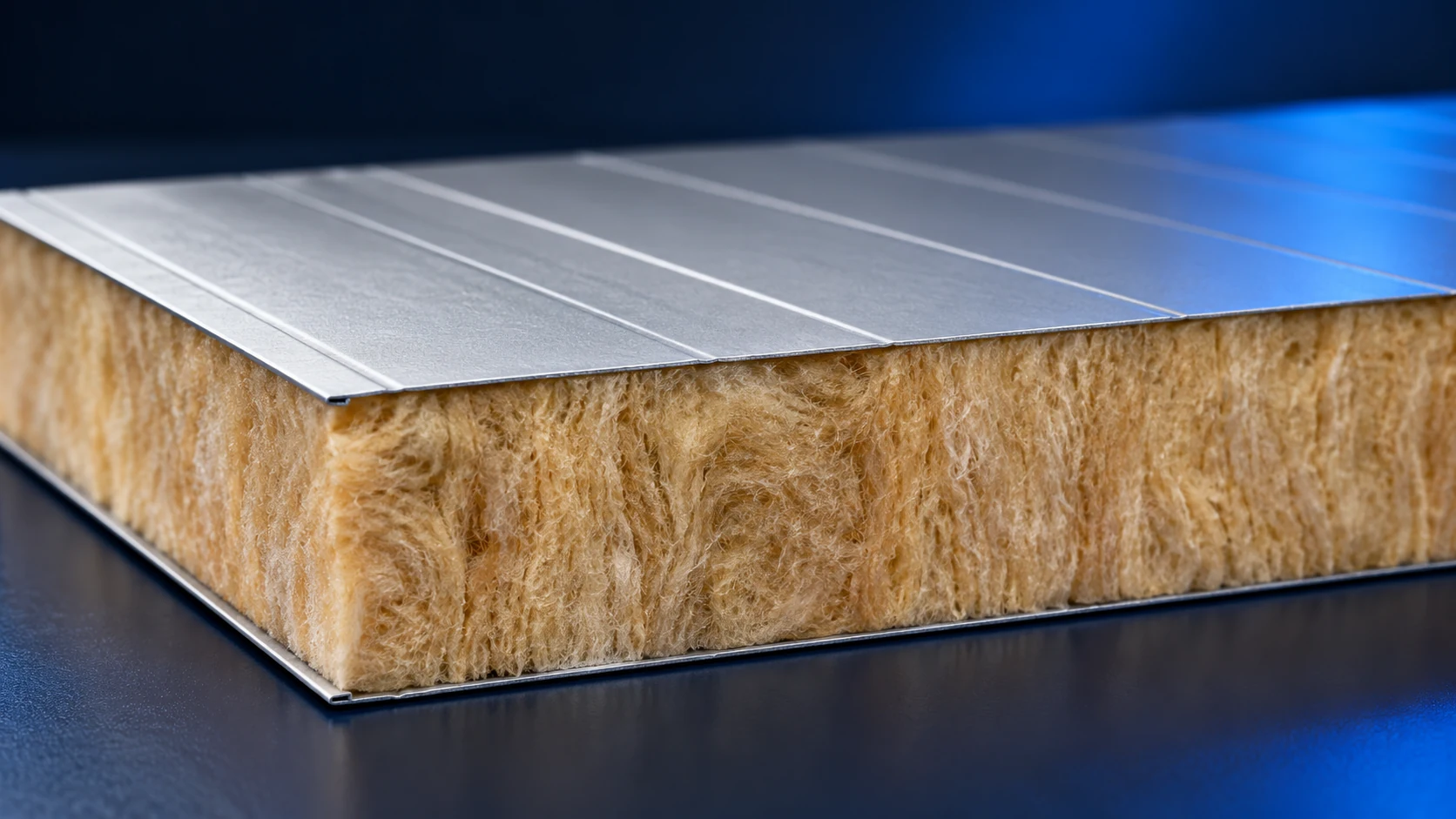
A sandwich wall panel combines an insulating core with two facings. The products discussed here use mineral wool between steel facings and…
No single screw suits every mineral-wool sandwich panel. The fastener must match panel thickness, support material and the loads on the connection;…
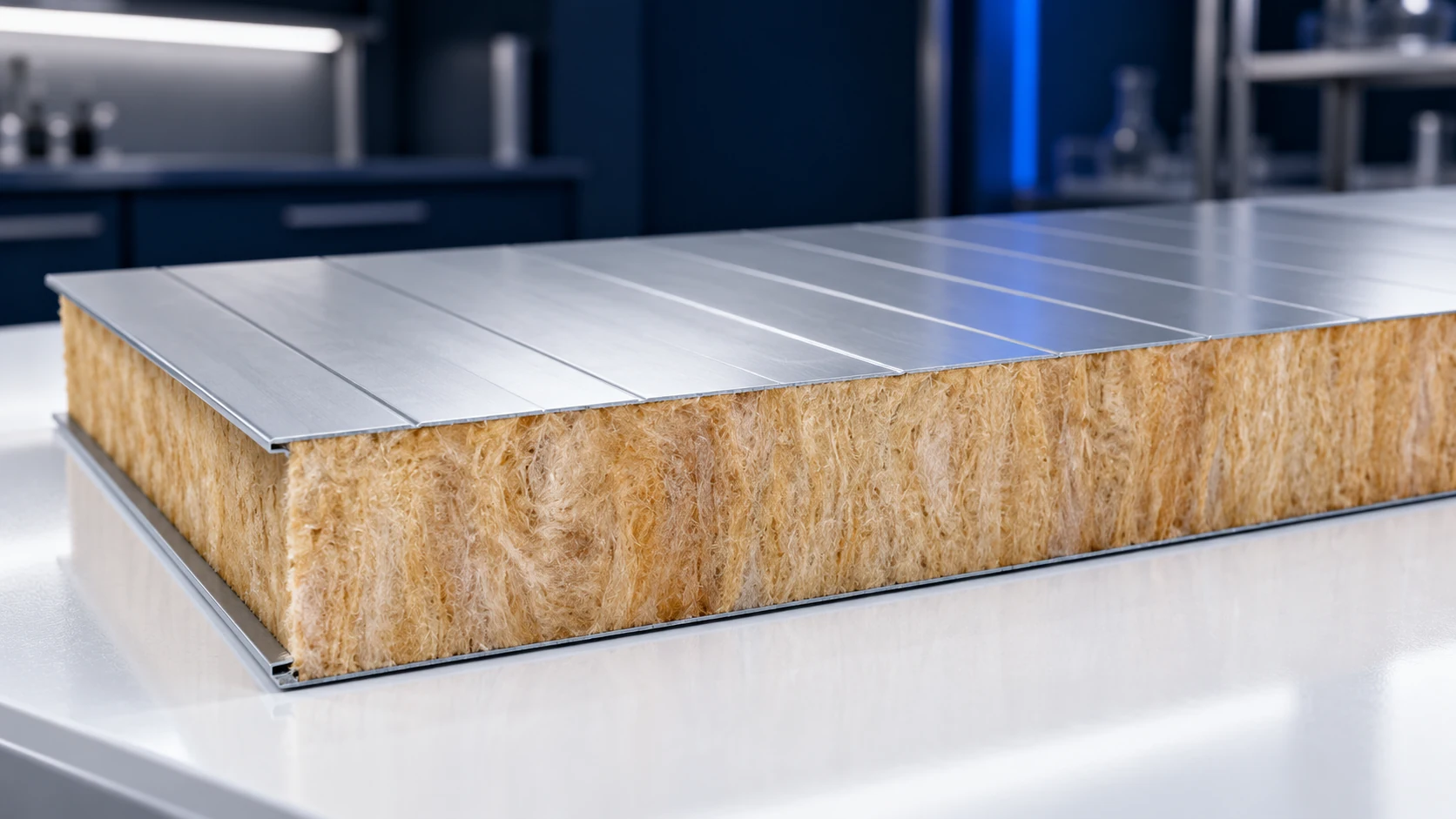
A mineral-wool core does not automatically give a finished wall panel an A1 classification. The complete panel is assessed as a separate…
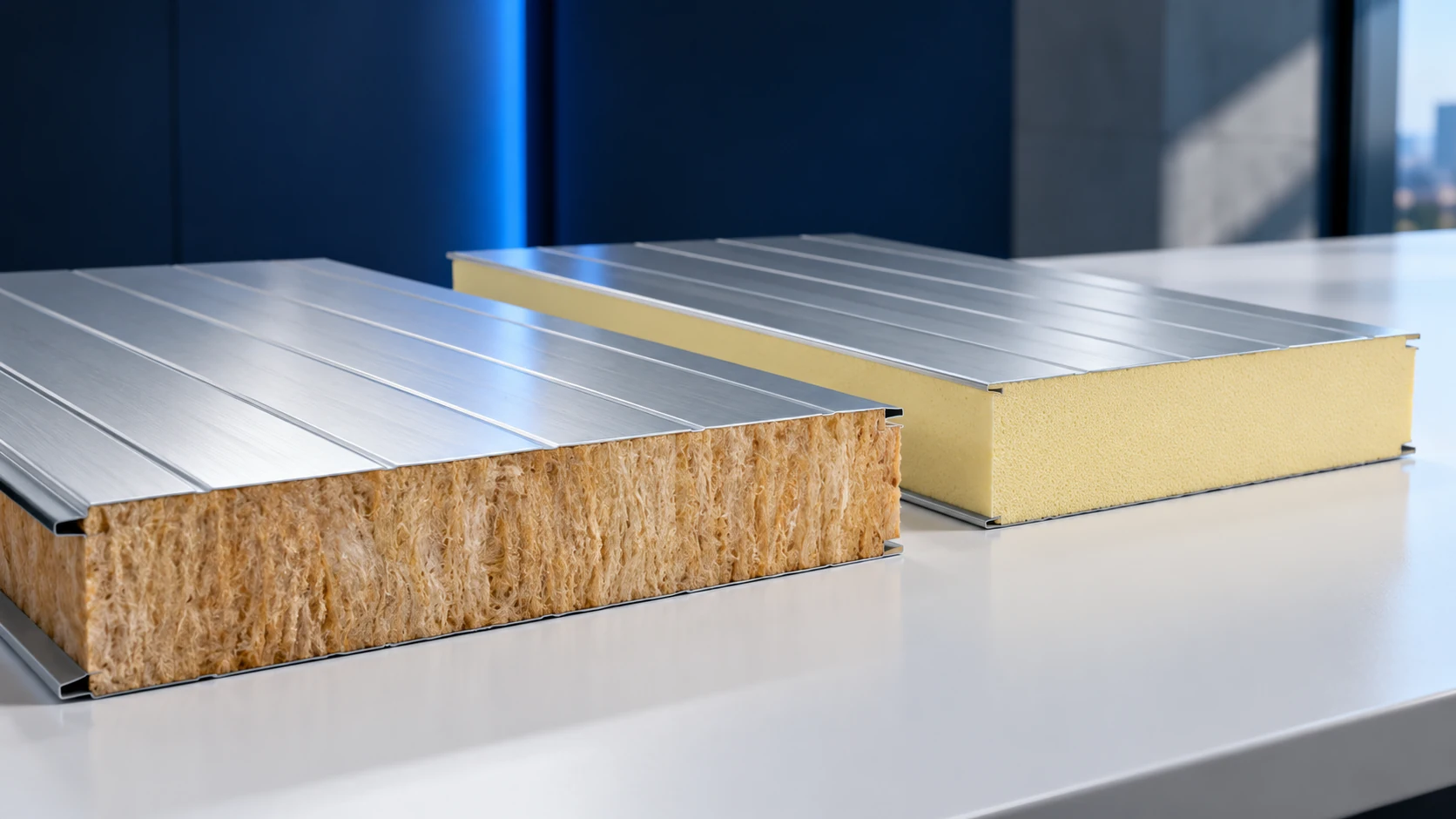
PIR generally achieves a low U-value with less thickness, while mineral-wool sandwich panels may suit particular fire requirements better. Neither is the…
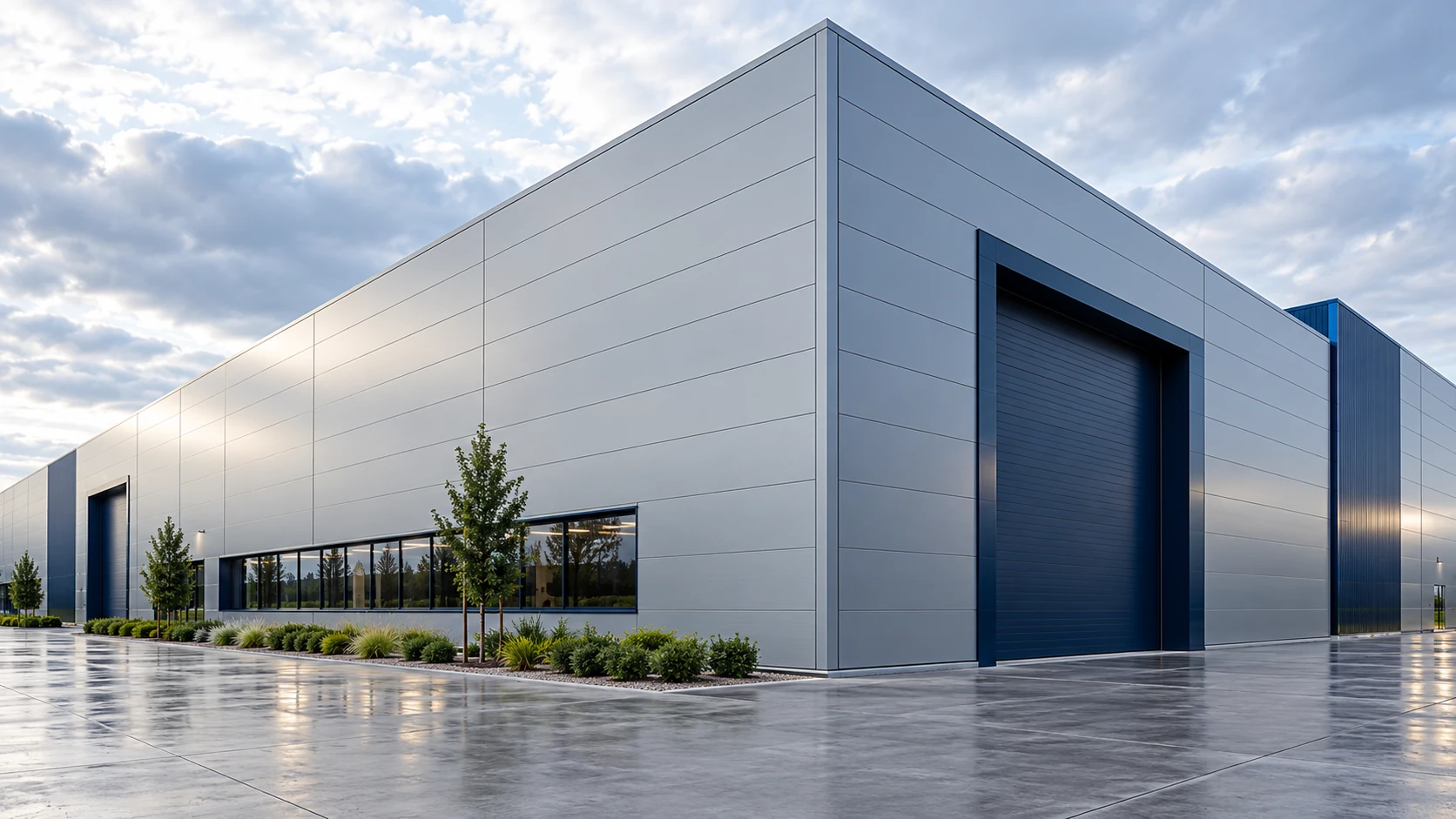
Mineral-wool sandwich panels can be useful where fire performance and efficient cladding installation are important. They may form walls of industrial buildings,…
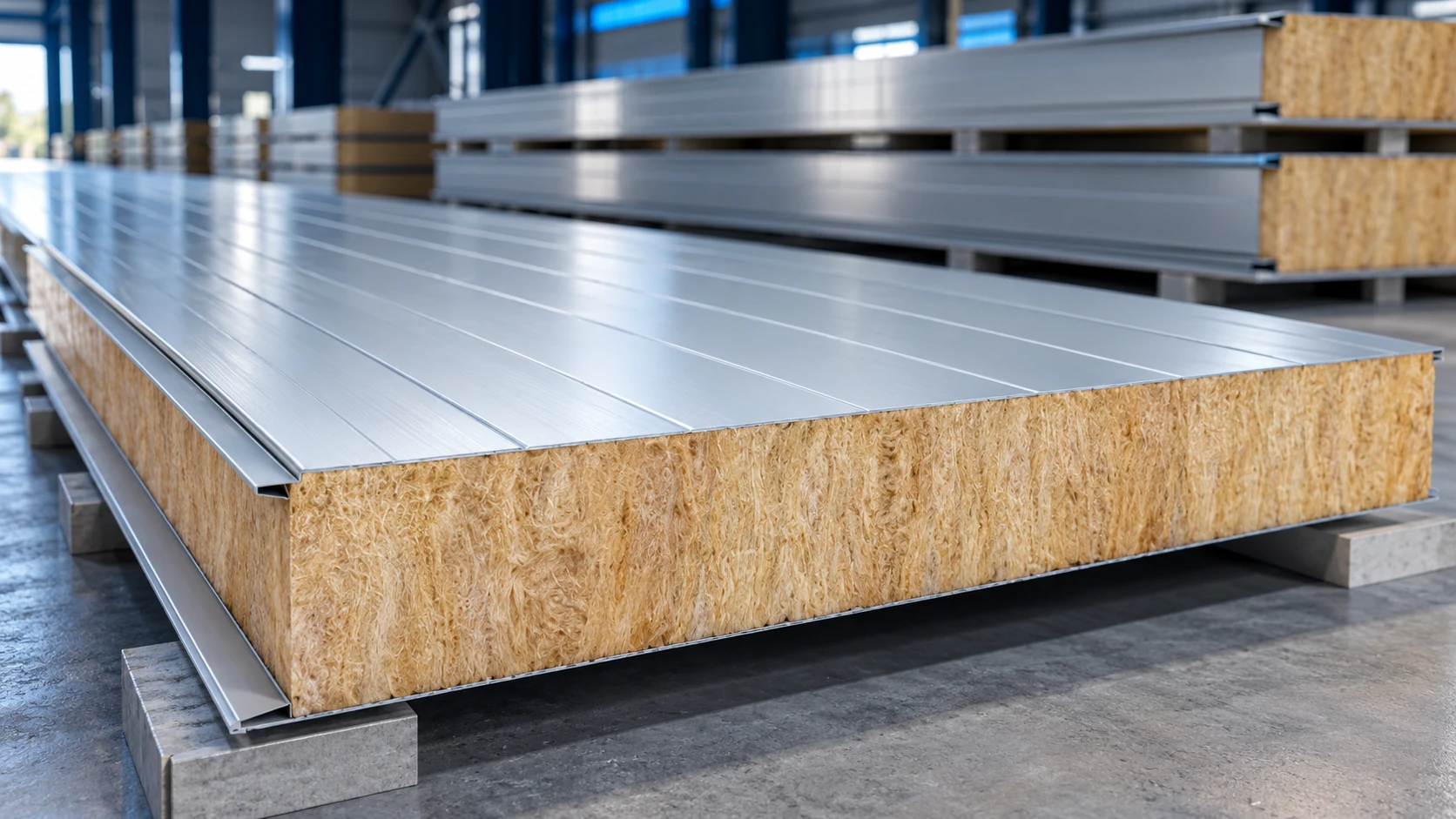
Outlet mineral-wool wall panels can reduce cladding costs if the reason for their lower price is understood. Surplus stock and a panel…
The right mineral-wool wall panel is the one that meets the building's requirements, not necessarily the thickest or most expensive option. Start…
A mineral-wool sandwich panel can reduce sound transmission, but the performance belongs to the specific product, not the core material alone. Distinguish…