






Inspecting a metal roof after winter: what to check
Renovation and maintenance
A post-winter metal-roof inspection should combine drainage, joint and coating checks with observations inside the building. A stain does not always mean a hole in a sheet, and rust may come from a metal shaving left on the surface. This guide identifies observations that can be made from the ground and details for a suitably equipped crew to inspect. It covers gutters, flashings, fixings, rooftop installations and the distinction between leakage and condensation. It also explains recording changes and prioritising repairs. The aim is to identify causes before sealing or painting, while observing safety requirements and the covering manufacturer’s guidance.
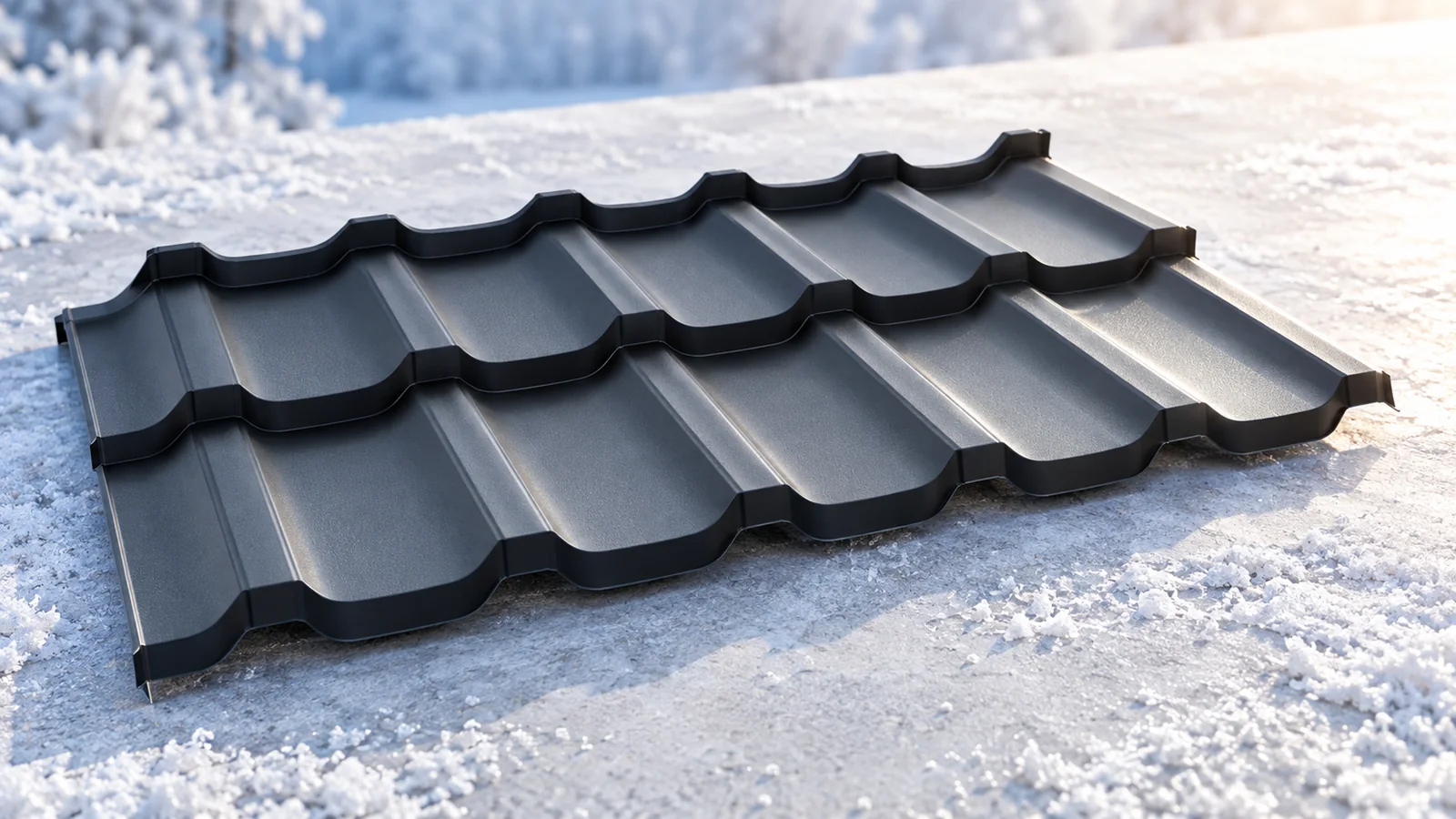
What can be seen from the ground?
View the building from several sides for raised corners, bent flashings and changes in the gutter line. Stains beneath eaves or on walls may indicate overflow or drainage trouble. Photographs from the same position as earlier images make shifts easier to recognise than memory alone.
Ground-level observations cannot cover every joint. Do not improvise access by leaning from a ladder, particularly beside a wet or icy roof. Visible structural deformation or a large loose component requires securing the affected area and specialist assessment, not cosmetic repair.
How should gutters and outlets be checked?
Check drainage continuously from gutter through outlet and downpipe to discharge at ground level. Leaves and branches can block several locations. Water standing near a bracket may also reflect altered fall or deformation rather than debris alone.
Protect the coating during cleaning, do not chip ice from gutters and never use them to support a person. On parapet roofs, check outlets and emergency overflows. A blocked primary drain can allow water to accumulate and add roof loading.
Where is damage most likely to appear?
Prioritise valleys, ridges, verges and chimney areas for closer inspection. Moving snow can press on projecting parts, bend details and load fixings. Include ventilators and brackets supporting roof-mounted equipment.
Assess each fixing with its washer, hole and sheet joint. Do not tighten every screw as a precaution: a crushed gasket or elongated hole may need a different repair. Random sealant cannot restore the proper mechanical function of a loose connection.
Do attic stains always mean a leak?
Record whether moisture appears after rain, during frost or during thaw. Leakage, condensation or both may be responsible. Investigate internal airtightness, ventilation and insulation continuity rather than immediately replacing the sheet above a stain.
Pay particular attention to penetrations, roof windows and wall junctions. Do not cover wet insulation without identifying the source and assessing how it can dry. Heated sandwich-panel garages also need careful examination of panel joints and roof-to-wall connections.
How should coating condition and dirt be assessed?
Distinguish leaf and bird contamination from corrosion of the covering itself. A rusty spot can come from a shaving left on the sheet without indicating perforation, but its cause needs removal. Check cut edges and previously touched-up or repaired areas too.
Choose cleaners compatible with the coating and manufacturer’s instructions. A hard brush or strong jet directed beneath a lap can worsen the roof’s condition. Small defects require suitable preparation and repair material; larger repainting work needs prior assessment of the existing coating’s adhesion.
What should be checked around roof installations?
At antennas and PV systems, check snow and wind effects, cable routing and drainage. A cable rubbing against steel or a displaced bracket needs a proper system assessment. Do not randomly dismantle installation components to inspect the covering.
For later additions, consult installation records and earlier photographs. A new stain may relate to a service penetration, but proximity to equipment alone does not prove the cause. Comparing details and the timing of symptoms helps identify the repair location.
How can inspection findings become a repair plan?
For each defect, record the suspected cause and proposed action: cleaning, seal repair or component replacement. Take both an overview and a close-up, with the date. This supports contractor discussions and comparison at the next inspection.
Falling-component hazards and active leaks need urgent attention; other work can enter the maintenance schedule. Set inspection frequency according to instructions and surroundings. Trees and industrial contamination may require closer monitoring than a comparable roof in open terrain.

Free quote
What to include in your enquiry
Tell us how you plan to use the material, the dimensions and the quantity you need. Include the thickness, grade or variant name, along with the delivery town or your preferred collection branch. For a specific product, add its name or a link to the product page. We will reply to the email address you provide to discuss availability and the terms of your order.
More from the building guide
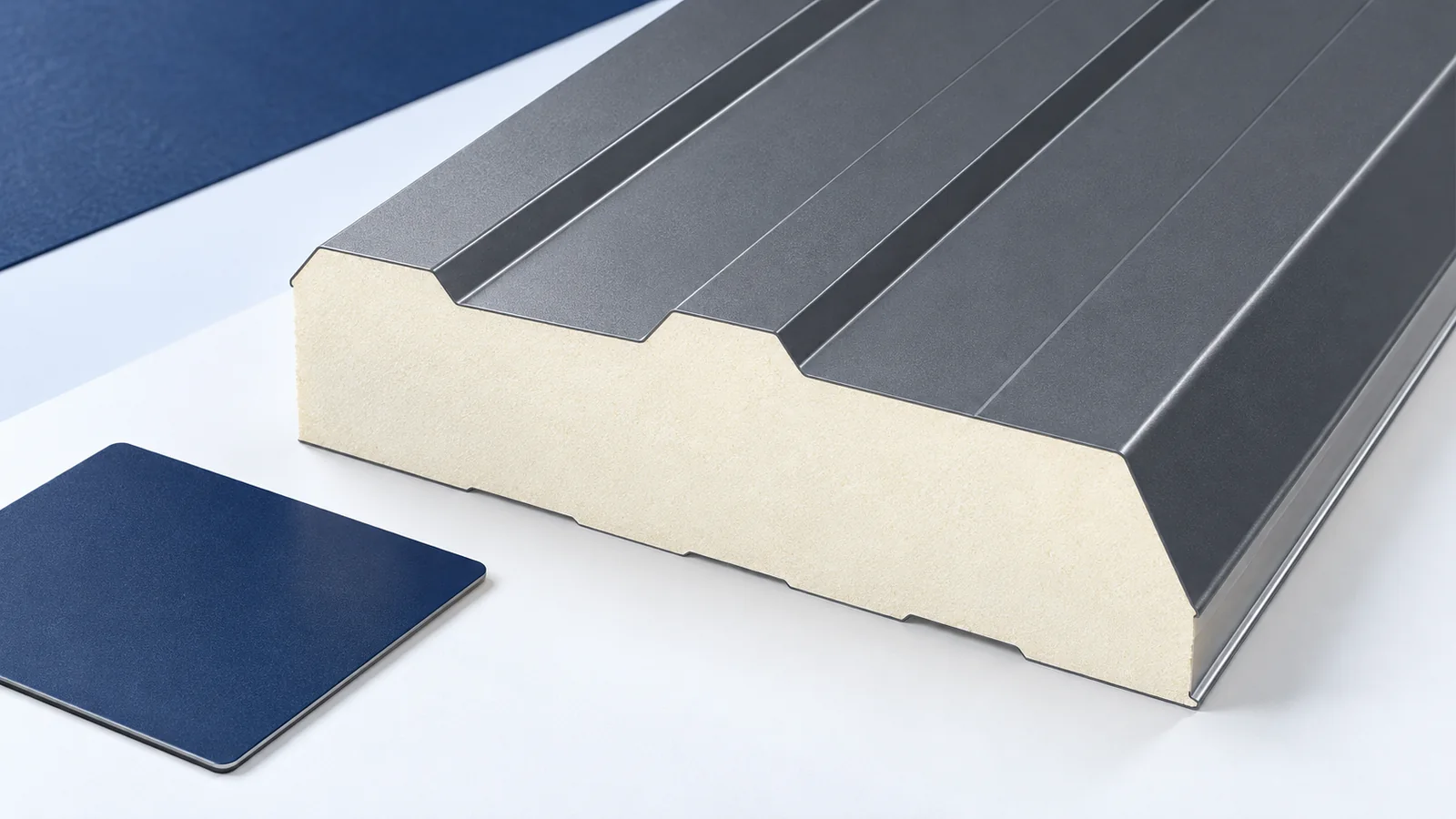
Design a hall roof around internal conditions and support layout, not the cheapest square metre of covering. An unheated shelter, warm workshop…
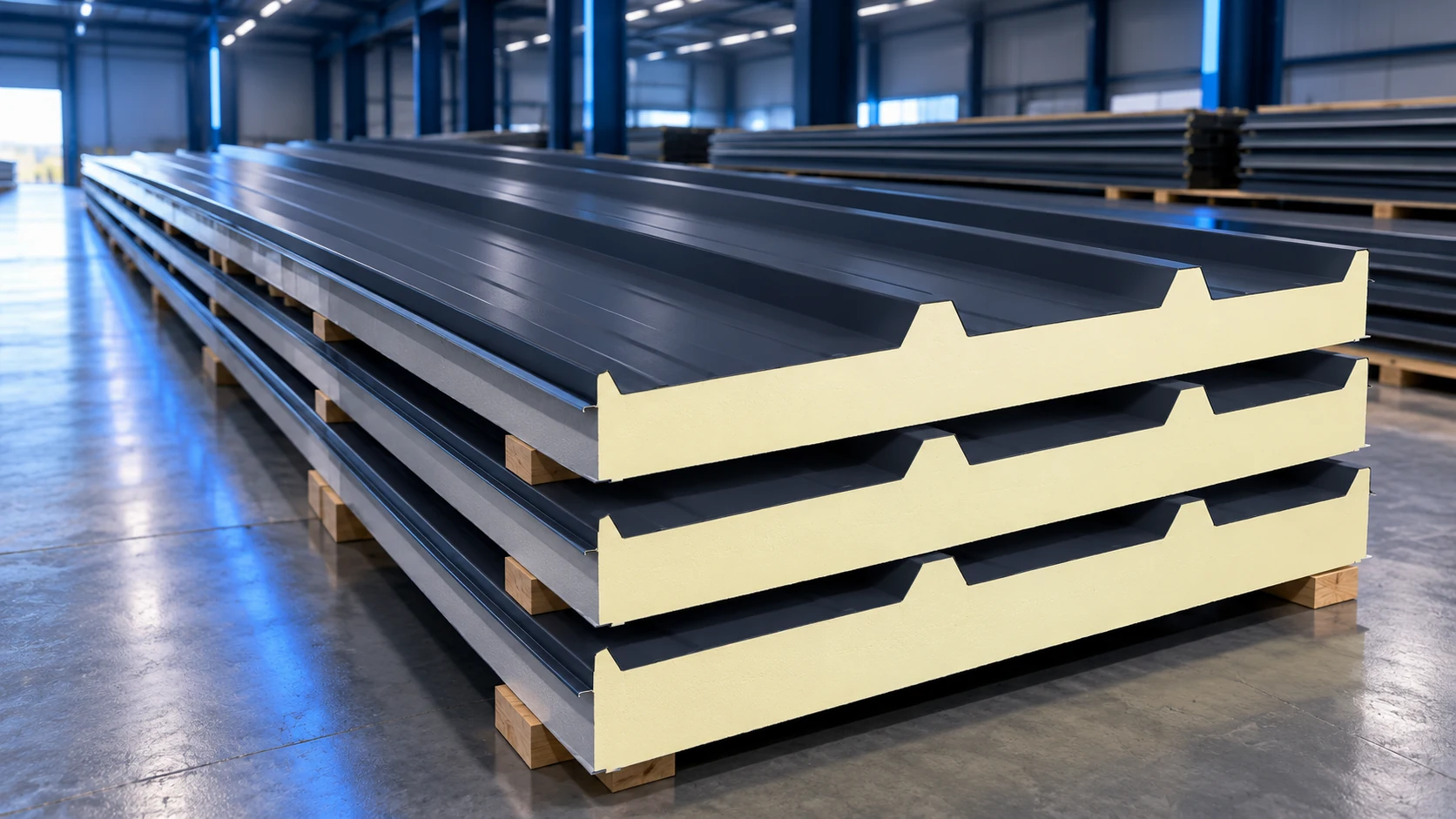
A manufacturer's production length range is not a stock list. A roof panel may be made to order at 18 m yet…
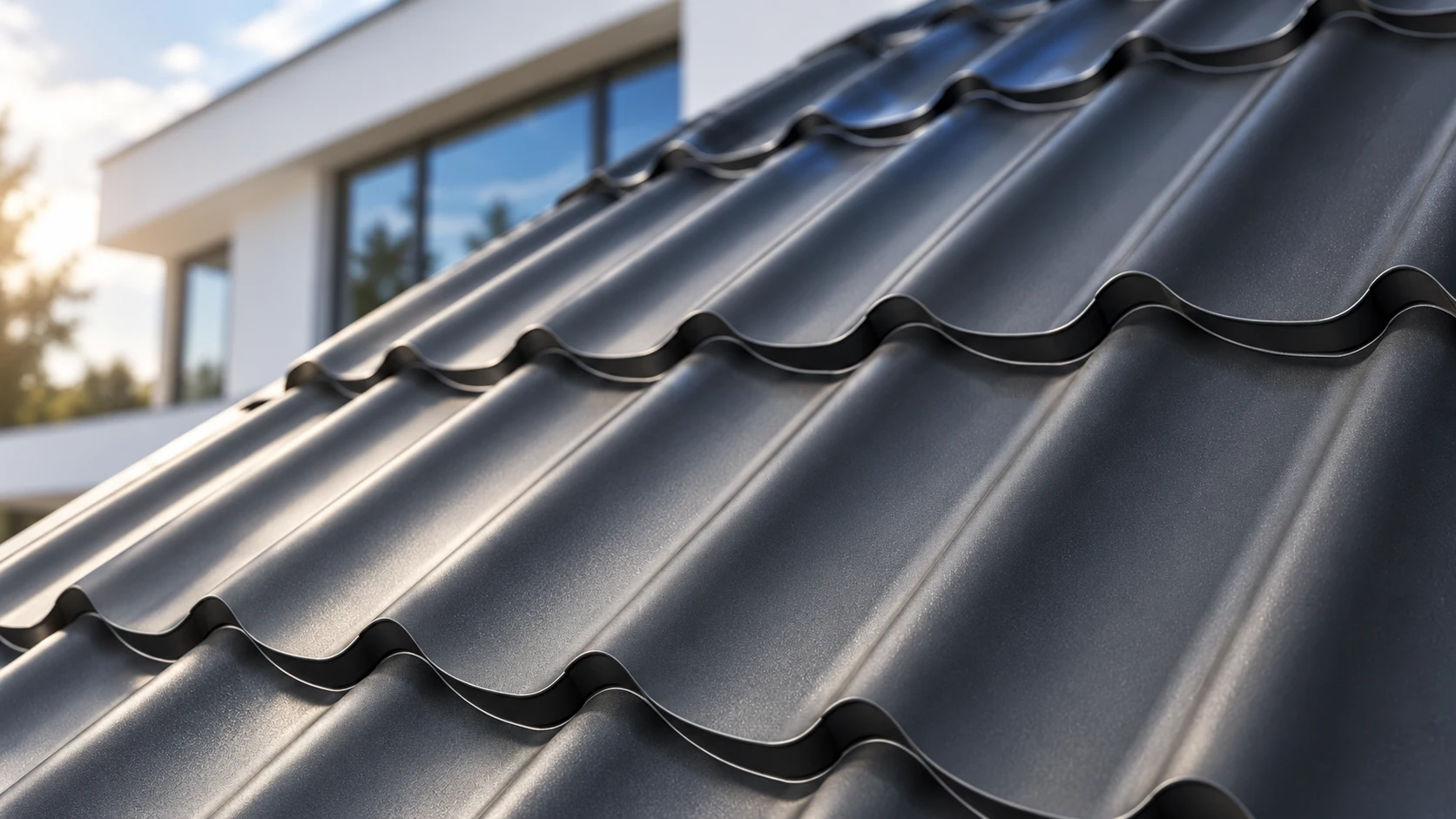
Steel tile-effect roofing is generally much lighter than clay tiles, but weight alone does not determine the cost or durability of a…
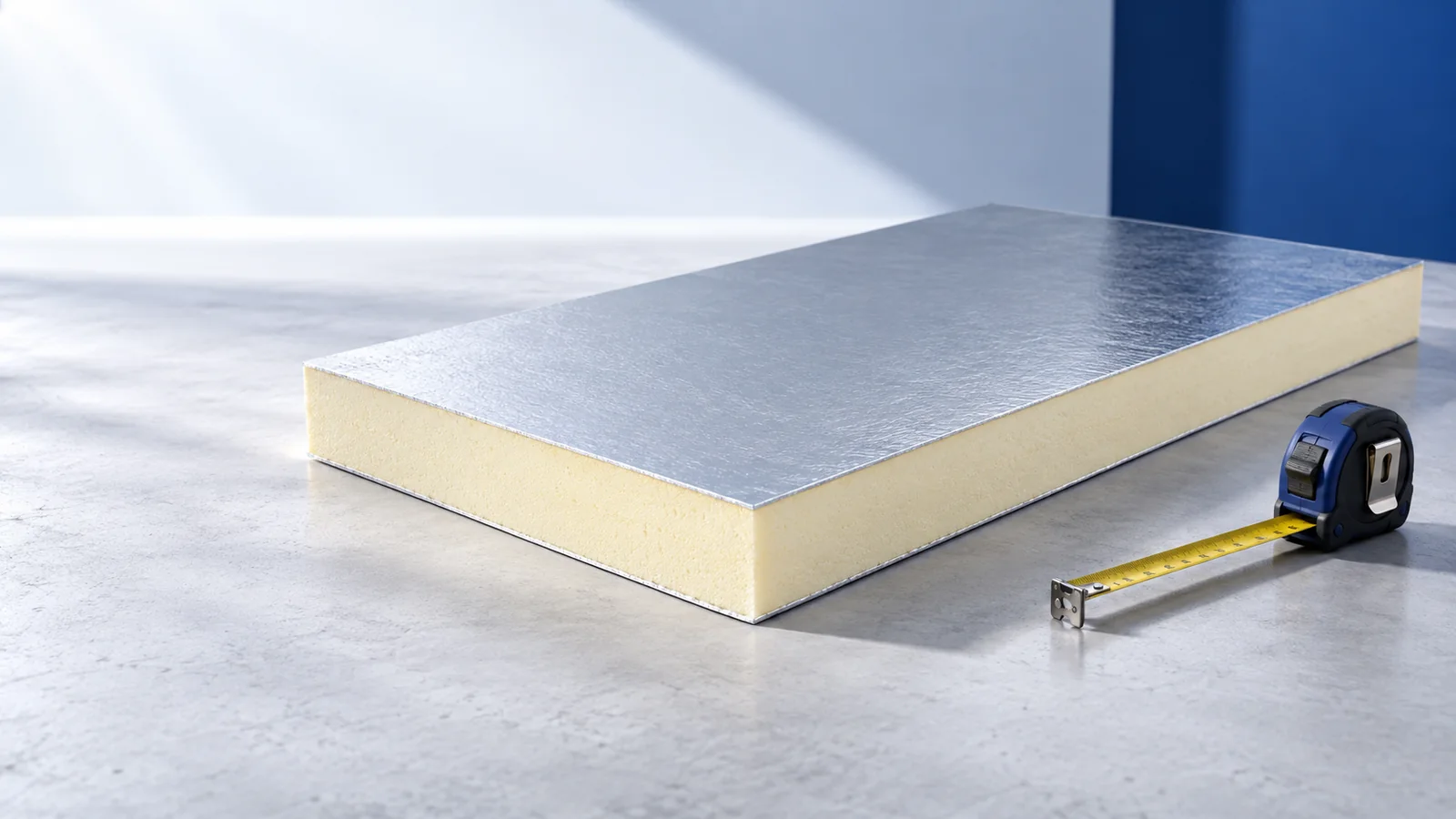
Effective roof insulation forms a continuous boundary around heated rooms, rather than merely a thick layer across the middle of a slope.…
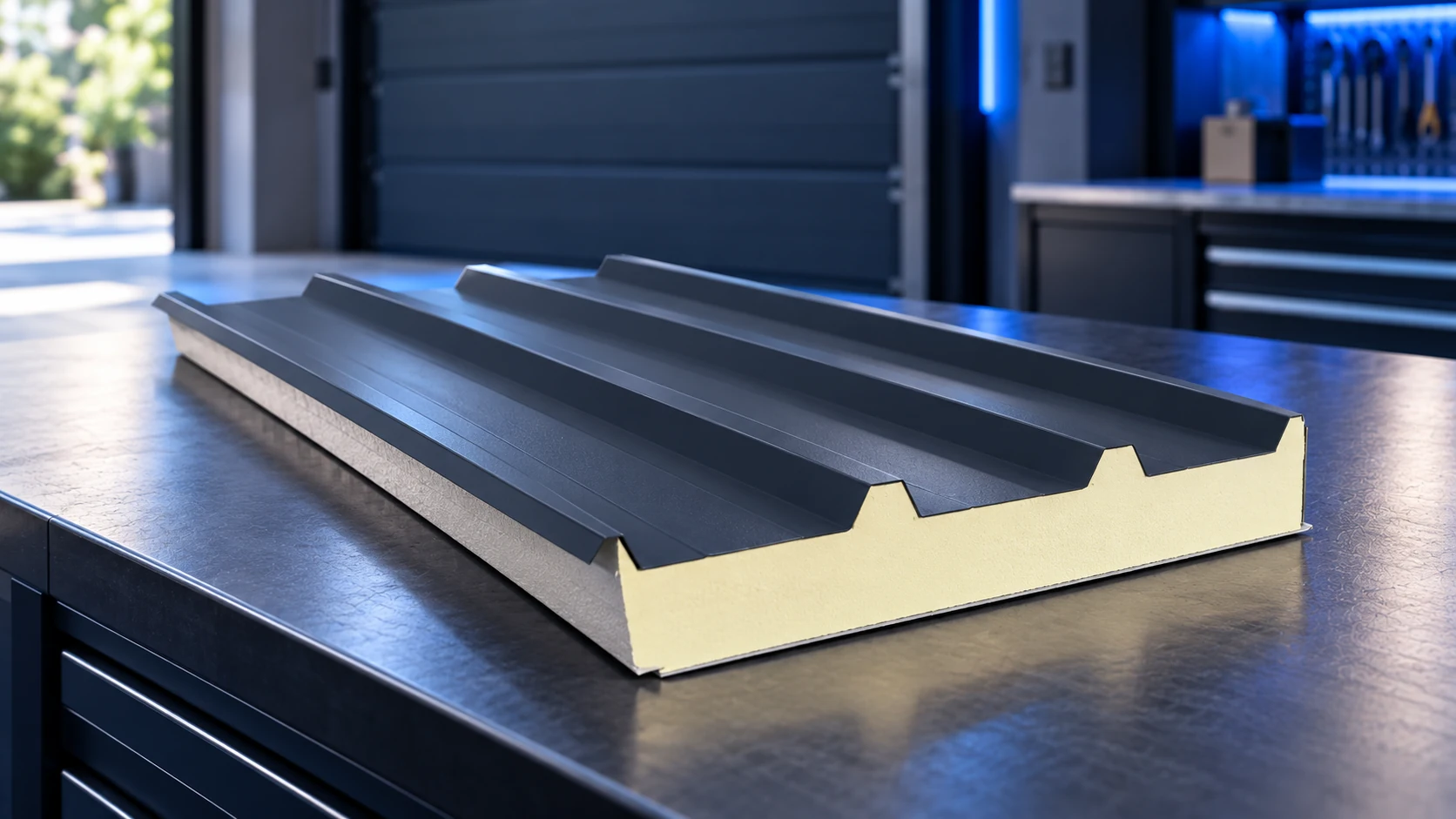
The right PIR sandwich-panel thickness for a garage roof depends first on whether the garage will be heated. Thermal requirements, support spacing…
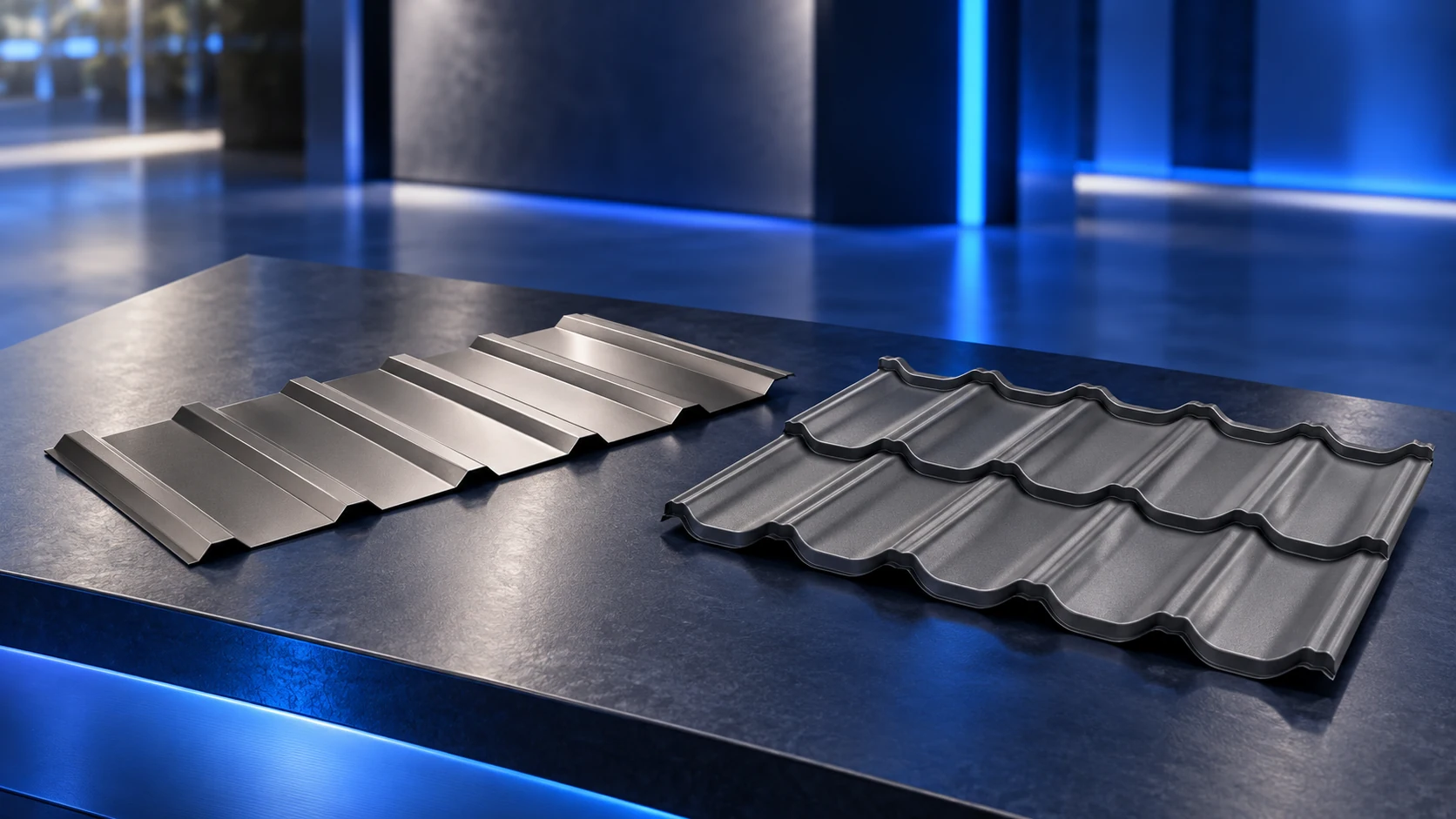
Both steel tile-effect sheets and trapezoidal profiles can form a reliable roof when they suit the design and are installed correctly. Tile-effect…
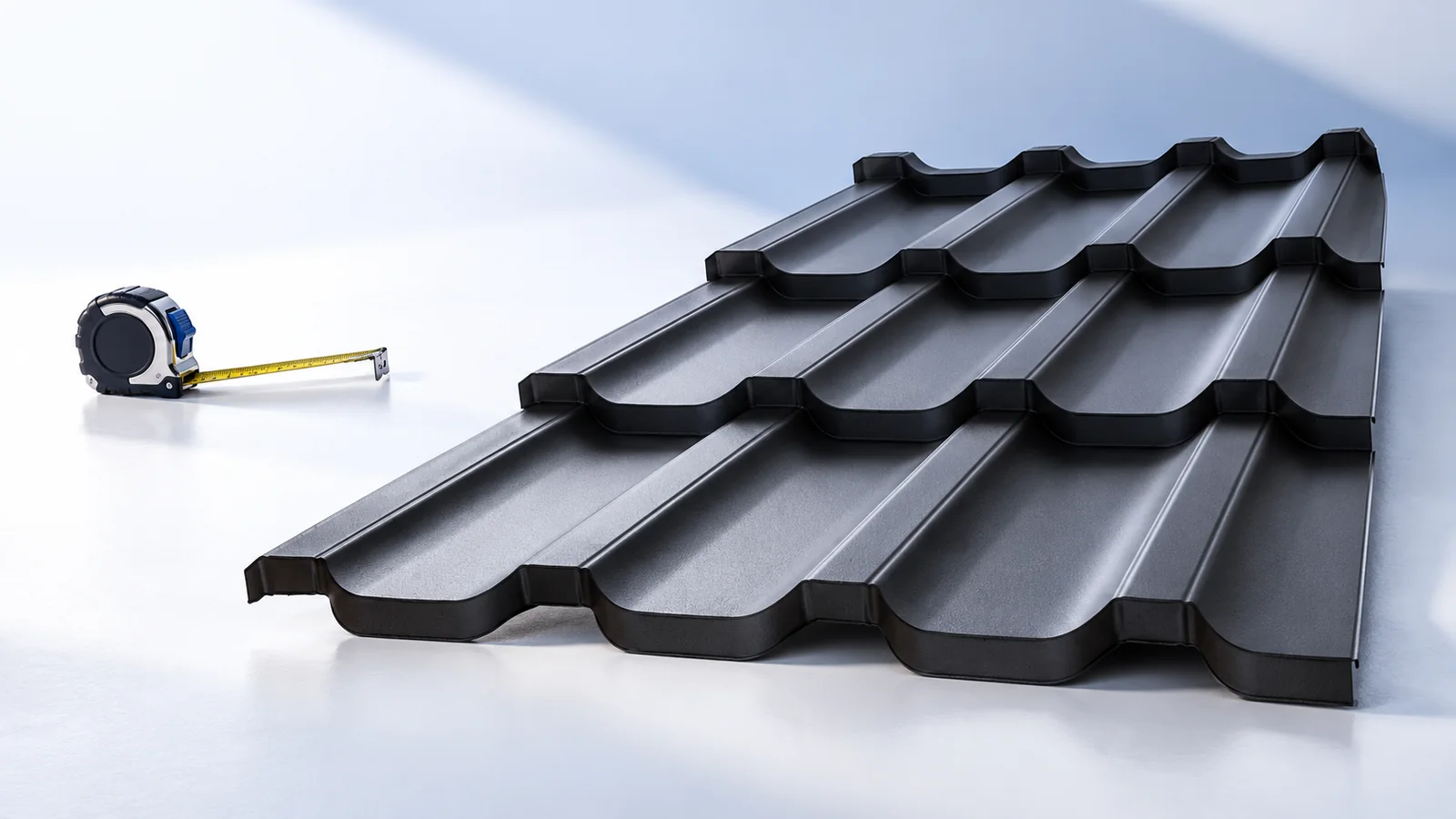
A steel-tile roof's appearance combines profile proportions, colour, texture and installation accuracy. Choosing cut-to-length sheets or modules is only one decision. Long…
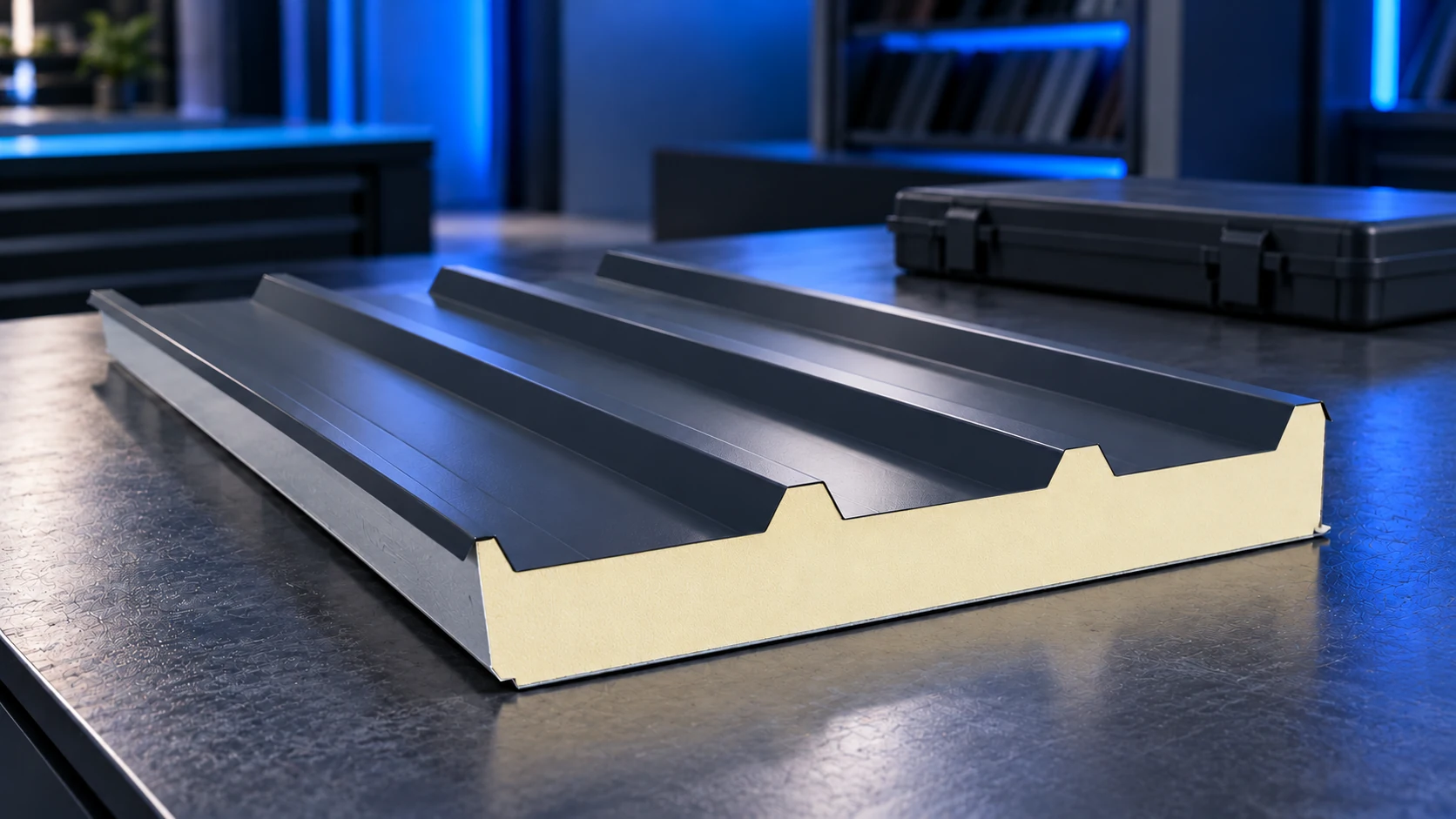
Choose roof sandwich-panel thickness by checking the building's internal conditions and thermal target first, then structural capacity, joints and the scope of…