






How long do mineral-wool sandwich panels last? Factors that affect service life
Sandwich panels
There is no single service-life figure for every mineral-wool sandwich panel. Conditions in a dry warehouse differ from those in a plant with aggressive fumes, and installation quality matters as well. A properly selected panel can remain in service for a long time, but this does not justify promising every building 30 or 50 repair-free years. This guide considers the whole panel, including steel facings, coatings, joints and fasteners. It explains how environment, handling, inspection and maintenance affect durability, why a warranty is different from service life, and how condition-based assessment can guide repairs without relying on a general advertising claim.
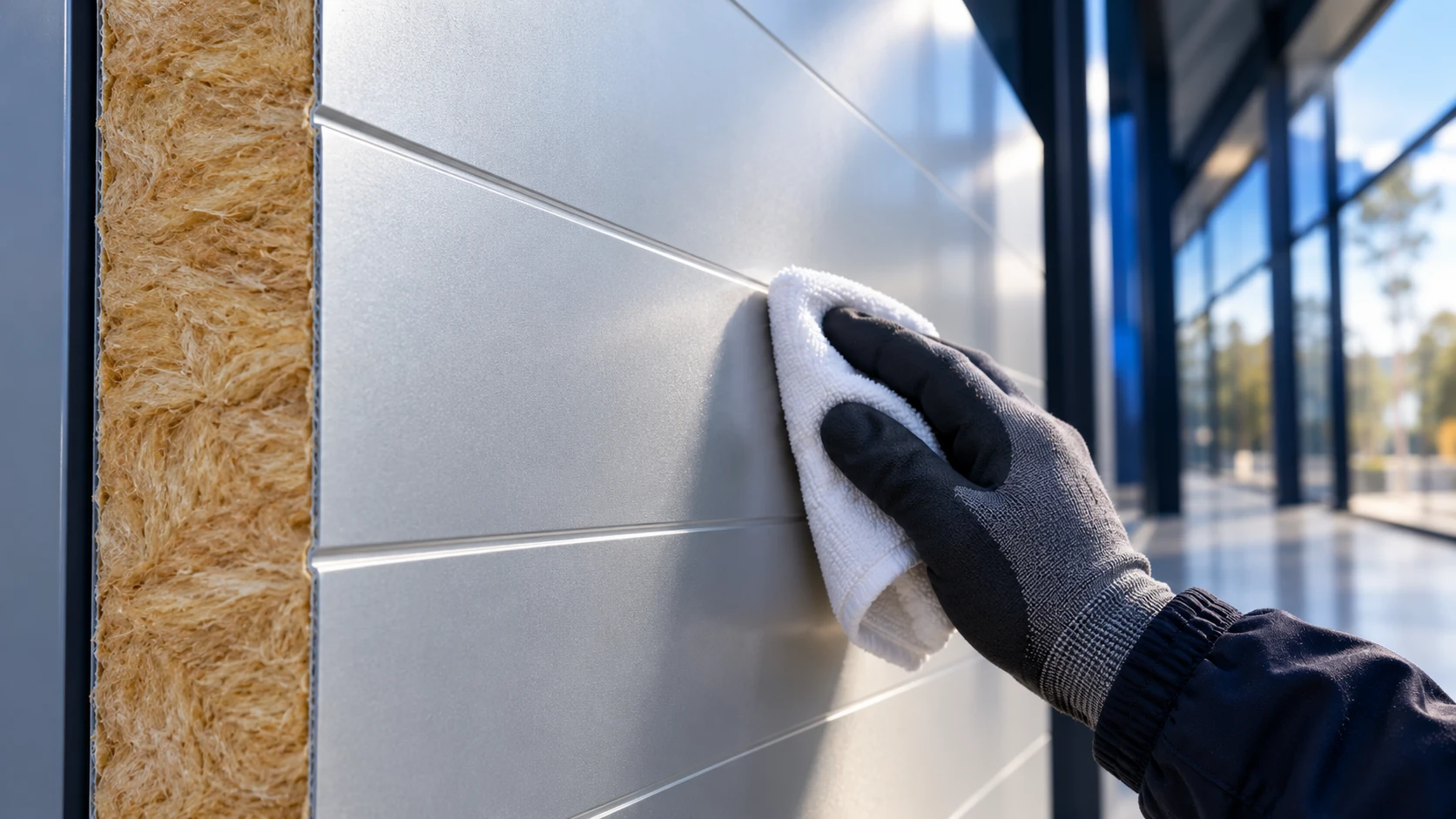
A panel is more than its core
Mineral wool contributes to thermal and fire performance. Cladding durability also depends on the steel, coatings, bonding, joints and fasteners. Failure of a small component can allow water into places invisible from ground level. Assessing the wool alone is therefore insufficient.
Steel facings may have metallic protection and an organic coating. Both layers influence corrosion resistance. The time until major surface refurbishment is not the same as the time until the entire panel needs replacement. Damaged fixings or flashings can also admit water into a panel. Inspections should therefore extend beyond the main façade surface.
Match the coating to its environment
Facing coatings differ in more than colour. Dry warehouses, agricultural buildings and food-related rooms can have different requirements. Selection depends on conditions on both sides of the wall. Not every coating suits frequent washing or aggressive fumes. Confirm its intended use before ordering.
How to describe the environment to a supplier
State humidity conditions, cleaning methods and cleaning chemicals in the enquiry. Mention any process fumes inside the building. External exposure matters for a coastal site, while the inner face can be equally important in a regularly washed production hall. The name “mineral-wool panel” answers none of these questions.
Installation can cause lasting damage
Cutting steel with an angle grinder damages protection around the cut, and hot swarf can harm neighbouring surfaces. Overtightening a screw deforms the facing. An inadequately supported panel can distort. These mistakes do not always cause an immediate leak.
Before installation, check the structure and establish the correct fixing method. Use cutting tools that do not overheat the steel. Inspect these operations before the details are concealed. Checks after construction are harder because flashings and services may cover the joints. Early detection usually makes repair easier.
An annual inspection is a starting point
Plan a cladding inspection at least once a year unless service conditions require more frequent checks. Combine it with inspections of gutters, flashings and fixings. Severe storms or service failures may warrant additional checks. Adjust cleaning frequency to the coating and deposits. Record defects and repairs; dated photographs help track changes.
Cleaning should remove deposits without damaging the coating. Avoid abrasives. After using an approved detergent, rinse thoroughly with clean water. Do not choose concentration or pressure solely by how dirty the surface is. Check the facing’s requirements first: a stronger chemical can damage it even if it removes a stain quickly.
Warranty and service life answer different questions
A warranty defines coverage and the conditions for retaining it. Technical service life concerns a component’s ability to continue functioning. The warranty period is not automatically a maintenance-free operating period. Its expiry does not mean the panel must immediately be replaced either.
Ask about required inspections and permitted repairs when buying. For an older building, assess condition rather than its year of construction alone. Check corrosion, coating adhesion, delamination and joint tightness. Obtain a technical inspection if uncertain. This provides a better basis for budgeting than a general number of years taken from advertising.
When to plan a repair
Rust-coloured marks, detached coating and open joints need their causes established. Not every stain is corrosion of the facing itself; it may come from swarf left behind. Conversely, a small gap can matter more than a large dirty patch. Remove the cause first, then choose how to restore protection.
Do not repaint a whole façade with an arbitrary coating. The new layer must be compatible with the existing one. Identify its material and the required surface preparation first, then select a suitable repair system. This reduces the risk of using paint that looks good when dry but soon loses adhesion. Major refurbishment should begin with a technical assessment.
Separate the maintenance budget into inspections, minor repairs and future refurbishment. This does not require a promise of a particular lifespan, but it does require regular knowledge of the building’s condition.
Frequently asked questions
Is mineral wool the only factor determining durability?
No. Facings, coatings, fasteners and joints matter greatly. Assess the complete panel and how it is used.
How often should the cladding be inspected?
Plan at least one inspection a year. Building conditions, coating requirements or weather events may justify more frequent checks.

Free quote
What to include in your enquiry
Tell us how you plan to use the material, the dimensions and the quantity you need. Include the thickness, grade or variant name, along with the delivery town or your preferred collection branch. For a specific product, add its name or a link to the product page. We will reply to the email address you provide to discuss availability and the terms of your order.
More from the building guide
A garage clad with sandwich panels can be assembled quickly, but its cost depends on the complete building. Budget separately for foundations,…
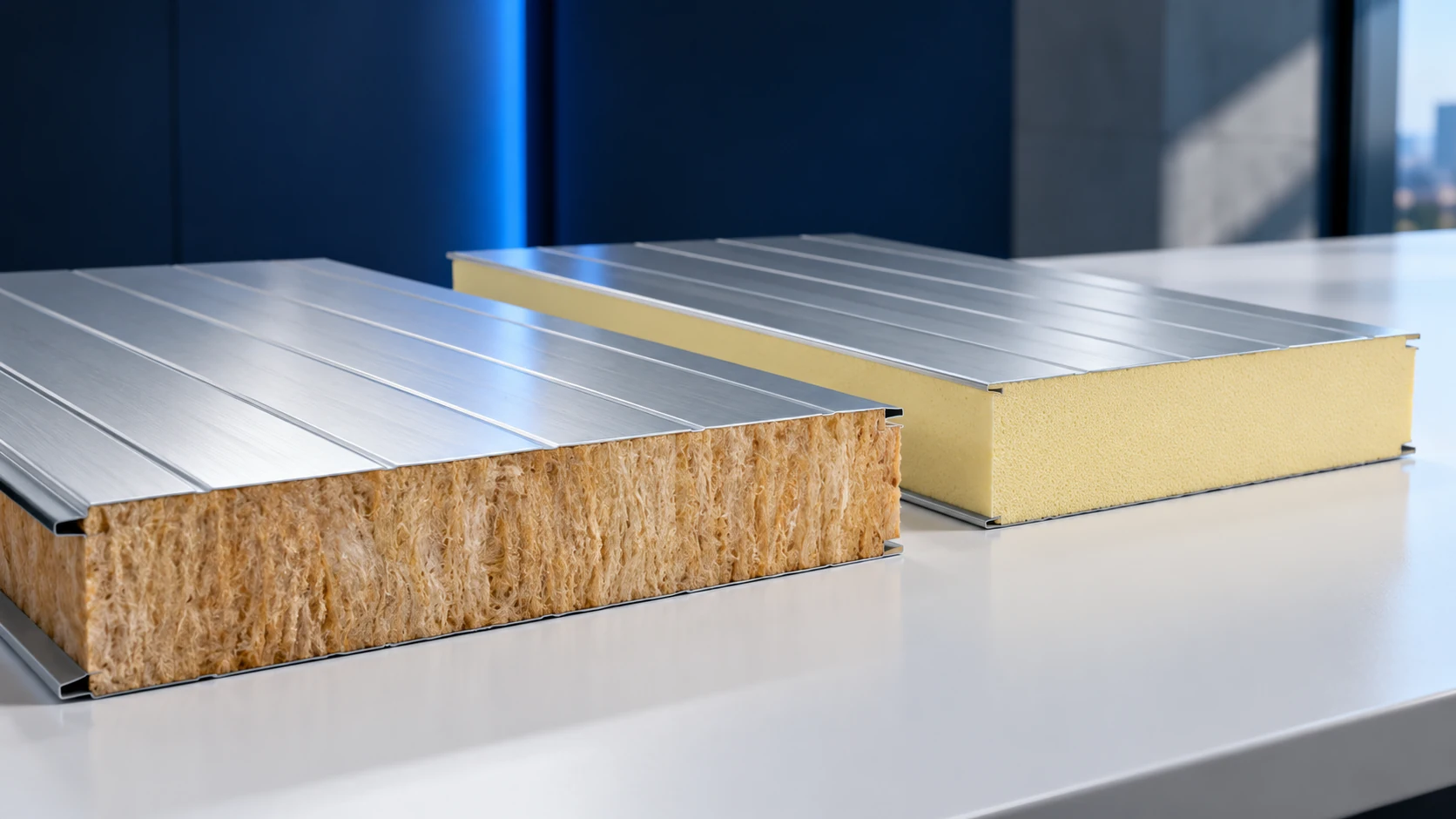
PIR generally achieves a low U-value with less thickness, while mineral-wool sandwich panels may suit particular fire requirements better. Neither is the…
Water on a sandwich panel can be condensation rather than a roof leak. Warm, moist air releases water when it meets a…
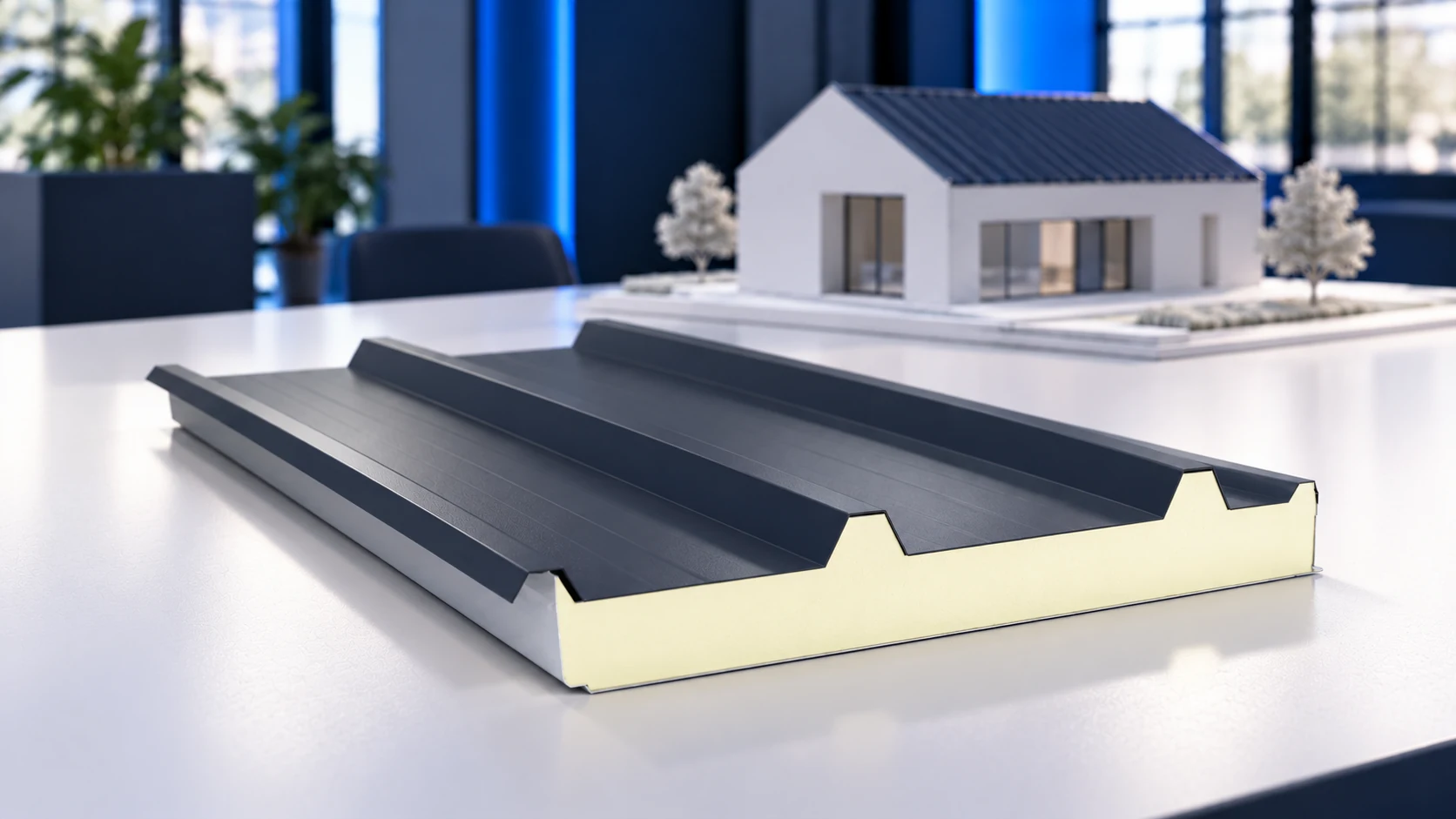
The price of sandwich panels is not the price of a house. A complete budget depends on foundations, supporting structure, building services,…
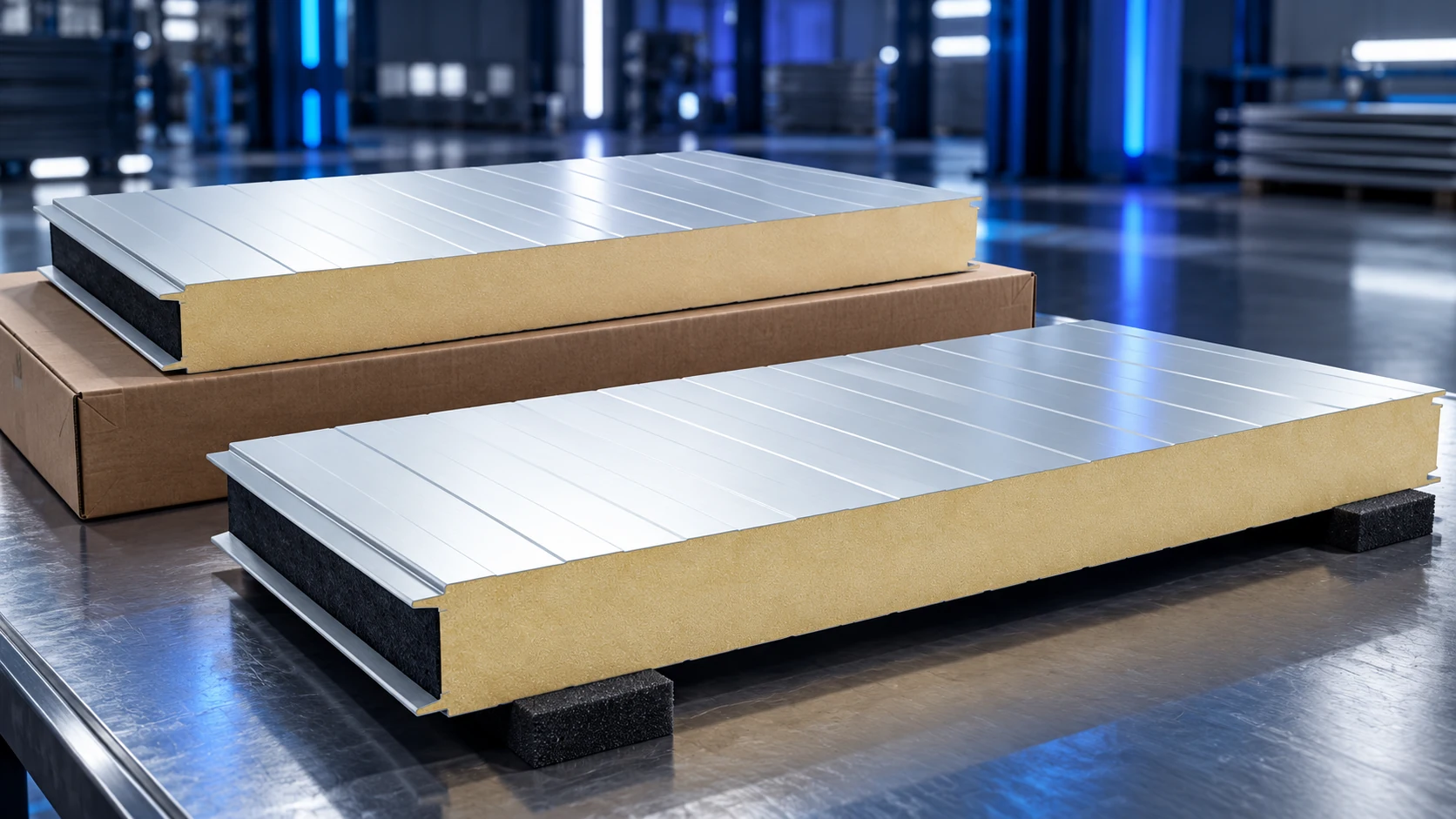
First-grade sandwich panels make it easier to order a defined configuration and appearance. Outlet stock can reduce purchase costs, but its value…
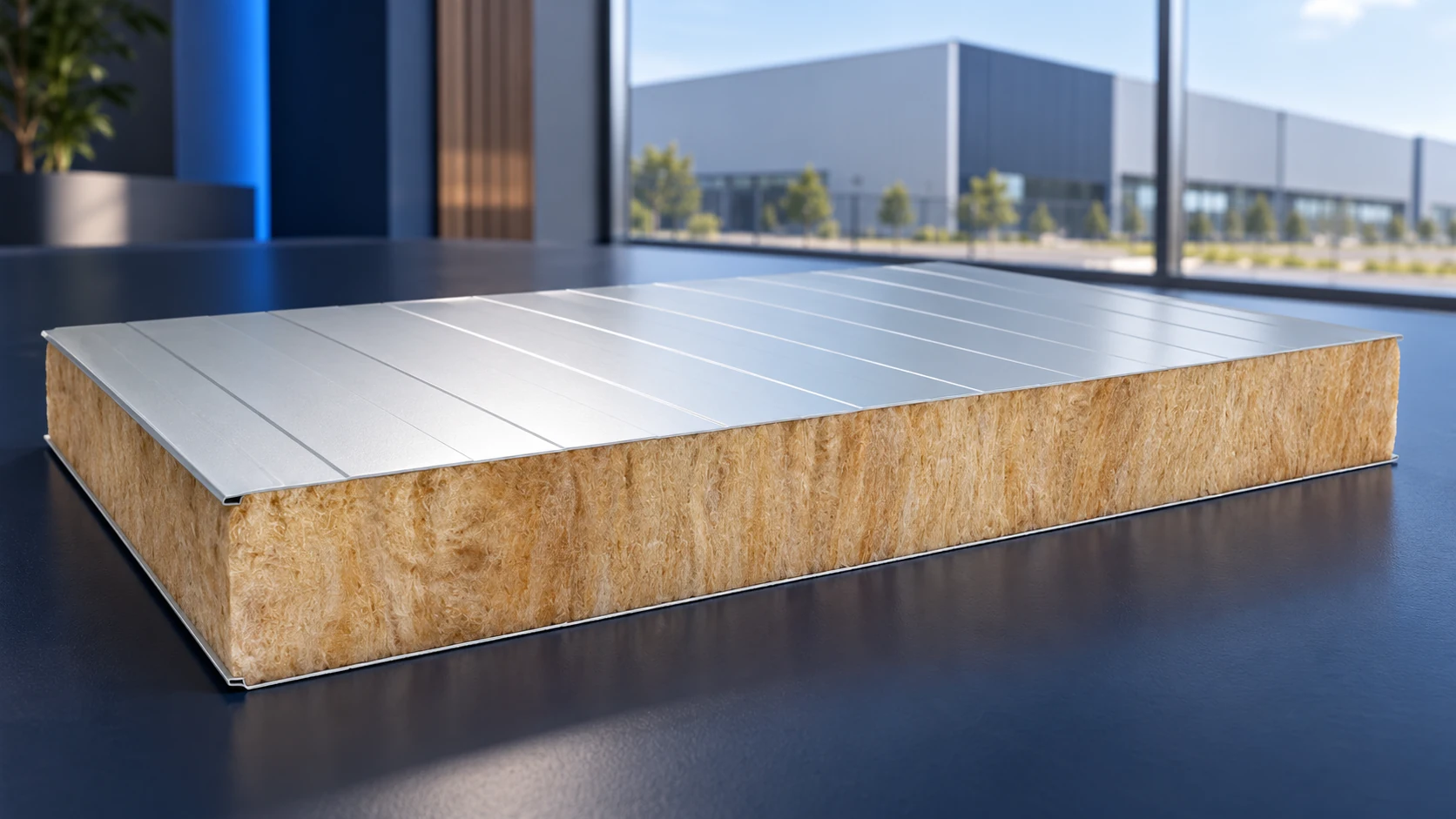
“Płyta obornicka” is a colloquial Polish term used in offers for sandwich panels. It does not identify one model or a complete…
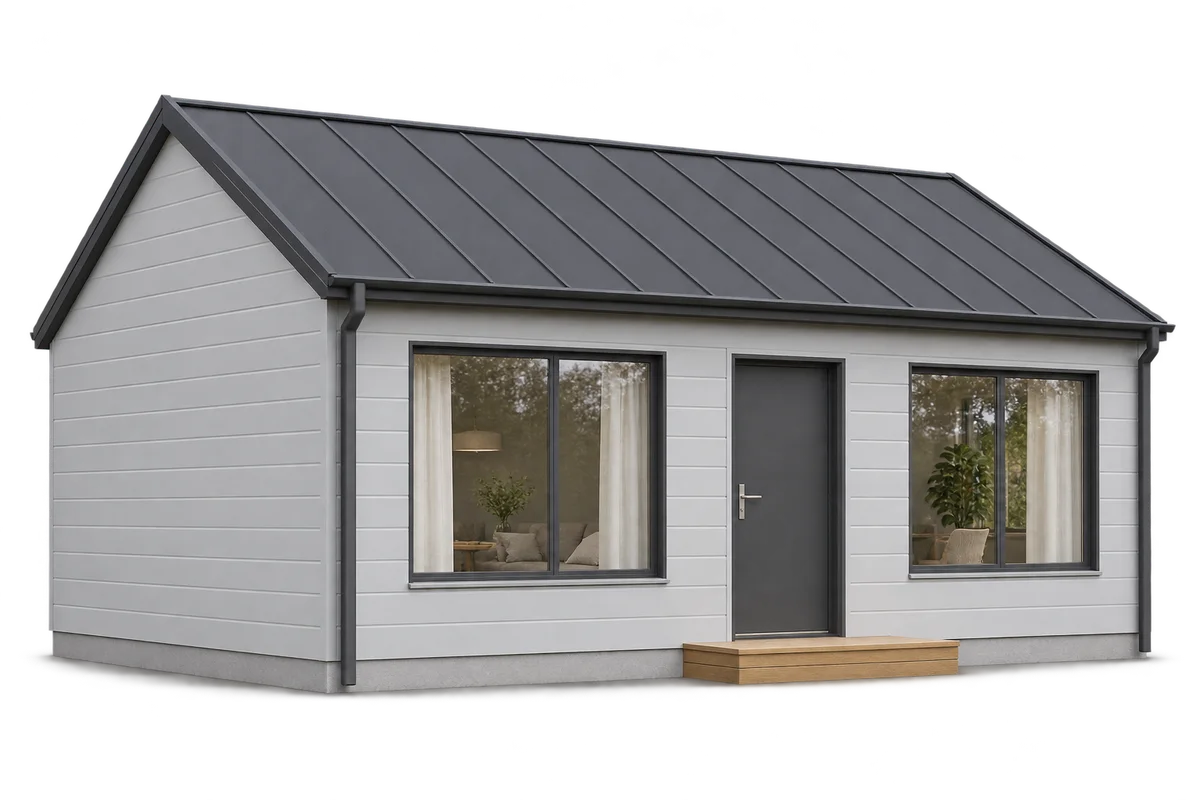
After a sandwich panel home is completed, the owner needs information about the envelope actually installed, its connections and its care requirements.…
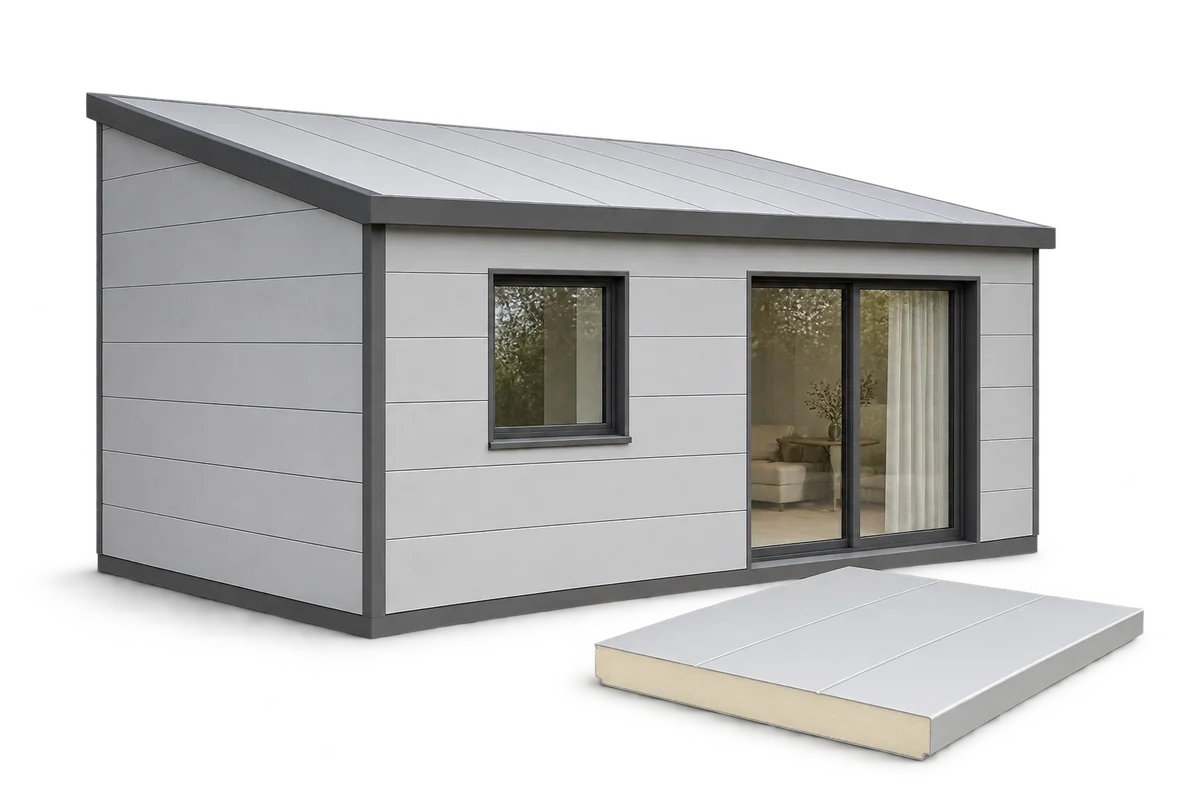
Sandwich panels can form the walls and roof of a home, but the panels alone do not make a complete building system.…