






How to choose trapezoidal roofing sheets and calculate the complete cost
Roofing sheets
Choosing trapezoidal steel roofing starts with the roof: its pitch, supports, loads and intended use. Those requirements determine a suitable profile and sheet thickness before coating, anti-condensation fleece and price are compared. This guide explains which dimensions and documents to collect, why nominal rib height alone does not establish capacity, and how to compare quotations using effective cover area. Include cutting waste, flashings, fasteners, seals and delivery in the calculation. The numerical rates below are worked examples rather than current selling prices. A low sheet price is worthwhile only if the specified roof system suits the building and can be installed correctly.
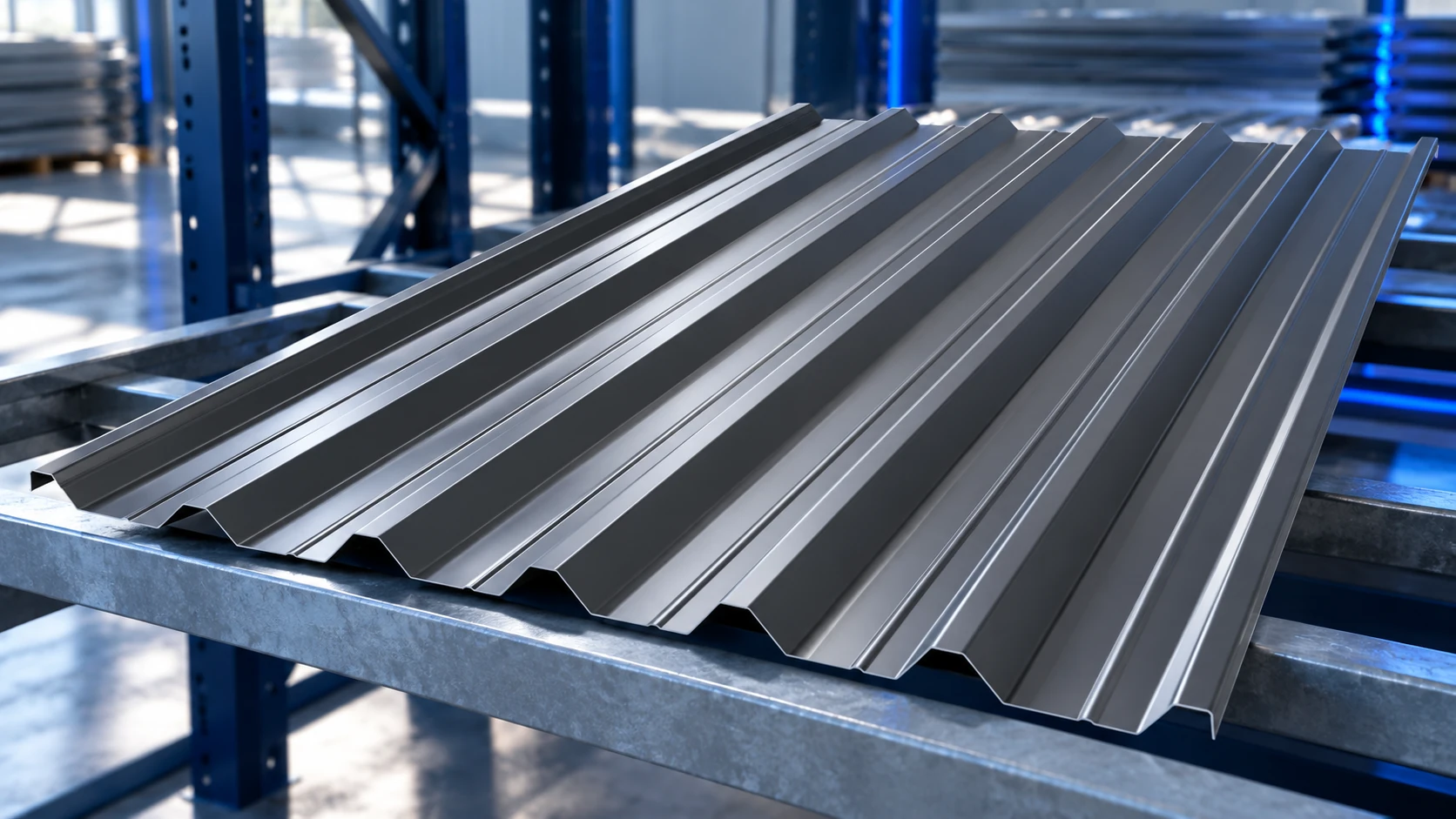
Collect the roof dimensions and conditions
Record eaves width, slope length and pitch. Mark chimneys, valleys, rooflights and penetrations. For refurbishment, measure existing supports and assess their condition. A building photograph cannot establish structural capacity. Location matters because it affects snow and wind loads.
Compare pitch with the requirements of the exact configuration. Some T18 roof profiles are intended for slopes from 6°, subject to specified laps and details. The figure 6° therefore does not describe a complete system and must not automatically be applied to another sheet with similar rib height.
Also specify whether heating is planned. A roof over a seasonally open store may require different layers from one over a heated workshop. Changing the use after buying the covering can create additional work; establish the intended use before obtaining quotations.
Select profile and thickness together
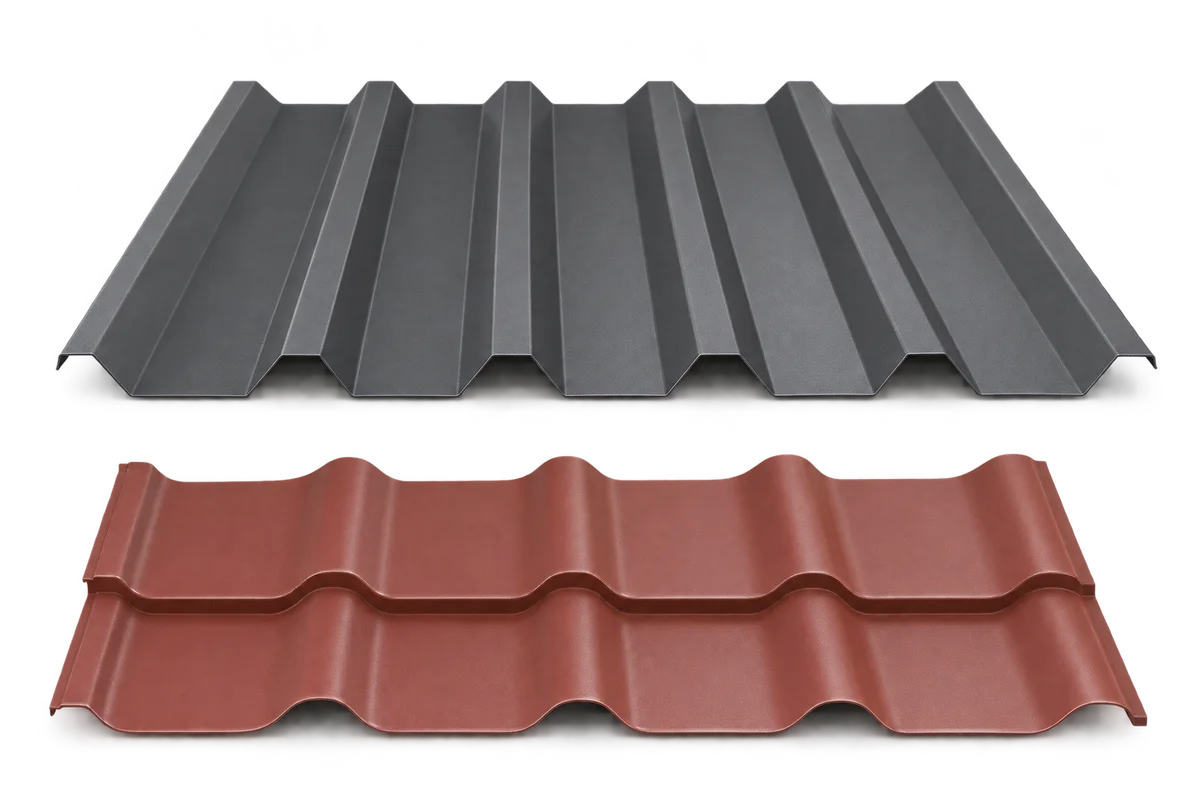
A higher rib may allow greater spans, but performance depends on the complete cross-section. One example T18 has 1128 mm cover width and 0.5–0.7 mm thickness. A particular T35 version has 1050 mm cover width and a 0.5–1.0 mm thickness range. These different configurations require their own calculations and sheet layouts.
Load tables distinguish span arrangements, thicknesses and deflection criteria. Do not choose batten spacing from the profile name alone. Nor does replacing 0.5 mm steel with 0.7 mm automatically make any existing substructure suitable: its capacity and connections require separate checks.
Check the coating on both sides
Choose the finish for the environment. A damp agricultural building has different requirements from a well-ventilated house roof. Colour or the word “matt” does not specify corrosion protection. Obtain the full coating designation and conditions of use, including those for the underside.
Coatings differ in properties and warranty coverage. Check the terms for the ordered version. An appearance warranty is different from a technical warranty, and its duration does not explain exclusions or required inspections. Permitted environments and procedures for repairing damage also matter.
Choose fleece to address a defined problem
Underside fleece can retain condensation and reduce dripping, but must be able to dry. Ventilation and suitable treatment of edges exposed to water wicking are necessary. Fleece is neither thermal insulation nor a universal substitute for a roofing underlay. Its suitability depends on the whole roof build-up.
A permanently heated building needs a fully designed roof build-up; an open shelter presents different conditions. Do not buy an anti-condensation layer simply because the extra cost seems small. First establish where moisture comes from and how it will be removed. Read more in our guide to roofing sheets with anti-condensation fleece.
Compare prices for the same area
For an illustrative calculation, assume PLN 36.34 excluding VAT per m² of T18 effective cover and PLN 39.73 for T35. Both examples use 0.50 mm steel with 25 µm polyester. The difference is PLN 3.39 excluding VAT per m². These are material-only calculation assumptions, not current selling prices, and exclude installation. They establish neither the cost of the supporting structure nor the suitability of either profile.
Add cuts, flashings, screws, seals and transport. Check any minimum delivery value: a small order may incur extra carriage or handling costs. Confirm the terms in the quotation. The lowest sheet price need not produce the lowest complete invoice.
Where cover widths differ, compare the final number of sheets. A wider profile does not always reduce the count because only whole sheets can be ordered. Two similar profiles may require the same quantity, with a different cut at the roof edge.
Record the choice in one complete specification
Specify manufacturer, model, thickness, steel, coating and colour. Add sheet quantities, lengths and profiling direction. Agree fastener and flashing types. The installer should receive the instructions before delivery. An unplanned profile substitution can change seal compatibility and the roof layout.
At delivery, check documents, labels, edges and surfaces. Establish storage arrangements until installation. Together, these details allow the purchase to be assessed. The lowest number in a price-per-square-metre column does not prove that the right roof has been bought.
Keep the product label and photographs of installed details. They help identify material for repairs or extensions. A colour code on an invoice may not be enough to find a compatible profile.
Frequently asked questions
Is T35 always better than T18?
No. The profile must suit the loads, supports and geometry. Greater rib height alone does not decide the choice.
Does a price including fleece also include insulation?
No. Anti-condensation fleece is not a complete thermal insulation layer for a roof.

Free quote
What to include in your enquiry
Tell us how you plan to use the material, the dimensions and the quantity you need. Include the thickness, grade or variant name, along with the delivery town or your preferred collection branch. For a specific product, add its name or a link to the product page. We will reply to the email address you provide to discuss availability and the terms of your order.


More from the building guide
Choosing metal roofing for a house with a narrow access route means checking the delivery journey as well as the roof covering.…
T8 identifies a low-profile sheet family rather than one standard sheet size. Effective cover widths can be 1156 or 1170 mm, for…
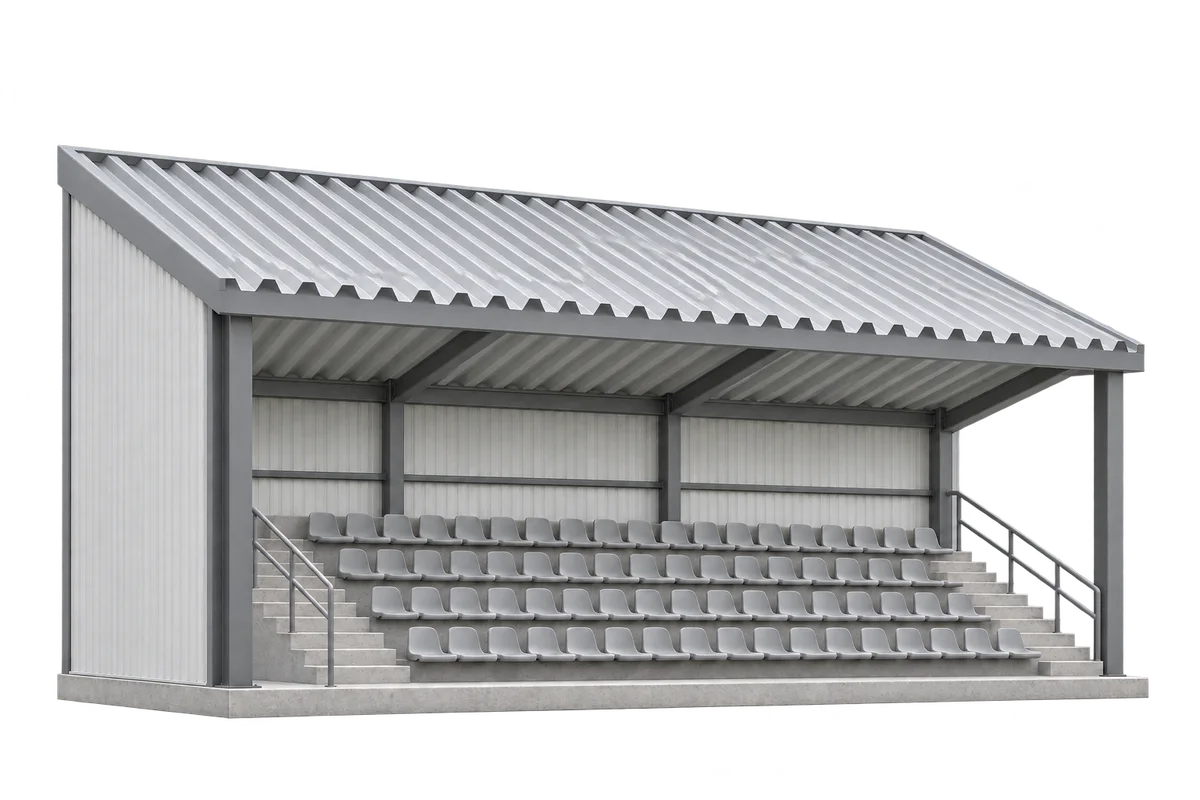
Use the sheet layout drawing to count the sheets for a grandstand canopy. The order needs dimensions in two directions. Across the…
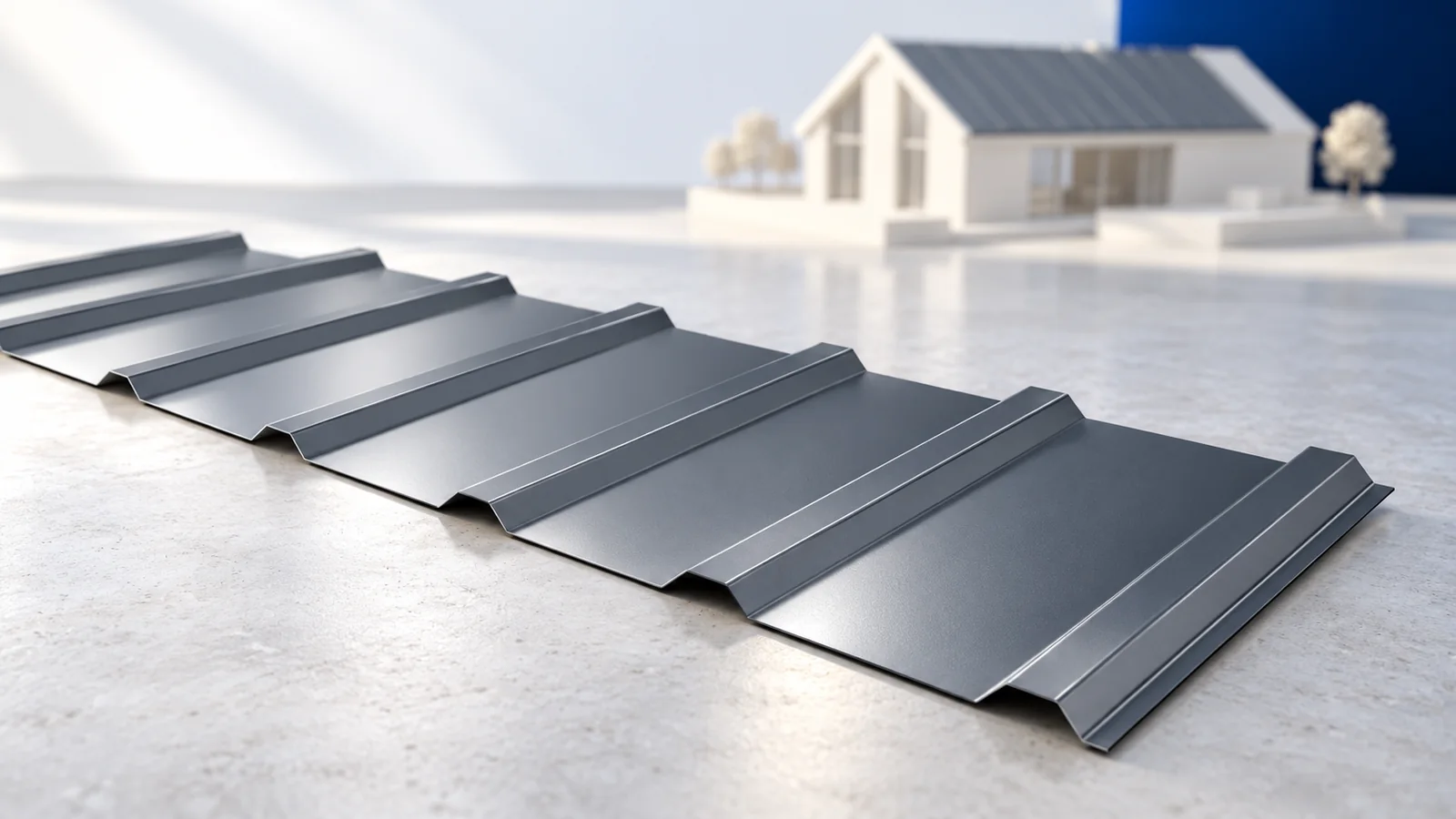
The regular profile helps with T18 and T35 trapezoidal-sheet installation, but efficient work starts before the sheets arrive. Accurate slope dimensions, prepared…
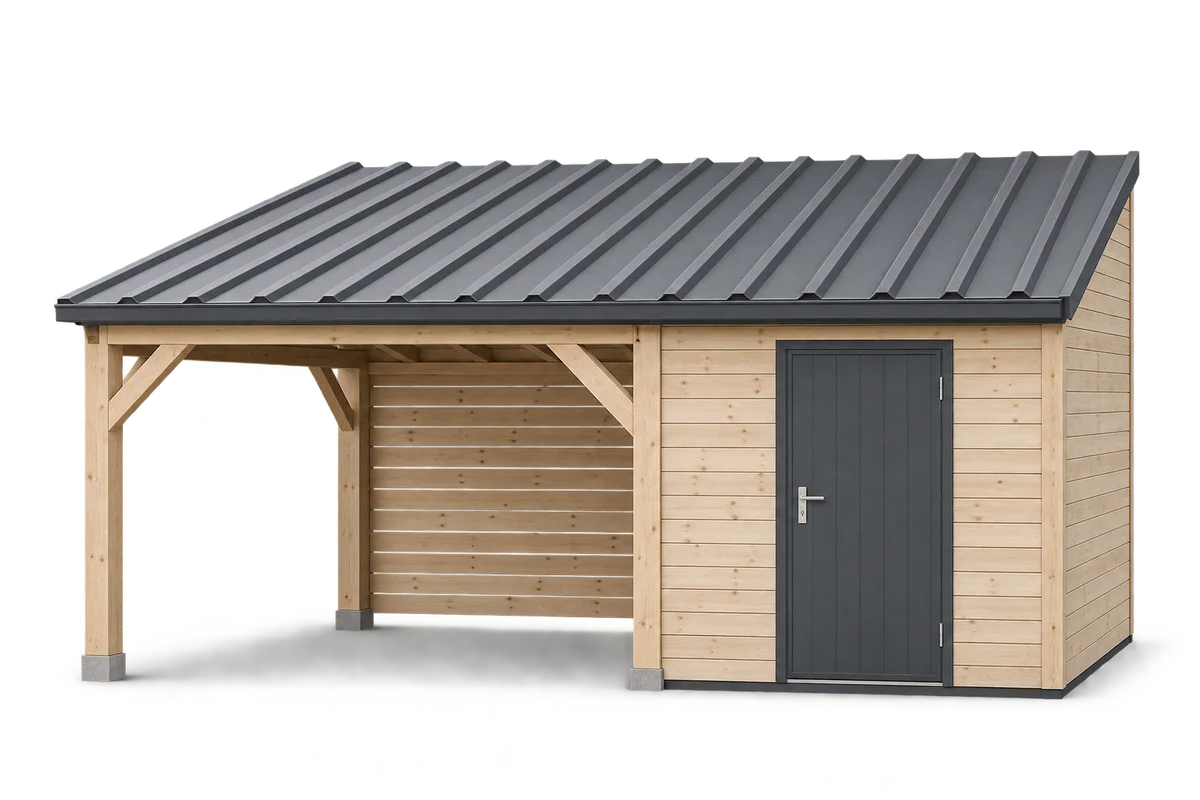
Start planning a carport with a tool store by listing the equipment and the routes people use every day. A mower, bicycles,…
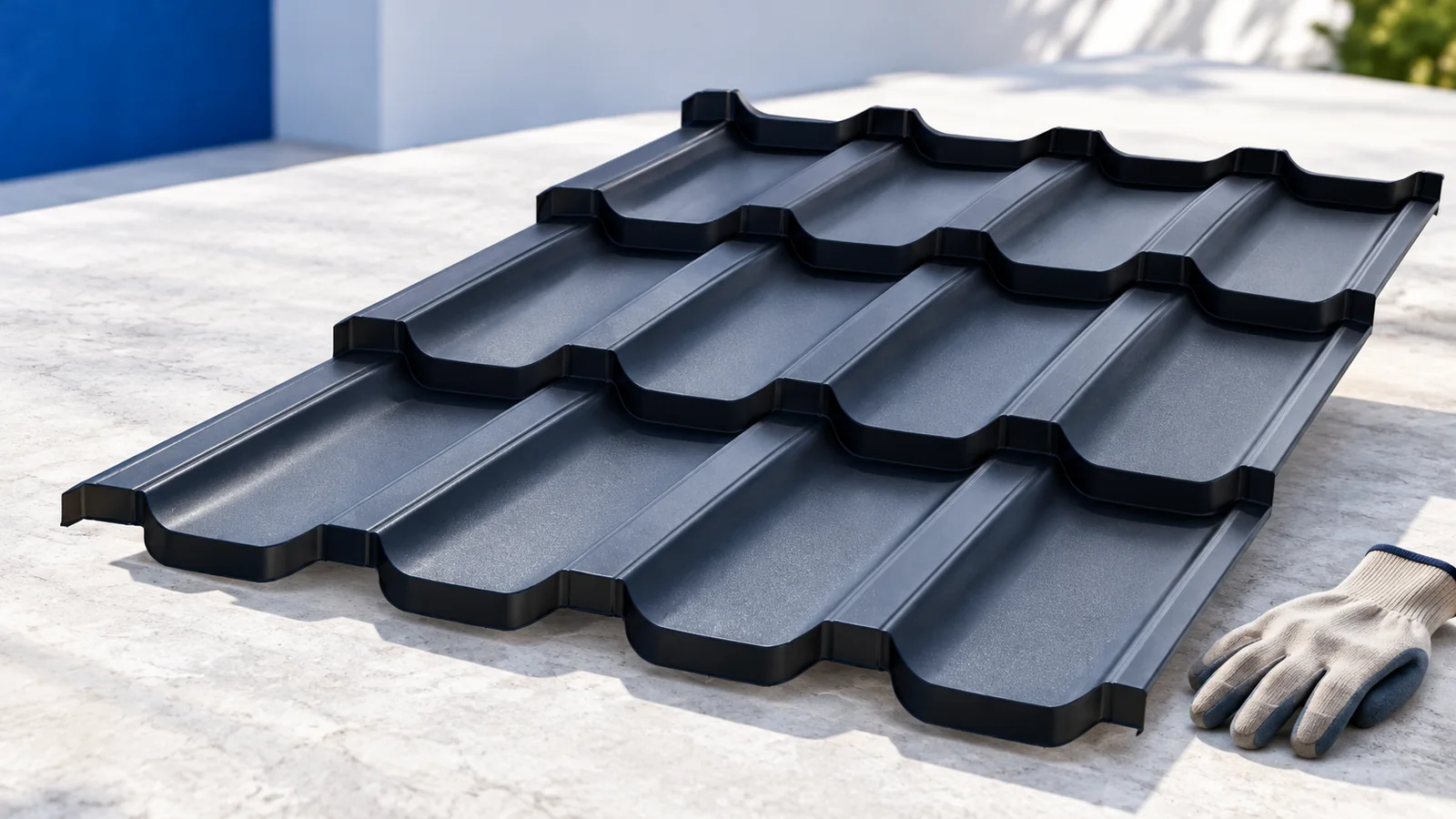
Choose a holiday cabin roof around its structure, pitch and intended use. A building visited in summer needs a different roof build-up…
A single-pitch roof has one slope, but its simple outline still needs coordinated supports, drainage and building junctions. Start with the direction…
A useful trapezoidal steel sheet quotation lets you verify the product, quantity and complete price. The name T18 and a colour alone…