






Which roofing membrane do you need and where does it go?
Insulation and lofts
Before buying a roofing membrane, mark which side of the insulation it will occupy and what will support it. For a roofing underlay, check drainage towards the eaves, vapour resistance and strength under the actual installation conditions. Also check the permitted temperature beneath the covering and the exposure period before the metal sheets are fitted. Work out the courses on the roof plan, allowing for laps, rooflights and chimneys. List the necessary tapes and seals. This lets you compare quotations on whether the materials supplied will form a continuous layer around openings and at roof edges.
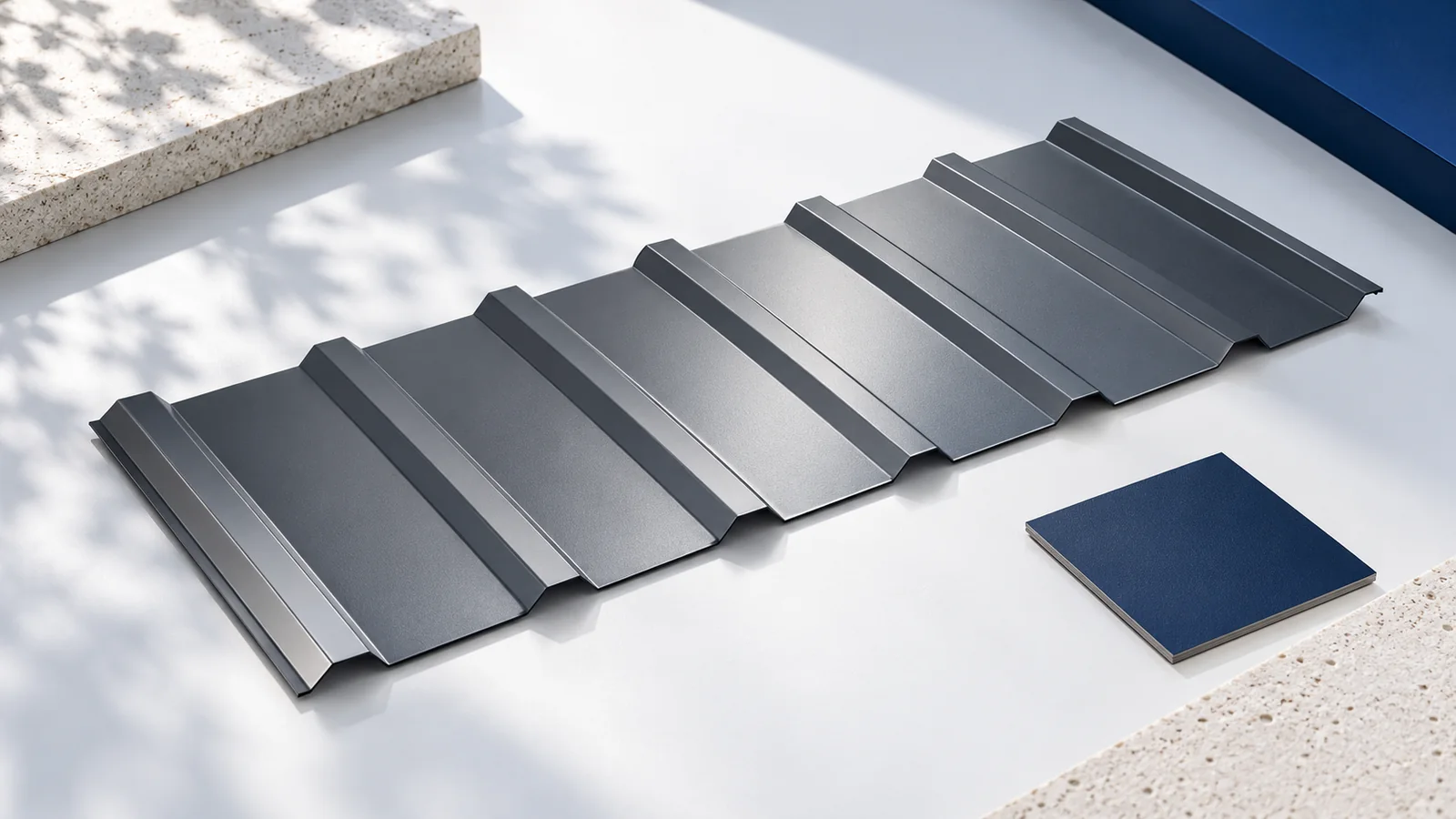
How does roofing underlay differ from a vapour control layer?
Label the rolls with their intended positions. The external underlay intercepts water beneath the covering. On the room side, the design must control vapour diffusion and maintain airtight joints. Swapping the layers changes how the roof dries.
Compare the Sd value in metres. It gives the thickness of an air layer offering the same resistance to vapour diffusion. A lower value allows vapour to pass more readily. Check the airtightness of bonded seams separately where it is required.
Is a heavier membrane always better?
Set the data sheets for two membranes of similar mass per square metre side by side. Compare resistance to water penetration, mechanical strength, tear resistance and performance after ageing. The differences show why weight alone says little about the functional layer.
For a dark covering, check the service temperature range. Assess exposure before covering separately. If the metal sheets arrive after a winter break, establish what temporary protection is required for the duration and conditions on this site.
How do you match a membrane to its support?
Find the detail matching the roof in the installation instructions. A membrane on decking has continuous support, while one spanning between supports is used under different conditions. Direct contact with insulation also requires approval for the selected product. Record the permitted use in the specification.
On a section with PIR boards, identify the facings and edge joints. Together with the other layers they affect drying potential. Follow the design for the position of any additional ventilation gap.
What matters when joining membrane courses?
Plan the courses from the eaves upwards so water stays on top of each lap as it flows down. Check lap width and bonding requirements for the actual roof pitch. Select tape compatible with the membrane and the substrate at the joint.
Before bonding, check temperature, cleanliness and surface moisture against the tape instructions. Prepare the specified seal at each rooflight, chimney or pipe. After forming the joint, trace how water passes the obstruction and reaches the course below.
How does moisture leave the roof?
Inspect the lower edge of the membrane from the side of the eaves. It must discharge at the point shown in the detail, clear of the insulation and façade. On a ventilated roof, inspect the inlet by the gutter and the outlet higher up after fitting covers and flashings.
If drops appear under the sheets, record the weather and indoor humidity. Inspect the room-side air seals at walls and service penetrations and check the ventilation path. These observations help distinguish water ingress from condensation.
How much should you order and what should you inspect?
Mark the start and end of each roll on the roof plan. Deduct the lap from the course width and allow material for upstands as detailed. Measure the bonded joints and count the penetrations to establish the rolls and accessories needed for the whole slope.
Inspect each course before fitting the covering. Mark defects and check repairs, laps and the eaves discharge. Keep membrane, tape and seal references with the photographs so a compatible material can be chosen for later repairs.

Free quote
What to include in your enquiry
Tell us how you plan to use the material, the dimensions and the quantity you need. Include the thickness, grade or variant name, along with the delivery town or your preferred collection branch. For a specific product, add its name or a link to the product page. We will reply to the email address you provide to discuss availability and the terms of your order.


More from the building guide
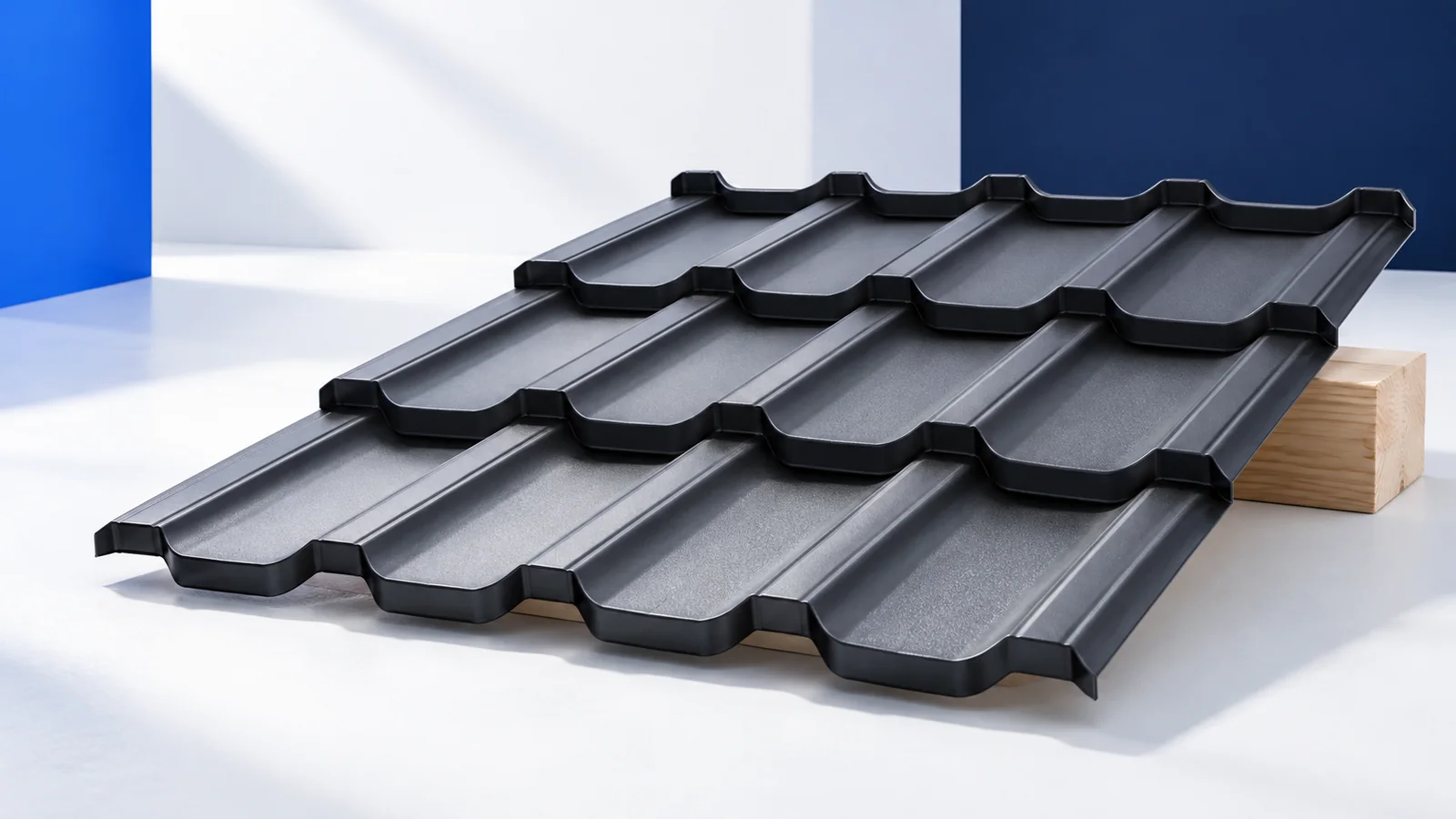
When assessing a roof exposed to storms, trace the load path from the edge of the sheet to the structural anchorage. Check…
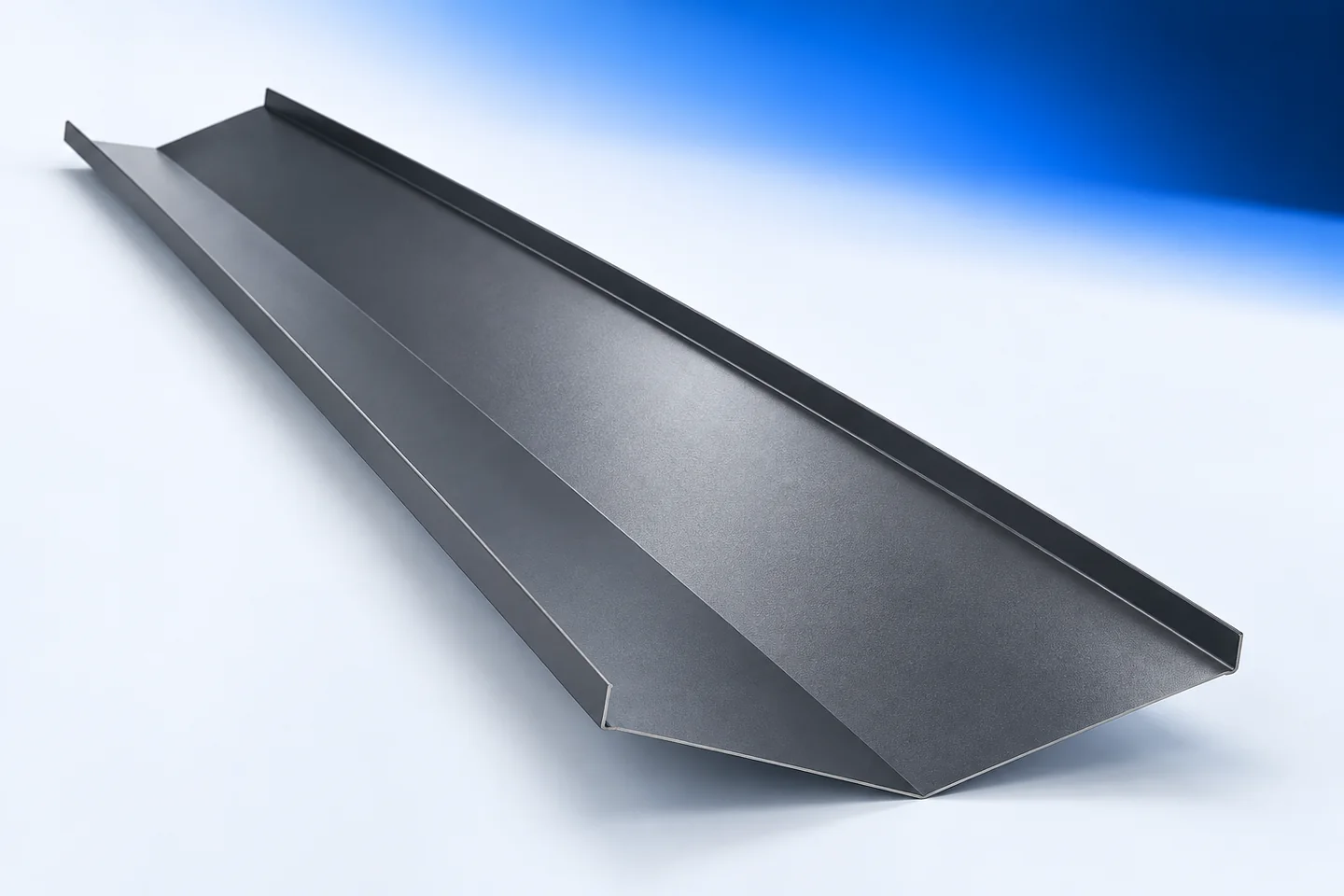
A roof valley that drained reliably for years can start leaking after heavy rain. A blockage, an open lap or corrosion beneath…

A collar-beam roof uses horizontal members connecting pairs of rafters at a designed height. The collar beams work with the rafters, their…

Check the completeness of a roof quotation before comparing the price of individual sheets. Include effective coverage, material specification, accessories, delivery and…
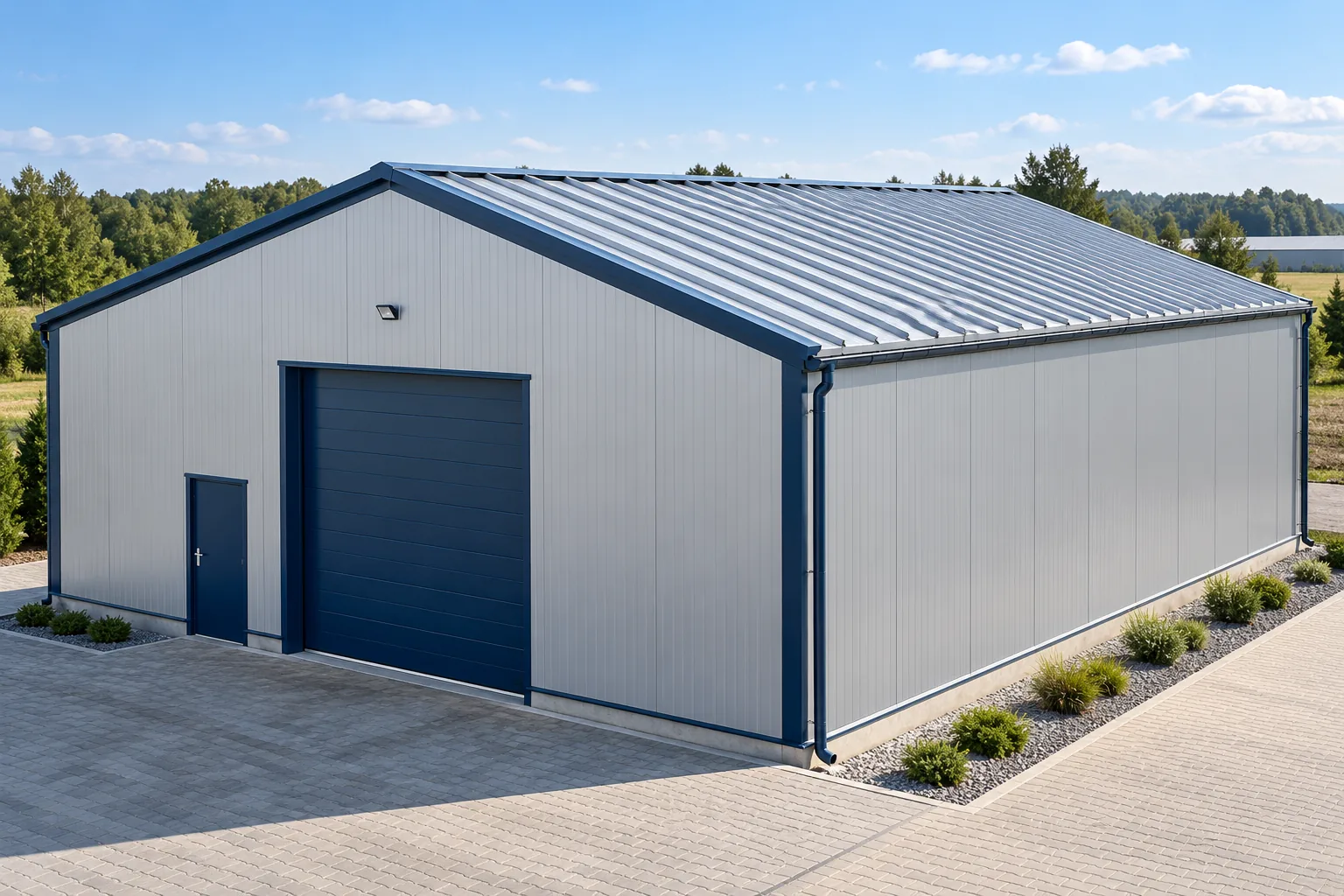
A sandwich panel combines metal facings with an insulating core. To specify panels for a warehouse, factory or agricultural building, start with…
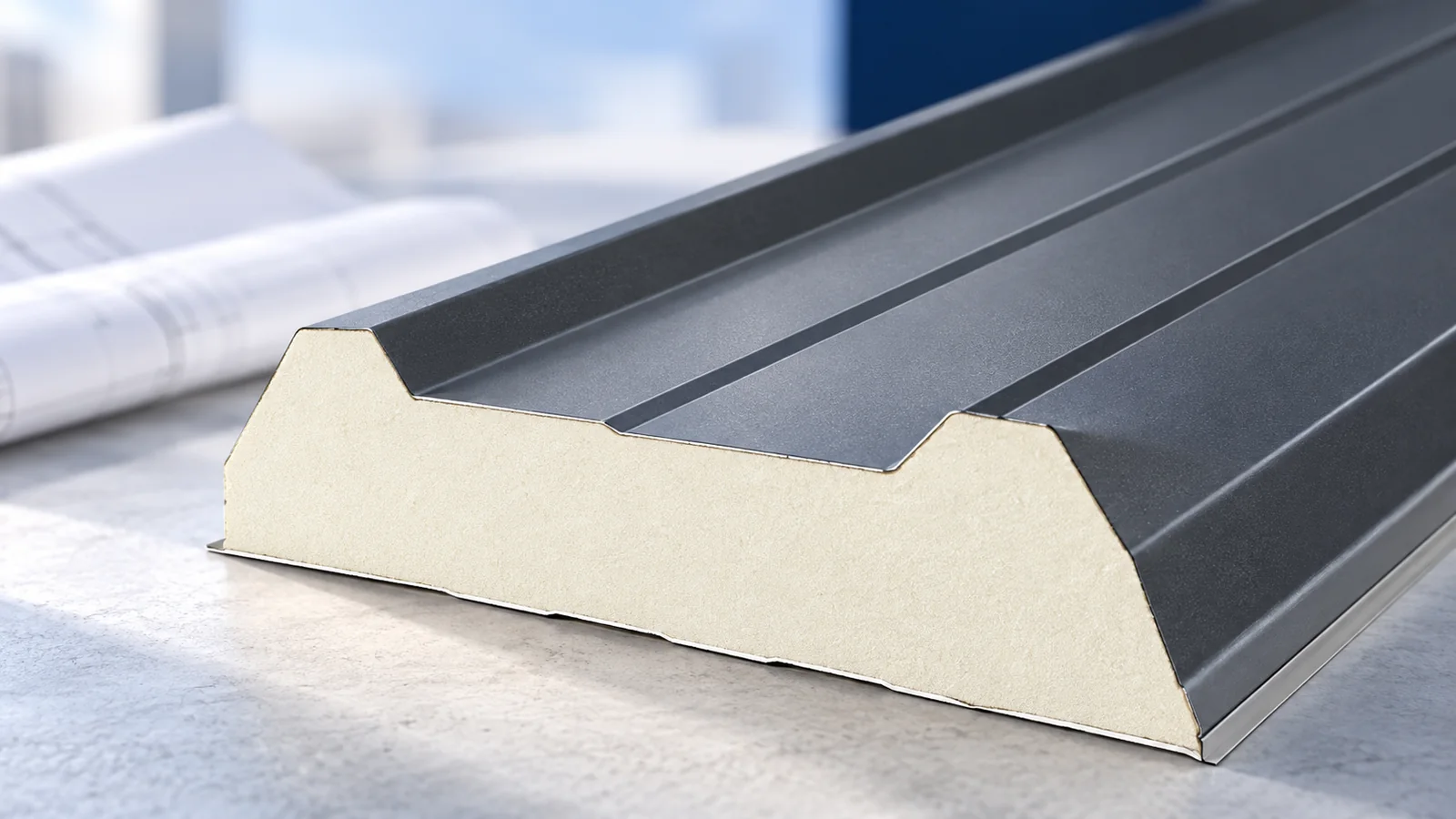
A roof sandwich panel combines an external steel covering, an insulating core and an internal facing. Choosing it requires more than thickness…

A hipped roof over a rectangular house usually has two trapezoidal and two triangular slopes joined by a ridge and hips. The…
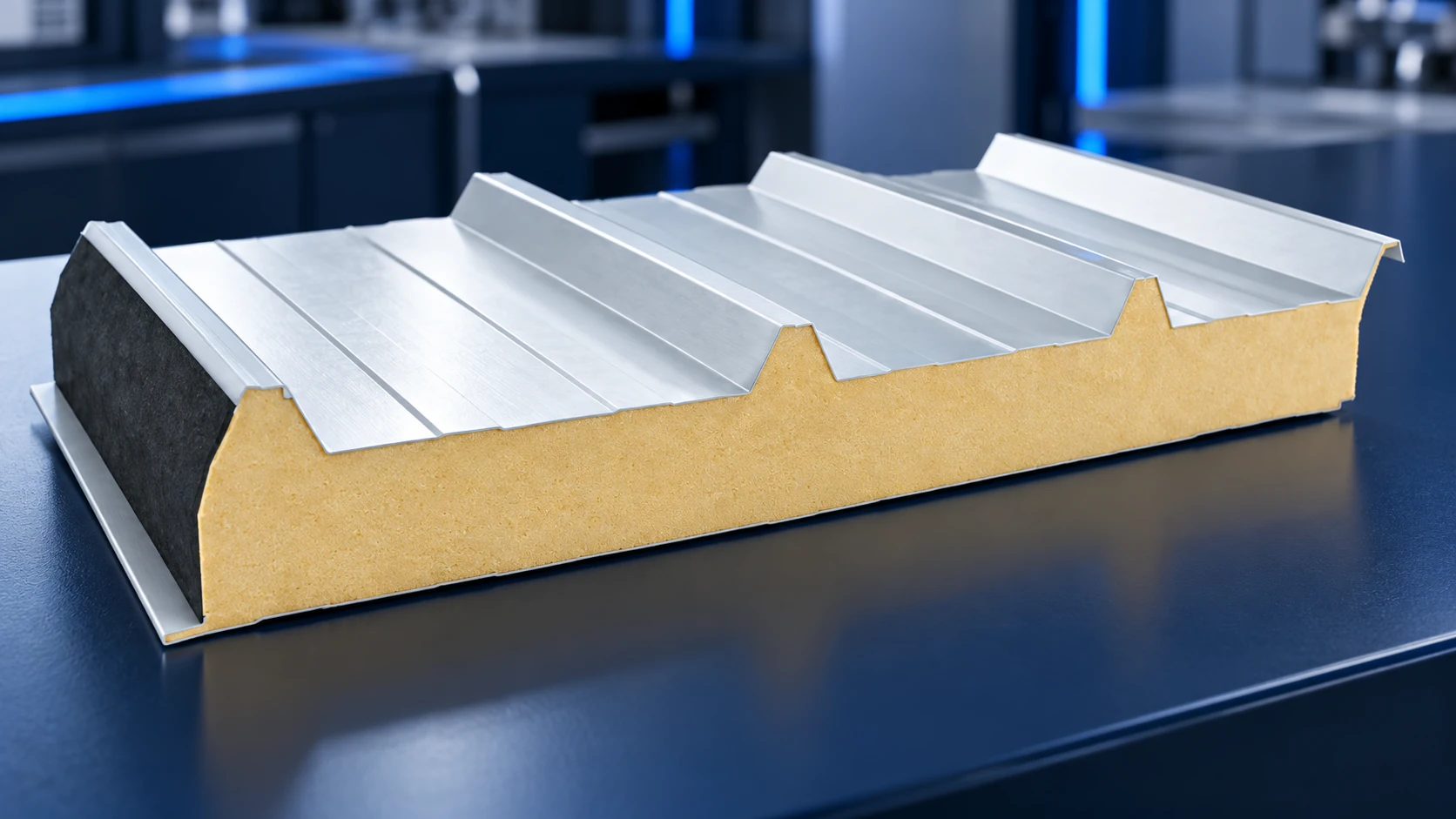
A PIR sandwich-panel roof can have a specified fire-resistance classification when built within the conditions covered by its documentation. The PIR core…