






Choosing metal fence pickets and planning a durable fence
Metal fencing
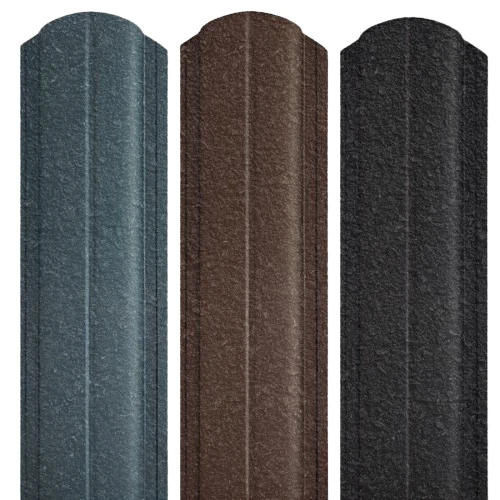
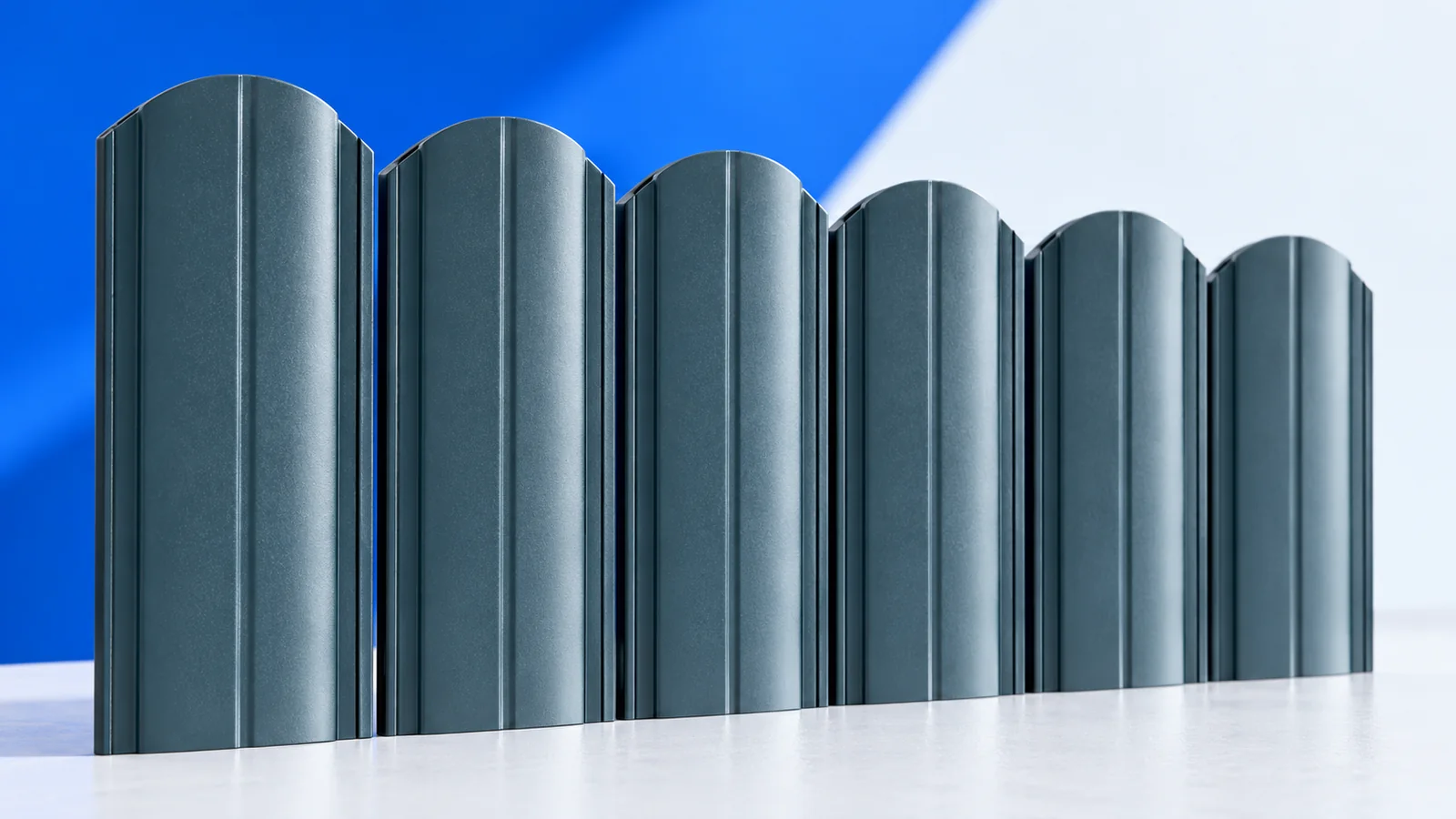
Start with one complete fence bay. Measure between the posts, choose the picket orientation and draw the gaps at both ends. A sample shows how the width, ribs and folded edges look from the street and the garden. Check the finish on the reverse of the sheet as well. For the chosen layout, the installer should size the rails, posts and fixings for the local wind exposure. Include ground preparation and both vehicle and pedestrian gates in the estimate. Comparing complete bays makes it easier to choose between narrow and wide pickets that differ in quantity and finish cost.
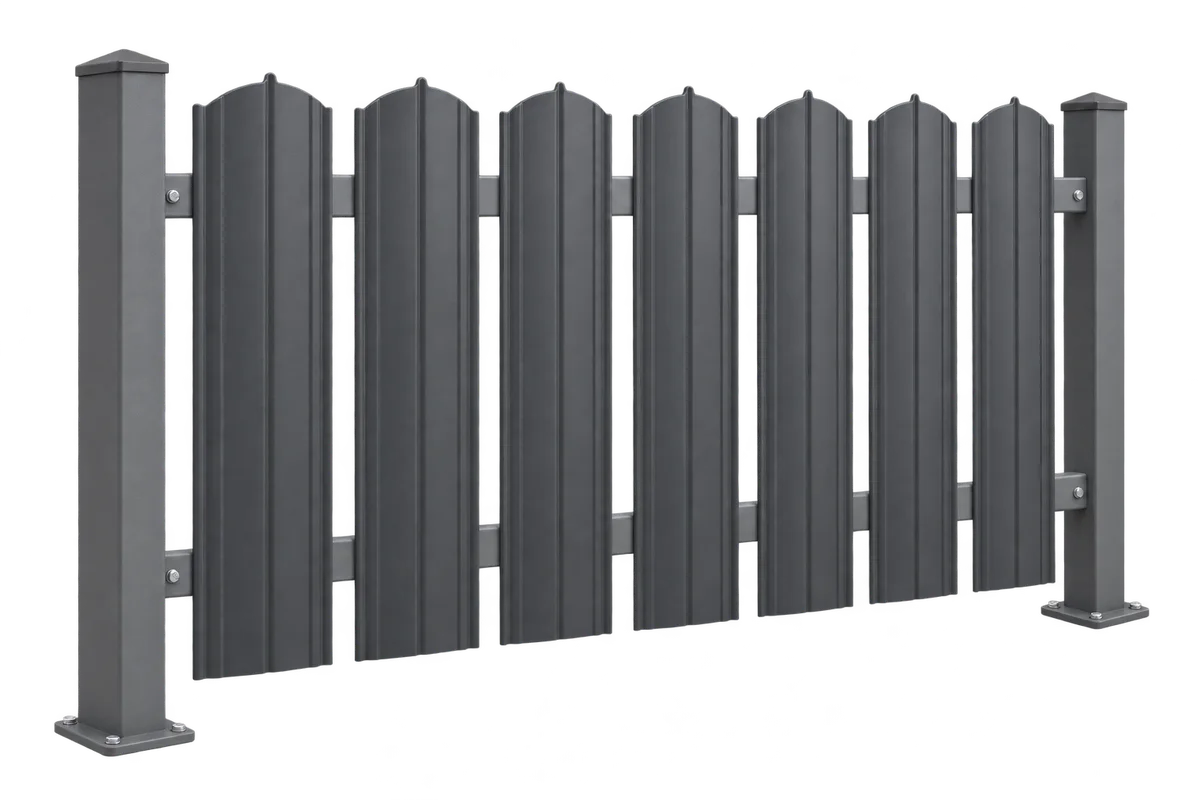
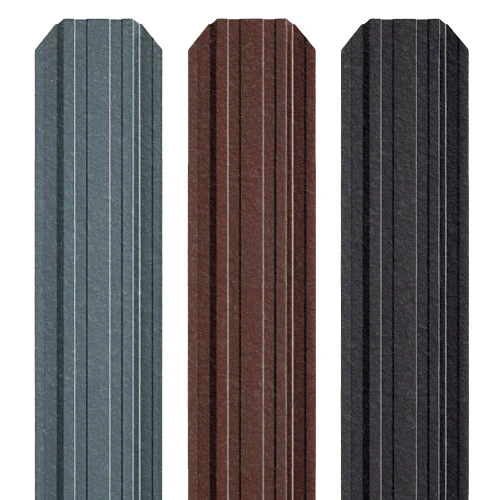
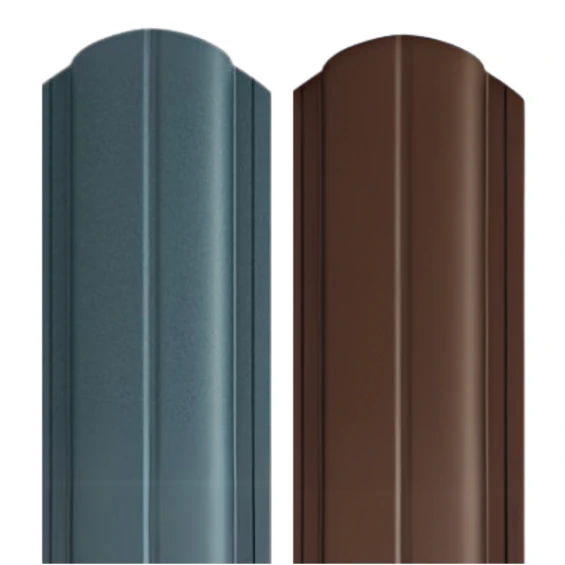
How to identify the picket profile
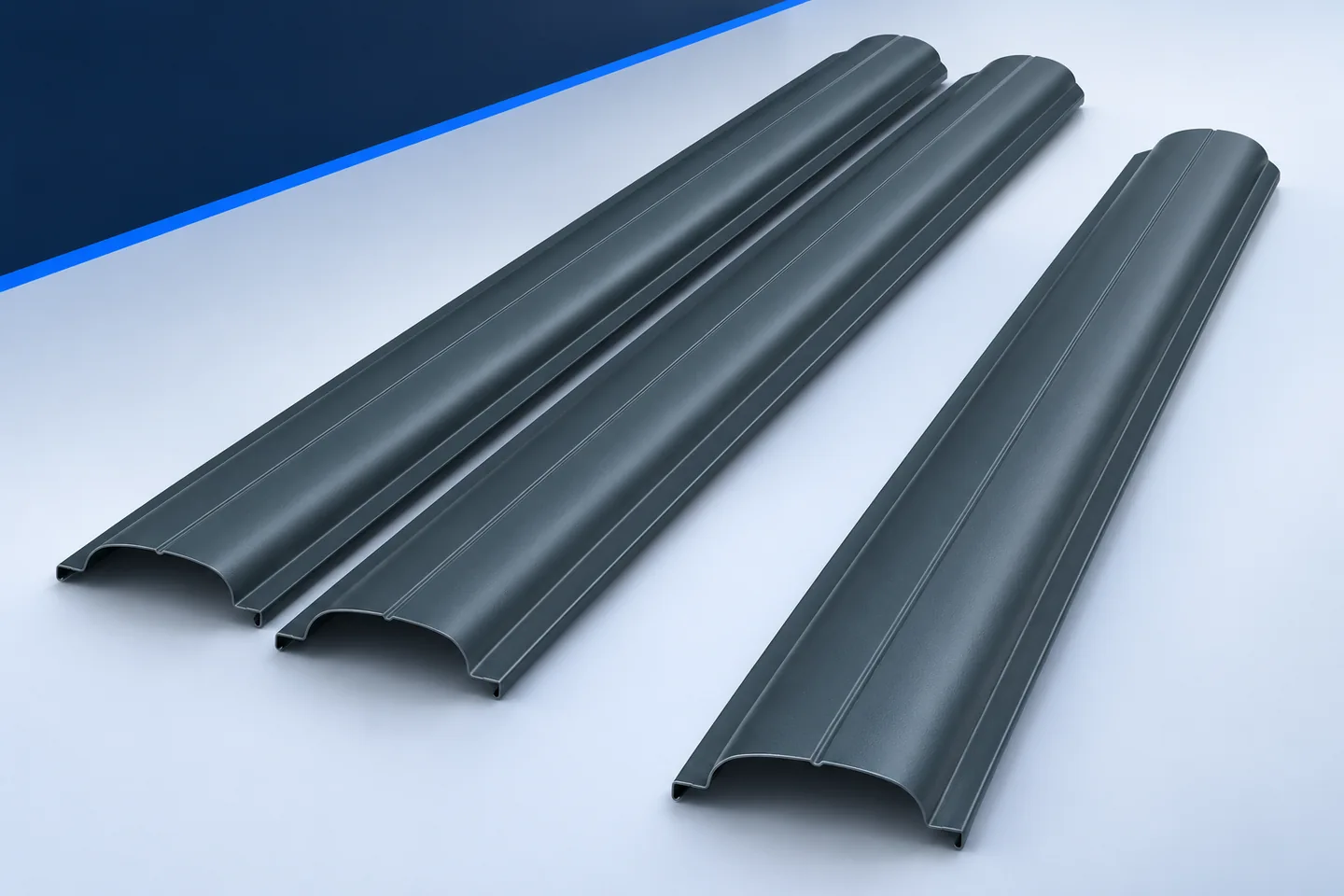
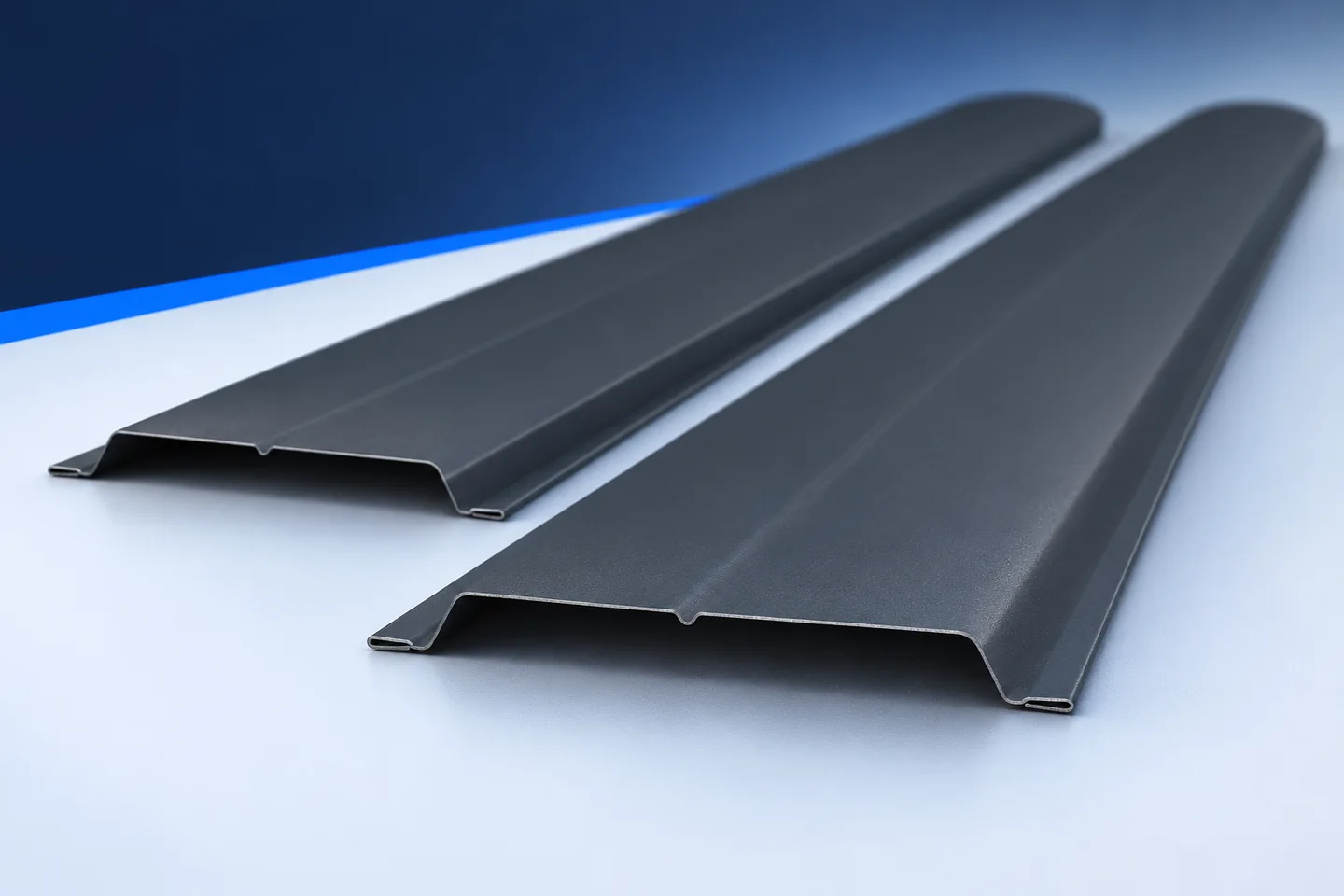
A photograph of a complete bay rarely shows the edge folds or depth of the ribs clearly.
Look end-on at a short sample. An open sheet-metal section needs fixings suitable for thin walls. Specify the length and top shape at the time of ordering. Cutting down from the top can remove a factory-rounded end.
Vertical or horizontal, and how far apart?
On a slope, mark the level at both ends of every bay. Stepping the bays or following the ground changes the lengths required. For horizontal pickets, check the permitted orientation and support points in the profile documentation.
Set up a few samples at the intended spacing. View them head-on and at an angle from the pavement. If privacy calls for a second row, include it in the support design from the outset. A more enclosed bay changes the wind load.
Selecting the finish on both sides
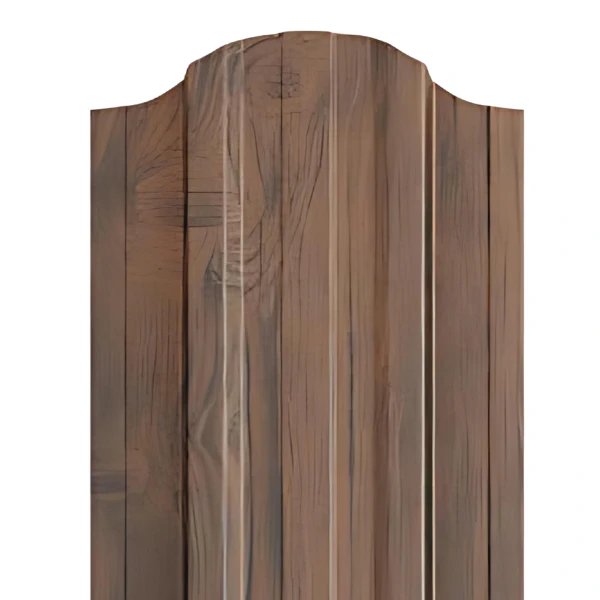
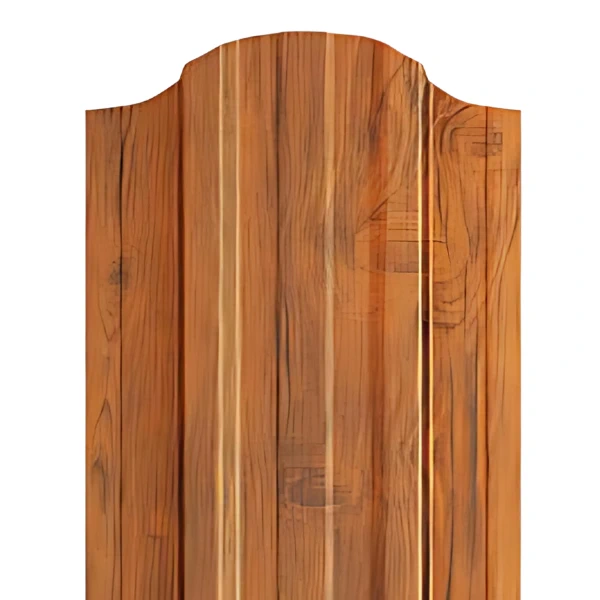
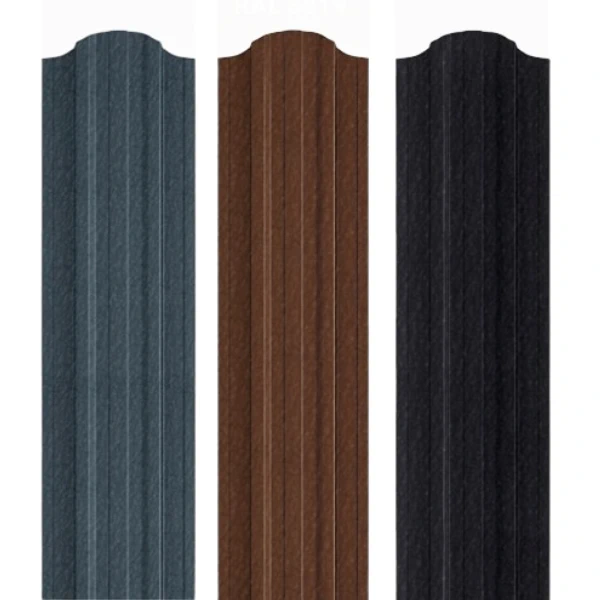
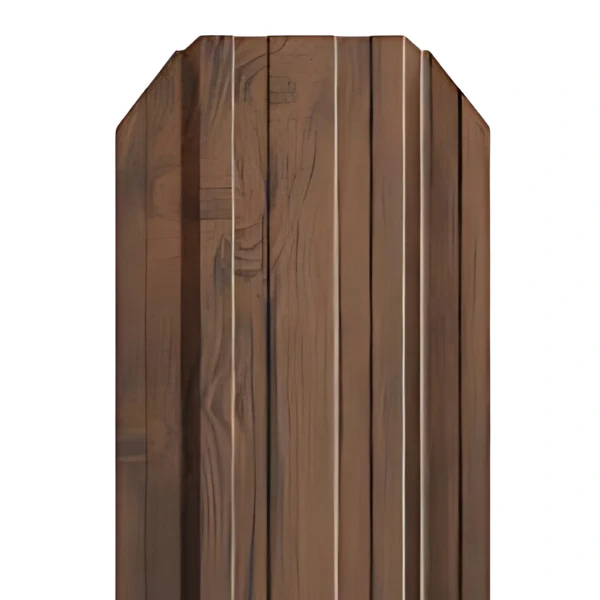
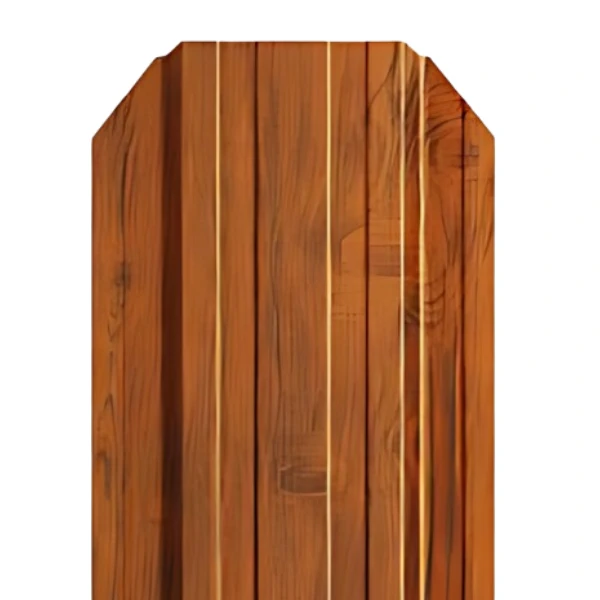
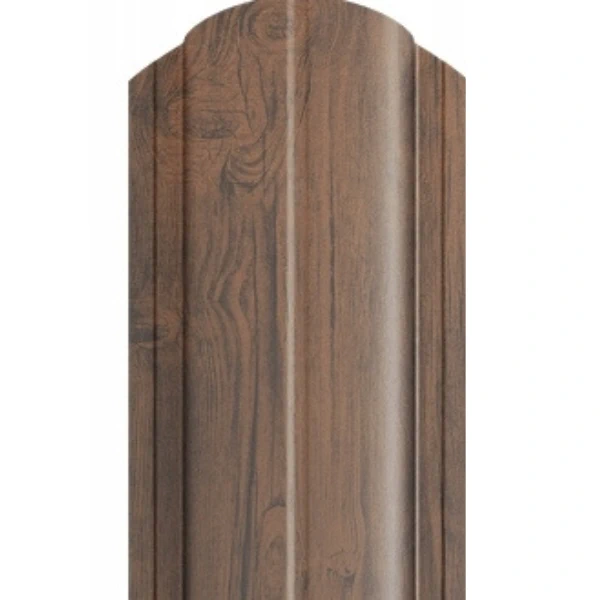
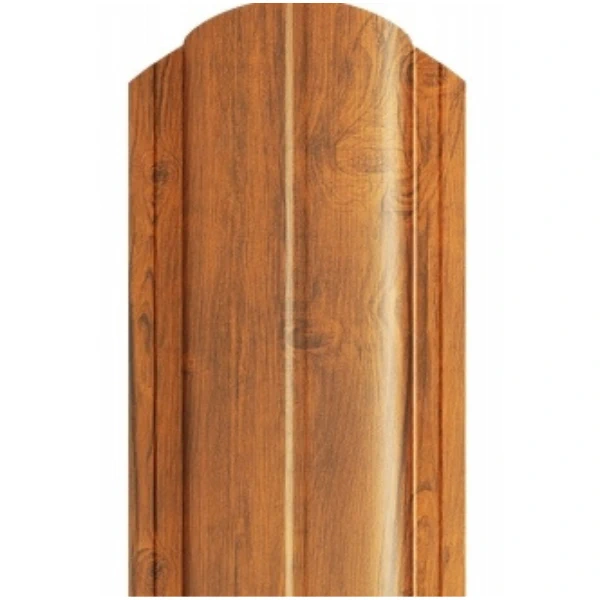
Turn the sample over and hold it against the frame on the garden side. Confirm the specified reverse colour and finish match it. This is particularly important for wood grain, which may appear only on the side shown in the catalogue.
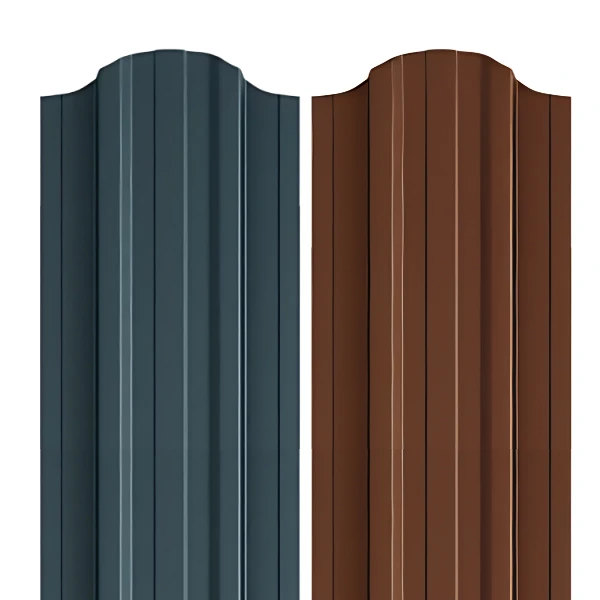
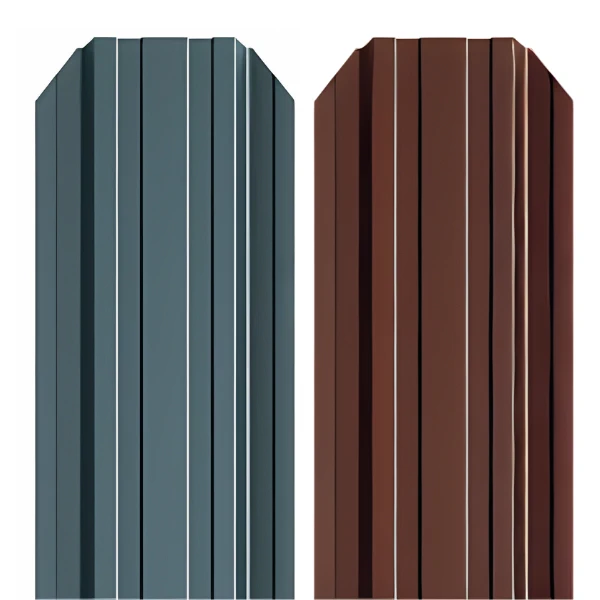
Compare the colour with the gate or window frames in daylight. Even with the same colour code, matt, gloss and textured finishes can look different. Tell the supplier about road salt, damp vegetation and other local conditions affecting the coating.
What carries the loads from the fence bay?
Follow the connections from each picket through the rail to the foot of the post. Each carries part of the wind load. For a quotation, give the bay height and width, picket spacing and whether the site is exposed.
Include the fixing layout for the chosen section in the bay drawing. Treat the gates separately because their infill moves with the frame. Hinges and gateposts must suit the entire leaf assembly.
Avoiding damage during installation
Mark the first and last pickets before fastening the middle ones. Measure the end gaps, then use a spacer for the gaps in between. Tighten according to the instructions. A dent around a fixing is a reason to check the tool setting.
If cutting on site, protect adjacent finishes, use the specified cold-cutting method and clear the swarf. Treat the edge as instructed. Allow space at ground level to clear wet leaves away from the picket ends.
Estimating quantities and planning maintenance
Calculate each opening between posts separately. Total the pickets, rail lengths, fixings and foundation costs. Recalculate the bay for any wider alternative picket. Compare totals for the same finished fence length.
During seasonal cleaning, check the foot of the gate, picket ends and fixings first. Damage and looseness are often easy to spot there. Record the coating name and recommended cleaner so future care suits both surfaces.

Free quote
What to include in your enquiry
Tell us how you plan to use the material, the dimensions and the quantity you need. Include the thickness, grade or variant name, along with the delivery town or your preferred collection branch. For a specific product, add its name or a link to the product page. We will reply to the email address you provide to discuss availability and the terms of your order.
More from the building guide
Uneven gaps, rust-coloured spots and a loose picket can have quite different causes. Before tightening, grinding or straightening anything, examine the layout,…

Assess metal pickets on a trial fence panel showing the gaps, both coated faces and access to fixings. Their benefits include manageable…

The pickets give a fence its appearance, but the frame carries the loads. Force travels from each metal picket through its fasteners…
Plan a metal-picket fence around everyday use of the property: visibility at the gate, garden privacy and pedestrian access. Picket width, gaps…
To calculate how many vertical metal pickets fit in a single row, allow for the clear gaps and both end margins as…
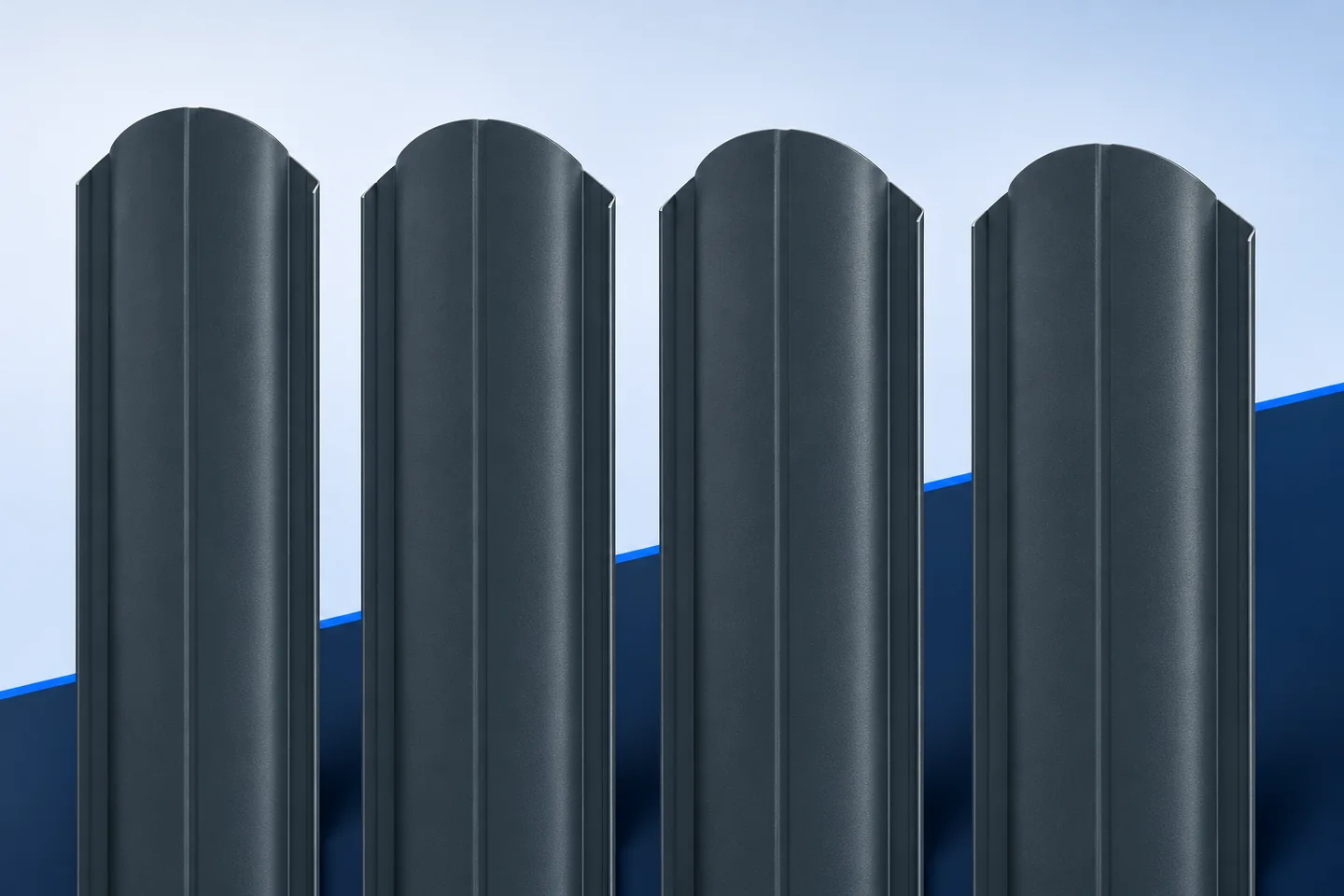
Set out the entire bay before fastening the first metal picket. Measure the clear infill width, choose the margins at both posts…
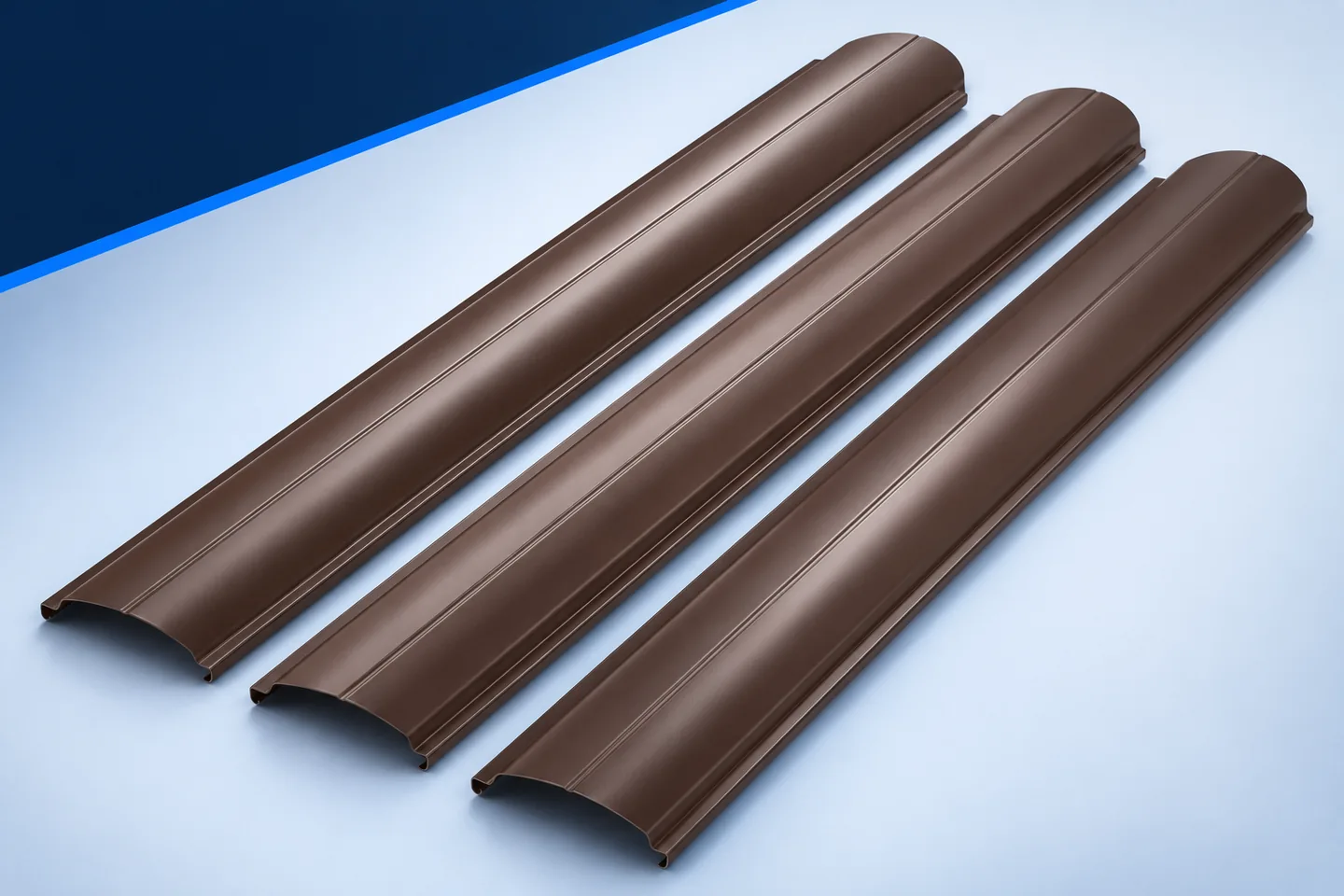
Vehicle and pedestrian gates can match the fence, but they do not behave like fixed bays. Each leaf opens and closes on…
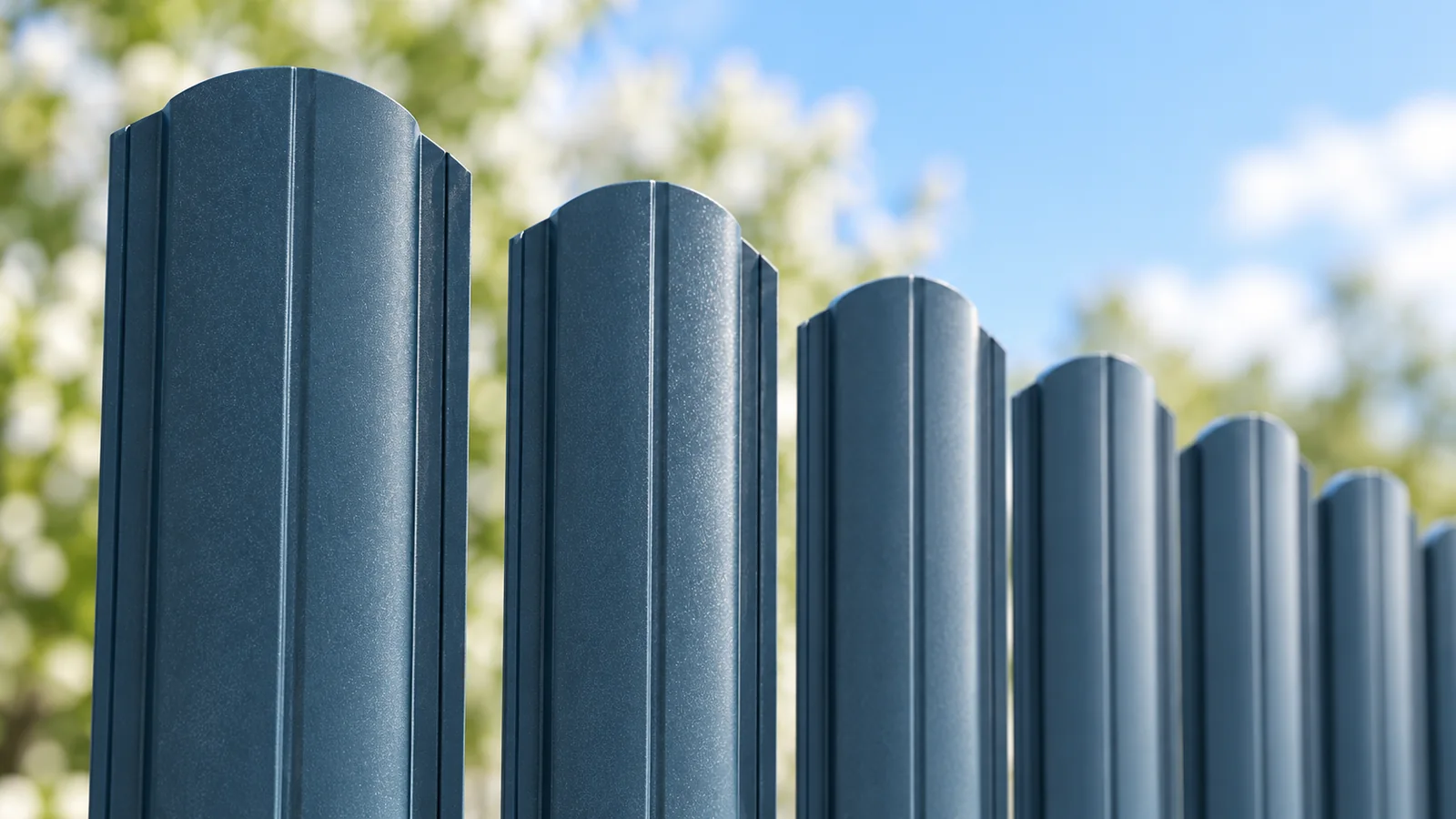
Choose a metal picket fence panel as a combination of infill, rails, posts and fixings. Colour alone does not determine privacy or…