






How to tell an integrated PV roof from panels mounted above the covering
Roofing and energy
A roof described as solar does not necessarily have a photovoltaic covering. Building-integrated photovoltaics (BIPV) takes over a building function, while an on-roof array sits above an otherwise complete covering. Several in-roof constructions are possible. To identify one, read the section drawing and trace the path rainwater takes. Neither a dark finish nor a shallow mounting height settles the question. Ask which layer protects the building from rain beneath the array. A complete roof beneath separate modules indicates an on-roof installation. A system replacing part of the covering also performs a construction function.
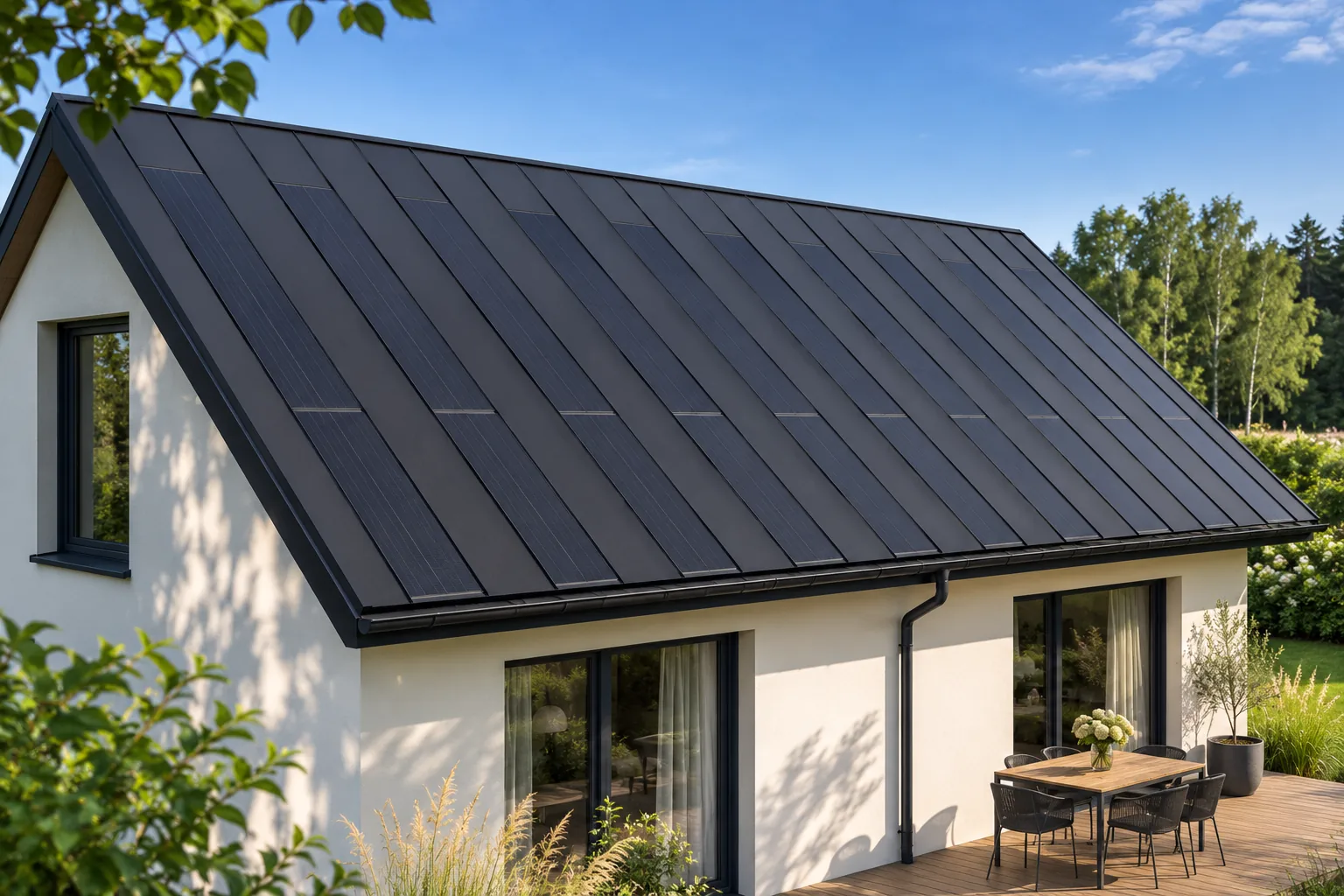
Which question reveals the difference?
Look at the function of the complete assembly as well as its trade name.
Use drawings and documentation to answer the question without dismantling the roof. Ask the supplier to identify the water-shedding layer and the components beneath. This clarifies the purchase and the installer’s responsibilities during fitting or later repairs.
How does a roofing panel with integrated PV work?
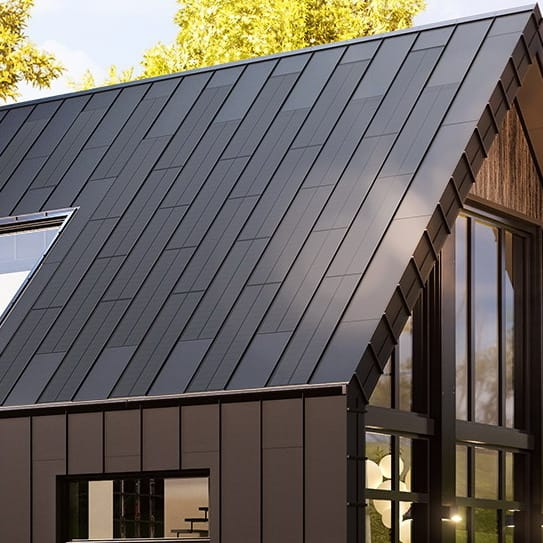
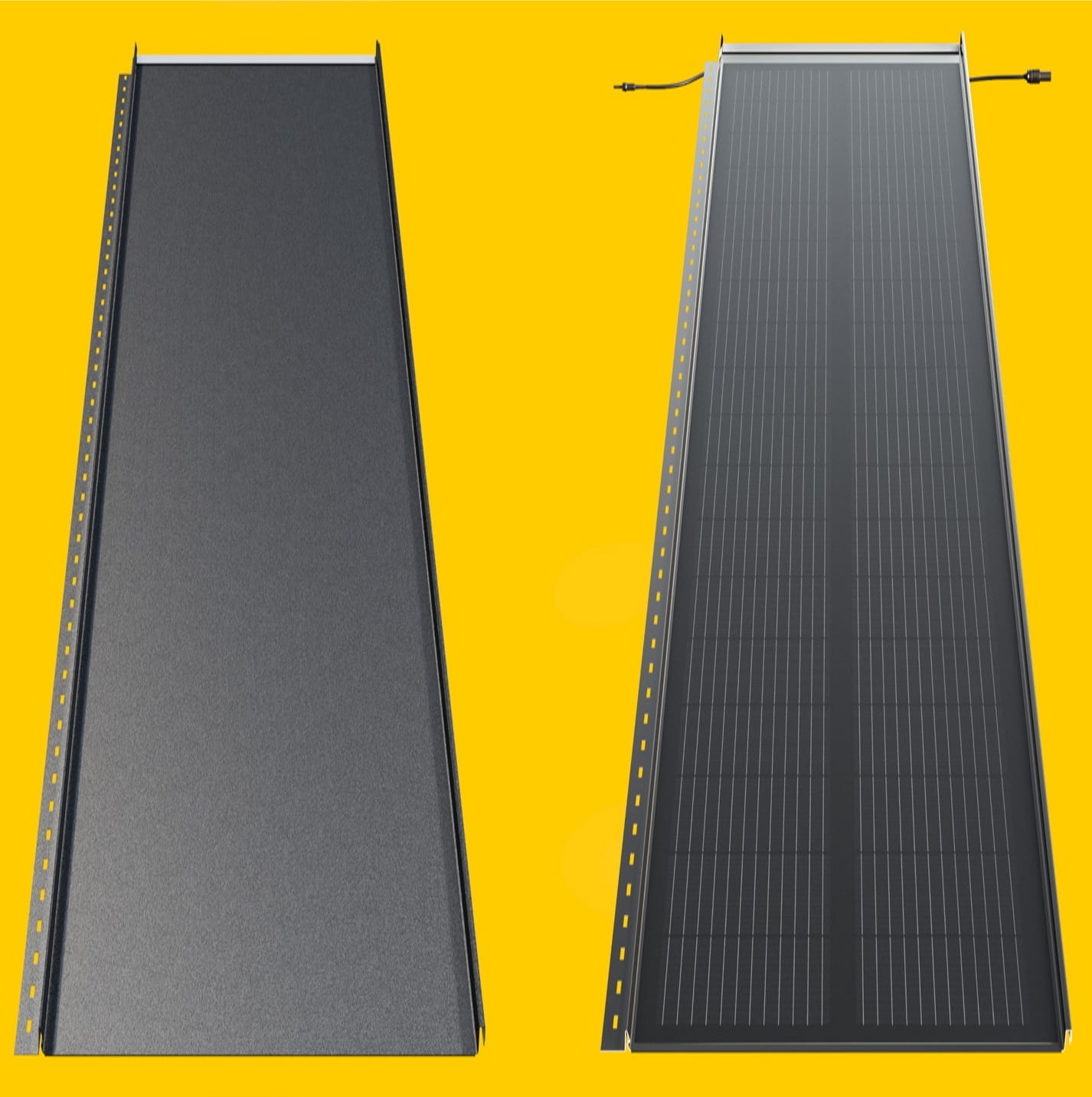
In one design, the steel panel forms part of the covering and the PV section is factory-bonded to it. Passive pieces without cells complete the roof. Their matching geometry continues the pattern around windows and boundaries and links generation directly to the covering.
The layers needed below the panels still have to be provided. The frame, insulation and moisture protection follow the building design and product instructions. Integration combines functions within the covering while retaining the rest of the roof build-up.
How do recessed in-roof modules differ?
Some modules sit on a special mounting system in place of a group of tiles. They can be close to flush with the adjacent covering. Trays, seals and flashings together shed the water. This is a different in-roof construction from a factory-integrated steel panel.
A mounting structure does not by itself make the system an on-roof array. All coverings need support. The deciding point is whether the system replaces a building component. Its construction affects installation, cooling, repairs and the scope of a cost comparison.
Recognising an on-roof installation
Standard modules can be fixed above sheet metal or tiles on suitable brackets. The finished covering underneath continues to protect the building. PV mainly provides power in this arrangement, which can suit a sound existing roof and has its own material and labour requirements.
Low mounts or dark frames do not change that principle, just as visible joints do not rule out integration. A distant photograph is inconclusive. Ask for the layers and the points where the installation meets the building.
What changes in a cost estimate?
Some BIPV costs cover roofing and generation together. An on-roof quote must include the complete covering as well as the PV array. Compare both options for the same finished building, including accessories, labour and commissioning, rather than comparing module prices alone.
Clarify repair responsibilities too. Removing an active in-roof element may open the covering. Establish who protects the opening and restores weathertightness. An array mounted over a roof has a different interface between trades and also needs an agreed division of work.
Which documents allow an initial assessment?
Ask for a system section, data sheet and installation manual. The supplier should identify intended use, minimum pitch and necessary layers. Detail photos help, but the drawing still matters. A quote listing only power and appearance lacks the information needed to assess roofing performance.
Choose against the building and the project objectives. On a new house, a covering designed together with the energy system may be attractive. On an existing house, inspect the roof condition too. Understanding the distinction allows you to compare the actual systems behind similar names.
Sketch the same roof area for both quotations. On each sketch mark the cells and the surface that carries water along the side of the active element. If the second surface cannot be identified, ask for the missing section from the system manual.
Solar roofing manufacturers and brands include Wienerberger Wevolt, Dyaqua, SunRoof, Electrotile, SolRoof, GAF Energy, MDM NT (MyRoof), ML System, SoliTek and LUMA Solar.

Free quote
What to include in your enquiry
Tell us how you plan to use the material, the dimensions and the quantity you need. Include the thickness, grade or variant name, along with the delivery town or your preferred collection branch. For a specific product, add its name or a link to the product page. We will reply to the email address you provide to discuss availability and the terms of your order.
More from the building guide
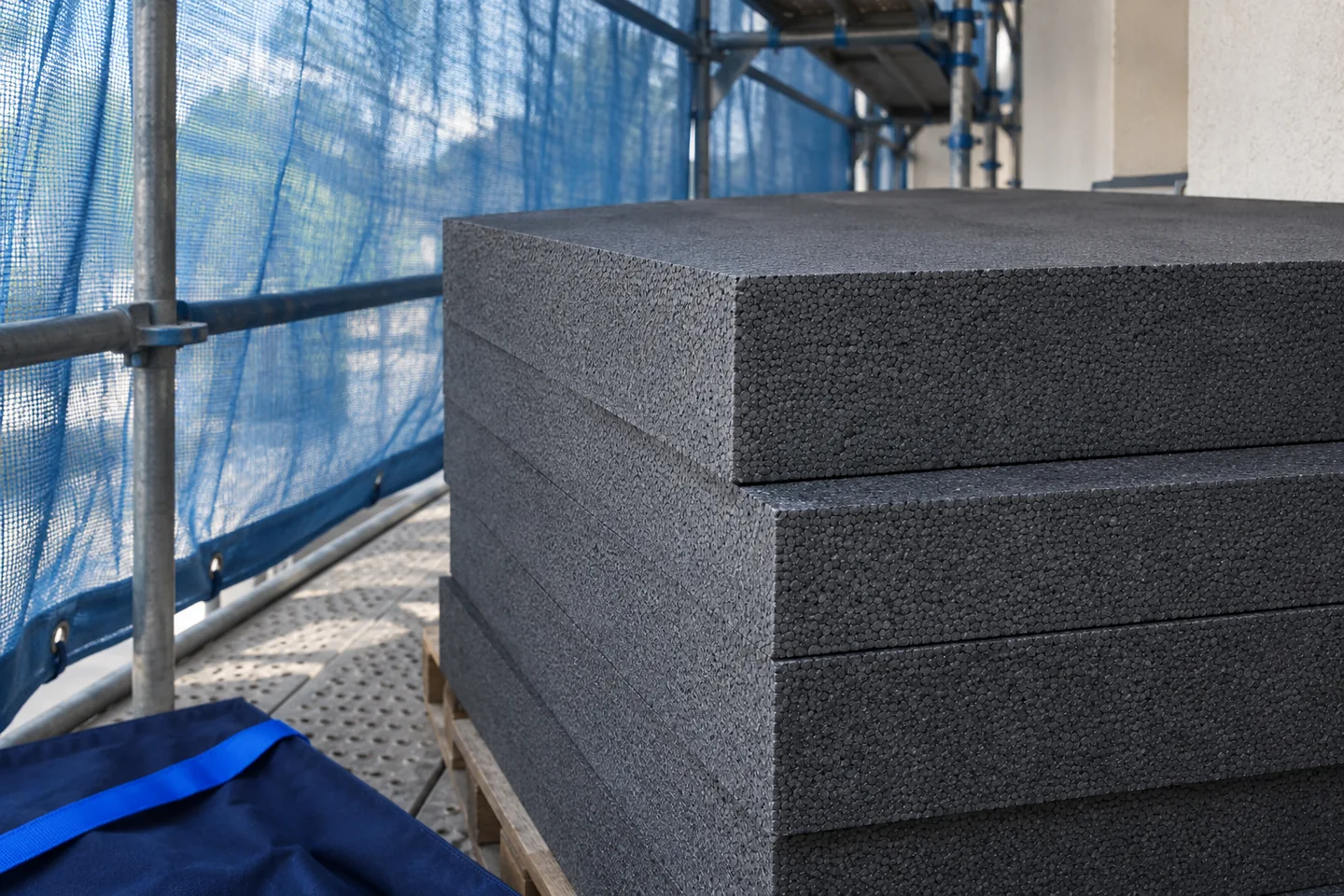
Protect graphite EPS from direct sunlight in storage, during bonding and while the adhesive sets. The dark surface absorbs more solar radiation…
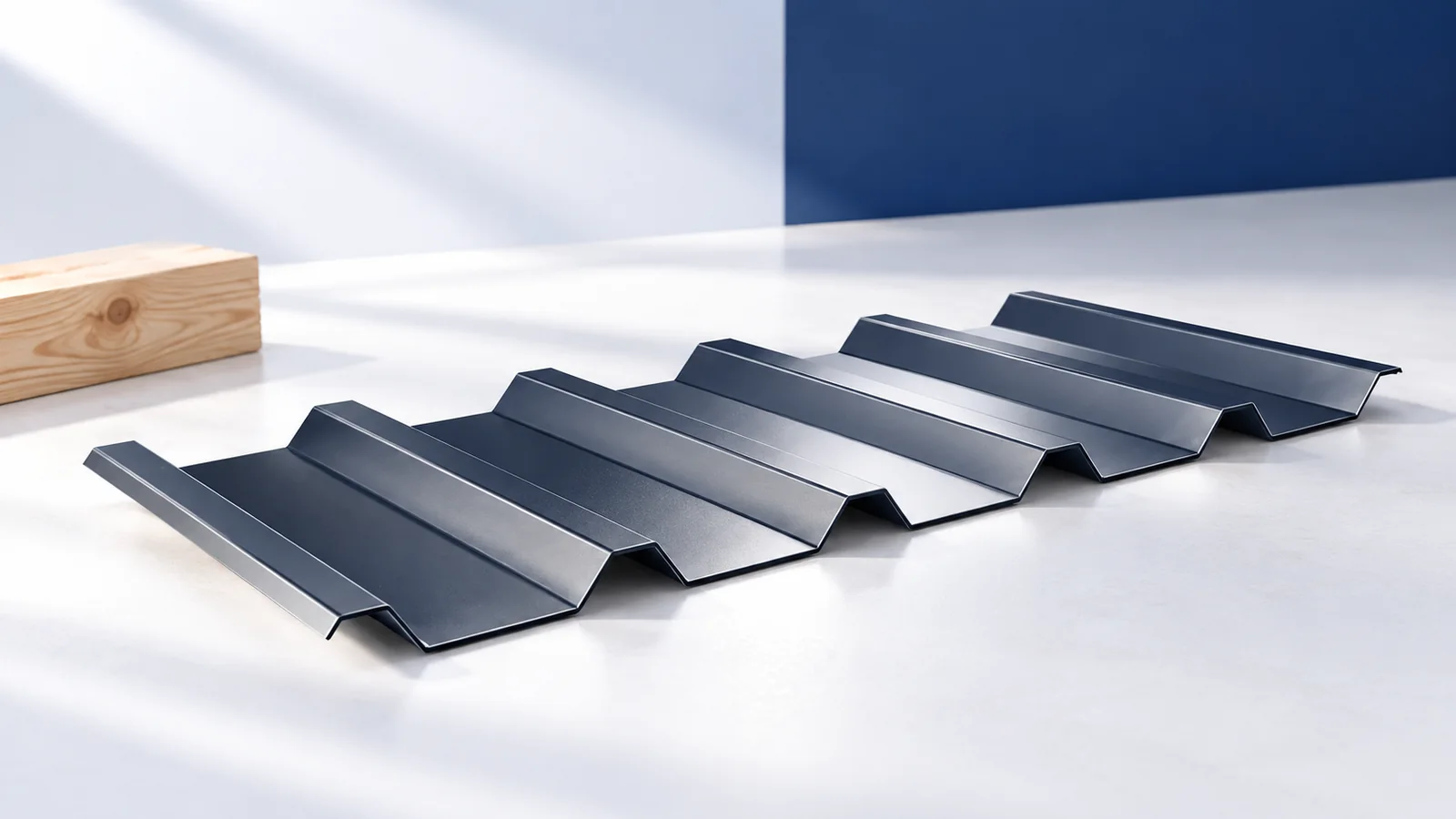
Installation of T18 or T35 trapezoidal steel roofing begins by comparing the drawings with the completed structure. The roofer measures the slopes,…
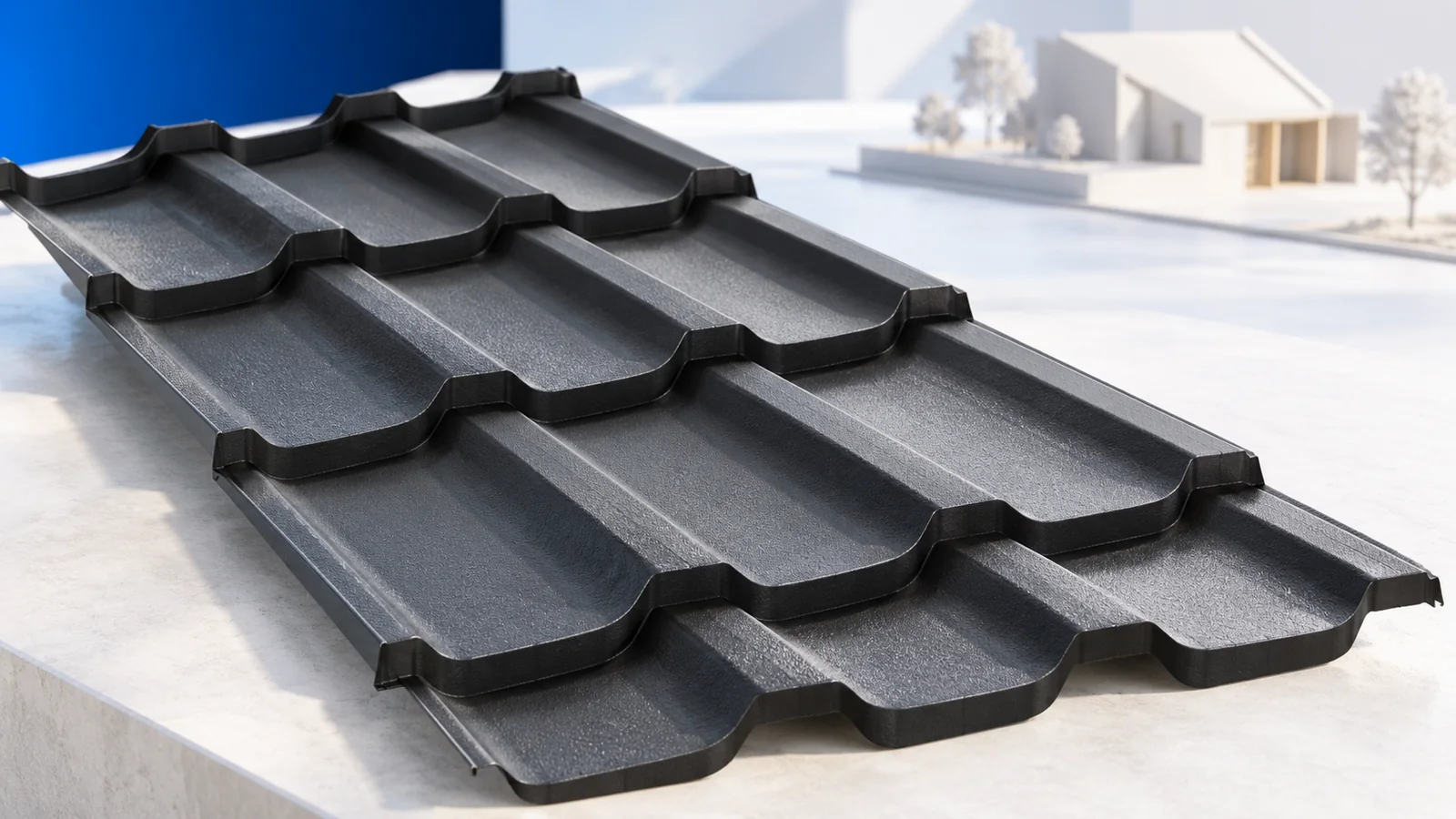
Made-to-length metal roof tiles require sheet lengths planned for the actual roof and accurate alignment during installation. Large sheets can reduce joints…

The pickets give a fence its appearance, but the frame carries the loads. Force travels from each metal picket through its fasteners…
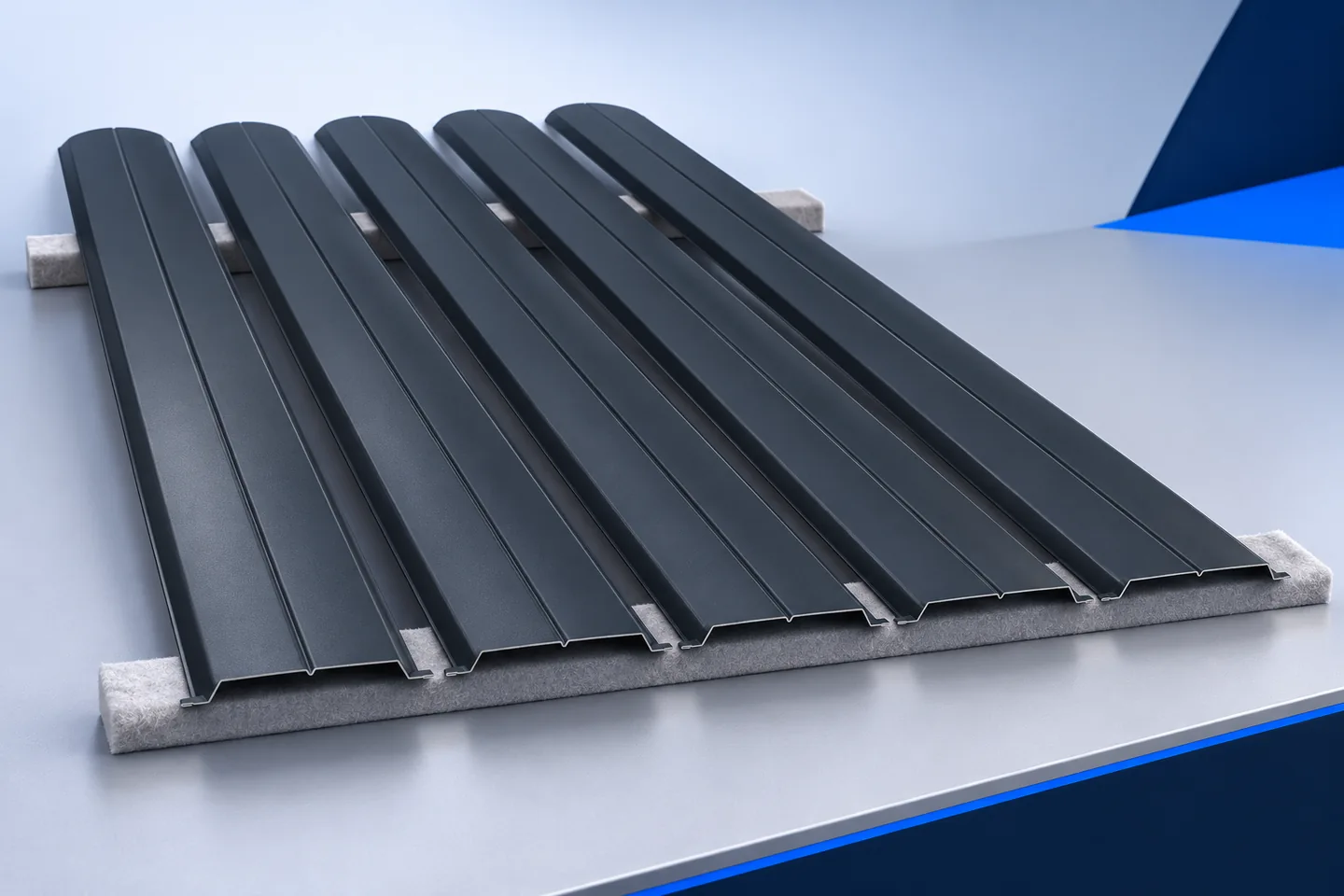
Inspect a finished metal picket fence from both sides against the agreed specification. Start with the profile, lengths, end shapes, colour and…
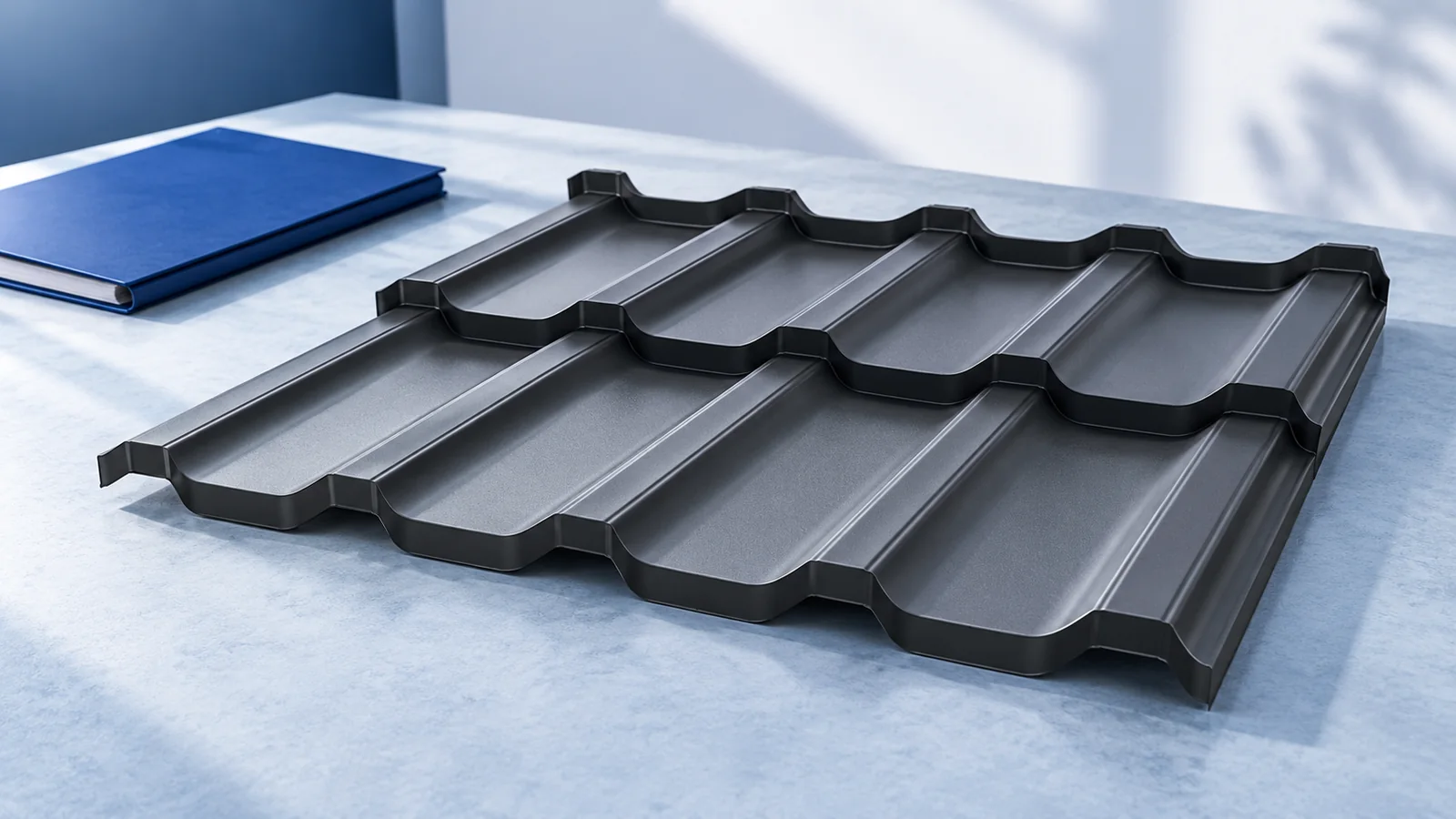
Metal roof tiles are easiest to protect when delivery coincides with the crew being ready to install them. Before the truck arrives,…
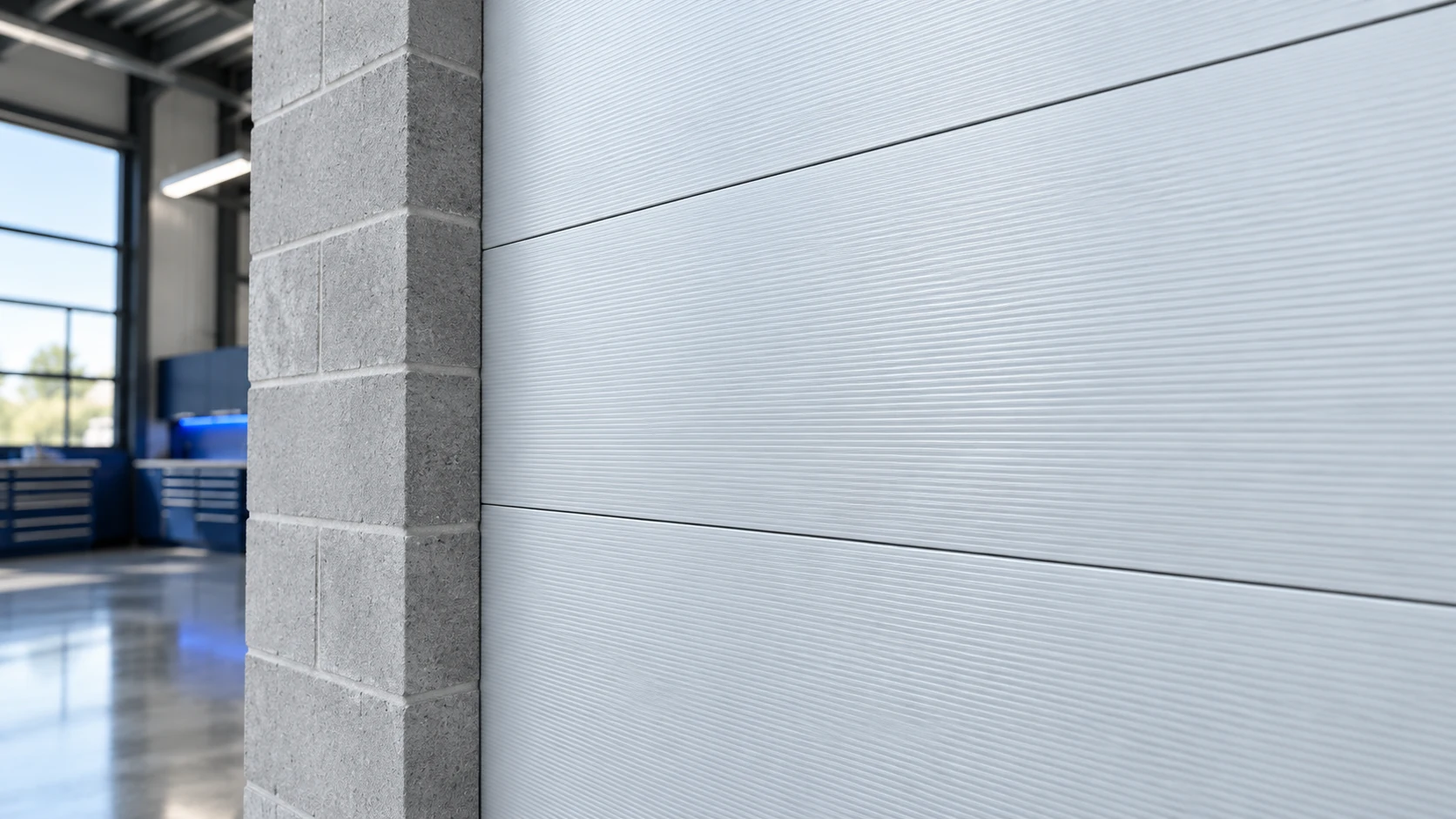
Sandwich panels can form an enclosure over a masonry wall, provided the substrate, connections and complete build-up are assessed for the project.…
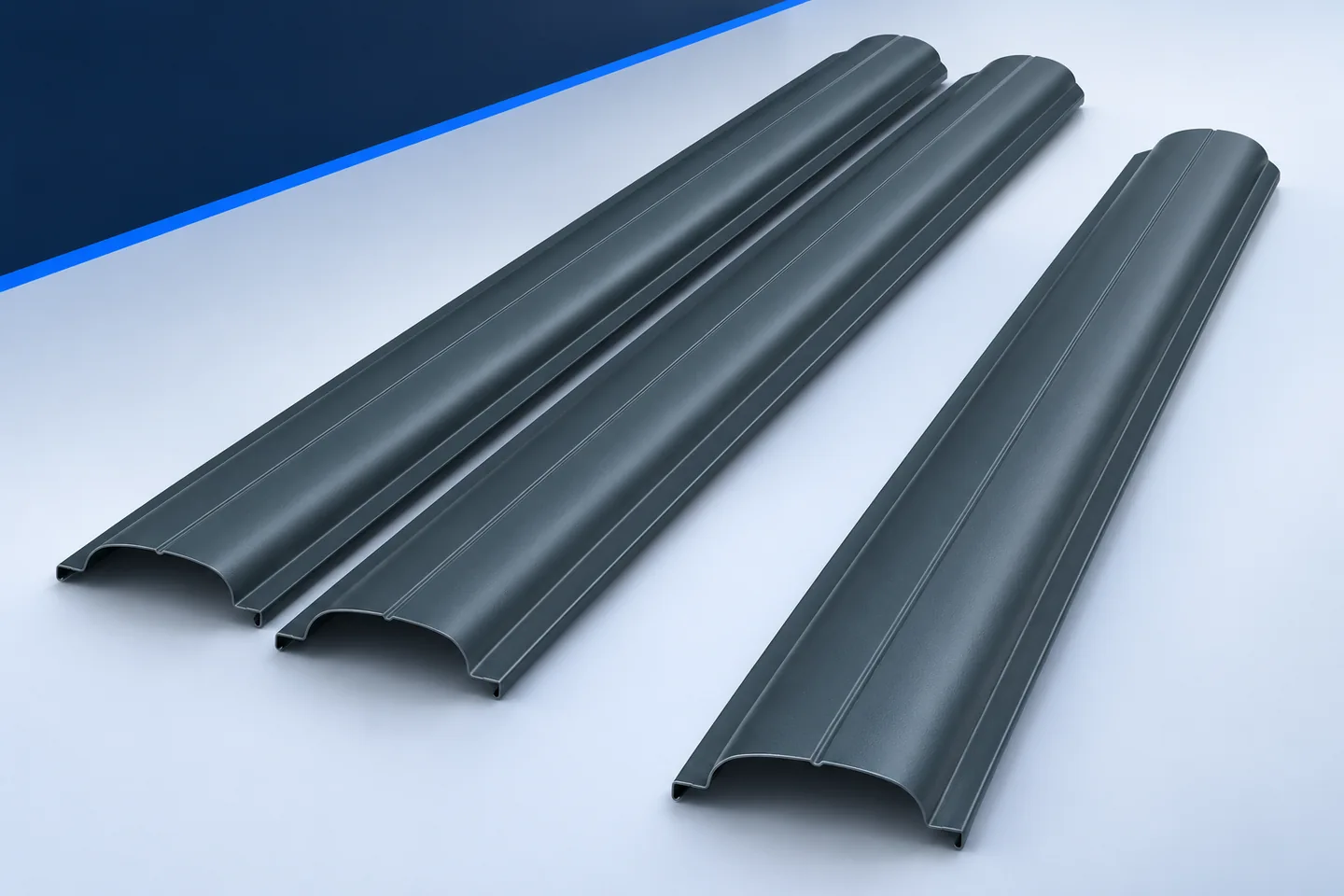
Uneven gaps, rust-coloured spots and a loose picket can have quite different causes. Before tightening, grinding or straightening anything, examine the layout,…