






Thermano Compact for a small renovation: start with the cutting plan
PIR insulation
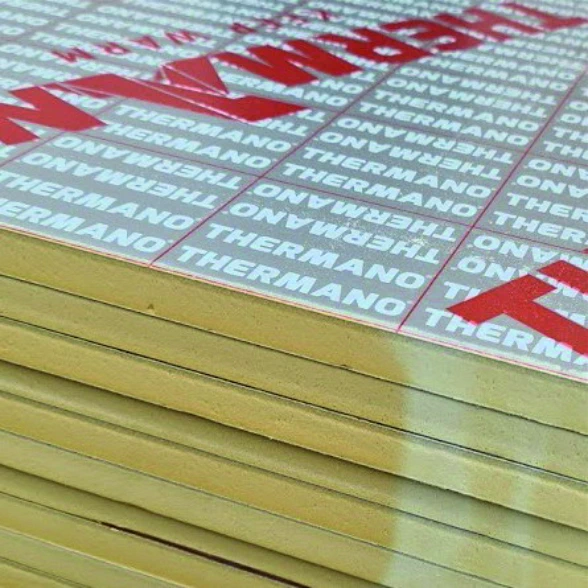
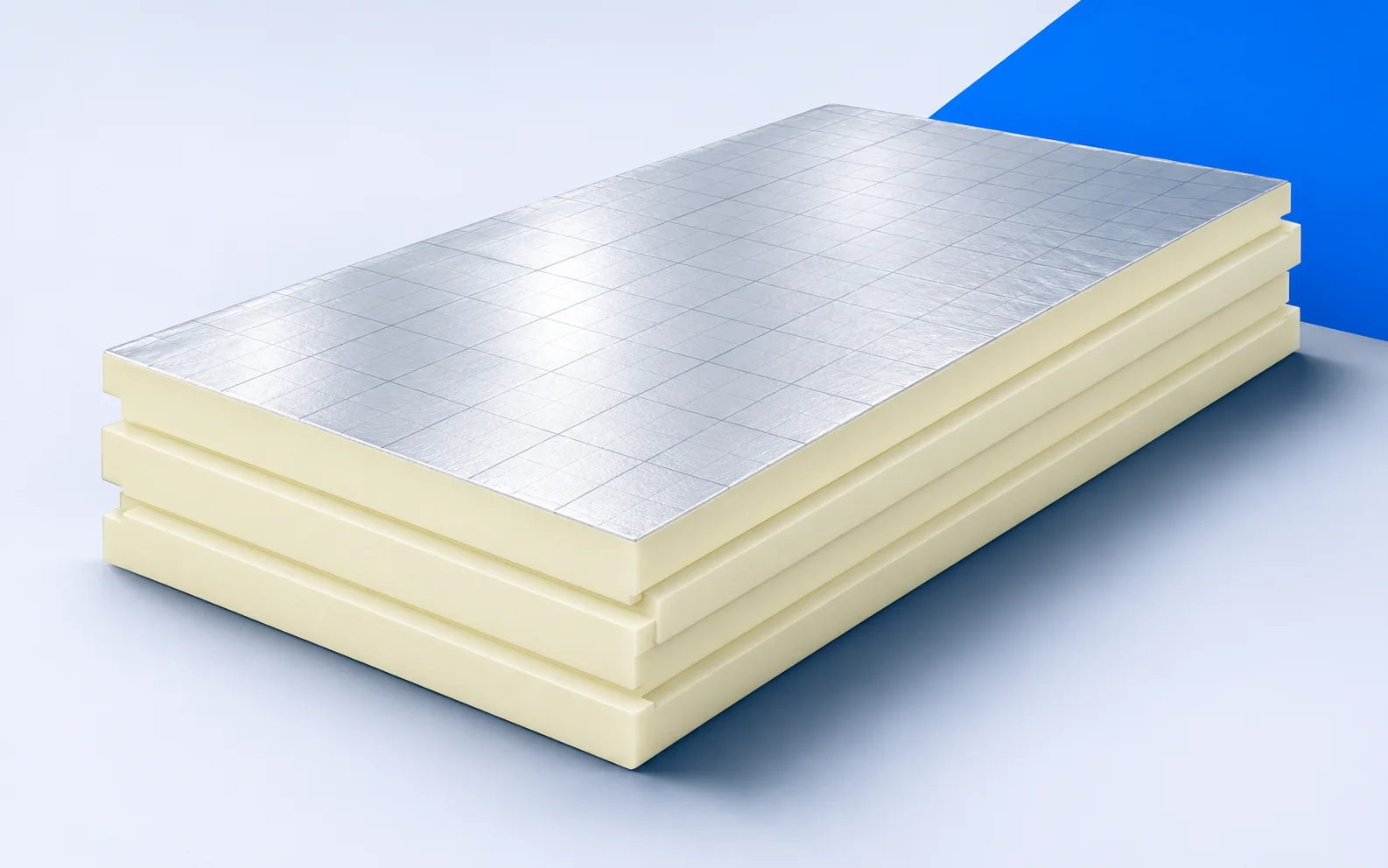
Thermano Compact boards measure 600 × 1200 mm, a useful size for narrow stairs and a job made up of short runs. Measure the access route, the longest piece required and the space available for cutting as well as the recess itself. Draw the pieces on a full board outline. That sketch will tell you how many boards to buy and which factory edges will survive the cut. Thickness and the loads the insulation must carry are separate decisions.
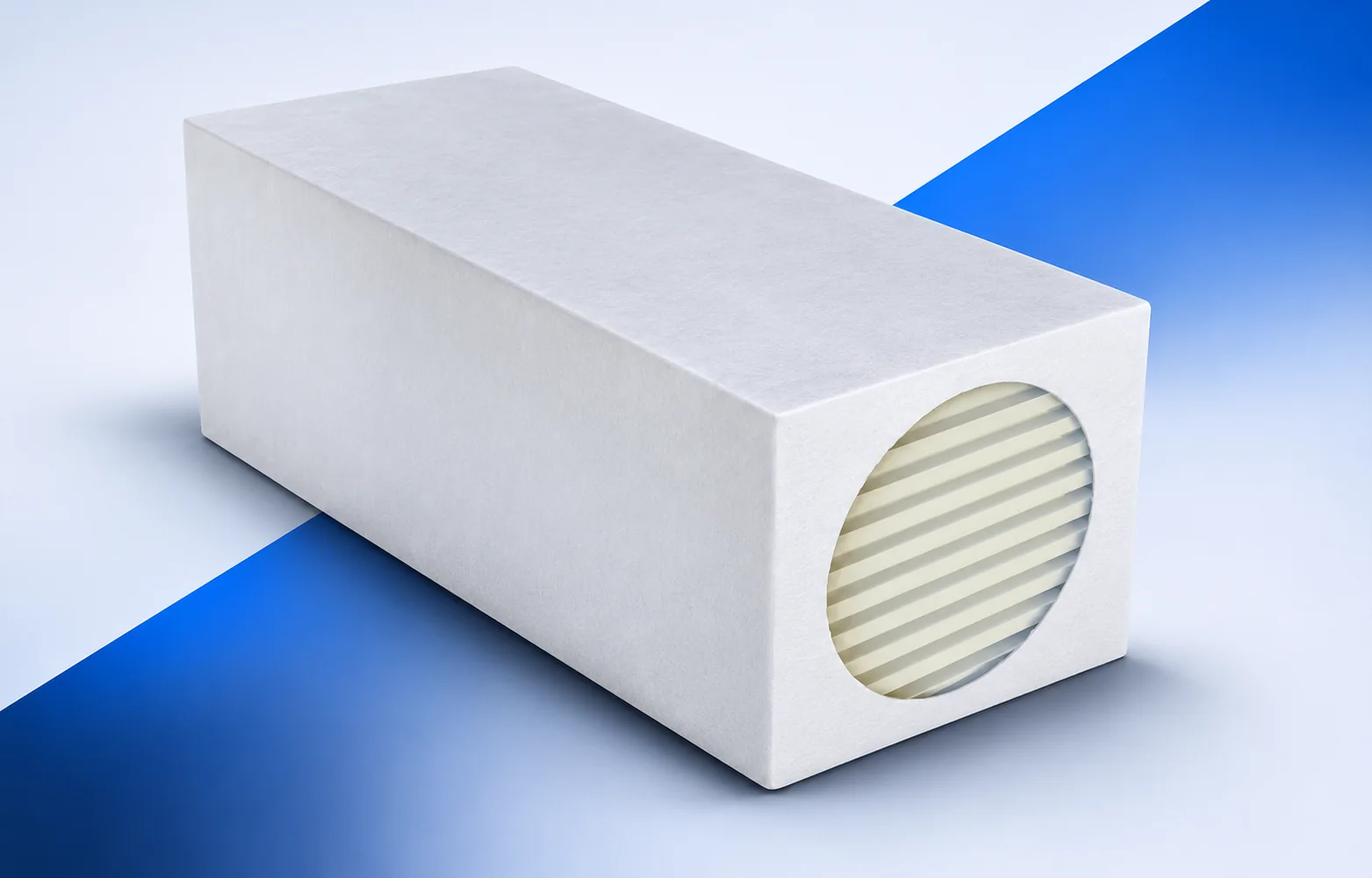
What exactly are you buying?
A cardboard template will help you try the turn on a staircase. Allow for the pack thickness if boards will be carried upstairs unopened.
Two recesses of equal area can require different board counts. Whether an offcut can be reused depends on its width, length and remaining factory edge.
Junctions worth checking
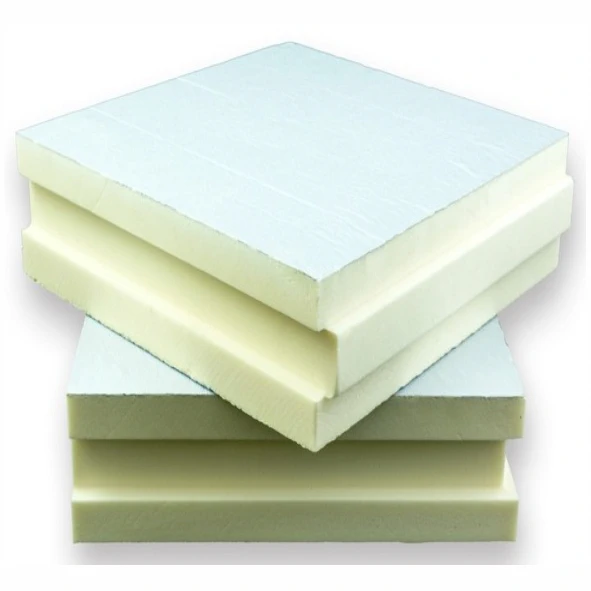
Compact comes with a straight BASIC or profiled TOP edge. Cutting through a profiled side removes the factory joint on that edge.
Mark the destination of each cut edge on the sketch. The installer can then specify how each joint will be closed before the order is placed.
Reading the thermal figures
Use λD = 0.023 W/(m·K) for Compact. A handy board size changes handling, not the thickness needed for thermal performance.
At a reveal, measure from the masonry to the moving sash. Check on the section that the window will open freely once the finish is added.
Protecting the layers and their junctions
The aluminium-containing facing cannot drain a defective sill. Inspect the frame-to-wall junction before hiding it behind the new insulation.
For floors, establish which side of the insulation carries the damp protection. Its edges at walls and pipes matter just as much as the middle of a board.
Understanding load and fire ratings
The manufacturer specifies compressive stress at 10% deformation by thickness. Check the declaration for the supplied thickness; the Compact name alone does not give a design load.
The figures given are at least 150 kPa up to 30 mm and 200 kPa from 40 mm. Reaction-to-fire class E applies to the board, not the finished recess lining.
Quotation and handover
Send the cutting plan, thickness and edge type with your enquiry. Ask how many boards are in a pack of that specific version.
Establish whether carrying, cutting and joint work are included. A square-metre price omits the very operations that make a small format attractive.

Free quote
What to include in your enquiry
Tell us how you plan to use the material, the dimensions and the quantity you need. Include the thickness, grade or variant name, along with the delivery town or your preferred collection branch. For a specific product, add its name or a link to the product page. We will reply to the email address you provide to discuss availability and the terms of your order.

More from the building guide
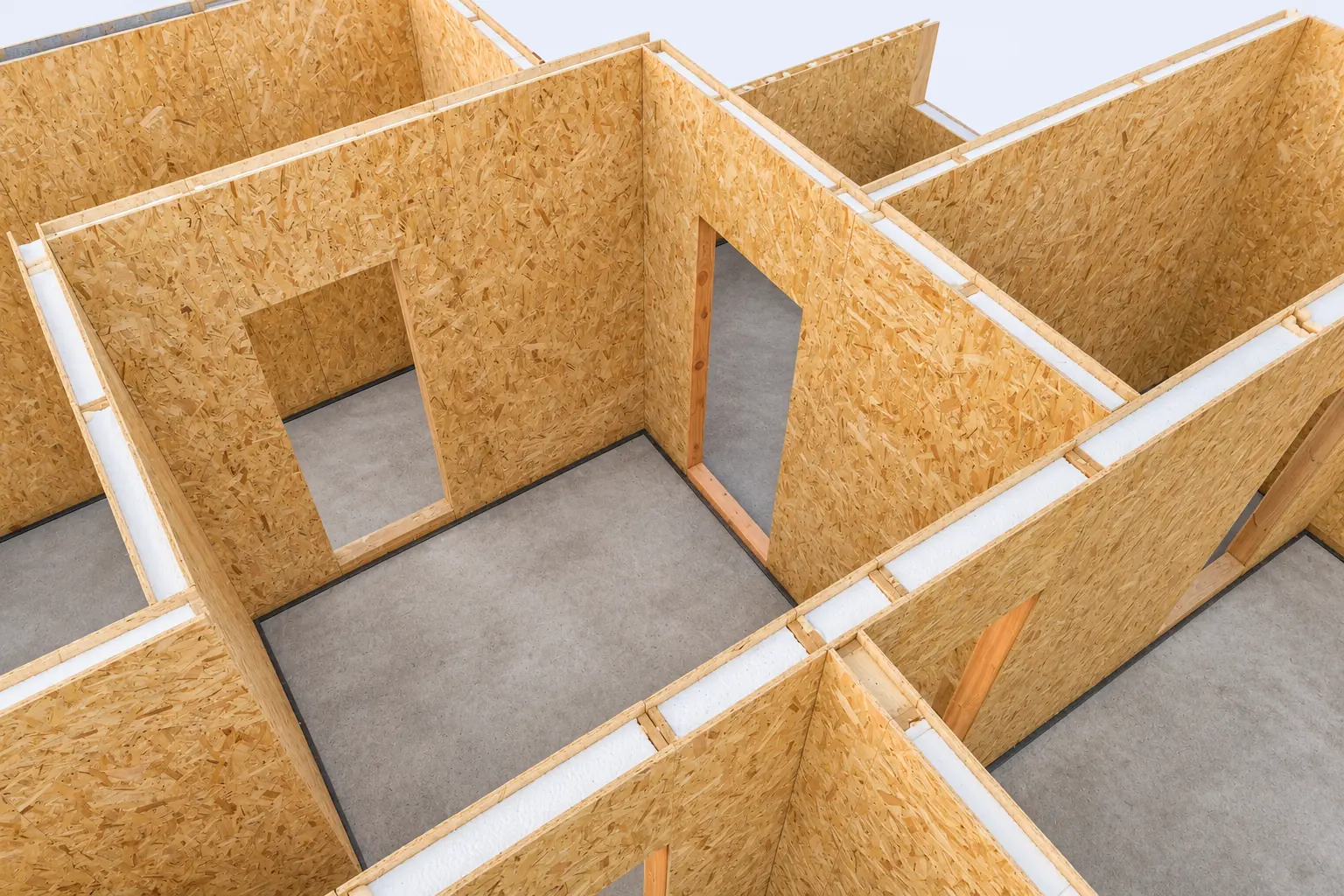
A SIP house kit may consist of uncut panels, numbered pieces machined to the design, or a supply-and-install package. Before comparing prices,…
Ask what will be finished when the crew leaves. A square metre of PIR does not include substrate preparation, fixings or sealed…
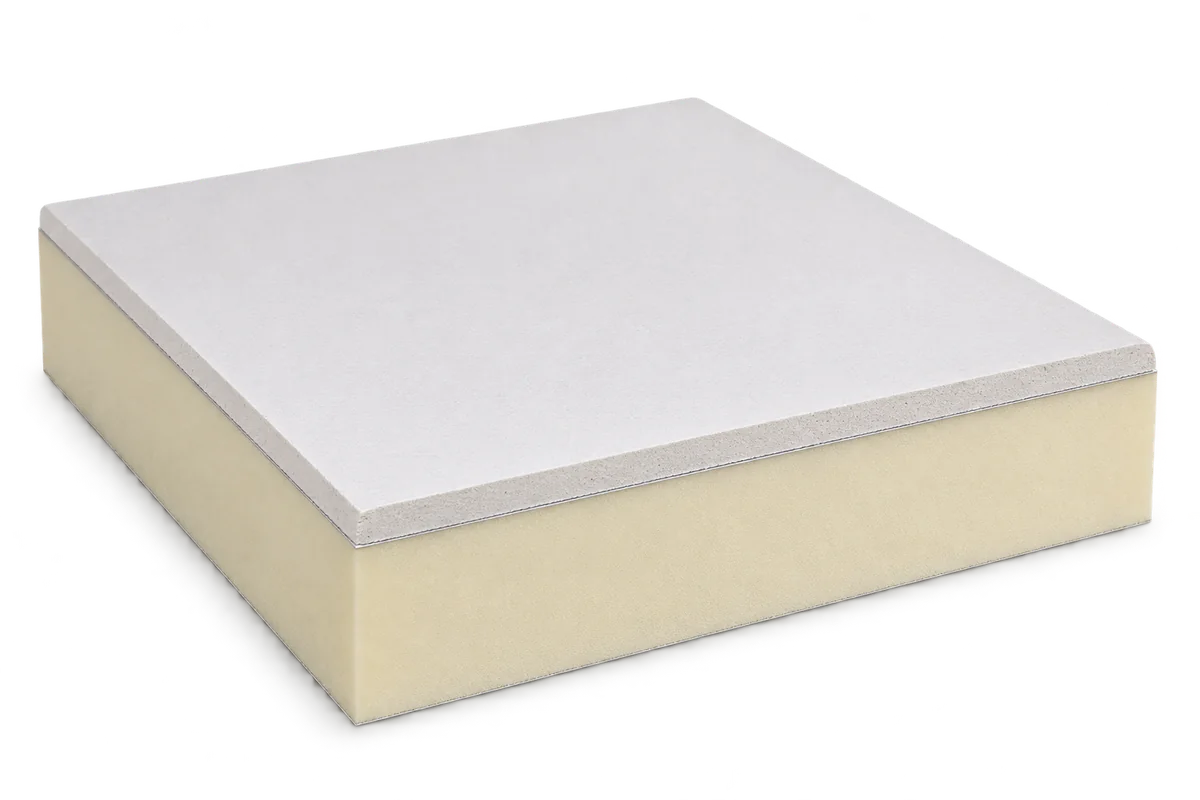
PIR insulated plasterboard combines thermal insulation with an internal wall lining in one product. Its suitability nevertheless depends on wall condition, thermal…
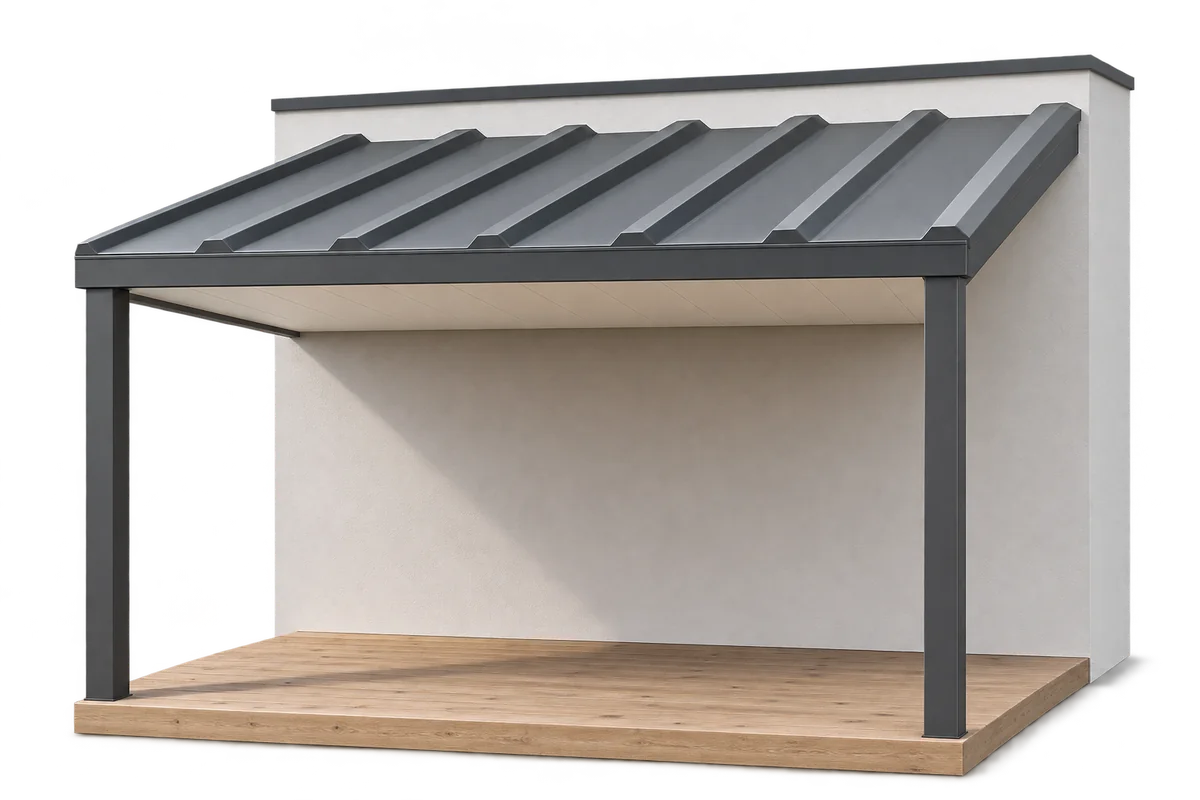
A terrace above a heated room forms part of the building's roof, while a canopy over the terrace shelters the seating area…
A calculator can quickly produce a wall's U-value, but it cannot inspect the masonry, check airtight junctions or identify every moisture risk…
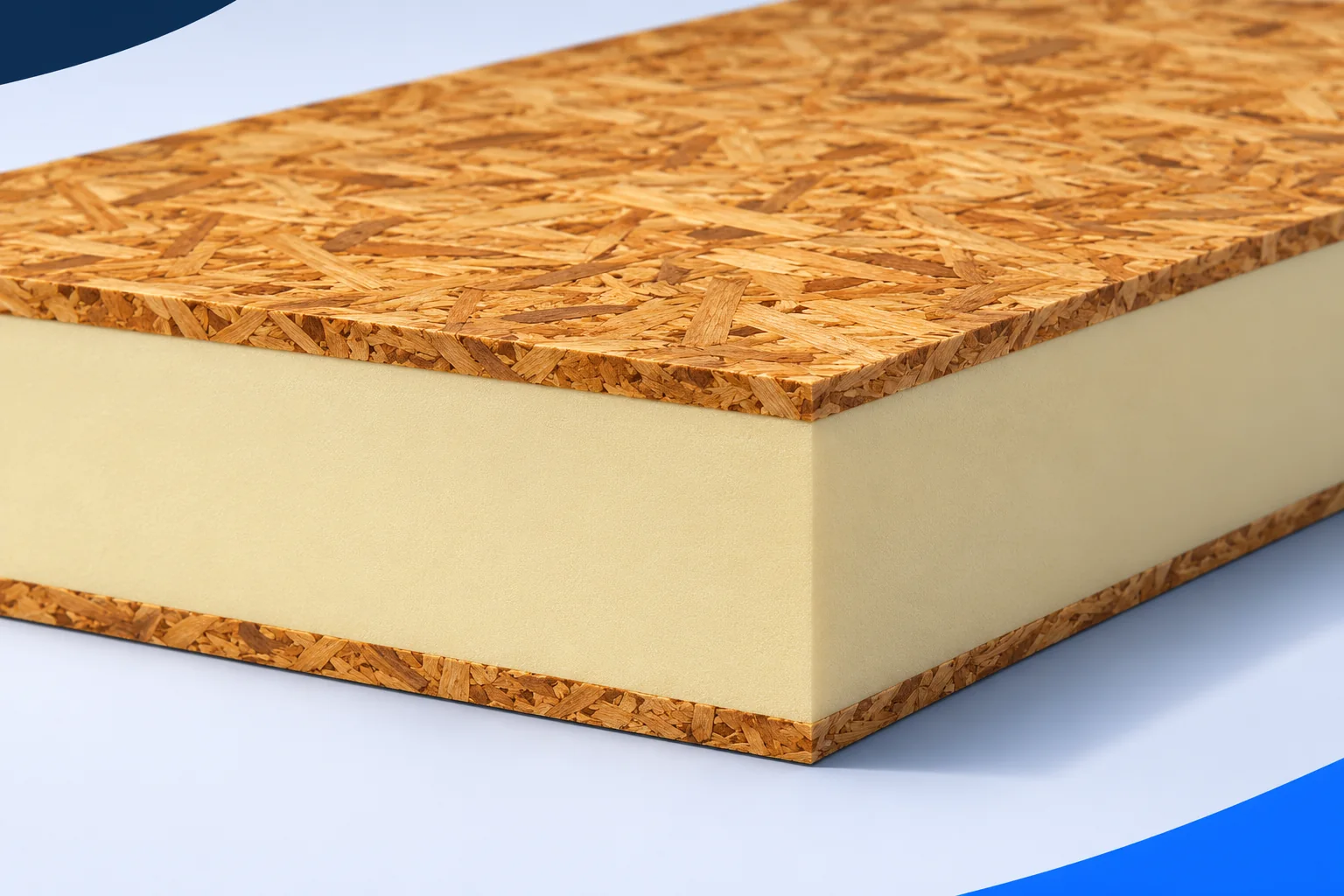
In a SIP house the structural wall and part of the insulation arrive together. This makes erection convenient but changes how services…
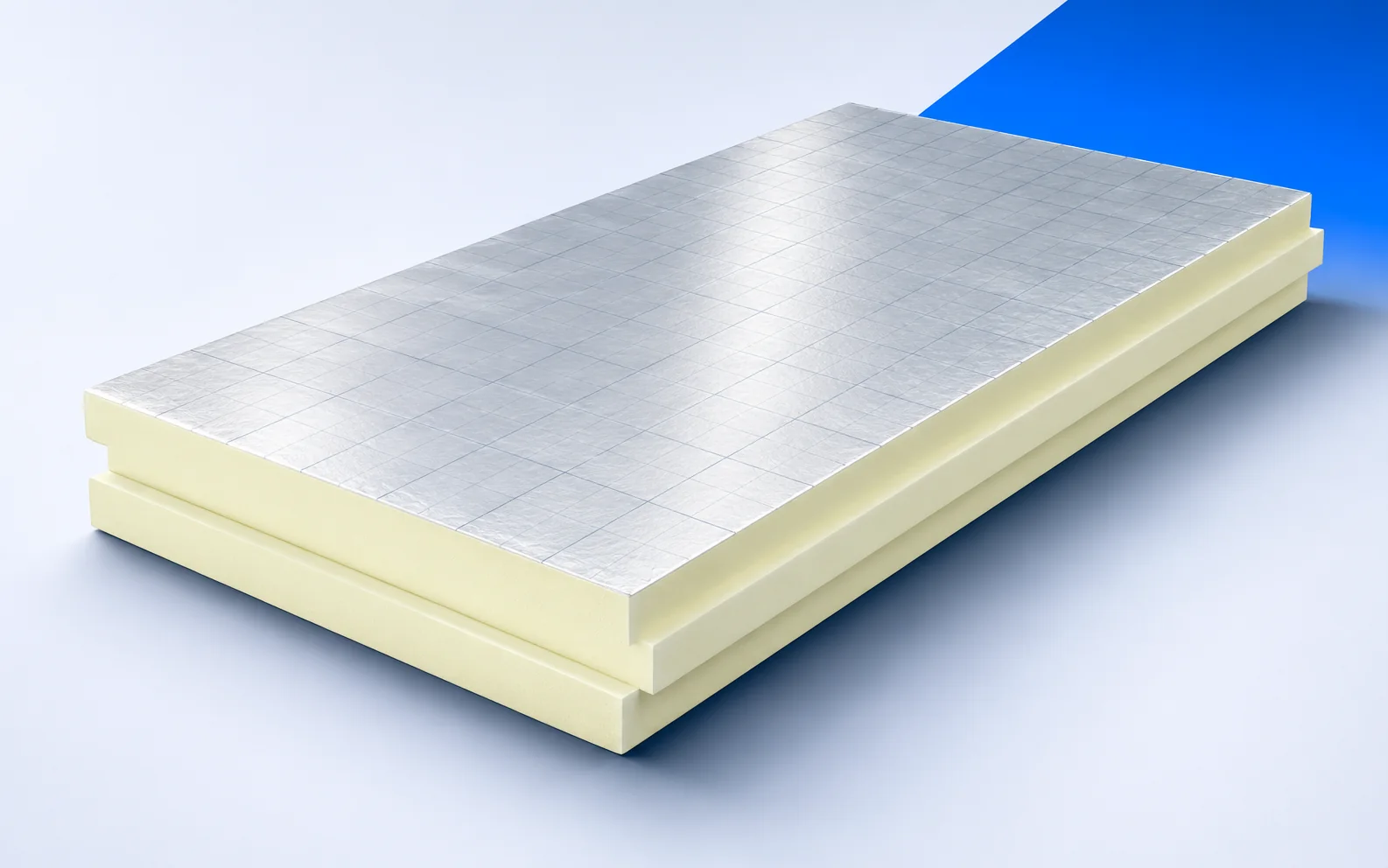
PIR boards above the rafters insulate a pitched roof without using up more loft space. Before work begins, agree on the finished…
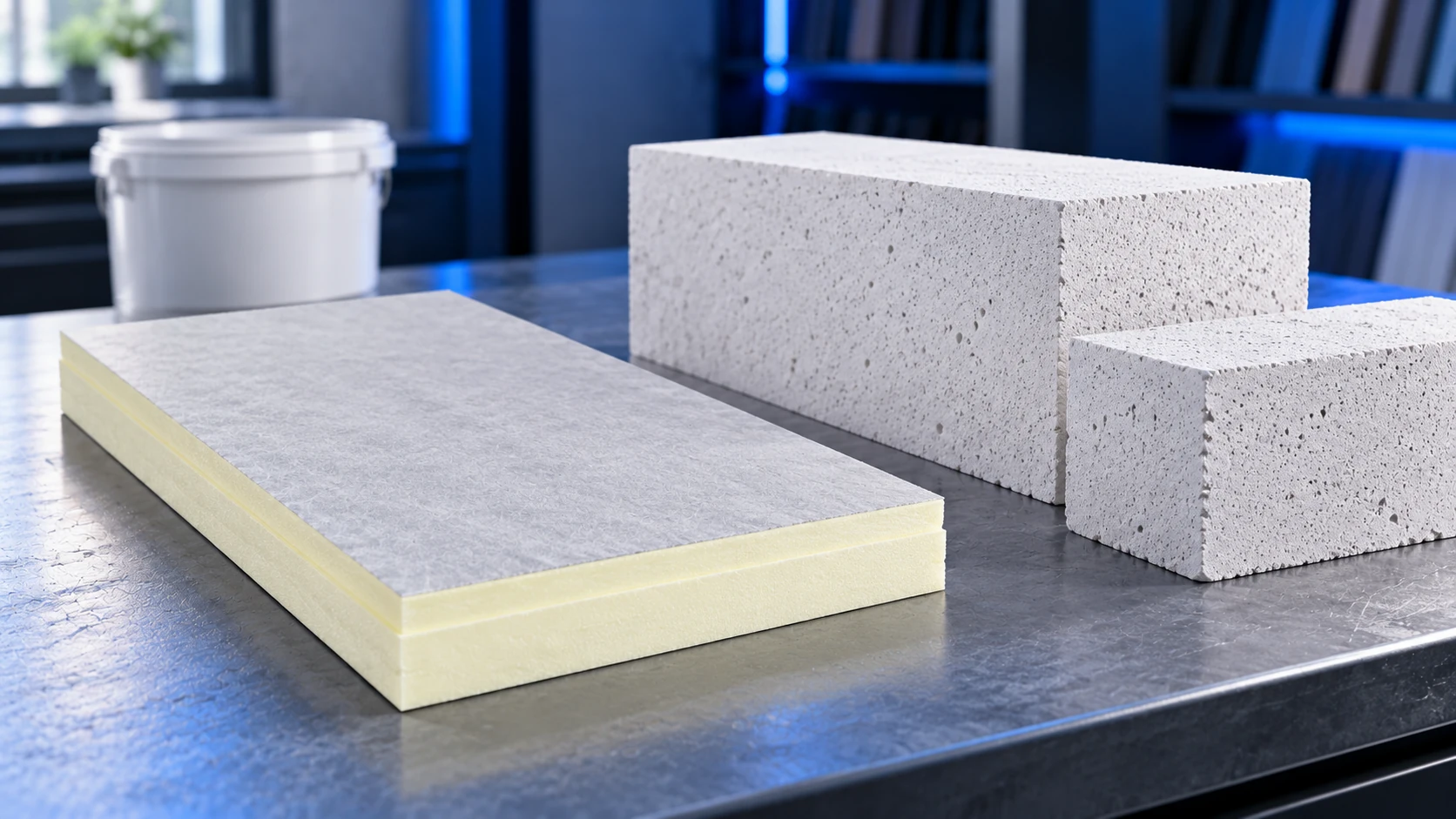
An aerated concrete wall needs a compatible insulation system, not simply a product labelled PIR. A rendered façade requires the appropriate board…