Panels · Sheet metal · Insulation · Accessories

Using a PIR calculator to select wall-insulation thickness

A PIR calculator helps compare insulation options, but its result is only as reliable as the data entered. Use the actual masonry, the selected board's performance and the intended thermal target. Check whether the tool covers the full wall, fixings, thermal bridges and moisture, rather than assuming every requirement is included. This guide walks through inputs, units, a simple resistance calculation and selection of an available thickness. It also explains what to retain in the report and pass to the supplier. The displayed number of centimetres supports a decision; it does not complete the design or establish suitability for installation.
By |2026-11-11T09:07:22+01:0011 November 2026|PIR boards and insulation|Comments Off on Using a PIR calculator to select wall-insulation thickness

Internal insulation in an older masonry apartment building: planning the work

Internal insulation can be considered when an older masonry building's facade must remain unchanged. Its suitability depends on the existing construction: thick masonry, timber floors and past damp can all alter the assessment. Start by investigating the building and the permitted scope of work, rather than selecting a board. This guide explains moisture assessment, embedded beam ends, the full thickness of plasterboard-faced PIR and details at windows, floors and services. It also covers sequencing and records for handover. A successful improvement should increase comfort while protecting the existing fabric; a thin, efficient insulation layer alone cannot guarantee that outcome.

By |2026-11-11T09:07:21+01:0011 November 2026|PIR boards and insulation|Comments Off on Internal insulation in an older masonry apartment building: planning the work

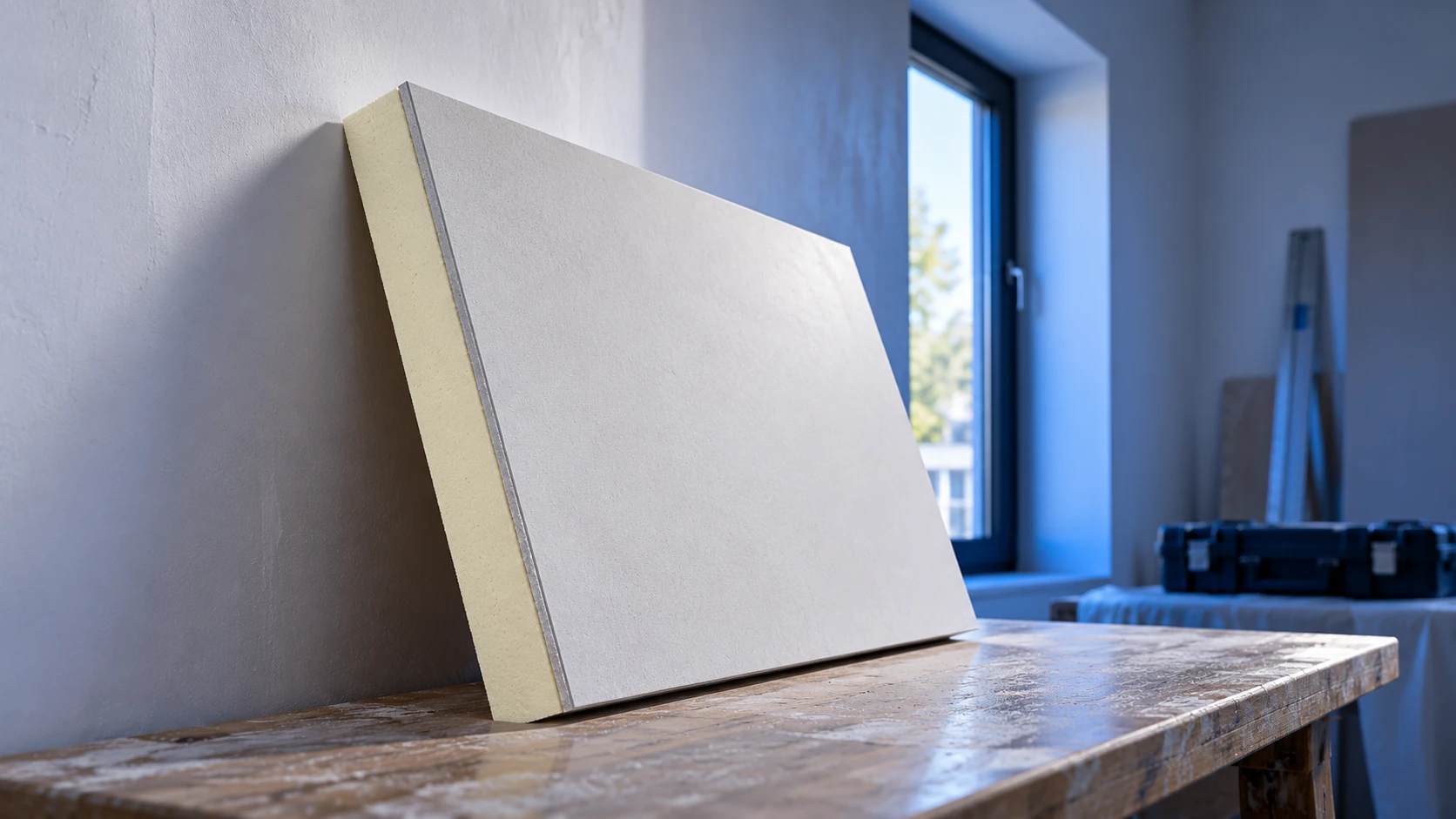
Insulating a 1990s house internally while retaining its facade

Internal insulation in a 1990s house should start with an assessment of the existing wall, not a board order. The construction date does not establish which masonry, cavity or insulation was actually installed. Keeping the facade can reduce external work, but moisture, services and thermal bridges still need attention. This guide covers checking old drawings against the building, choosing plasterboard-faced PIR, planning fixings for heavy fittings and inspecting concealed joints. The intended heating and ventilation arrangements matter too. A successful refurbishment depends on dry, suitable construction and coordinated details, rather than insulation thickness alone.

By |2026-11-11T09:07:20+01:0011 November 2026|PIR boards and insulation|Comments Off on Insulating a 1990s house internally while retaining its facade

How much PIR replaces EPS? Comparing insulation at equal thermal resistance

PIR insulation is not invariably half as thick as EPS. The equivalent thickness depends on the thermal conductivity of both chosen products. This guide compares insulation layers at the same thermal resistance, using worked examples for 200 mm EPS and different PIR facings. It also explains why a calculated thickness must be checked against available board sizes, intended use, fixings and the complete wall build-up. Equal resistance does not mean equal moisture, fire or load performance. Use the calculation to compare viable options; it cannot justify substituting an arbitrary board or predict the energy bills of an entire building.

By |2026-11-11T09:07:19+01:0011 November 2026|PIR boards and insulation|Comments Off on How much PIR replaces EPS? Comparing insulation at equal thermal resistance

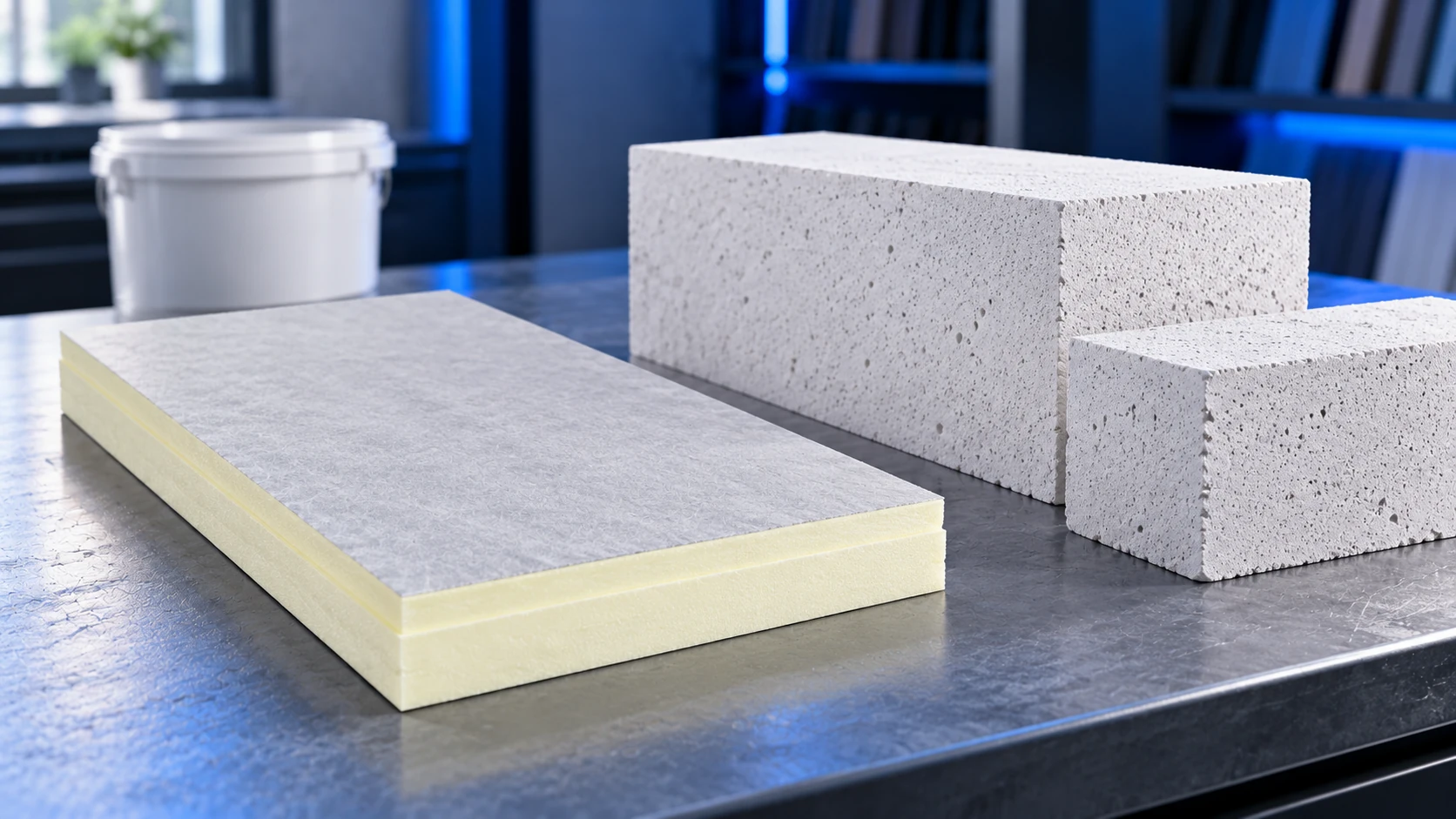
Choosing render-compatible PIR insulation for aerated concrete walls

An aerated concrete wall needs a compatible insulation system, not simply a product labelled PIR. A rendered façade requires the appropriate board facing, adhesive and fixings, while thickness depends on the specific block and design requirements. Not every PIR board has lambda = 0.022. This guide explains which masonry data to collect, how to distinguish a render-compatible facing and how an illustrative thermal calculation works. It also covers absorbent-substrate preparation, openings, the wall base and staged inspections. Confirm the complete system before ordering so that the thermal calculation and installation details describe the same solution.

By |2026-11-11T08:43:26+01:0011 November 2026|PIR boards and insulation|Comments Off on Choosing render-compatible PIR insulation for aerated concrete walls

Internal insulation for a wall beside the property boundary

When there is no room for external insulation, an internal lining may be considered. It requires assessment of moisture, junctions and the space available inside. Thin PIR can help limit the loss of floor area, but does not automatically resolve property-boundary issues or the building's other requirements. Establish the scope of work separately, then design the wall as a complete assembly. This guide covers lining thickness, perimeter continuity, sockets and heavy fixings, as well as future room use. It explains why a good average U-value is insufficient if the existing masonry remains wet or a junction stays cold.

By |2026-11-11T08:43:25+01:0011 November 2026|PIR boards and insulation|Comments Off on Internal insulation for a wall beside the property boundary

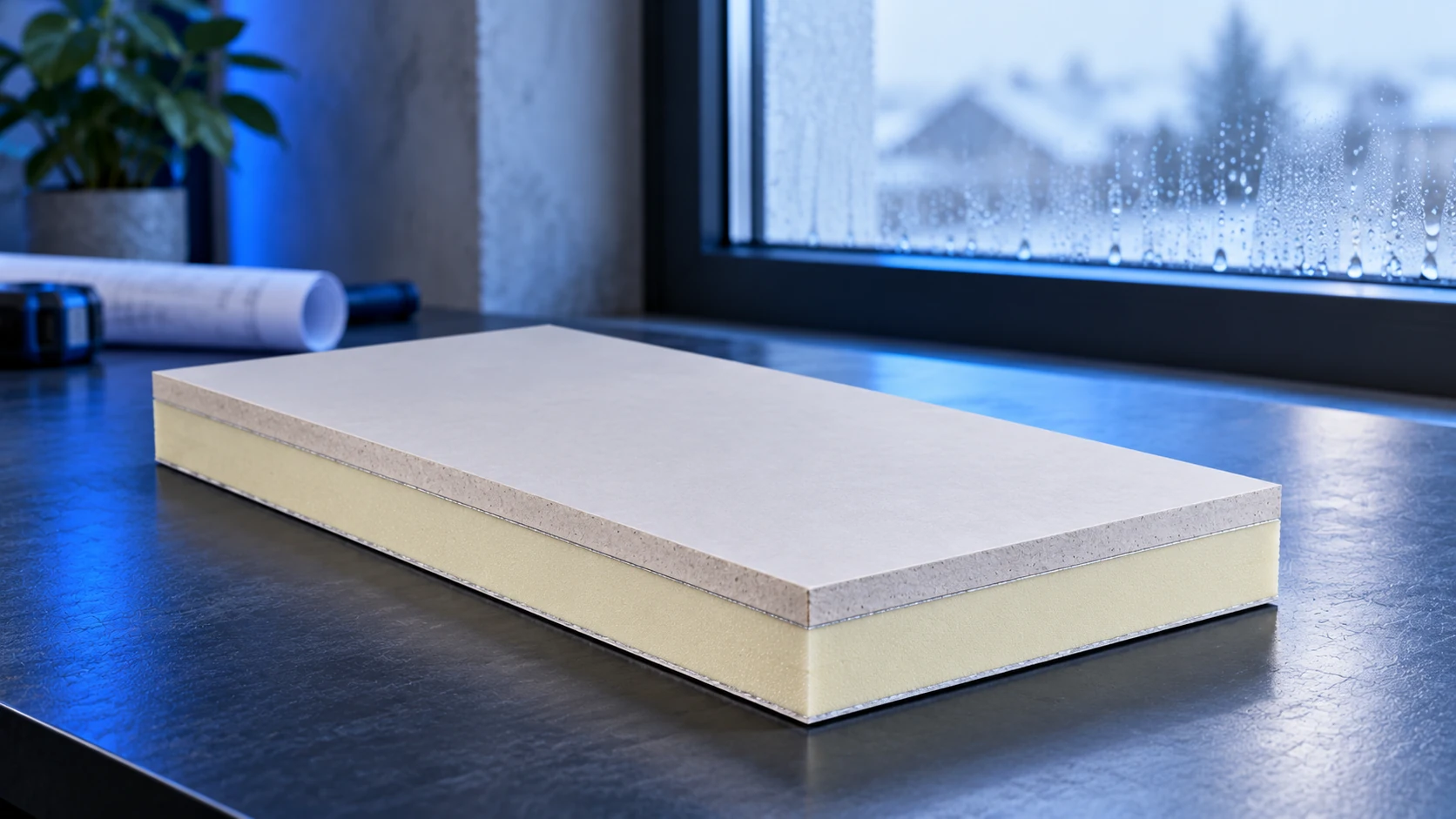
Damp on a north-facing wall: identifying the cause before tackling mould

A north-facing wall is not inherently damp. Problems arise when a cold surface combines with excess indoor moisture or water entering the building. Insulation may help, but its design should follow a diagnosis rather than conceal a stain. Check the location and timing of dampness, surface temperatures, ventilation and possible leaks. A thermal image can guide inspection but cannot identify the cause on its own. This guide explains what observations to collect, why even an apparently dry surface can support mould and how to check the result after repairs. Covering unassessed masonry with PIR may simply hide the original problem.

By |2026-11-11T08:43:24+01:0011 November 2026|PIR boards and insulation|Comments Off on Damp on a north-facing wall: identifying the cause before tackling mould

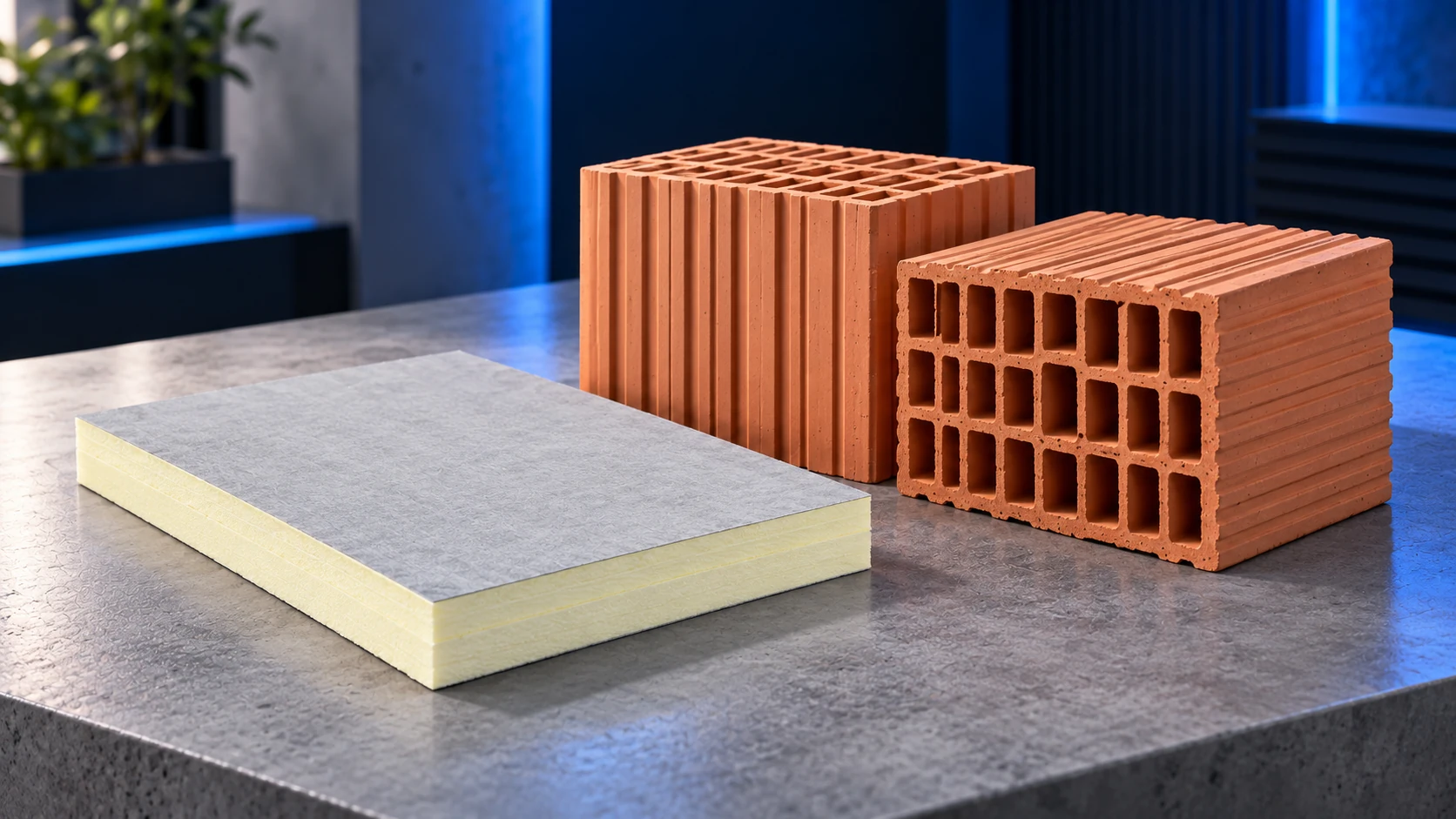
Choosing PIR insulation for hollow clay block walls

A clay block's family name is not enough to select insulation thickness. You need the precise block, masonry thickness and mortar-joint arrangement, together with the other wall layers. PIR used beneath render differs from a board installed internally; the facing and compatible system matter as much as lambda. This guide compares options using an explicitly assumed wall resistance rather than a design for a particular house. It also covers ring beams, windows, substrate preparation and fixings. Use the worked example to understand the calculation, then replace its assumptions with verified building and product data before placing an order.

By |2026-11-11T08:43:22+01:0011 November 2026|PIR boards and insulation|Comments Off on Choosing PIR insulation for hollow clay block walls

Planning cost-effective insulation for a garage, outbuilding or holiday cabin

Cost-effective insulation suits the way a building is used. An unheated garage has different needs from a workshop or a holiday cabin occupied in winter. Before buying PIR, decide where the heated space will end, then check the roof, airtightness and moisture condition. Board thickness alone cannot determine the cost or result. Compare complete alternatives, including repairs, fixings, protective layers, finishing and delivery. This guide helps define the insulated area, distinguish thin-faced PIR insulation from structural cladding panels and plan quantities and work stages. A smaller, well-designed scope can be more useful than insulating every surface without a clear heating strategy.

By |2026-11-11T08:43:21+01:0011 November 2026|PIR boards and insulation|Comments Off on Planning cost-effective insulation for a garage, outbuilding or holiday cabin

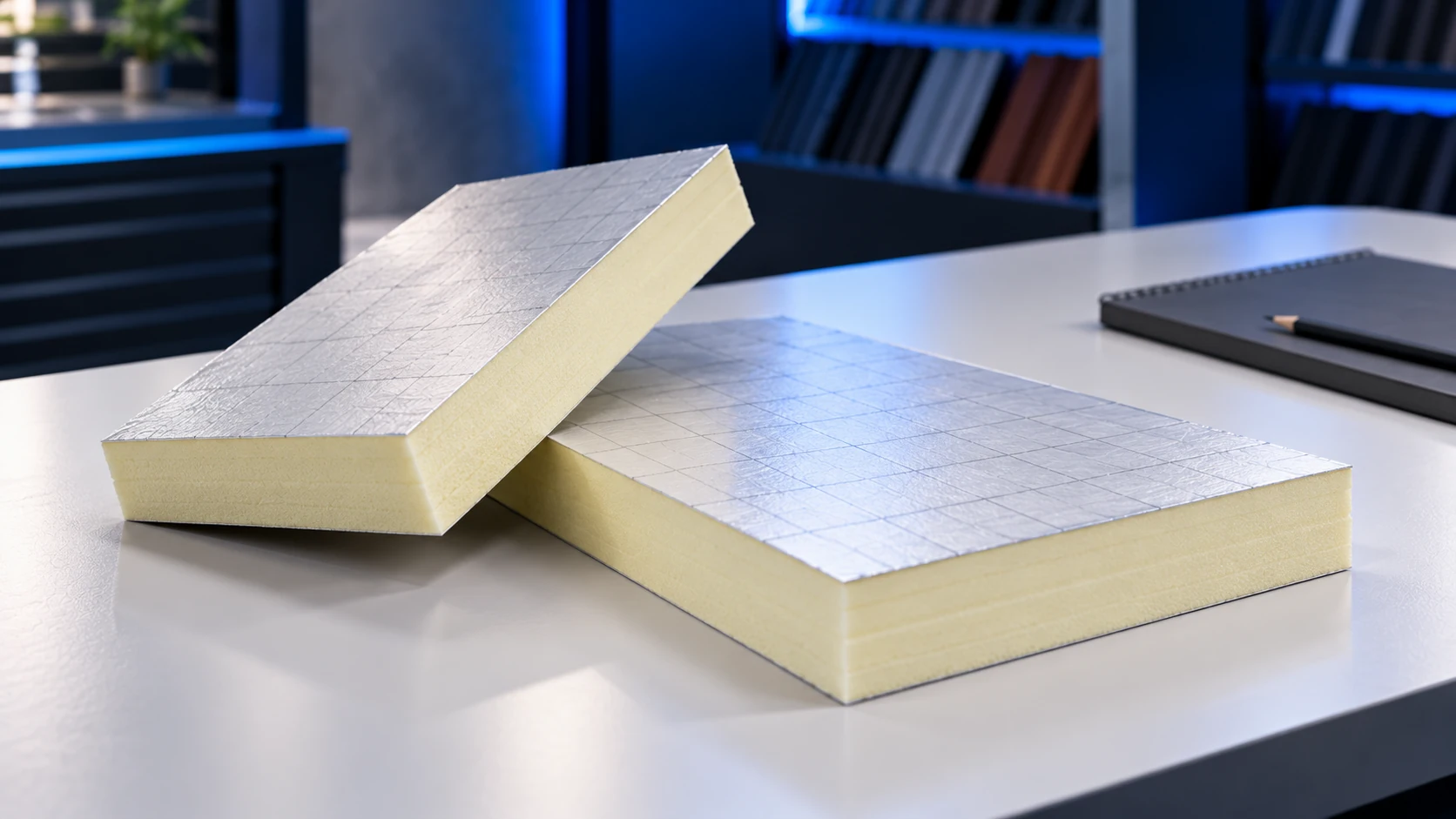
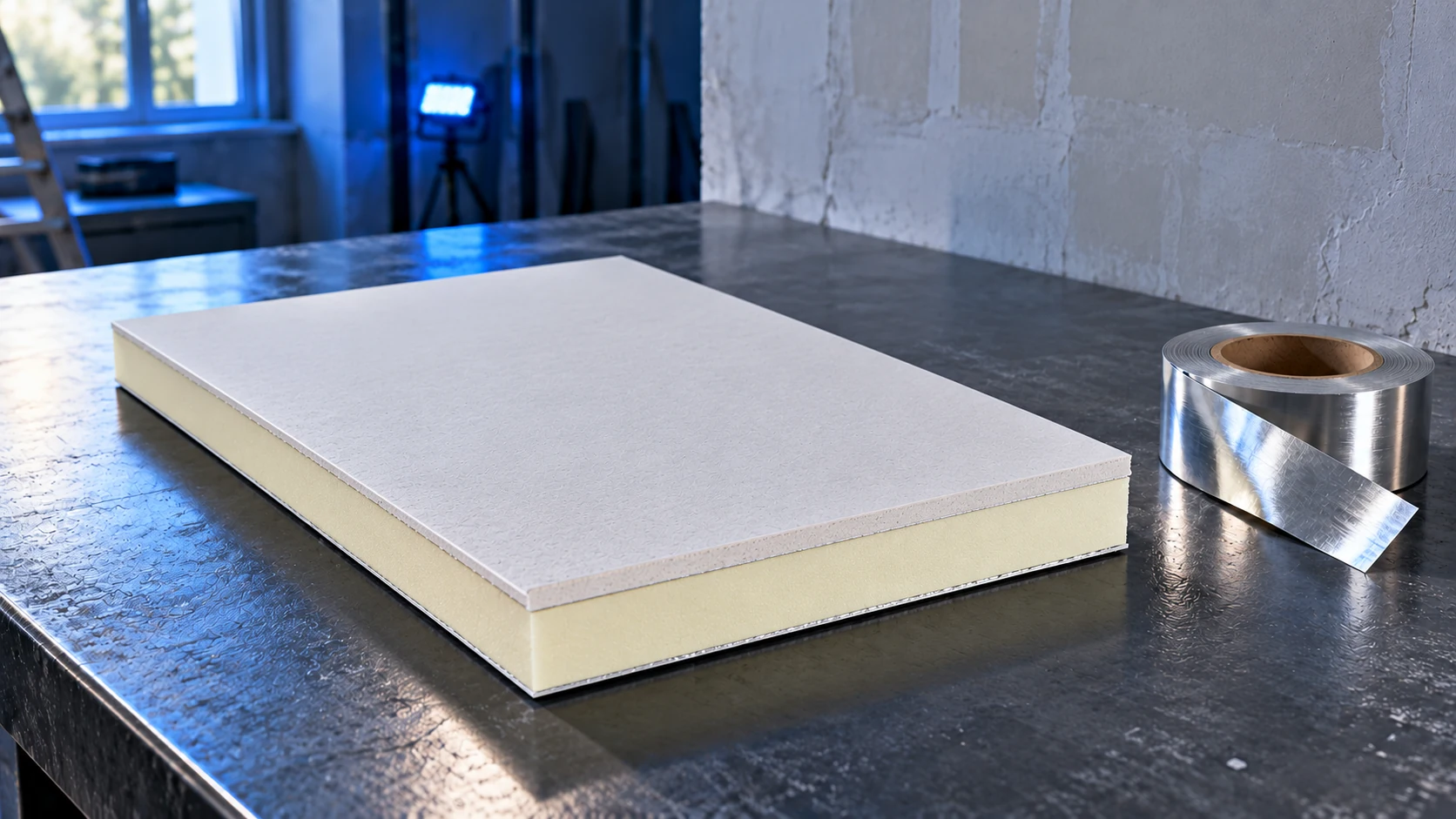
Internal wall insulation: maintaining continuity of an aluminium-faced PIR layer

Internal wall insulation can improve comfort without altering the façade, but needs a prepared substrate and carefully sealed details. An aluminium facing limits vapour transmission only as part of an assembly with suitable joints, perimeter seals and penetrations. It cannot remedy a leak or remove moisture already trapped in masonry. Before choosing PIR, assess the wall from both sides, its drying potential and the room's use. Include the full lining thickness, window reveals and services in the design. This guide explains where continuity is commonly lost and what to check before bonding, finishing and using the newly insulated room.

By |2026-11-11T08:43:20+01:0011 November 2026|PIR boards and insulation|Comments Off on Internal wall insulation: maintaining continuity of an aluminium-faced PIR layer
Back to top