






Delivering and storing SIPs on site
SIP panels and insulation
Schedule delivery of structural insulated panels (SIPs) for a time when the site is ready. Panels need suitable unloading equipment, level supports and protection from rain. Planning the laydown area reduces repeated handling and keeps panels accessible in erection order. This protects OSB faces, edges and the bond to the polyurethane core. Before dispatch, establish the vehicle type and largest panel dimensions. Check entrance width, turning space and the bearing capacity of the standing area. Overhead wires, trees and other obstructions can limit the unloading equipment’s working space even when the truck itself can get in.
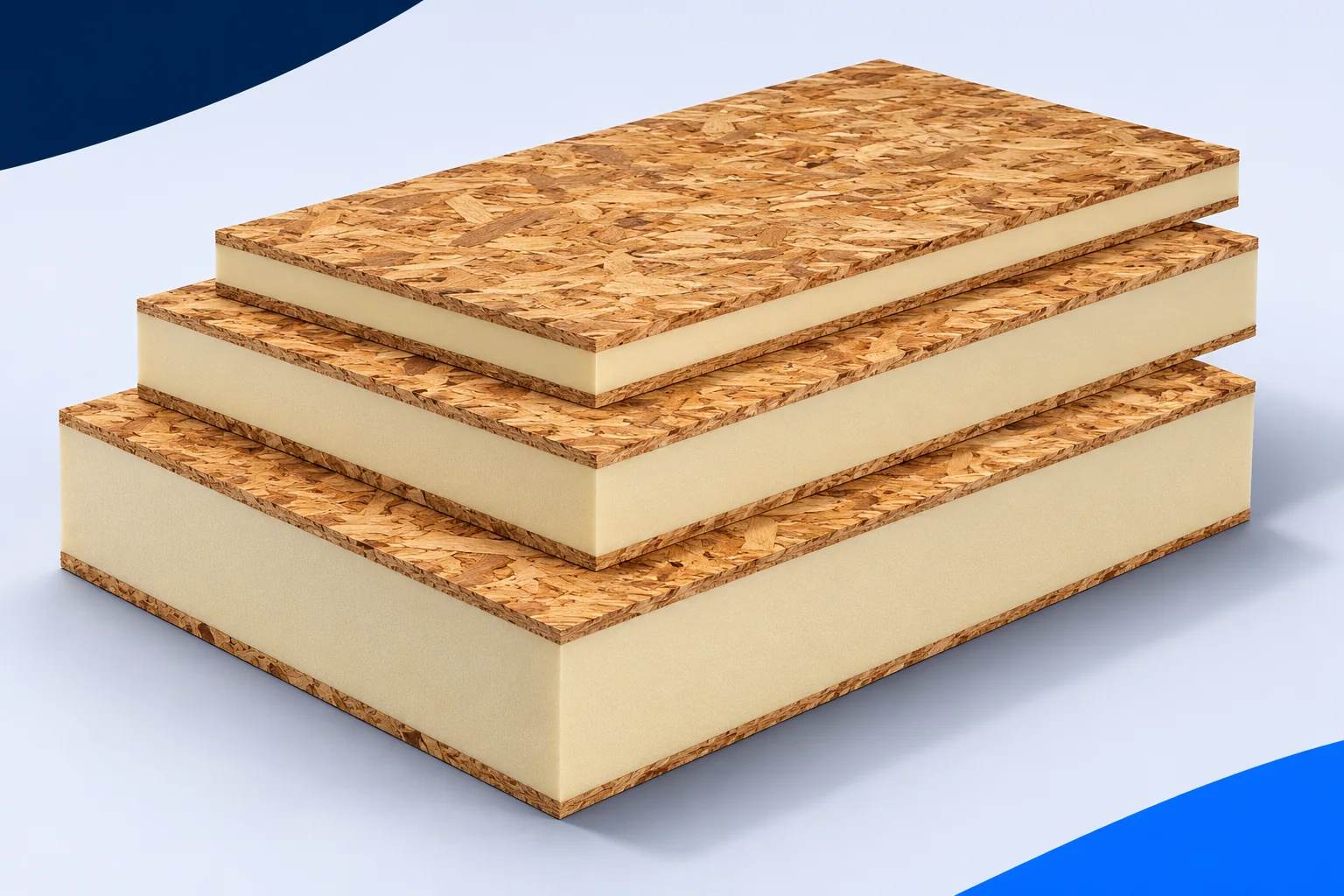
Start with access and a laydown area
Before the carrier dispatches a vehicle, give the supplier the entrance dimensions, available space and positions of obstructions. These details determine which vehicle can be used and from which side the panels can be unloaded.
SIP stands for structural insulated panel. Panels come in several formats. Large elements let a crew close a wall quickly, but they also need room to turn and move safely. Lower weight than some traditional wall assemblies does not mean they can automatically be unloaded by hand.
Arrange delivery in erection order
Panel marks should match the drawings. Prepare storage zones so the first panels needed do not end up beneath the rest. Group them by floor, wall or construction stage. This reduces handling and makes it easier to check the set before erection begins.
Leave space to inspect and prepare panels; some tasks are easier at ground level. Plan access to the stacks after the first walls are standing. A layout that works during unloading may become impractical once a wall closes one side or machinery occupies the access route.
Inspect panels on arrival
Check quantities and panel marks against the delivery documents. Examine corners, facing edges and areas where transport straps touched the load. Describe and photograph damage before installation. Agree repairs with the system supplier or responsible specialist. Covering a damaged area can make it difficult to assess later.
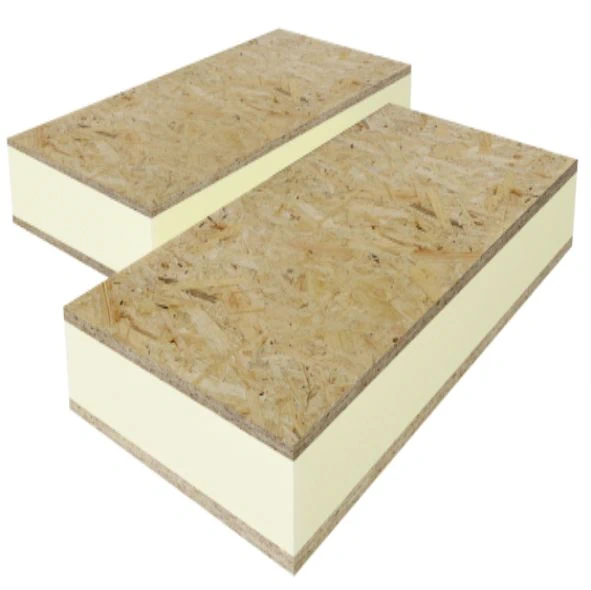
The PUR or PIR core and OSB facings form a composite. Delamination, a crushed edge or major facing damage can affect more than appearance. Minor scratches need not have the same significance. Assess the specific defect against the panel’s structural role and its connection to adjoining panels.
Support panels without distorting them
Keep stacked panels off the ground on prepared bearers. The ground must be stable, and the supports should suit the panel size and supplier instructions. A small contact area can concentrate weight on the lowest panel. Uneven supports may distort the whole stack.
Do not lean long panels against whatever materials happen to be nearby. Set aside a prepared, accessible storage area. Check permitted stacking arrangements and set stack dimensions and support points for the SIPs actually delivered rather than copying practices used for other boards.
Plan protection from rain
Do not expose wood-based facings to prolonged wetting. Suitability for humid conditions is not the same as resistance to continuous rain exposure. Cover the stack according to the instructions and arrange the cover so water cannot pool on panels or along their edges.
Inspect covers after strong winds. A displaced edge or runoff from an adjacent surface can let water underneath. When booking delivery, consider how long panels will wait before erection. A short, planned storage period reduces the number of occasions when extra protection is needed.
Weather also affects erection
A large panel presents a substantial area to the wind. Lifting conditions and temporary bracing must be part of the work plan. Rain is not the only consideration: sealants, adhesives and tapes have temperature and humidity limits. Factory manufacture does not remove the installation materials’ site conditions.
The polyurethane insulation arrives in the panel, but the crew makes the joints on site. Wet or dirty surfaces can prevent the specified seal from forming. If conditions fall outside the instructions, agree how to proceed. Time spent protecting and checking panels can avoid repairs later.
Make the delivery work for the installation crew
Confirm that wall bases, equipment and crew are ready before the truck arrives. Appoint one person to coordinate unloading and check the panel marks. Give that person the current schedule and a way to report discrepancies, so panels go straight to their zones without checks getting lost among other site tasks.
Polyurethane-core SIPs can speed up enclosure of a house when site logistics support the system. Panels arrive in sound condition, joints are ready for assembly and the crew does not waste time finding or shifting pieces. Delivery planning is part of the construction method, not just a transport item on the order.

Free quote
What to include in your enquiry
Tell us how you plan to use the material, the dimensions and the quantity you need. Include the thickness, grade or variant name, along with the delivery town or your preferred collection branch. For a specific product, add its name or a link to the product page. We will reply to the email address you provide to discuss availability and the terms of your order.
More from the building guide
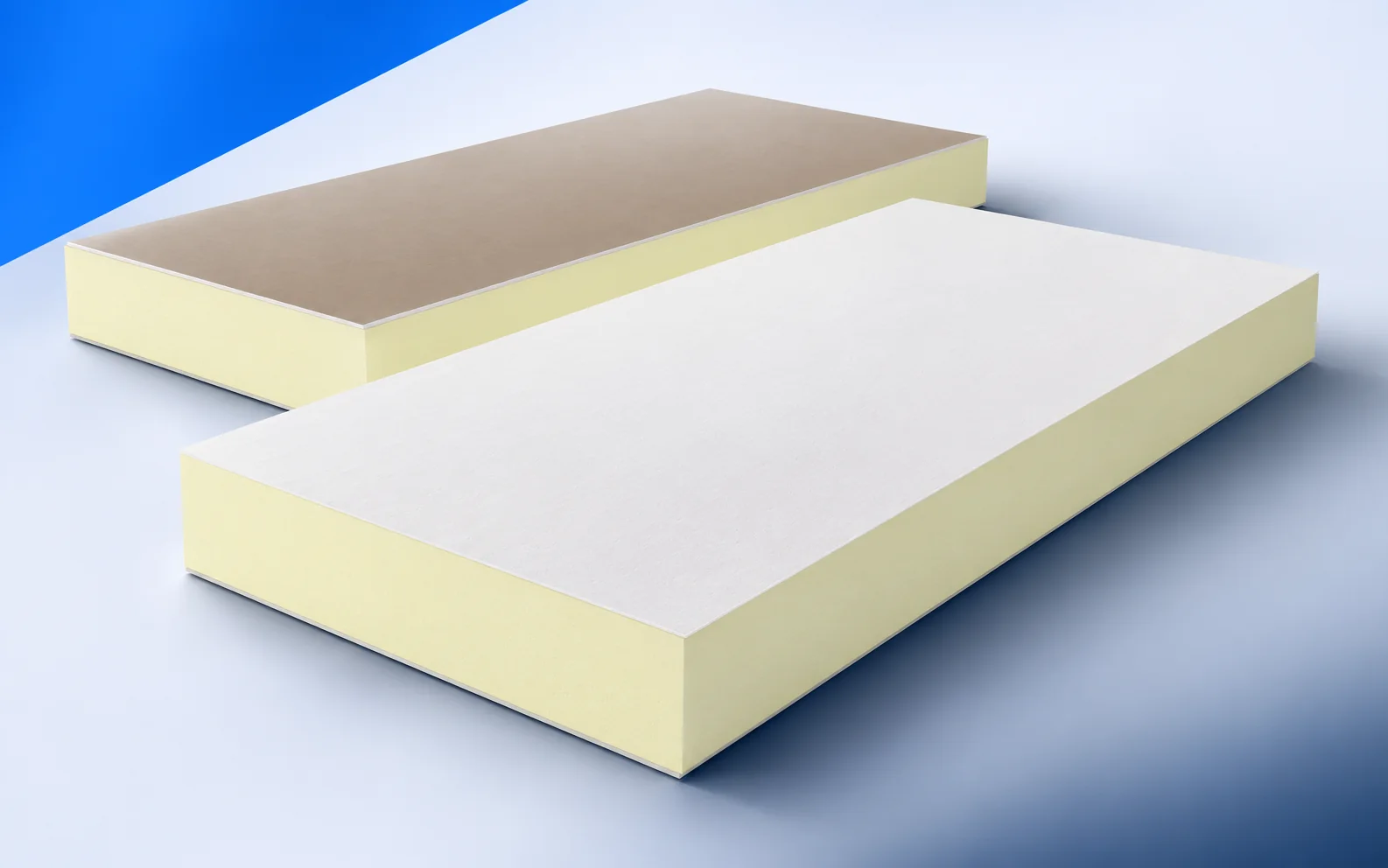
When the exterior cannot change, termPIR AL GK combines rigid PIR insulation with a 12.5 mm plasterboard lining on the room side.…
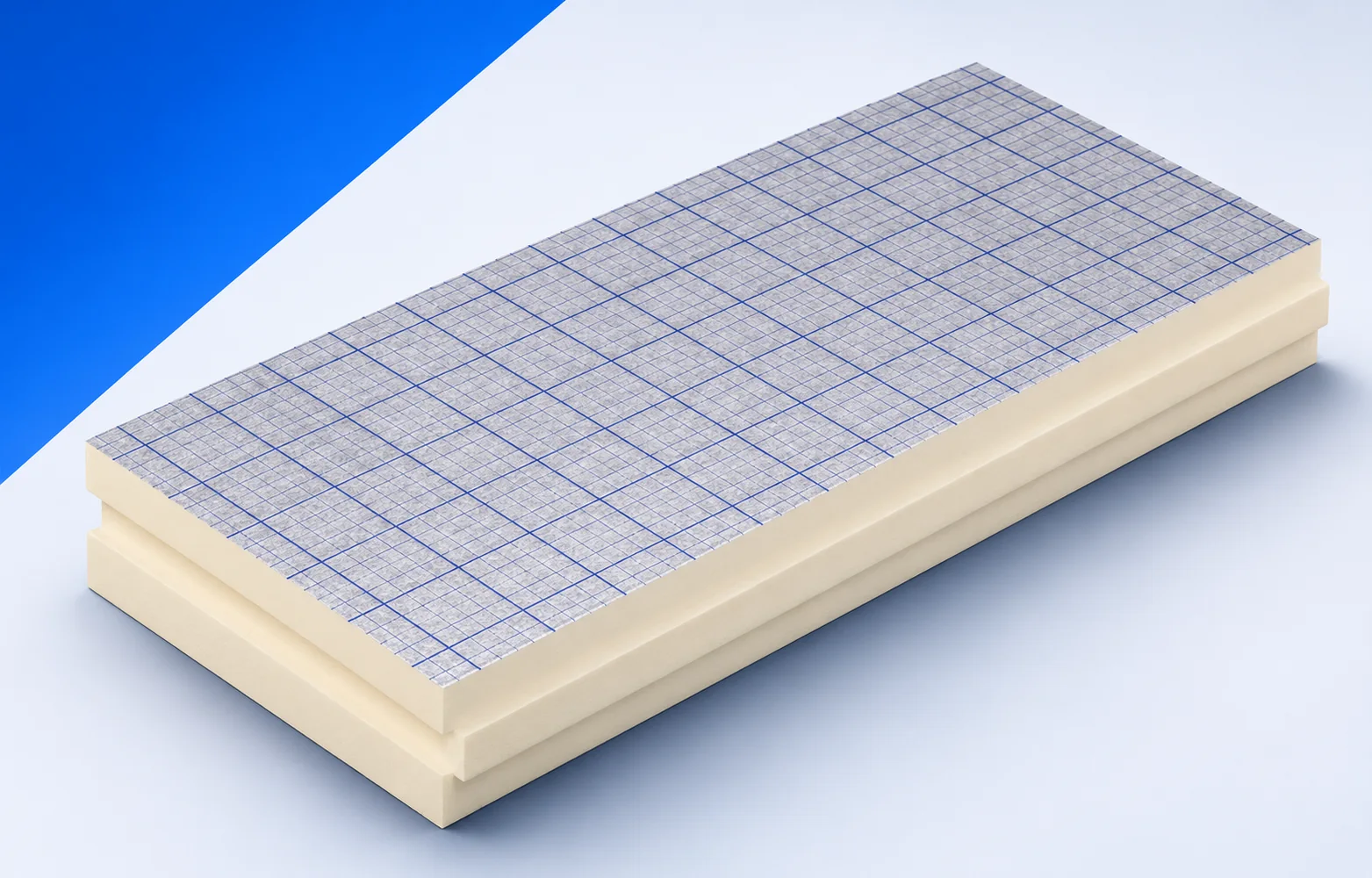
Before installing swissporPIR Alu on a flat roof, establish the deck, falls and fixing method. The manufacturer requires mechanical fixings even where…
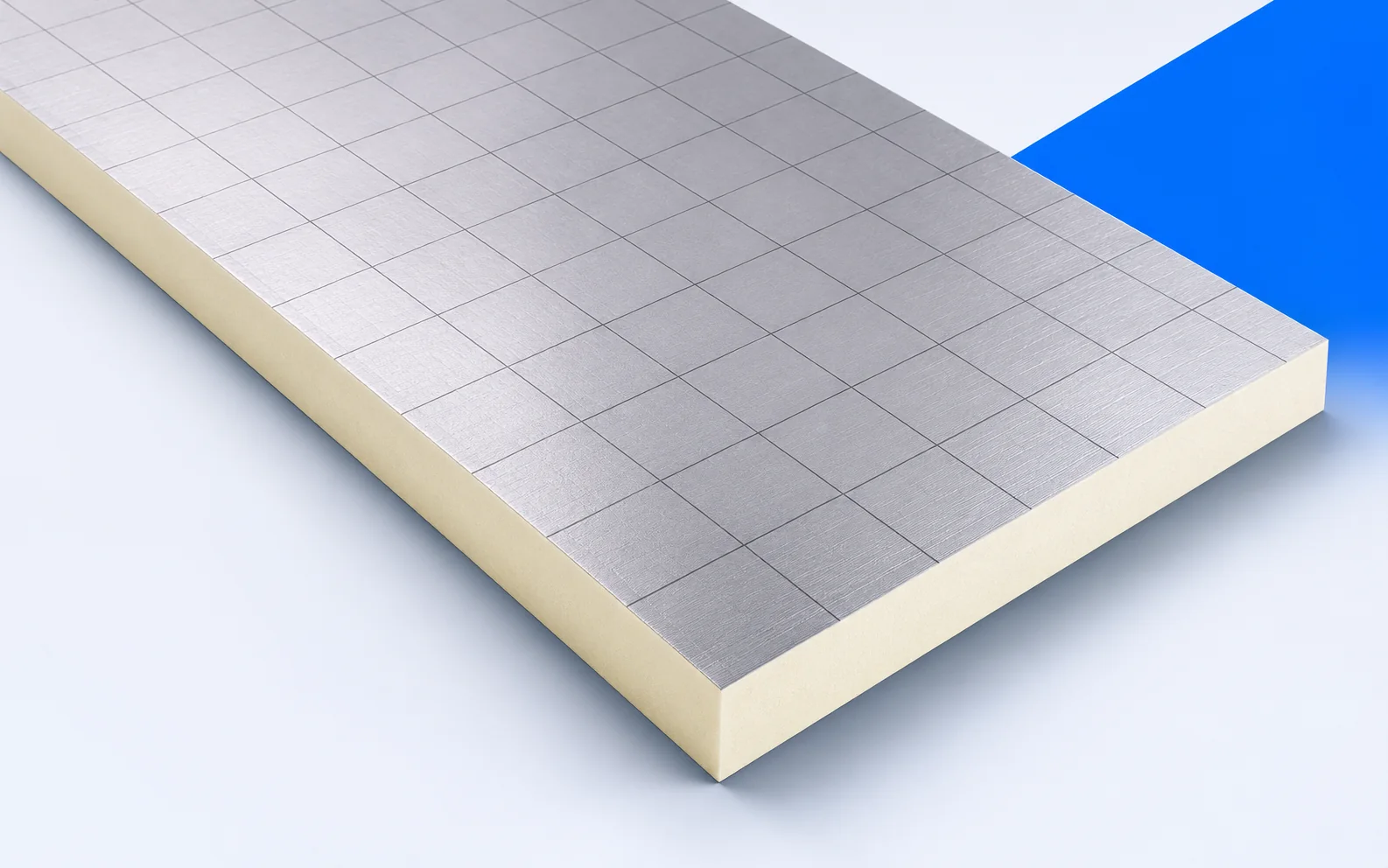
Changing Eurothane Silver thickness can change more than the insulation value. The 20 mm version has different format options and compressive performance…
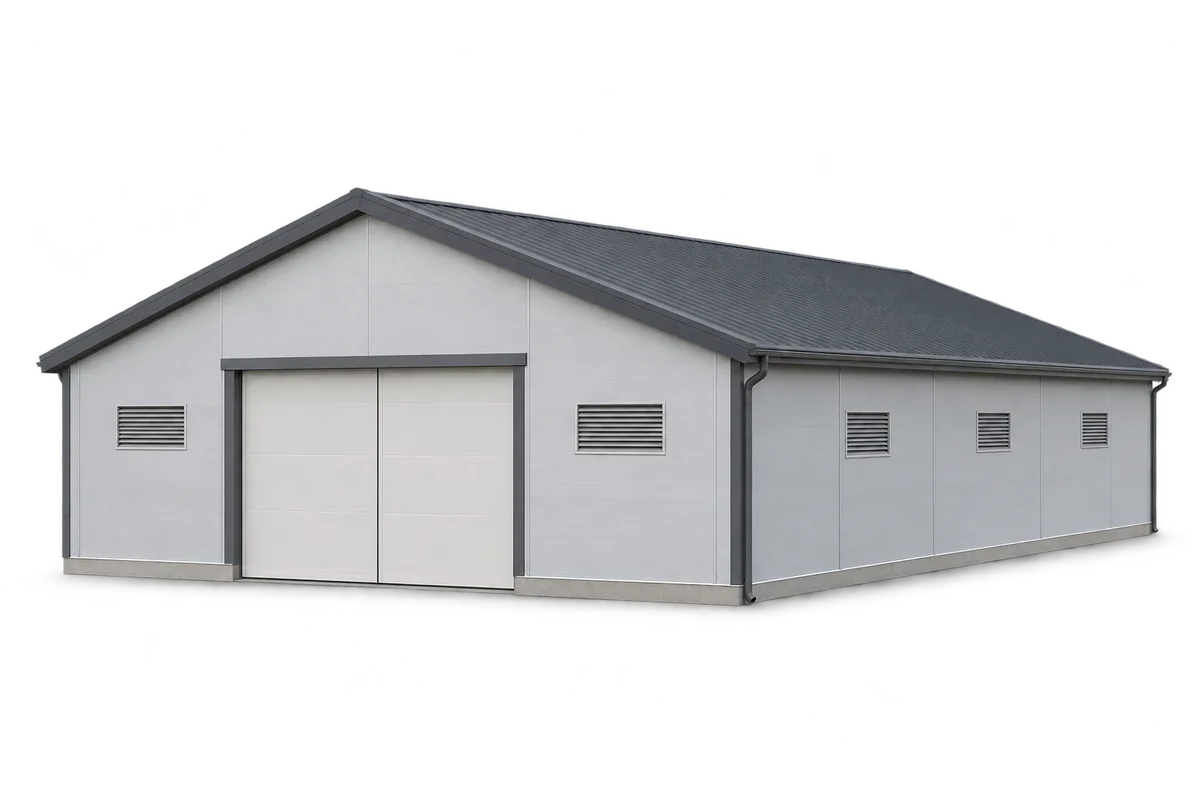
When renovating a pig house envelope, the choice of boards must be agreed with the cleaning method, the internal environment and the…
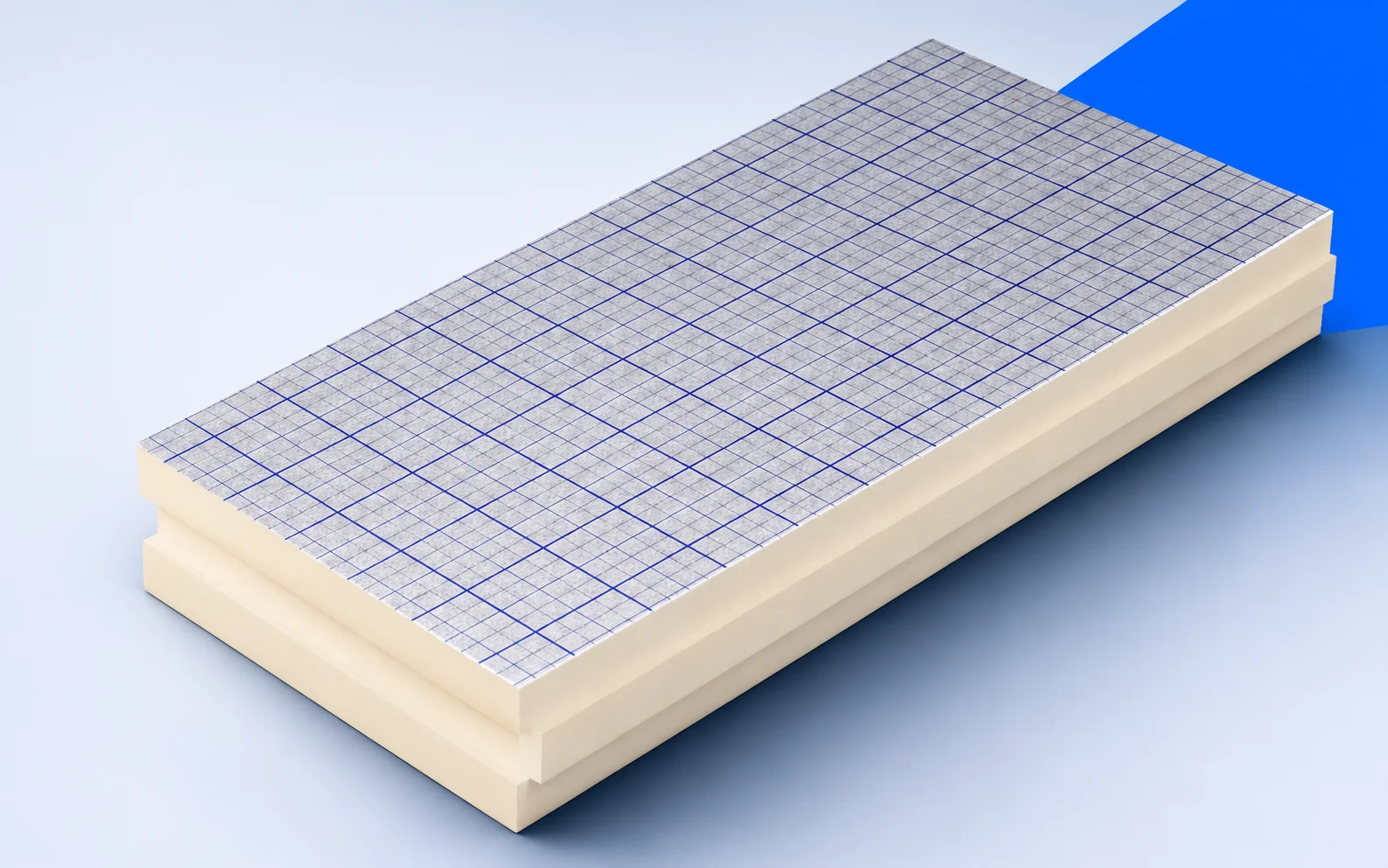
Replacing the covering on a house with a finished loft gives access to the rafters from outside. An over-rafter layer of swissporPIR…
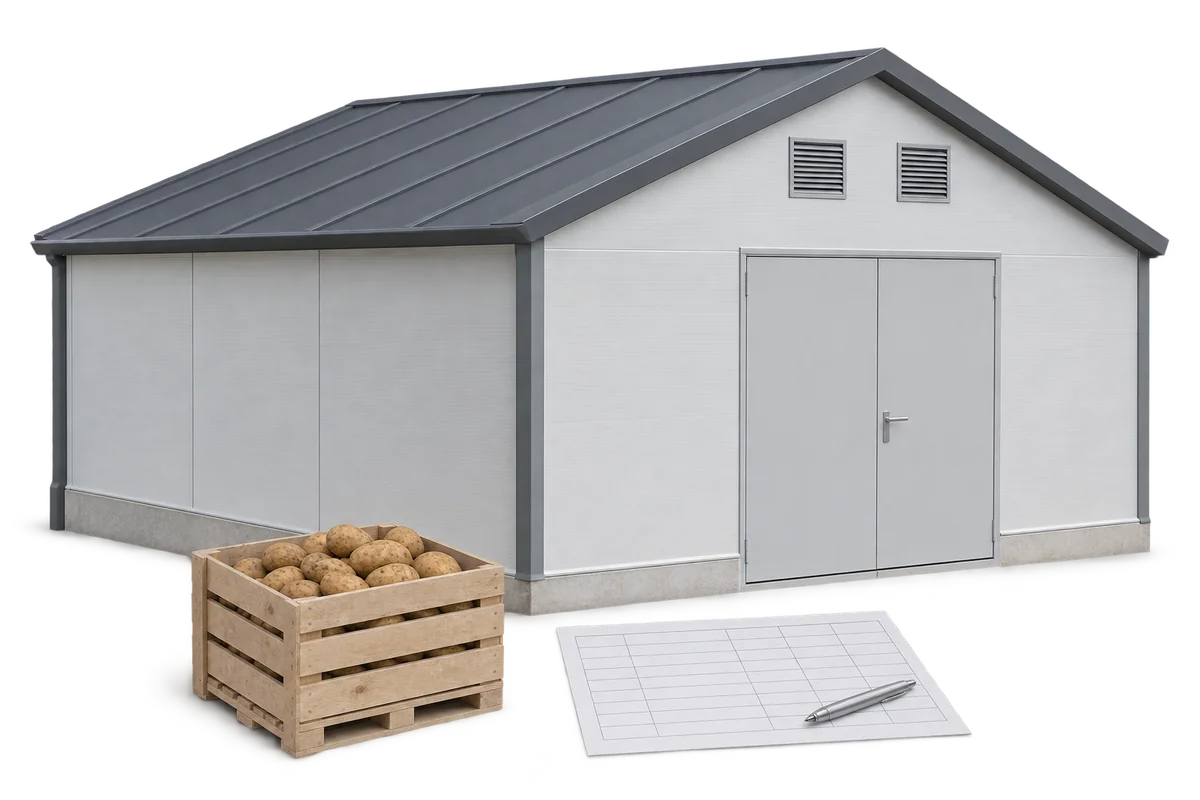
Renovation of a potato store before harvest must be planned from the conditions for receiving the first batch, not from the delivery…
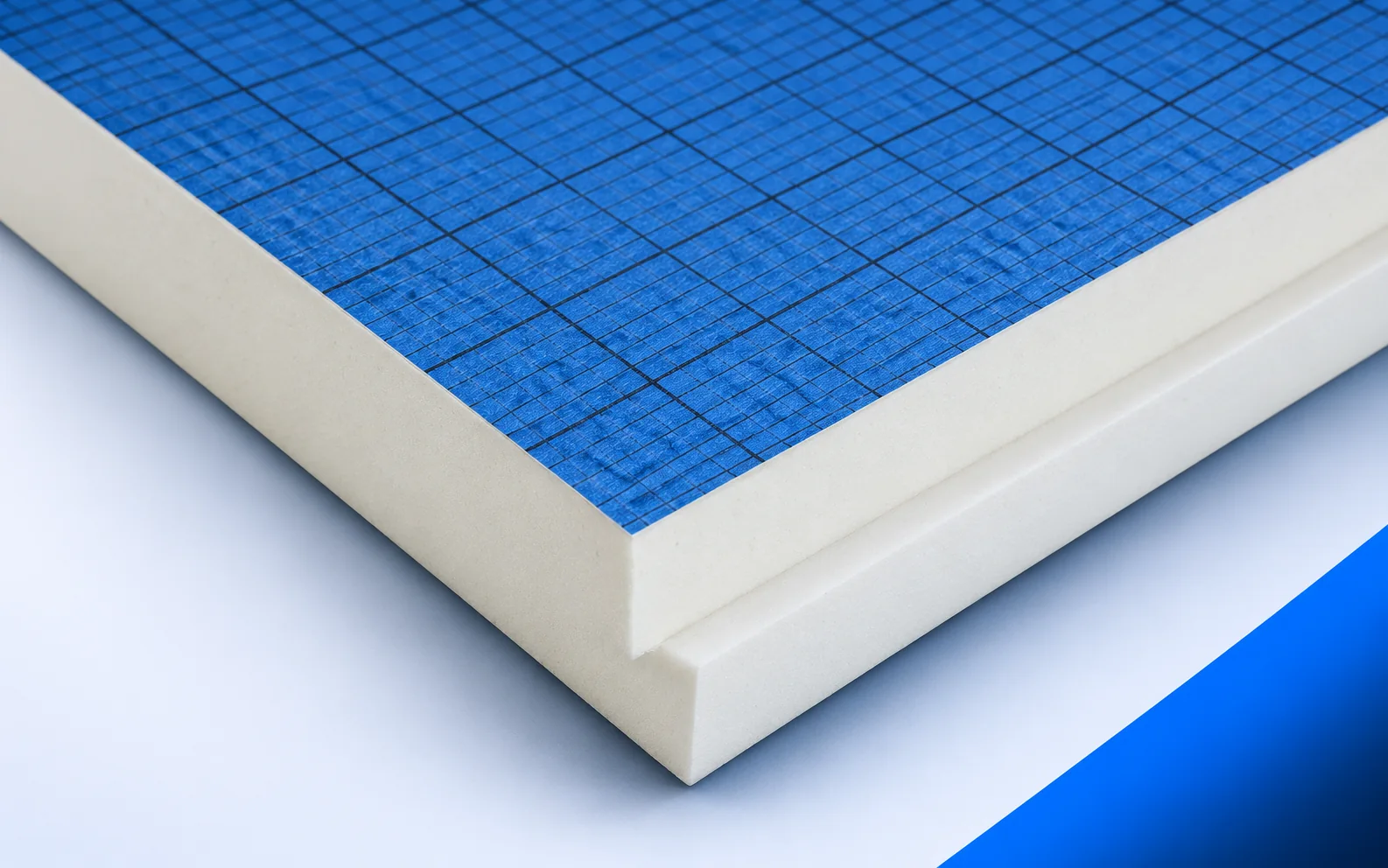
Three layers meet a rooflight kerb. EFYOS BLUE A insulation must reach it as shown on the thermal detail. The vapour control…
When specifying IDELCO α-therm ROOF, identify what secures the insulation to the deck and what holds the waterproofing in place. These two…